
防水行业

Search documents
防水行业专家交流会
2026-04-01 09:59
Summary of Conference Call Records Industry Overview - The waterproofing industry is undergoing significant changes due to the post-real estate era, which began around 2021-2022, marked by events such as the Evergrande crisis and the impact of the pandemic [2][3]. - The industry is experiencing a consolidation phase, with expectations that around 70% of small and medium-sized enterprises (SMEs) may be eliminated due to competitive pressures from larger firms like Dongfang Yuhong and Beixin Building Materials [3]. Key Company Insights Dongfang Yuhong - Dongfang Yuhong initiated substantial price increases in March 2026, with supply price hikes for agents ranging from 10% to 15%, and a second round of price increases planned for April, expected to exceed 5% [1][4]. - The company has adopted a partner/agent sales model, with over 90% of sales now contributed by partners, shifting the risk of payment delays and profit pressures to the channel side [2]. - Dongfang Yuhong has strategically focused on overseas markets, with a factory in the U.S. set to commence production in 2026, and is also expanding into repair markets [1][2]. - The company has stockpiled approximately 300,000 tons of asphalt, which can sustain operations for about a quarter, allowing for profit conversion from price increases due to low-cost inventory [1][5]. Beixin Building Materials - Beixin Building Materials is aggressively using a low-price strategy to eliminate competition from smaller brands, leading to a projected 70% elimination rate of SMEs in the industry [1][3]. - The company maintains a high gross margin of around 18%, which is crucial for sustaining net profits despite its low-price strategy [8]. Market Dynamics - The waterproofing market is seeing a shift towards higher quality and higher-priced products, with a trend of consumers preferring premium options due to the high costs associated with repair from quality issues [3][4]. - The demand for waterproofing products has surged, with some products seeing sales increases of over 50% year-on-year, driven by preemptive purchasing in anticipation of rising raw material costs [4][11]. - The overall market structure is evolving, with a focus on agent-led sales models and diversification into new markets, including overseas and repair services [10][11]. Raw Material Costs and Pricing Strategies - Recent geopolitical conflicts have led to rising raw material costs, impacting product gross margins. Companies are managing these pressures through strategic inventory management and price adjustments [4][5]. - Dongfang Yuhong's winter storage strategy primarily focuses on asphalt, with the largest reserves in the industry, allowing it to mitigate cost pressures effectively [5][6]. - The transmission of cost pressures to downstream agents is occurring, with companies sharing some of the cost increases to maintain channel relationships [9][10]. Future Outlook - The waterproofing industry is expected to continue consolidating, with larger firms capturing market share from smaller competitors. The focus will remain on quality and brand reputation as key drivers of consumer choice [3][10]. - Short-term market demand appears to be recovering, influenced by preemptive stockpiling due to anticipated raw material price increases, although this may be a temporary phenomenon [11]. This summary encapsulates the key points from the conference call records, highlighting the dynamics within the waterproofing industry and the strategic responses of leading companies.

原油涨价对建材成本影响几何
East Money Securities· 2026-03-22 23:30
Investment Rating - The report maintains an "Outperform" rating for the construction materials sector [2] Core Views - The continuous rise in crude oil prices has significantly impacted the cost structure of various segments within the construction materials industry, leading to increased pressure on companies to pass on these costs to consumers [7][17] - The report highlights that leading companies in the waterproofing and architectural coatings sectors have demonstrated the ability and willingness to raise prices in response to rising costs, indicating an improved competitive landscape [27][31] Summary by Sections 1. Impact of Rising Crude Oil Prices on Construction Materials - Crude oil prices have surged, with Brent crude reaching $117.45 per barrel, marking a 65.1% increase since March [7][17] - The waterproofing industry is particularly affected, with key raw materials like asphalt and polyether seeing price increases of 34% and 36% respectively, leading to a cost impact of 7.5% to 11.2% on companies [21][24] - In the architectural coatings sector, the main raw material, emulsion, has also seen significant price hikes, contributing to an overall cost increase of 8.6% [28][33] - The plastic pipe industry has experienced raw material price increases of 28% for PVC and 19% for PPR, resulting in a cost impact of approximately 20% and 13.7% respectively [34][36] - The float glass industry has faced rising costs due to increased prices of fuel oil and petroleum coke, with production costs exceeding those of natural gas [10][40] 2. Market Review - The construction materials sector has seen a decline of 6.86%, underperforming the CSI 300 index by 4.7 percentage points [41][43] - The cement and glass sectors both reported a 7.3% decline, while the fiberglass sector saw a 10.6% drop [41][42]


建筑建材-防水涨价落实情况跟踪
2026-03-20 02:27
Summary of Conference Call on Waterproofing Industry Price Increases Industry Overview - The waterproofing industry has initiated a comprehensive price increase effective from March 15, 2026, with SBS membranes rising by 5%-6% and asphalt-based coatings increasing by over 10% to cover rising raw material costs [1][2]. Key Points and Arguments - **Cost Pressure**: Major companies have asphalt inventories that can last 2-3 months. If raw material prices remain high, a further price increase of 10%-20% may be necessary to cover costs [1][2]. - **Market Dynamics**: The industry is experiencing accelerated market clearing, with leading companies using inventory advantages to delay price increases, which may force smaller, cost-sensitive firms to lose market share or compromise on quality [1][3]. - **Channel Acceptance**: The retail market shows a high acceptance of price increases, while B2B engineering clients face internal cost control constraints, leading to slower price transmission [1][5]. - **Competitive Strategies**: Companies like Oriental Yuhong prioritize profit and cash flow, while Beixin Building Materials, backed by state-owned enterprise status, focuses on market share, intensifying competition [1][6]. - **Profit Expectations**: The initial price increase is expected to contribute only about 1% to profit margins, with future gross margin recovery heavily reliant on subsequent price increases and international oil price trends [1][9]. Additional Important Insights - **Product Price Adjustments**: As of March 15, 2026, some products, particularly those related to asphalt raw material increases, have seen price adjustments of 5%-6% for SBS membranes and 10% for asphalt coatings. Further adjustments are anticipated by late March to early April 2026 [2][3]. - **Impact on Small Enterprises**: Small companies may face significant challenges due to higher procurement costs and limited ability to lower production costs (only 4%-5% reduction possible through quality compromise) [3][4]. - **Product Categories Affected**: Asphalt-based products are most affected by rising oil prices, with traditional asphalt membranes seeing smaller increases (5%-6%) compared to coatings (12%-14%) [4]. - **Market Demand**: Overall demand in 2026 is expected to remain stable compared to 2025, with no significant changes in project initiation despite rising material costs [8][9]. - **Sales Strategy**: Different companies are adopting varied strategies; private firms prioritize cash flow while state-owned enterprises focus on market share, potentially affecting competitive dynamics [6][7]. Conclusion The waterproofing industry is navigating significant cost pressures and competitive dynamics due to rising raw material prices. Price adjustments are being implemented across various product lines, with varying acceptance levels in different market segments. The future profitability of companies in this sector will depend on their ability to manage costs and effectively implement further price increases.
防水行业25年回顾及26年趋势判断
2026-03-04 14:17
Summary of Waterproof Industry Conference Call Industry Overview - The waterproof industry is expected to see a demand decline of 60%-70% in 2025 due to ongoing downturns in real estate and infrastructure, with urban renewal and photovoltaic building conversions falling short of expectations, leading to a "consumption war" in a stagnant market [1][3] - The trend of going overseas is becoming a core differentiator, with companies like Oriental Yuhong planning to increase their overseas revenue share to 30% within five years through acquisitions in Brazil, while most companies remain project-focused and struggle to change the competitive landscape [1][3] Key Insights - **Diversification as a Strategy**: Diversification is emerging as a critical strategy for leading companies in response to the significant decline in traditional waterproof demand. Some companies are committed to deepening their diversification efforts, while others are limited by their capabilities and understanding, leading to a divergence in competitive dynamics [3][8] - **Challenges in Property Repair Business**: The property repair business, heavily reliant on diagnostic and exploration capabilities, is expected to fall short of expectations in 2025, with some leading companies already scaling back their operations [1][4] - **Market Dynamics**: The market for diversified products like sand powder is essentially a redistribution of existing market shares, with leading companies leveraging channel advantages to squeeze out smaller competitors. The "Matthew Effect" continues to strengthen, with Oriental Yuhong setting ambitious targets for production [1][7] - **Profitability and Cost Fluctuations**: Profitability in 2026 will depend on geopolitical factors affecting costs. If asphalt prices rise above 4,000 RMB/ton due to geopolitical tensions, companies with significant low-cost reserves will gain substantial cost advantages [1][10] Pricing and Competition - The pricing logic in the industry is shifting from "cost-driven" to "negotiation and compromise," with leading companies forming price consensus to alleviate market pressures, reducing the likelihood of irrational price wars [1][10] - The impact of new regulations on capacity clearance is limited, with low-price bidding remaining prevalent, and the actual enforcement of standards not significantly improving market order [2][11] Future Outlook - The waterproof industry is expected to continue facing challenges in 2025, with limited growth in demand from real estate, infrastructure, urban renewal, and photovoltaic buildings. The overall market is likely to remain in a state of competition for existing shares rather than generating new demand [6][7] - The competitive landscape in 2026 is anticipated to reflect a "prolonged battle" with ongoing price increases and a focus on resource allocation and mutual consumption among leading companies [9][19] International Expansion - Companies are increasingly focusing on international markets, with varying degrees of commitment and success. The core competitive advantages in overseas markets include the choice of destination, product maturity, and the ability to build local teams [17][18] - The challenges of entering international markets vary significantly by region, with some markets presenting substantial risks due to local conditions and regulatory requirements [23] Conclusion - The waterproof industry is at a critical juncture, with significant challenges ahead in terms of demand, competition, and international expansion. Companies that can effectively navigate these challenges through strategic diversification and resource allocation will likely emerge as leaders in the evolving landscape [1][3][19]
防水行业提价情况交流
2026-03-04 14:17
Summary of Waterproof Industry Conference Call Industry Overview - The waterproof industry is experiencing a tentative price increase in 2026, characterized by "nominal price increases + promotional offsets," with main products maintaining low net prices around 90 RMB per barrel [1][2] - The demand forecast for 2026 is optimistic, with a growth target of 6%-8% for waterproof products, driven primarily by maintenance products (expected growth of 15%) and specialized store products with construction services (expected growth of 10%) [1] Key Points and Arguments Pricing Dynamics - The pricing strategy involves nominal increases that are often offset by promotions or subsidies, making it difficult for major products to achieve real net price increases [2][3] - For example, a major product's nominal price was raised from around 90 RMB to 105 RMB in July 2025, but actual prices returned to pre-increase levels after rebates [4] - The improvement in gross margins is attributed to higher apparent payment prices and changes in rebate structures, rather than actual price increases [4] Market Structure and Competition - The distribution chain is becoming flatter, with distributors being bypassed, allowing manufacturers to reach end-users directly [1][9] - The competitive landscape is diversifying, with companies like Deko and Sika focusing on profit preservation, while companies like Oriental Yuhong penetrate lower-tier markets through a network of small partners [1][9] - The industry is transitioning into a "post-construction era," where the focus shifts from price competition to service enhancement [1] Risk Management - The real estate sector's downturn has led to a halt in the company's involvement with developers, with risks being managed at the distributor level [10] - The principle of "abandoning orders rather than risking capital" is emphasized to mitigate financial risks [10] Market Sentiment and Channel Response - The initial response to price increase notices from distributors has been muted, reflecting a normalization of expectations in the market [6][7] - The overall market sentiment has stabilized, with less anxiety compared to previous years, leading to a more rational approach to competition [7][8] Additional Insights Demand Structure Changes - The demand structure is shifting towards self-built homes and renovation projects, with a single self-built home having a higher value than multiple urban housing units [9] - The challenges in expanding into rural markets include the need for extensive network coverage and a diverse product range to justify logistics costs [11] Competitive Landscape in Rural Markets - The rural market is characterized by a mix of branded and unbranded products, with brands like San Ke Shu and Nippon performing well [12] - The competition is not just about price but also about the ability to provide a comprehensive range of products and services [12] Future Pricing Strategies - Future price increases are expected to be trial-based, combining price adjustments with enhanced service offerings rather than straightforward price hikes [14] - The impact of raw material price increases on finished product prices is limited due to the time lag in transmission and the overall cost structure [15][16] 2026 Outlook - The overall demand for waterproof products in 2026 is projected to grow by 6%-8%, with profit improvements likely coming from niche products and service-oriented offerings [17][18] - The competitive strategies of major brands are shifting towards maintaining profit margins rather than aggressive market share expansion [21][22] Industry Consolidation - The survival of small manufacturers is becoming increasingly challenging, with many exiting the market due to a lack of succession planning and market pressures [24]
华泰证券今日早参-20260303
HTSC· 2026-03-03 01:31
Group 1: Macro Insights - The Chinese economy shows signs of recovery with increased consumer spending and travel demand post-Spring Festival, alongside improved real estate transaction volumes, particularly in second-hand housing [2][3] - In the U.S., February economic data indicates strong growth and low inflation, with resilient consumer spending and improving business investment, although the real estate sector still requires further recovery [3] Group 2: Fixed Income and Market Trends - The A-share market has seen a rebound with a nearly 2% increase in the Shanghai Composite Index, driven by a return of trading funds post-holiday, with net inflows of nearly 80 billion yuan [4] - The bond market is experiencing a low yield environment, with a focus on high-quality corporate bonds and potential investment opportunities in the industrial bond sector, particularly in sectors like coal and steel [5][6] Group 3: Real Estate Sector - The real estate market is showing signs of stabilization, with second-hand housing transactions outperforming new housing, and recent price adjustments indicating a positive trend in major cities like Shanghai and Beijing [6] Group 4: Agriculture and Livestock - The pork price has significantly dropped to 10.56 yuan/kg, the lowest since 2022, leading to increased losses in the industry and accelerating the reduction of breeding sows, reinforcing the logic of capacity reduction in pig farming [9] Group 5: Consumer Services - The hotel industry is entering a recovery phase with improved supply-demand dynamics, as leading companies adapt through product upgrades, indicating potential for performance recovery in 2026 [10] Group 6: Transportation and Shipping - Geopolitical tensions, particularly the recent U.S.-Israel military actions against Iran, are expected to increase shipping prices due to heightened risk premiums in global energy and trade supply chains [10] Group 7: Energy Sector - The situation in the Strait of Hormuz may accelerate energy transition efforts, with countries reliant on LNG imports likely to increase coal procurement in the short term while deploying solar storage systems [13]
科顺股份:公司始终致力于提供高标准的产品与服务
Zheng Quan Ri Bao· 2026-02-09 11:41
Core Viewpoint - The company, as a leading player in the waterproofing industry, is committed to providing high-standard products and services, with its offerings included in the recommended list by regulatory authorities [2] Group 1: Company Performance - Current performance fluctuations are primarily influenced by the slow recovery of demand in the construction waterproofing sector, the company's proactive optimization of its business structure to reduce the proportion of risky operations, and the prudent approach of provisioning for credit and asset impairments [2] - These factors reflect the cyclical adjustments in the industry and the company's strategic transformation phase [2] Group 2: Management Strategy - Under the leadership of the board, the company adheres strictly to corporate governance practices and is committed to high-quality development strategies [2] - The focus is on retail, construction, and overseas market expansion, alongside strengthening accounts receivable management and cost control to enhance operational quality [2] Group 3: Shareholder Engagement - The company places significant importance on the opinions of all shareholders and aims to fulfill its responsibilities to investors through standardized operations and continuous improvements [2] - The commitment is towards achieving long-term stable development [2]

东方雨虹外露增强型TPO防水卷材通过新版国标B1燃烧性能检测
Zhong Guo Zhi Liang Xin Wen Wang· 2026-02-04 08:06
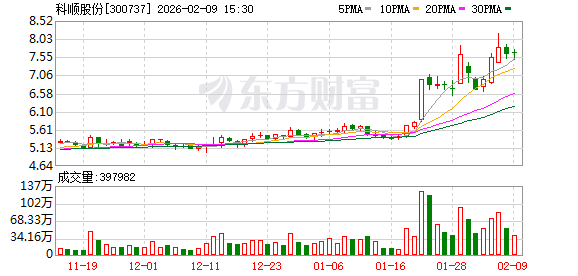
Core Viewpoint - The company Dongfang Yuhong (002271.SZ) has successfully passed the B1-level fire performance testing for its 1.5mm and 1.8mm enhanced TPO waterproof membranes under the new national standard GB 8624—2025, marking a significant breakthrough in balancing waterproof and fireproof properties in flexible waterproof materials [1][11]. Group 1: New National Standard - The new national standard GB 8624—2025, set to be fully implemented on January 1, 2027, introduces a dedicated category for "roof covering materials and products," defining the fire performance grading for roofing waterproof membranes [3]. - This standard aims to fill the gap in fire safety standards for roofing materials, raising industry entry barriers and favoring companies with technological advantages [3][11]. Group 2: Technical Breakthrough - The enhanced TPO products are the result of deep optimization of formulations and performance by the company's R&D team, achieving a balance between waterproof and fireproof properties while maintaining low water absorption and excellent outdoor weather resistance [9][10]. - Dongfang Yuhong has established a comprehensive innovation system from basic research to technology transfer, supported by long-term R&D investments since 2009 [7]. Group 3: Market Position and Strategy - The company has received multiple awards for its TPO applications, reinforcing its market reputation and demonstrating the long-term reliability of its products [10]. - Recent strategic collaborations, such as with Shanghai Huaneng Clean Energy, aim to expand the application of TPO systems in clean energy projects, further enhancing market reach [10][11]. - The company is also progressing with its Houston base in the U.S., which will achieve a production capacity of 50 million square meters of TPO waterproof membranes [10].
科顺股份2026年1月22日涨停分析:资金管理规范+可转债优化+现金流改善
Xin Lang Cai Jing· 2026-01-22 06:47
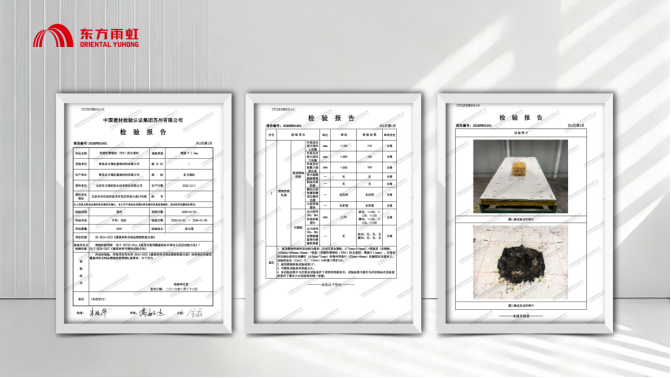
Group 1 - The core point of the article is that Keshun Co., Ltd. (SZ300737) reached its daily limit with a price of 6.96 yuan, marking a 20% increase and a total market capitalization of 7.725 billion yuan [1] - The reasons for the stock surge include strong financial management, improved cash flow, and favorable real estate policies that may boost demand in the waterproofing industry [2] - Keshun Co., Ltd. provides comprehensive waterproofing solutions, and the recent positive trends in the real estate sector are expected to benefit its business development [2] Group 2 - The company has shown a 46.03% year-on-year improvement in net cash flow from operating activities, which has contributed to the stock price increase [2] - The adjustment of convertible bond conversion prices has enhanced their attractiveness, reflecting the company's confidence in long-term value [2] - Technical indicators such as MACD forming a golden cross and the stock price breaking through significant resistance levels may attract technical investors, further driving the stock price up [2]
研报掘金丨西部证券:维持东方雨虹“买入”评级,目标价17.73元
Ge Long Hui A P P· 2026-01-15 08:14
Group 1 - The domestic waterproofing industry is experiencing accelerated clearing and optimization, with leading companies increasing their market share as prices recover from a low point [1] - Under multiple pressures such as downstream demand adjustments, regulatory upgrades, and stricter environmental standards, waterproofing prices have bottomed out, leading to the exit of small and medium-sized enterprises and a concentration of market share among top companies [1] - Oriental Yuhong, as the industry leader, has strengthened its market position, with its market share increasing from 15.8% in 2019 to 22.0% in 2024 [1] Group 2 - The company is expected to benefit in the short term from industry profit recovery and improved operational quality, while in the medium to long term, it will gain new growth potential from expanding product categories and accelerating overseas strategies [1] - A target price of 17.73 CNY per share is set for 2025, based on a 25 times price-to-earnings ratio, maintaining a "buy" rating for the company [1]