《抓大鹅》

Search documents
一个隐秘风口,微信成寡头了
虎嗅APP· 2026-01-20 04:46
Core Insights - The article highlights the rapid growth of WeChat mini-games, which have served over 1 billion users in the past year, with a monthly active user (MAU) count exceeding 500 million and a daily active user (DAU) increase of 10% year-on-year, alongside a 27% improvement in user retention [5][6]. Group 1: Market Dynamics - Mini-games are outpacing traditional app-based mobile games, with a user overlap of only 10% between the two, indicating that mini-games are attracting a new audience rather than cannibalizing existing app users [6][7]. - By mid-2024, the active user base of mini-games is expected to surpass that of app-based mobile games for the first time, with mini-games becoming a significant force in the gaming market [7]. - The advertising spending on mini-games has recently surpassed that of app-based mobile games, with daily ad spending reaching approximately 94 million yuan for mini-games compared to 90 million yuan for app games [7][8]. Group 2: WeChat's Competitive Advantage - WeChat's social attributes are deeply integrated into the mini-game ecosystem, facilitating viral growth through social connections, with social channels contributing 30%-50% of users for social mini-games [10]. - The revenue generated from social users in some IAA mini-games exceeds 80%, showcasing the high commercial value of social engagement [10]. - In 2025, the number of mini-games with over 1 million DAU is projected to increase from 60 to 70, and the number of games generating over 10 million yuan in quarterly revenue is expected to rise from 190 to 300 [10]. Group 3: User Demographics and Trends - The user base of WeChat mini-games is predominantly from first and second-tier cities, with 45% of users aged between 24 and 40 years [12]. - The gender distribution is 55% male and 45% female, with female-oriented games starting to gain traction, indicating a shift in market dynamics [12][14]. - Female players are showing a growth rate in spending that is double that of male players, suggesting a significant opportunity for female-targeted game development [14]. Group 4: Developer Support and Monetization - WeChat has implemented favorable revenue-sharing policies for developers, including aligning iOS platform fees with Android, allowing developers to retain 70% of revenue, plus an additional 15% incentive [16][29]. - The platform is simplifying commercialization policies for IAA mini-games, offering up to 90% revenue share for short-term incentives and 85% for long-term incentives [16]. - Developers are encouraged to leverage AI tools for innovation, with the potential for AI-generated content to enhance game development and user engagement [26][30]. Group 5: Future Directions - The focus for the mini-game industry is on uncovering genuine user needs behind social interactions, emphasizing the importance of creating shareable content that stimulates social behavior [25]. - WeChat aims to balance monetization with user experience by exploring non-intrusive advertising formats and ensuring that the game's value to users is prioritized over revenue generation [28]. - The platform is also looking to enhance interactive advertising and content marketing strategies to improve user engagement and retention [35][36].



7成上市游戏公司看好的赛道,也要变天了?
Xin Lang Cai Jing· 2026-01-13 11:33
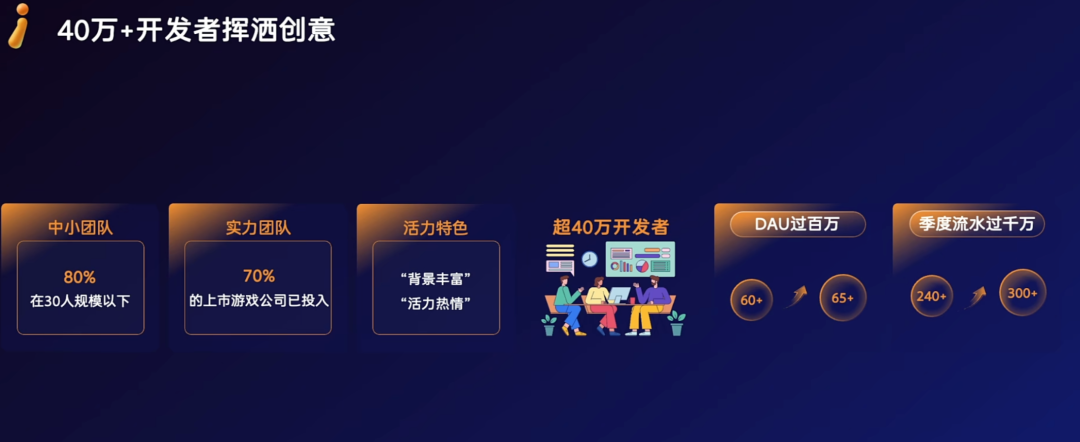
Core Insights - The mini-game market in China has become a focal point in the gaming industry, with significant growth and revenue data attracting numerous developers, but the market dynamics are shifting as competition intensifies and growth rates slow down [1][27] - By 2025, the domestic mini-game market is projected to generate revenue of 53.535 billion yuan, with a year-on-year growth rate of 34.39%, although this represents a slowdown compared to previous explosive growth [1][27] - Major companies are increasingly dominating the market, with over 70% of listed gaming companies investing heavily in mini-games, raising the industry entry barriers to the level of native apps [1][27] Platform Development - WeChat mini-games remain the largest platform in China, with over 400,000 developers and more than 300 teams generating over 10 million yuan in quarterly revenue [2][28] - The active user base on WeChat mini-games has surpassed 500 million, with a 10% increase in user online time expected in 2025 compared to 2024 [2][28] - Douyin mini-games have also seen remarkable growth, with revenue increasing by 100% and active user numbers rising by 120% in 2025 [4][30] Product Trends - WeChat mini-games have successfully explored heavy game genres, with several SLG, RPG, and card games achieving stable growth [4][30] - Douyin's unique short video ecosystem enhances content distribution, significantly impacting player engagement and revenue generation [6][31] - The revenue scale of WeChat and Douyin mini-games is expected to account for over 90% of the total domestic mini-game market [6][31] Manufacturer Segmentation - The mini-game market has seen a clear tiered structure, with large companies dominating the first tier, including over 70% of listed gaming firms [11][33] - Companies like Sanqi Interactive and Diandian Interactive lead the first tier, leveraging strong operational capabilities to produce multiple blockbuster games [13][35] - The second tier consists of niche market leaders that have emerged from the mini-game sector, maintaining high hit rates through rapid product iteration [15][37] Competitive Landscape - The competition in the mini-game market has evolved from a focus on traffic to a comprehensive strength competition involving product quality, traffic acquisition, long-term operations, and technological reserves [20][42] - The demand for higher quality mini-games is pushing developers to innovate and differentiate their products, moving towards a model that closely resembles native apps [21][43] - AI technology is becoming a critical competitive barrier, significantly enhancing the efficiency of game development, marketing, and customer service [25][47] Market Evolution - The mini-game industry is transitioning from rapid growth to a phase of meticulous cultivation, indicating that future opportunities will favor those who focus on quality content and technological mastery [26][48] - The market's slowdown is not a sign of diminishing returns but rather a necessary evolution towards sustainable growth and high-quality development [26][48]
数娱工场丨从手机到“大屏”!小游戏中心“破壁”微信PC端,直播成新增长极
Xin Hua Cai Jing· 2025-12-10 10:20
Core Viewpoint - The recent launch of the "Mini Game Center" on the WeChat PC version signifies a shift in the development path of WeChat mini games from a mobile-only focus to a "mobile + desktop" collaborative phase [1][6]. Group 1: WeChat Mini Game Center Features - The new Mini Game Center homepage allows users to quickly access recently played games, with a "Find Games" page featuring "Discover" and "Leaderboard" sections for game recommendations and rankings [4]. - Tencent previously showcased a PC mini game experience area at the Guangzhou CICF Comic Festival, indicating a strategic move to enhance content beyond mobile limitations [6]. Group 2: Market Dynamics and Competition - The mini game market is characterized by rapid updates and a high turnover rate, with November data showing a monthly turnover rate exceeding 20% for the top 50 mini games [7]. - Major companies like Tencent, NetEase, ByteDance, and Kuaishou are entering the mini game space, intensifying competition and shifting the market from a casual to a more resource-driven phase [8]. Group 3: Market Growth and Revenue - The mini game sector saw a sales revenue of 23.276 billion yuan in the first half of the year, reflecting a year-on-year growth of over 40%, significantly outpacing other gaming segments [9]. - The monetization model of mini games, which includes ad views and in-app purchases (IAP), is evolving, with IAP now accounting for 65.7% of revenue, indicating a maturing user payment habit [9]. Group 4: User Engagement and Developer Landscape - WeChat mini games have reached 500 million monthly active users, with users playing an average of six games monthly and daily online time increasing by 10% compared to 2024 [10]. - The ecosystem has attracted over 400,000 developers, with more than 70% being small teams of fewer than 30 people [10]. Group 5: Challenges and Market Saturation - The mini game market faces challenges such as severe homogenization and user fatigue due to the prevalence of similar game types, which can lead to rapid declines in popularity for certain titles [11]. - There is a pressing need for innovation in gameplay and user experience to sustain long-term engagement and product lifecycle [11]. Group 6: Emergence of Mini Game Live Streaming - Mini game live streaming has emerged as a new growth area, with significant revenue generated through platforms like video accounts and Douyin, enhancing user engagement and conversion rates [12]. - The integration of live streaming with mini games is creating a more interactive and engaging user experience, which is expected to further expand the market [14]. Group 7: Future Market Projections - The domestic mini game market is projected to exceed 60 billion yuan by 2025, indicating substantial growth potential [14].

AGF亚洲游戏博览会盛大开幕!国庆来广州看世界顶级游戏展
2 1 Shi Ji Jing Ji Bao Dao· 2025-10-03 03:25
Group 1 - The AGF Asia Game Expo held in Guangzhou from October 2 to 5 serves as a significant platform for promoting cultural tourism consumption during the National Day holiday and advancing the "game dimension economy" [1] - The main venue covers an area of 82,000 square meters, featuring over 1,000 global brands and more than 7,000 IP peripheral products, along with over 100 special events [1] - Major gaming companies such as Tencent Games, NetEase Games, and Ubisoft participated, showcasing popular game IPs and hosting exclusive offline trial events [1] Group 2 - The Hong Kong Animation and Game Pavilion made its debut with 28 local brands, including 3MindWave and Tianming Entertainment, featuring interactive sessions with cosplay characters [2] - High-profile esports events such as the League of Legends Challenge Cup and the Capcom Street Fighter 6 World Tour are scheduled to take place during the expo [2]
2025游戏市场2562亿,腾讯、网易、三七、贪玩发力,内容经营三大新趋势
Sou Hu Cai Jing· 2025-04-03 05:40
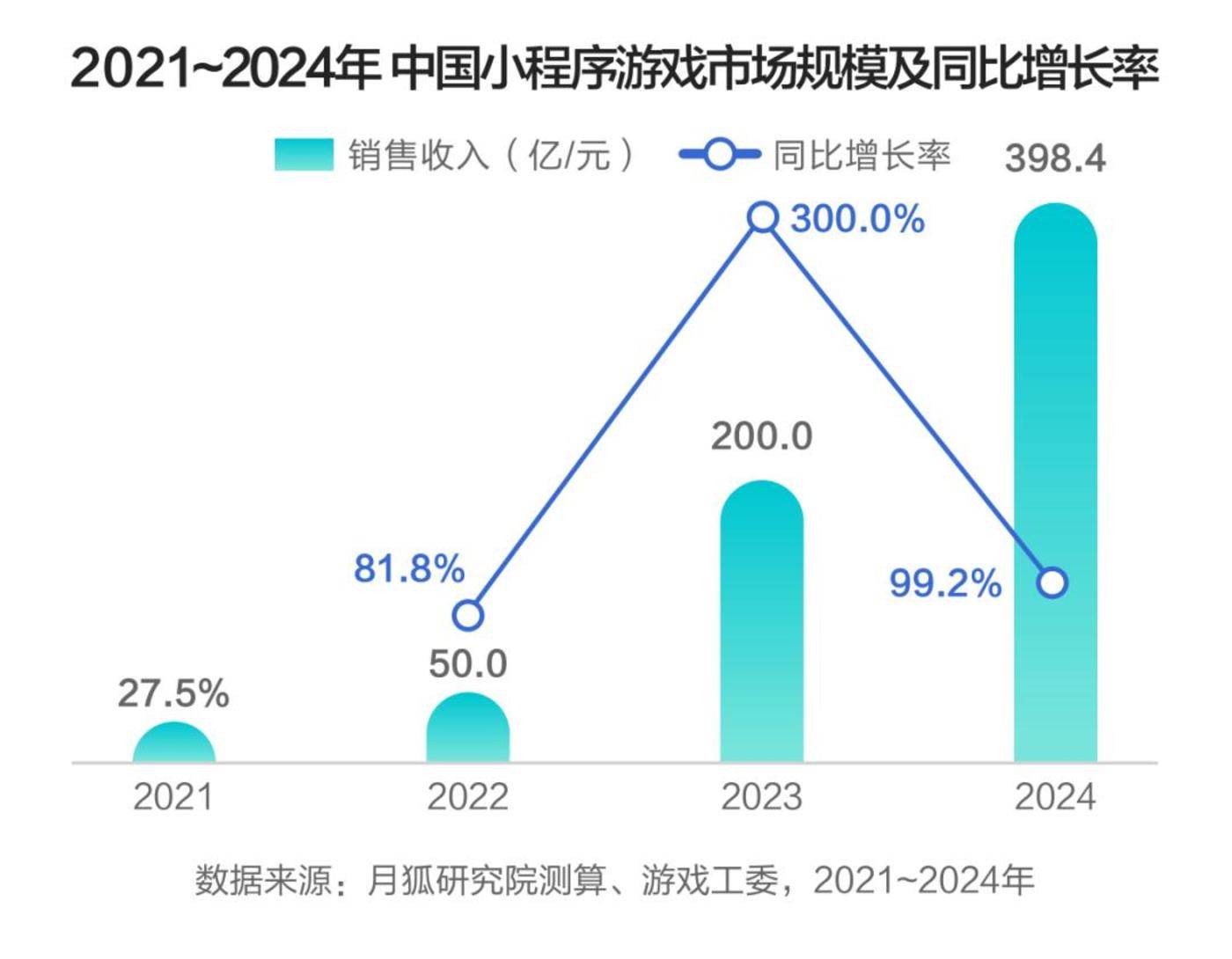
Core Insights - The gaming industry is experiencing a transformation with a focus on lifecycle extension and multi-platform releases, indicating a shift in marketing strategies and operational approaches [1][2][11] Market Growth - The domestic gaming market in China is projected to reach a sales revenue of 325.78 billion yuan in 2024, reflecting a year-on-year growth of 7.53%, a significant decline from the 13.95% growth in 2023 [3] - The mobile gaming market is recovering, with a scale of 238.22 billion yuan in 2024, showing a 5% year-on-year increase, while mini-games have seen a remarkable growth of 99.2%, reaching 39.84 billion yuan [4][5] Category Changes - The distribution of mobile game categories in China has shifted, with a decrease in the share of heavy games like RPGs and SLGs, while casual apps are gaining popularity [9] - Mini-games are primarily focused on casual gameplay, with role-playing and competitive games now accounting for over 20% of the market share, indicating a trend towards mid-to-heavy gameplay [9] Marketing and Advertising - The gaming industry is in a "stock era," making it increasingly difficult for new products to gain traction, leading to a cautious approach towards new game launches [11] - Marketing expenditures are rising, with a notable correlation between increased sales expenses and revenue growth among leading game companies [17] - The number of advertising materials for gaming has reached 2.436 million by December 2024, marking a 2.5% increase from the previous month [21] Content and User Engagement - The diversification of game content is evident, with a focus on breaking down operational, marketing, and user acquisition boundaries [18] - Social sharing features and user segmentation strategies are being employed to enhance user lifetime value (LTV) [22][23] Technological Integration - AI technology is increasingly being utilized in the gaming industry for automated advertising and content generation, helping to reduce costs and improve efficiency [25][26][28] - The integration of AI-generated content is reshaping the underlying logic of user acquisition in gaming, allowing for more precise targeting and engagement [28] Strategic Directions - The industry is moving towards a model that emphasizes "content + technology + ecosystem" as a means to navigate competitive pressures and sustain growth [29] - The trend of building an ecosystem around game official accounts, influencers, and user-generated content (UGC) is becoming more pronounced [35] Future Outlook - The gaming industry is expected to continue evolving with a focus on version updates and content marketing to attract and retain players [34] - The success of new titles like "Black Myth: Wukong" is boosting confidence in the domestic PC gaming market, highlighting the importance of content and gameplay in driving user engagement [39]