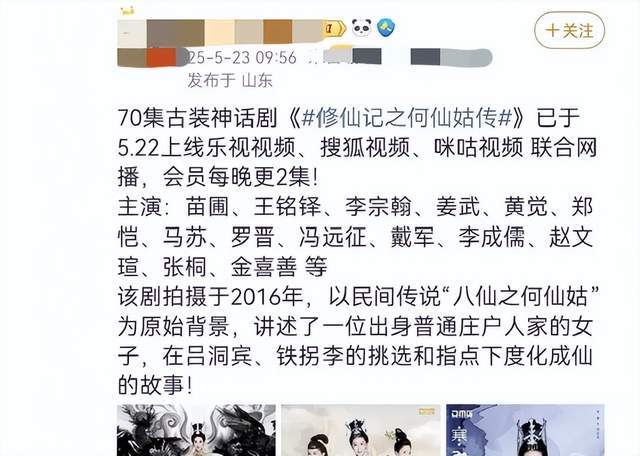
《折腰》

Search documents
长剧2025:三年来最差,但仍有希望
3 6 Ke· 2026-01-14 02:51
Group 1 - The long content market is experiencing a decline, with a significant drop in the number of registered productions and overall viewership, indicating a challenging environment for the industry [3][4][29] - In 2025, the number of new domestic dramas is projected to be 273, a marginal increase of only 2 compared to the previous year, while the effective viewership of top 20 long dramas has decreased by 20% to 29.6 billion [4][29] - The S+ rated dramas have shown a decline in quantity, with only 41 expected in 2025, down from 49 in 2023, highlighting a trend of fewer high-performing shows [1][3] Group 2 - Major production companies are adapting by diversifying their content offerings and exploring new business models, such as IP development and short drama collaborations [10][12][29] - Companies like Ningmeng Media and Zhengwu Sunshine are focusing on mainstream genres and innovative projects to enhance their resilience against market pressures [10][14] - The industry is witnessing a shift towards overseas markets, with platforms like iQIYI prioritizing international distribution as a key growth strategy, reflecting a strategic upgrade in their business models [23][25][29] Group 3 - The audience's fatigue with traditional genres, particularly ancient costume dramas, is evident, with only 7 new dramas meeting the viewership benchmark of 25 million per episode in 2025 [7][29] - Innovative narrative techniques and genre blending are being explored, with new dramas attempting to incorporate elements from short-form content to attract viewers [21][22][29] - The release of previously shelved dramas is seen as a potential catalyst for revitalizing the market, with successful titles like "Zhe Yao" breaking viewership records [27][28][29]

刘宇宁回忆自己20多岁300元都没有
Xin Lang Cai Jing· 2026-01-11 05:54
Group 1 - Liu Yuning shared his childhood struggles, mentioning that his mother worked various odd jobs to support the family, highlighting the financial difficulties he faced in his early twenties when he couldn't even afford 300 yuan [1] - He emphasized that his mother no longer relies on pension insurance for her living expenses, stating that he is her biggest support now [1] - Liu Yuning encouraged others to remain hopeful about the future, suggesting that if he could achieve success, others have even better prospects [1] Group 2 - Liu Yuning is a well-known figure in the Chinese entertainment industry, born on January 8, 1990, in Dandong, Liaoning Province, and is the lead singer of the band Modern Brothers [1] - His notable works include songs such as "A Thought Across the Mountain," "Bending Down," "Book Scroll Dream," and "Pearl Curtain Jade Curtain" [1]
剧集宣发2025:集体上强度,长短齐上桌
3 6 Ke· 2025-12-29 23:28
Core Insights - The drama promotion landscape is increasingly competitive as the industry approaches 2026, with significant engagement from platforms, production teams, artists, and fans driving the conversation around popular series [1] - The short drama market is rapidly growing, leading to the adoption of long-drama promotional strategies within the short-drama sector, indicating a trend of integration between long and short formats [1] Group 1: Artist and Fan Engagement - Artists are actively participating in promotional activities both online and offline, showcasing a high level of engagement and creativity in their marketing efforts [2] - Innovative promotional tactics, such as wedding-themed events for dramas, have emerged, exemplified by the series "Deeply in Love" and "Bend the Waist," where actors recreated key romantic scenes [4][6] - Fans are mobilizing extensively to support their favorite shows, as seen with the proactive fan activities for the drama "To the Mountains and Seas," which included immersive promotional events across over 60 cities [9][11] Group 2: Social Media and Marketing Platforms - Social media platforms like Weibo and Douyin remain crucial for drama promotions, with various activities designed to leverage celebrity influence and trending short video formats [12][14] - Emerging platforms like Xiaohongshu and Bilibili are gaining traction in the promotional landscape, with Xiaohongshu's focus on beauty and aesthetics driving engagement for series like "Return of the Swallows" and "Let Me Shine" [16] - Bilibili's strength lies in deep content creation, with user-generated analyses and discussions enhancing the longevity of series like "In the Name of the Law" [17][19] Group 3: Short Drama Promotion Trends - Short dramas are increasingly adopting promotional strategies traditionally associated with long dramas, including event-based marketing and celebratory gatherings [20][22] - The visibility of short drama actors is rising, with their promotional activities mirroring those of long drama stars, indicating a shift towards a more integrated promotional approach [24] - Despite the challenges in the overall market, the drama promotion sector remains vibrant and dynamic, reflecting a collective effort to adapt and innovate in response to changing audience preferences [24]

会员增长放缓,长视频下一轮爆发靠什么?
3 6 Ke· 2025-12-25 10:07
Core Insights - Membership revenue has surpassed advertising revenue to become the primary income source for video platforms, leading to increased competition for member acquisition, which has become more challenging [2] - Major platforms like Tencent Video and iQIYI are experiencing stagnation in membership growth, with Tencent Video reporting a slight decline in members and iQIYI ceasing to disclose membership numbers since Q3 2022 [2] - Despite the overall slowdown, platforms like Mango TV and Bilibili have managed to maintain or grow their membership numbers, with Mango TV reporting over 73.31 million members and Bilibili showing a 17% year-on-year increase in paid users [2] Membership Growth Challenges - The decline in long video membership growth is attributed to several factors, including the rise of free short dramas that capture more user viewing time and a decrease in the quantity and quality of new series [2] - Tencent Video plans to release several high-profile series in 2024, but the market impact of these shows is expected to be less significant compared to previous years [2] Strategies for Member Retention - Video platforms are focusing on enhancing user experience and increasing revenue per member through various strategies, including cloud screenings, early screenings, and offline member events [3][9] - Platforms are deepening user engagement by improving service quality and fostering long-term user retention, which is essential for sustainable growth [3] Innovative Marketing Techniques - Cloud screenings have become a key method for attracting new members, with Tencent Video and iQIYI utilizing this strategy to promote their series effectively [4][6] - Tencent Video's cloud screening for the series "Changan's Lychee" set a record with over 240,000 screenings, demonstrating the effectiveness of this marketing approach [6] Financial Performance and Revenue Sources - Mango TV reported a revenue of 5.964 billion yuan, with membership services contributing 2.496 billion yuan, reflecting a 14.24% year-on-year increase in monthly active users [9] - The collaboration between Mango TV and Alibaba's 88VIP program has provided a new traffic source, particularly targeting high-value users [9] Content Strategy and User Engagement - Content remains the cornerstone for retaining members, with Mango TV launching several successful series and variety shows to keep users engaged [10] - Platforms are also leveraging offline events to enhance member experience, with Tencent Video's OpenDay initiative providing immersive experiences for fans [11][13] Future Outlook and Industry Trends - The competition among video platforms is expected to intensify as they explore AI and content-driven strategies to enhance user engagement and retention [19] - The success of long video platforms will depend on their ability to produce compelling content that resonates with audiences, ensuring a healthy ecosystem where both long and short videos coexist [21]
剧集公司2025:“六大”变天,“新王”险胜
3 6 Ke· 2025-12-12 00:44
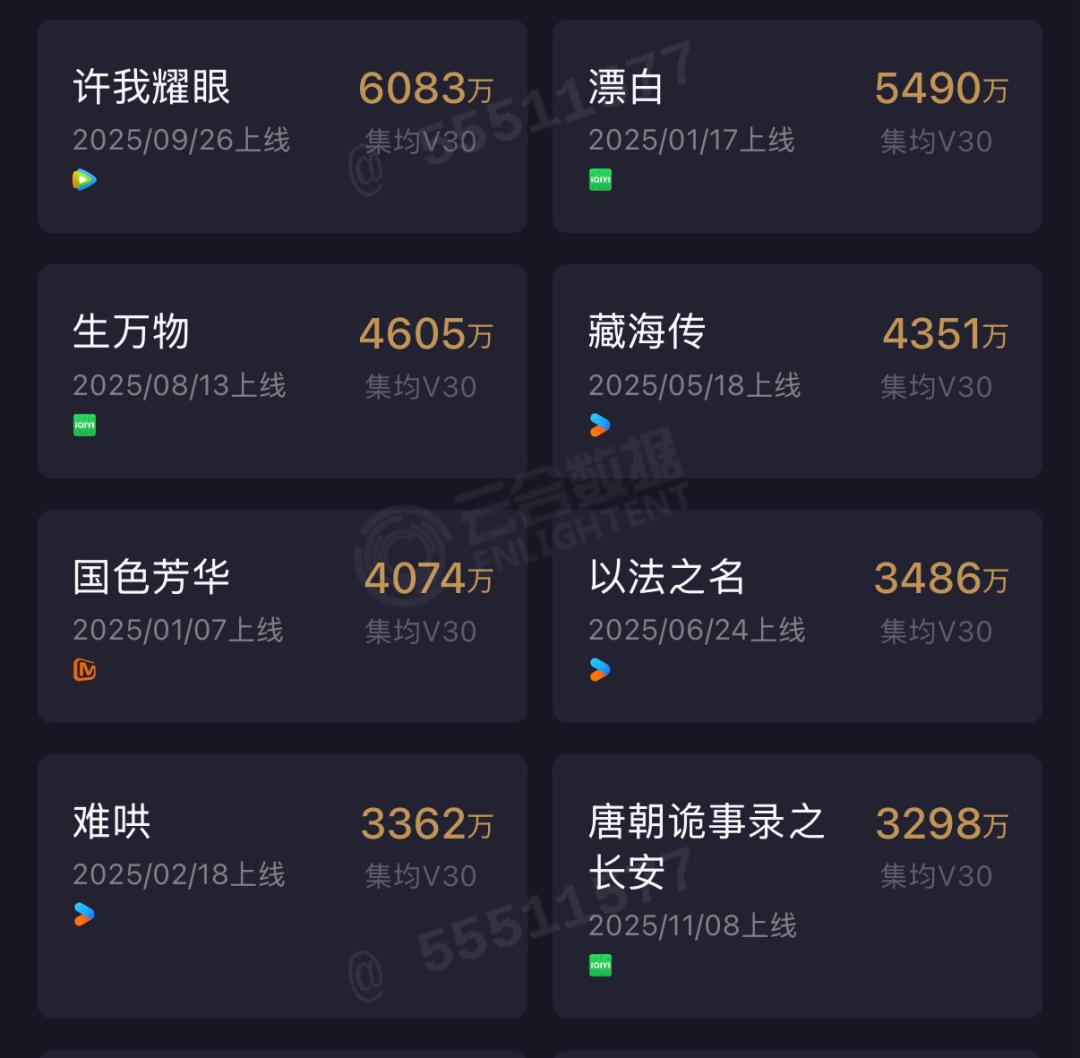
Core Insights - The long drama market is expected to face a "bleak" end in 2025, with significant changes in industry dynamics anticipated due to a challenging environment [1] Group 1: Industry Trends - The traditional "Big Six" production companies are experiencing a decline in both output and market share, with Huace Film and TV significantly reducing its new releases from seven to three this year [2] - New releases from New Classics Media have also decreased, with only one major drama expected in 2025 compared to multiple successful titles last year [3] - The overall production capacity of companies like Noon Sunshine and Ningmeng Media has remained stable, but their new releases have not matched the success of previous years [5] Group 2: Emerging Players - New players in the industry are fiercely competing, with companies like Changxin Media and Jiaxing Media gaining attention through successful new releases [14][16] - Quantum Pan Entertainment and Chunyu Media's collaboration on "Cang Hai Chuan" has emerged as a leading title in the male-oriented drama category, showcasing the potential of new entrants [21] - Other emerging companies like Xixi Film and Xinglian Film have also produced new works, indicating a slight recovery in their performance compared to last year [23] Group 3: Performance Metrics - The performance of dramas has varied significantly, with some productions achieving high ratings while others struggle to gain traction, reflecting the competitive nature of the market [9][11] - The drama "Xu Wo Yao Yan" from Jinhe Media has achieved notable success, marking a significant comeback for the company after a period of fewer hits [18] - The overall sentiment in the industry suggests that even successful productions are facing challenges in achieving blockbuster status, indicating a tough market environment [30]

“宝宝仙侠”泛滥,是观众变“幼”了吗?
3 6 Ke· 2025-10-23 23:35
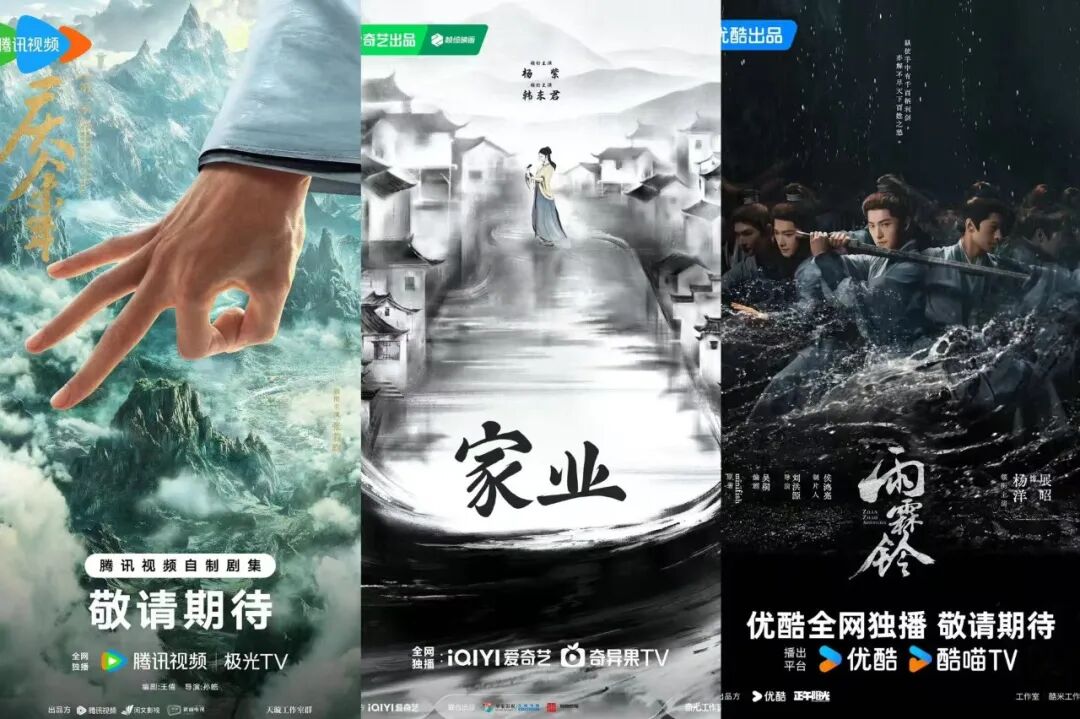
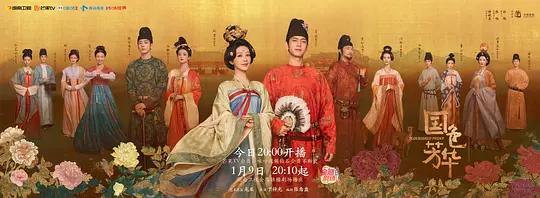
Core Viewpoint - The article critiques the recent trend in ancient costume dramas, particularly highlighting "Into the Cloud," which has been labeled as "baby xianxia" due to its simplistic and juvenile storytelling, diverging from the traditional depth of the genre [1][10][28] Group 1: Quality of Content - "Into the Cloud" has been criticized for lacking emotional depth and quality, with viewers describing it as feeling empty despite good visuals and attractive leads [1][3][6] - The narrative structure of "Into the Cloud" is overly simplistic, with character abilities being ignored and plot developments lacking tension [6][10][21] - The trend of "low-age" content is not isolated to one show but reflects a broader issue in the ancient costume drama market, where many productions have simplified their storytelling to appeal to younger audiences [2][10][16] Group 2: Audience Expectations - There is a growing disconnect between the content being produced and the expectations of the audience, who are seeking more substantial narratives rather than superficial romantic plots [19][22][27] - Data indicates that while the number of ancient costume dramas has increased, only a few have achieved significant popularity, suggesting that the issue lies in content quality rather than audience preferences [19][22] Group 3: Industry Trends - The industry is criticized for its reliance on safe formulas, leading to a proliferation of similar, low-quality productions that prioritize romance over complex storytelling [21][22] - There is a call for creators to move beyond the "sweet romance" formula and to explore deeper themes such as power dynamics, personal growth, and societal issues, which could revitalize the genre [21][27][28] - Successful examples like "Folded Waist" demonstrate that mature storytelling can still attract audiences, indicating a potential market for high-quality ancient costume dramas [23][26][27]
“爱女”已经成为最大的创作陷阱
3 6 Ke· 2025-10-17 03:02
Core Insights - The current state of Chinese drama creation is caught between the "loving female" and "abusive female" narratives, leading to a lack of engaging content [1][3] - The success of the drama "灼灼韶华" highlights a return to melodramatic storytelling, contrasting with the more nuanced narratives that audiences desire [3][4] - The rise of "loving female" narratives in internet literature reflects a shift in creative standards, but often results in superficial storytelling that fails to resonate deeply with viewers [4][8] Group 1: Trends in Chinese Drama - The "loving female" narrative has become a standard in recent productions, but often lacks the complexity and conflict that audiences seek [4][5] - The success of "灼灼韶华" indicates a nostalgic return to traditional melodrama, which may not be a sustainable model for future productions [3][4] - The dichotomy between "loving female" and "abusive female" narratives has led to confusion and inconsistency in audience expectations and content creation [5][6] Group 2: Internet Literature Influence - Internet literature has given rise to a new standard of "loving female" narratives, with notable works that explore female empowerment and complex character development [8][10] - Short-form literature platforms have become effective venues for expressing "loving female" themes, often prioritizing emotional impact over narrative depth [10][13] - The popularity of "loving female" narratives in internet literature contrasts with the challenges faced in adapting these themes into television dramas, leading to a disconnect between audience expectations and actual content [13][14] Group 3: Historical Context and Evolution - Historical figures like 琼瑶 have set precedents for "loving female" narratives that respect and portray female complexity, contrasting with contemporary trends that often simplify characters [15][16] - The evolution of "loving female" narratives reflects broader societal changes and the increasing visibility of female voices in storytelling [19] - The call for more nuanced and respectful portrayals of female characters indicates a growing audience demand for depth and authenticity in storytelling [19]
“轻喜”万金油,开始被嫌弃
Hu Xiu· 2025-09-23 02:38
Core Viewpoint - The controversy surrounding the drama "赴山海" (Journey to the Sea) is primarily due to the incorporation of "light comedy" elements, which are seen as incompatible with the original narrative style, leading to a negative overall viewing experience [2][3][5]. Group 1: Impact of Light Comedy - The introduction of light comedy in "赴山海" has been criticized for disrupting the original narrative rhythm and style, which is rooted in themes of chivalry and national duty during the Southern Song Dynasty [3][4]. - The light comedic elements have not enhanced the drama but rather diluted its martial arts essence, resulting in viewer backlash against the creative team's approach [5][6]. - The trend of light comedy in historical dramas has been prevalent since the success of "庆余年" (Joy of Life), which effectively blended modern humor with a historical setting [7][8]. Group 2: Market Trends and Audience Demand - The success of "庆余年" sparked a wave of light comedy adaptations in the drama market, with subsequent series like "赘婿" (The Son-in-Law) continuing this trend [9][10]. - Light comedy has become a ubiquitous element in various genres, appealing to a broad audience due to its accessibility and ability to provide entertainment amidst real-life pressures [12]. - However, the indiscriminate application of light comedy across all genres has raised concerns about its suitability and effectiveness, as not all narratives can accommodate such elements without losing their core essence [14][20]. Group 3: Creative Challenges - Successful integration of light comedy requires careful consideration of narrative pacing, thematic consistency, and character logic, which is often overlooked in recent adaptations [18][20]. - The failure to appropriately blend light comedic elements with the original story can lead to a loss of emotional depth and viewer engagement, as seen in "赴山海" and "折腰" (Bending Waist) [15][17]. - Even previously successful light comedies like "庆余年" faced criticism in their sequels for excessive comedic content that did not align with the overall narrative tone [19].
新政松绑?111部积压剧迎来春天——203亿投资全盘点
3 6 Ke· 2025-08-20 00:50
Core Viewpoint - The recent policy from the National Radio and Television Administration aims to enhance the supply of quality television content, particularly benefiting the drama industry by encouraging creativity and market-driven production [1][6]. Group 1: Impact on the Industry - The new measures are seen as a significant boost for the drama industry, with expectations that long-pending dramas may finally get aired [1][3]. - Companies like Baida Qiancheng, Huace Film & TV, Mango Excellent Media, and others experienced stock price surges due to the news, as they hold a substantial number of backlog dramas [1][3]. - In 2025, 71 backlog dramas are scheduled to be released, a decrease of 36 from the previous year, indicating a trend towards addressing the backlog despite overall declining numbers [3]. Group 2: Financial Implications - There are 111 dramas from 2015 to 2022 that remain unaired, with 36 of them having a combined production cost of approximately 9.071 billion, indicating significant sunk costs in the industry [3][6]. - The total estimated sunk cost for backlog dramas could reach between 16.571 billion to 20.321 billion, highlighting the financial stakes involved [3][6]. Group 3: Challenges and Opportunities - A significant portion of backlog dramas (24%) is delayed due to controversies surrounding key actors, which has led to financial losses for production companies [7][8]. - The industry is exploring various methods to revitalize backlog dramas, including the use of AI technology for actor replacement and selling to secondary platforms [25][31]. - The trend of backlog dramas being sold at low prices (2-5 million per episode) reflects the financial strain on production companies, with many opting for revenue-sharing models to recoup costs [6][29]. Group 4: Market Dynamics - The market has seen a structural transformation, with a previous surge in production leading to an oversupply of content that is now being addressed through policy changes [15][18]. - The shift towards direct collaboration between platforms and production companies is reducing the role of intermediaries, which may impact the profitability of backlog dramas [32].
新政松绑?111部积压剧迎来春天丨203亿投资全盘点
Sou Hu Cai Jing· 2025-08-19 14:52
Core Viewpoint - The recent policy from the National Radio and Television Administration aims to enhance the supply of quality television content, particularly benefiting the drama industry by encouraging creativity and market-driven production [1][6]. Group 1: Impact on the Industry - The new measures are seen as a significant boost for the drama industry, with expectations that long-pending dramas may finally get aired, leading to increased market activity [1][6]. - Companies such as Baida Qiancheng, Huace Film & TV, Mango Excellent Media, and others have seen their stock prices surge following the announcement, indicating positive market sentiment [1][6]. - Data shows that 111 dramas completed between 2015 and 2022 remain unaired, with an estimated sunk cost of approximately 90.71 billion yuan for 36 of these dramas [3][6]. Group 2: Financial Implications - The total estimated sunk cost for the backlog of dramas could range from 165.71 billion to 203.21 billion yuan, representing a significant financial burden on the industry [3][6]. - The industry has experienced a decline in the number of backlog dramas, with 71 dramas scheduled for release in the first half of 2025, down by 36 from the previous year [3][6]. - The financial strain is exacerbated by the fact that many dramas are now being sold at a fraction of their production costs, with some being forced into revenue-sharing models due to low acquisition prices [6][29]. Group 3: Challenges and Opportunities - A significant portion of the backlog is attributed to controversies surrounding lead actors, with 28 dramas affected by public relations issues, highlighting the industry's vulnerability to external factors [7][8]. - The industry is exploring various methods to revitalize these backlog dramas, including the use of AI technology for character replacement and selling to secondary platforms [24][31]. - The policy changes may provide a pathway for airing quality backlog dramas, potentially transforming sunk costs into active market capital [6][34].