
与众08

Search documents
小米、比亚迪、文远知行发布2025年财报!小鹏汽车改名小鹏集团!零跑A10、莲花FOR ME、铂智7上市!与众08、问界M6开启预售!丨一周大事件
电动车公社· 2026-03-29 16:06
New Car Launches - Toyota's Platinum 7 launched with a price range of 169,800 to 229,800 yuan [2] - Lotus FOR ME launched with a price range of 508,000 to 558,000 yuan [12] - Xiaopeng P7 Max version launched with a price range of 203,800 to 301,800 yuan [4] - Leap A10 launched with a price range of 65,800 to 86,800 yuan [5] - BYD Song Ultra EV launched with a price range of 151,900 to 179,900 yuan [36] - New Tengshi D9 pre-sale started with a price range of 389,800 to 489,800 yuan [7] - Aito M6 pre-sale started with a price range of 269,800 to 309,800 yuan [9] - Zhiji LS8 pre-sale started with a price range of 259,800 to 309,800 yuan [10] - With You 08 pre-sale started with a price range of 239,900 to 299,900 yuan [12] - FAW Audi A6L e-tron pre-sale started with a price range of 313,000 to 443,000 yuan [12] - Chery Wind Cloud T9L pre-sale started with a price range of 139,900 to 169,900 yuan [13] Company Developments - Xiaomi's automotive business revenue exceeded 100 billion yuan for the first time [102] - FREELANDER brand officially announced by Chery and Jaguar Land Rover [105] - WeRide projected revenue of 690 million yuan for 2025, a 123% year-on-year increase [108] - Xiaopeng Motors rebranded as Xiaopeng Group [111] - Changan Automobile's Brazil factory officially commenced production [114] - BYD reported 2025 revenue of 804 billion yuan, a 3.46% year-on-year increase [117]





全球大公司要闻 | 美团去年净亏损234亿元,道达尔能源中东撤员
Wind万得· 2026-03-27 01:21
Group 1 - Ping An Insurance is projected to achieve a net profit of 143.77 billion yuan in 2025, representing a year-on-year growth of 22.5%. The operating profit attributable to shareholders is expected to be 134.42 billion yuan, with a growth of 10.3%. The total revenue is forecasted to be 1,140.32 billion yuan, remaining stable. A cash dividend of 1.75 yuan per share is proposed for the end of 2025, with an annual cash dividend of 2.7 yuan per share, marking a 5.9% increase. The total cash dividend amounts to 48.89 billion yuan, with a cash dividend payout ratio based on operating profit of 36.4% [2] - Meituan's revenue for 2025 is expected to reach 364.9 billion yuan, reflecting an 8.1% year-on-year increase. However, it is projected to incur a loss of 23.4 billion yuan, compared to a profit of 35.8 billion yuan in the same period of 2024. The adjusted net loss for the fourth quarter is anticipated to be 15.08 billion yuan, while the adjusted net profit for the same quarter in 2024 was 9.85 billion yuan [2] Group 2 - China Mobile's operating revenue for 2025 is projected to be 1,050.2 billion yuan, with a year-on-year growth of 0.9%. The profit attributable to shareholders is expected to be 137.1 billion yuan, a decrease of 0.9%. The board recommends a final cash dividend of 2.52 HKD per share for the year ending December 31, 2025 [5] - SMIC is expected to achieve a sales revenue of 9.327 billion USD in 2025, representing a year-on-year growth of 16.2%. The capacity utilization rate is projected to increase to 93.5%, an 8 percentage point increase year-on-year. Despite significant depreciation, the gross margin is expected to rise to 21%, a 3 percentage point increase year-on-year. The profit attributable to shareholders is forecasted to be 685 million USD, a 39% increase year-on-year, with basic earnings per share of 0.09 USD. R&D investment is expected to be 774 million USD, accounting for 8.3% of sales revenue [5] - CITIC Securities anticipates a net profit growth of 38.58% in 2025, with a proposed cash dividend of 4.1 yuan per 10 shares. The operating revenue is projected to be 74.85 billion yuan, reflecting a year-on-year growth of 28.79%, with a net profit of 30.08 billion yuan. The company plans to distribute a total cash dividend of 7 yuan per 10 shares [6] - CNOOC's operating revenue for 2025 is expected to be 398.22 billion yuan, a decrease of 5.3%. The net profit attributable to shareholders is projected to be 122.08 billion yuan, down 11.5%. The board has proposed a final cash dividend of 0.55 HKD per share [6] - TSMC is in discussions with SK Hynix regarding the adoption of its 3nm process for manufacturing HBM4E logic chips to narrow the performance gap with Samsung [6] Group 3 - Apple has terminated the production of the Mac Pro desktop and has no plans for new models. The company is offering substantial bonuses to its iPhone hardware design team to counter AI talent poaching and plans to open Siri to external AI assistants, with adjustments expected to coincide with the release of iOS 27 in June [8] - Nvidia is facing a class-action lawsuit for allegedly concealing over 1 billion USD in GPU revenue related to cryptocurrency mining. The AI startup Reflection, supported by Nvidia, is negotiating a 2.5 billion USD financing round, with a valuation potentially reaching 25 billion USD [8] - Meta has significantly increased its investment in a data center in El Paso, Texas, from 1.5 billion USD to 10 billion USD, focusing on AI computing support. The company has also faced two legal defeats and has laid off hundreds of employees within a week [8] - Tesla has released a delivery forecast of 365,600 vehicles for Q1 2026, with institutions lowering the annual delivery expectation to 1.689 million vehicles from a previous 1.75 million. The company is promoting a 500kW V4 supercharger and a foldable prefabricated station to optimize charging efficiency [9] - Amazon's head of AI chip products has left the company, and it is testing a "Spring Sale" that allows external websites to offer Prime delivery without requiring Amazon login, in collaboration with FedEx to expand its return network [9]
罗技中国就发布鼠标广告侮辱消费者致歉;林俊旸离职后首发长文;月之暗面考虑赴港IPO;拼多多成立新公司“新拼姆”丨邦早报
创业邦· 2026-03-27 00:15
Group 1 - The company "月之暗面" is considering an IPO in Hong Kong and has engaged with China International Capital Corporation and Goldman Sachs for potential listing discussions, with a valuation of approximately $18 billion after a new funding round of up to $1 billion [3] - Pinduoduo has established a new company called "新拼姆" with an initial cash injection of 15 billion yuan, aiming to invest a total of 100 billion yuan over three years to enhance its self-operated brand model and integrate supply chain resources [5] - Lin Junyang, former head of Alibaba's Qianwen technology, published an article discussing the evolution from reasoning to agentic thinking in AI, emphasizing the need for a unified system that combines thinking and instruction modes [6] Group 2 - Xiaomi's automotive division reached a settlement with 山东燕鲁新能源车业有限公司 regarding a patent dispute, marking the first public patent controversy since its market entry [7] - Skoda will continue sales in China until mid-2026, after which it will focus on high-growth markets like India and ASEAN, while still providing after-sales support to existing customers [7] - Xiaomi has officially ceased updates for MIUI, transitioning to the new HyperOS, with only two overseas devices continuing to receive support until 2026 [7] Group 3 - Meta announced a new initiative to support small businesses and promote AI applications, led by its president and product head, with a focus on enhancing business growth through its platform [16] - Liu Qiangdong's company is investing 15 billion yuan in a yacht manufacturing base in Dalian, aiming to develop high-end yacht production and services [16] - Evergrande New Energy Vehicle Investment Holding Group has been subjected to a bankruptcy review initiated by a bank, indicating ongoing financial distress [18][19] Group 4 - Meituan reported a total revenue of 364.9 billion yuan for 2025, with a net loss of 23.4 billion yuan, primarily due to intense competition in the instant retail sector [22] - Apple is planning to open Siri to external AI assistants, enhancing its position as an AI platform, with updates expected in the upcoming iOS 27 [25] - Google has launched a new AI model, Lyria 3 Pro, designed for music creation, allowing users to compose longer and more structured audio pieces [29]




今日新闻丨零跑A10、宋Ultra EV上市!智己LS8、与众08、一汽奥迪A6L e-tron、风云T9L开启预售!文远知行2025年营收6.9亿元!
电动车公社· 2026-03-26 19:27
Core Viewpoint - The article discusses the recent launches and pre-sales of several electric vehicles (EVs) in the Chinese market, highlighting their pricing, specifications, and features, indicating a competitive landscape in the EV sector. Group 1: New Vehicle Launches - Leapmotor A10 was launched with a price range of 65,800 to 86,800 yuan, featuring a youthful design and compact SUV dimensions of 4270/1810/1635mm [1][3] - BYD Song Ultra EV was launched with a price range of 151,900 to 179,900 yuan, offering advanced features such as a dual-zone climate control and a second-generation blade battery [4][11] - IM LS8 began pre-sales with a price range of 259,800 to 309,800 yuan, showcasing a spacious interior and high-tech features like a Thor chip and laser radar [19][21] - With U 08 started pre-sales at a price range of 239,900 to 299,900 yuan, it features a design inspired by previous concept models and advanced driver assistance systems [4][29] - Audi A6L e-tron commenced pre-sales with a price range of 313,000 to 443,000 yuan, maintaining Audi's design language while integrating new technologies [34][37] - Chery Fengyun T9L began pre-sales at a price range of 139,900 to 169,900 yuan, emphasizing high value for money in the competitive SUV market [44][51] Group 2: Vehicle Specifications and Features - Leapmotor A10 features a dual-motor setup with 70/90kW motors and a range of 403/505 km, with acceleration times of 12.2/10.6 seconds [8][10] - BYD Song Ultra EV offers a dual-motor configuration with 240/270kW motors and a range of 605/710 km, achieving acceleration in 6.8/7.2 seconds [16][18] - IM LS8 is equipped with a 114kW 1.5T range extender and offers a range of 355/430 km, with fuel consumption rates of 5.9/6.2L/100km [25] - With U 08 features a dual-motor option with 230kW or 340kW motors, providing a range of 630/700/730 km and acceleration as fast as 4.9 seconds [33] - Audi A6L e-tron includes multiple motor options ranging from 215 to 405kW, with a range of 720 to 815 km and acceleration times between 4.5 to 5.9 seconds [41] - Chery Fengyun T9L features a combination of a 1.5L engine and electric motors, with a range of 135/230 km [49] Group 3: Market Trends and Company Performance - Leapmotor aims to enhance its market presence with the A10, which offers competitive pricing and advanced features like laser radar and full-scene driving assistance [10] - BYD continues to innovate with its second-generation blade battery technology, enhancing charging speed and performance across its models [18] - IM LS8 has received positive market feedback, with over 10,000 orders within 45 minutes of pre-sale, indicating strong consumer interest [27] - With U 08 represents a collaboration between Volkswagen and local partner Xpeng, showcasing traditional brand recognition of local EV technology [35] - Audi's A6L e-tron reflects the brand's adaptation to the EV market, integrating advanced technologies to meet local consumer demands [43] - WeRide, a player in the autonomous driving sector, projects a revenue of 690 million yuan for 2025, marking a 90% year-on-year growth [52][55]


美国关税砸遍的废墟上,站着中国车企
虎嗅APP· 2026-03-21 02:48
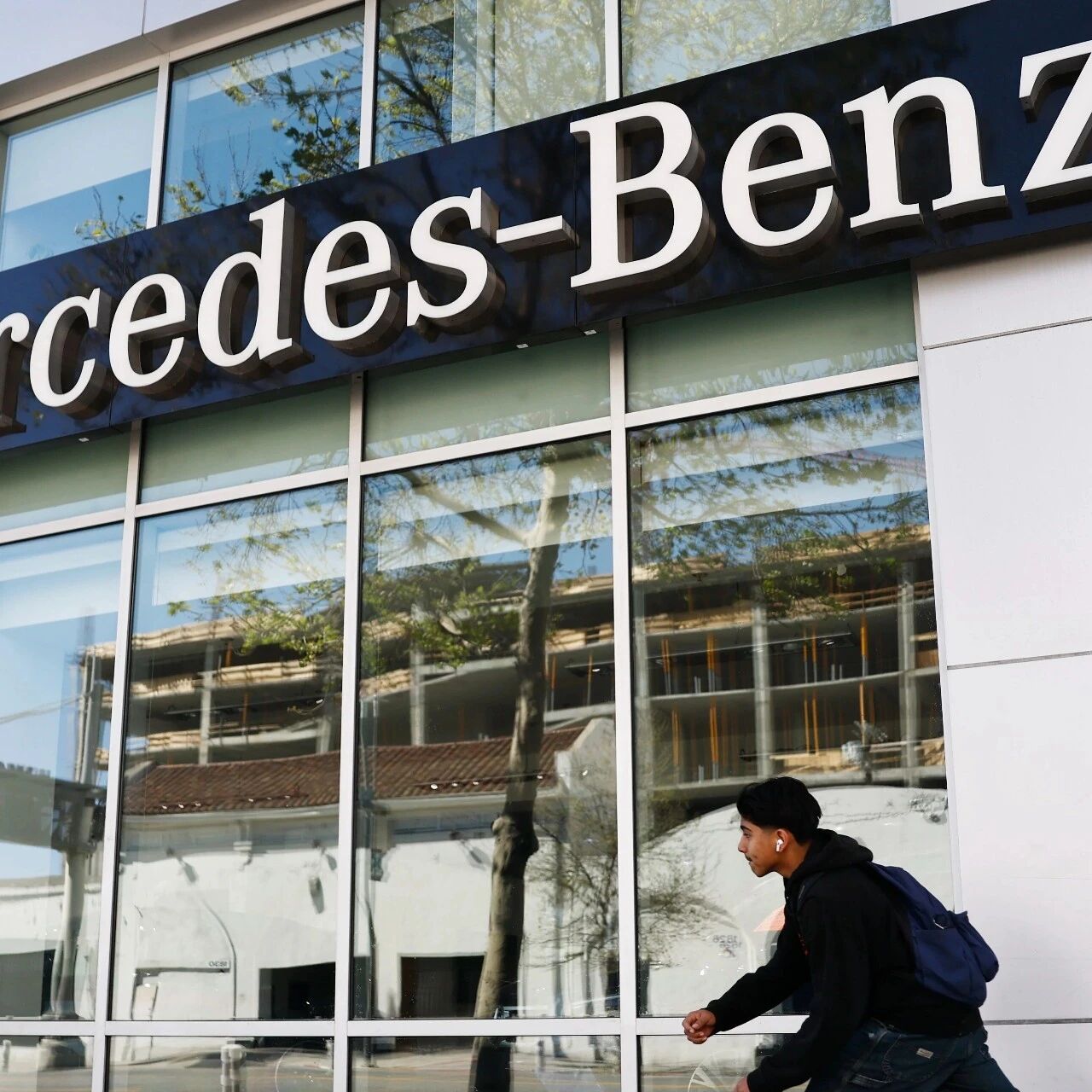
Core Viewpoint - The article discusses the evolving dynamics in the global automotive industry, particularly how Chinese automakers are adapting to new trade realities and exploring collaborative models to enhance their international presence [3][21]. Group 1: Trade Dynamics and Challenges - The imposition of tariffs by the U.S. has significantly impacted the profitability of foreign manufacturing plants, such as Mercedes-Benz's East London factory in South Africa, which has faced existential threats due to increased tariffs on imports [5][6]. - South Africa's automotive production has declined sharply, with only 560,000 vehicles produced last year, a nearly 40% drop from peak levels, leading to a reliance on imports from countries like China and India [6][10]. - The South African government has raised tariffs on imported vehicles from China and India, with rates increasing from 25% to 50%, further complicating the local automotive market [6]. Group 2: Strategic Shifts in Automotive Manufacturing - Mercedes-Benz's East London factory has been upgraded with a €600 million investment, positioning it as a potential hub for multiple brands and battery recycling, reflecting a shift towards flexible manufacturing [7][8]. - Chinese automakers, such as Great Wall Motors, are transitioning from merely exporting products to integrating global production capabilities, seeking optimal solutions for cost and capacity [10][21]. - The article highlights the trend of Chinese companies exploring partnerships with traditional automakers to utilize idle production capacities, as seen in collaborations between Jaguar Land Rover and Chery, and between Geely and Renault in Brazil [13][17]. Group 3: Technological Collaboration and Innovation - The collaboration between Volkswagen and Xpeng to develop new electric vehicles signifies a shift towards technology sharing and innovation, with a focus on integrating advanced engineering from both parties [14]. - The partnership between Leap Motor and Stellantis aims to leverage Leap Motor's electric vehicle technology for use in Stellantis's European brands, marking a significant step in cross-border technological collaboration [17]. - The article emphasizes that the concept of "Manufacturing as a Service" is becoming a reality in the automotive sector, similar to trends seen in the electronics industry, where brand identity is less tied to manufacturing capabilities [18][21].

【快讯】每日快讯(2026年3月18日)
乘联分会· 2026-03-18 08:36
Domestic News - In the first two months of this year, Shanghai's electric vehicle export value increased by 112.6% year-on-year, contributing 5.9 percentage points to the overall export growth of the city [3] - The Ministry of Finance reported that in 2025, the sales of products related to the consumption upgrade program exceeded 2.6 trillion yuan, benefiting over 360 million people [4] - The total electricity consumption in China for January and February reached 16,546 billion kilowatt-hours, a year-on-year increase of 6.1% [5] - Li Auto launched the MindVLA-o1 autonomous driving foundational model, which enhances spatial understanding and decision-making capabilities [6][7] - Volkswagen and Xpeng announced that their jointly developed electric vehicle will be launched in the first half of this year [8] - Huawei and GAC Group announced a collaboration to create the Qijing brand, focusing on integrated smart mobility solutions [9] - Dongfeng's Tai Chi model has received national approval, marking a significant step in AI technology application [10] - Cao Cao Mobility has launched 3,600 virtual pick-up and drop-off points for its Robotaxi service in Hangzhou [11] International News - Tesla signed a $4.3 billion battery supply agreement with LG Energy to build a lithium iron phosphate battery manufacturing plant in Michigan [12] - In Canada, the market share of zero-emission vehicles dropped to 7.7% in January, with sales declining nearly 40% year-on-year [12] - Applied Intuition partnered with NVIDIA to accelerate the development of L2+ level driving assistance systems for global automakers [13] - Nissan announced plans to import the Murano SUV produced in the U.S. back to Japan starting in early 2027 [14] Commercial Vehicles - The focus on fuel cell vehicles aims to promote large-scale applications in medium and heavy-duty transportation and cold chain logistics [15] - Beijing is working to reduce logistics costs by making energy logistics delivery vehicle permits universally applicable within the city [16] - Beiqi Foton has achieved a breakthrough in semi-solid-state battery production, with a capacity of 60,000 units per year [17] - Dongfeng has completed the integration of its VAN series brand, aiming to establish a new brand identity [18]



阿里建立AI新组织,CEO亲自挂帅,悟空事业部首次公开;山姆紧急下架!网红产品被曝重金属超标;首发价1499元!追觅发布AI戒指Glow
雷峰网· 2026-03-17 04:15
Group 1 - Alibaba has announced the establishment of the Alibaba Token Hub (ATH) business group, directly overseen by CEO Wu Yongming, which includes several divisions focused on AI applications and services [4][5] - The ATH group's core objective is to create, deliver, and apply tokens, marking Alibaba as the first tech giant to structure itself around "tokens" [4] - The newly introduced "Wukong Division" aims to integrate large model capabilities into enterprise workflows, signaling a significant move towards monetizing AI in the B2B sector [5] Group 2 - Sam's Club has urgently removed a popular product, "Botherless Organic Freeze-Dried Strawberries," after reports of heavy metal contamination and pesticide residues [7] - The product was linked to a supplier that had previously faced similar complaints, prompting immediate action from Sam's Club [7] - A public letter from Yonghui Supermarket criticized Sam's Club for unfair competition and emphasized the importance of quality in the industry [8] Group 3 - Vivo and iQOO have announced price increases for some products due to rising semiconductor and storage costs, with the adjustments taking effect on March 18, 2026 [14][15] - The price hikes are a response to significant increases in component costs, with some retailers advising consumers to purchase before the price changes [15] Group 4 - The AI ring "Glow" by ChaseMe Technology has been launched, featuring advanced health monitoring capabilities, including AI-based ECG and heart rate analysis [17][18] - The product is priced at 1,799 yuan, with a promotional launch price of 1,499 yuan, aiming to make professional health management accessible to a broader audience [18] Group 5 - ASML, a leading lithography equipment manufacturer, has confirmed a significant layoff of over 1,700 employees despite reporting record annual revenues of 32.7 billion euros [42] - The layoffs, which represent about 4% of the workforce, have sparked strong employee resistance, raising concerns about job security amid a profitable year [42] Group 6 - Ford's CEO Jim Farley tested several Chinese pickup trucks and acknowledged their competitiveness, although he noted limitations in their load and towing capacities [44][45] - Farley expressed confusion over the profitability of certain models after analyzing their technology and cost structures [45] Group 7 - Nvidia's CEO Jensen Huang projected that AI chips could generate $1 trillion in revenue by 2027, significantly increasing the company's sales expectations [47] - The announcement included the introduction of new hardware, including the Vera CPU, designed specifically for AI applications [47] Group 8 - OpenAI is reportedly in talks with several private equity firms to establish a joint venture, with a pre-money valuation of approximately $10 billion [48] - This move aims to accelerate OpenAI's penetration into the enterprise market while providing support to companies affected by AI advancements [48] Group 9 - Samsung has indicated that the current memory chip shortage may persist until around 2028, driven by structural demand from AI technologies [52][53] - The company is prioritizing high-end products like HBM and advanced DRAM to meet the growing needs of AI servers, which require significantly more memory than standard servers [53]

今日新闻丨大众与小鹏首款合作车型开始投产!宝马宣布暂时放弃L3自动驾驶研发!
电动车公社· 2026-03-14 18:10
Core Viewpoint - BMW has temporarily deprioritized the development of L3 autonomous driving technology due to challenges in commercial profitability, impacting the availability of this feature in their recently launched 7 Series model [3][6]. Group 1: BMW's Autonomous Driving Strategy - BMW announced at the 2026 financial report that it has lowered the priority of L3 autonomous driving development due to difficulties in achieving commercial profitability [3]. - The decision has led to the cancellation of the L3 autonomous driving option for the newly launched 7 Series, which was released in April [3]. - The company remains open to future opportunities in high-level autonomous driving technology and does not rule out the possibility of resuming development [3][6]. - The limited user interest in L3 features and the inability to recover production costs have contributed to this decision, highlighting the current inadequacies of L3 technology compared to L2 [6]. Group 2: Volkswagen and XPeng Collaboration - Volkswagen's first fully connected electric SUV, the "Zhong 08," has officially entered production at Volkswagen's Anhui factory [7]. - This model represents a significant step in Volkswagen's "In China, for China" strategy, developed in collaboration with local partner XPeng Motors, taking only 24 months from partnership signing to production [10]. - The collaboration indicates traditional brands' adherence to established R&D processes while also showcasing their recognition of the technological capabilities of Chinese electric vehicle companies [10].

雷军:新一代小米SU7将于本月发布;中国首个辅助驾驶系统出海,最快今年6月出现在欧洲街头丨汽车交通日报
创业邦· 2026-03-13 10:49
Group 1 - Stellantis Group denies rumors of a potential split and asserts that such claims are baseless and fabricated, emphasizing that there are no plans to sell the Maserati brand [2] - Stellantis is reportedly in discussions with Chinese companies, including Xiaomi and XPeng, regarding potential collaborations to inject capital into its European operations [2] - Xiaomi's new generation SU7 is set to be officially released this month, with significant improvements in safety, driving control, smart experience, and luxury feel after over two years of development [2] Group 2 - Tencent's ride-hailing service has integrated with two Guangzhou-based autonomous driving companies, allowing users to call autonomous vehicles through its mini-program, with plans to launch on Tencent Maps [2] - Geely's intelligent advanced driver assistance system, G-ASD, has received UN R171 international certification, making it the first high-level assistance system from China to go abroad, with the first certified model expected to hit European roads by June [2] - Volkswagen has announced that its first jointly developed model with XPeng, the Weizhong 08, has officially entered mass production, as part of a strategy to launch over 20 new models in China this year [3]



那个帮小鹏敲钟的人,回去给大众“续命”了
虎嗅APP· 2026-03-11 09:55
Core Insights - Volkswagen Group reported mixed results for the fiscal year 2025, with global sales revenue at €321.9 billion, remaining stable year-on-year, but operating profit plummeting to €8.87 billion, a 53.5% decline [2] - The appointment of local executives Li Pengcheng as CMO and Liu Zhanshu as COO indicates a strategic shift towards local decision-making in response to declining profits and sales in China [3][4] Financial Performance - Global sales revenue for Volkswagen Group was €321.9 billion, showing no significant change from the previous year [2] - Operating profit fell to €8.87 billion, a decrease of 53.5% year-on-year, attributed to U.S. tariffs, Porsche's strategic adjustments, and currency fluctuations [2] Market Dynamics - Despite the global profit decline, the Chinese market remains a crucial pillar for Volkswagen, with projected deliveries of approximately 2.7 million vehicles in 2025, maintaining its position as the top foreign carmaker in China [3] - However, sales in China have decreased by 6% year-on-year, and the performance of electric models has not met expectations [3] Management Changes - The leadership changes at Volkswagen Anhui, with both Li Pengcheng and Liu Zhanshu being local executives, signify a move towards empowering local management to better understand and respond to the Chinese market [4][19] - Li Pengcheng's background in both traditional automotive and new energy sectors positions him as a key figure in bridging the gap between German engineering and Chinese consumer preferences [11][15] Product Strategy - Volkswagen plans to launch over 20 new energy models in China by 2026, with a focus on local development and faster decision-making processes [4][22] - The upcoming models include the "Yuzhong 08," a B-class intelligent SUV, and the upgraded "Yuzhong 06," indicating a shift towards more competitive offerings in the electric vehicle market [23][30] Challenges Ahead - Volkswagen Anhui faces significant challenges, including brand positioning and market penetration, as it aims to expand its sales network from 120 to 200 outlets by 2026 [25][30] - The success of the "Gold Standard Volkswagen" brand hinges on effective differentiation from competitors and establishing a clear identity in the crowded EV market [30][32]
