充电网络

Search documents
特斯拉2026年资本支出将超过200亿美元,副总裁陶琳公布六大投资方向
Xin Lang Ke Ji· 2026-02-06 15:47
Core Insights - Tesla's Vice President Tao Lin outlined the company's strategic planning and business layout for 2026, highlighting a capital expenditure exceeding $20 billion [1]. Group 1: Capital Expenditure Allocation - The capital expenditure will focus on six main areas: 1. Advancement of Cybercab mass production, with core production line construction in the U.S. nearly completed and continued investment into 2026 to ensure successful scale production [1]. 2. Construction of AI computing centers, which is the most critical investment direction, with over $10 billion already invested in the Texas training center, and significant additional investment planned for 2026 to support all AI-related applications [1]. 3. Upgrading and transforming the robotics factory, with ongoing upgrades to the Model S/X production line and plans for larger-scale transformation to achieve mass production capability for the Optimus robot by the end of 2026 [1]. 4. Expansion of energy storage business, with increased manufacturing investment to enhance overall capacity and delivery capabilities to meet the rapidly growing global energy demand [1]. 5. Upgrading the global manufacturing system to improve hardware automation and software capabilities, making the entire manufacturing system more efficient and scalable [2]. 6. Continuous construction and opening of the charging network, with plans to expand coverage and gradually open it to more automotive companies [2].

让有路的地方就有高质量充电|华为发布2026充电网络产业十大趋势
Zhong Guo Neng Yuan Wang· 2026-01-19 09:17
Core Viewpoint - Huawei emphasizes the ongoing evolution of the charging network industry, highlighting its potential for high-quality development and the transformative impact of electric logistics on energy and transportation [1]. Group 1: Industry Trends - Trend 1: High-Quality Development - The shift from passenger to commercial vehicles necessitates high-quality charging solutions, leading to the large-scale upgrade of outdated charging equipment to meet diverse energy needs [3]. - Trend 2: Comprehensive Supercharging - The market share of supercharging vehicles is expected to rise significantly, driven by the widespread adoption of third-generation semiconductor materials and high-capacity power batteries [5][6]. - Trend 3: Logistics Megawattization - The transition from diesel to electric in heavy-duty trucks is anticipated to create a commercial ecosystem, with declining battery costs and advancements in megawatt charging technology driving this trend [8]. - Trend 4: Station Megawattization - High-capacity stations (hundred-megawatt level) will become standard in all-electric logistics, benefiting from regional clustering effects due to technological barriers and scale advantages [9]. Group 2: Safety and Technology - Trend 5: Safety and Trustworthiness - The increased charging power for commercial vehicles necessitates a focus on safety, integrating robust electrical safety measures and cybersecurity protocols [11]. - Trend 6: Liquid Cooling for Supercharging - The adoption of liquid cooling technology is essential for efficient heat dissipation in challenging charging environments, transitioning from traditional air cooling to integrated vehicle and charging station cooling solutions [12]. - Trend 7: Direct Current Storage and Charging - Direct current storage and charging can effectively enhance power capacity, facilitating the rapid and cost-effective establishment of supercharging stations [14]. Group 3: Infrastructure and Innovation - Trend 8: Modular Station Construction - Modular solutions for station construction will streamline engineering and equipment setup, offering flexibility and cost-effectiveness for diverse charging scenarios [17]. - Trend 9: Microgrid Integration - The integration of photovoltaic systems and energy storage with advanced cooling technologies will create comprehensive solutions for power capacity enhancement and green energy utilization [18]. - Trend 10: AI Empowerment - The intelligent development of charging networks will enhance the overall charging experience for users, improving logistics efficiency through collaborative digital solutions [19]. Conclusion - By 2026, Huawei aims to collaborate with partners to build a seamless, high-quality supercharging network, seizing opportunities in the electric vehicle transition [21].

华为发布2026充电网络十大趋势
Zhong Guo Qi Che Bao Wang· 2026-01-19 02:28
Core Viewpoint - Huawei emphasizes the ongoing development of the charging network industry, highlighting its potential for high-quality growth and the transformative impact of electric logistics on transportation energy [1] Group 1: Industry Trends - Trend 1: High-quality development is essential for both passenger and commercial vehicles, leading to the large-scale upgrade of outdated charging equipment to meet diverse energy needs [3] - Trend 2: The market share of ultra-fast charging vehicles will increase due to the widespread application of third-generation power semiconductor materials and the rise in high-capacity battery installations [5] - Trend 3: The electrification of heavy-duty trucks will create a commercial closed loop, transitioning from closed to open scenarios, driven by declining battery costs and innovations in megawatt charging technology [6] Group 2: Infrastructure and Safety - Trend 4: The trend towards hundred-megawatt charging stations will become standard in high-capacity logistics scenarios, benefiting from regional clustering effects due to technological barriers and scale advantages [7] - Trend 5: Safety and reliability will be core demands of the charging network, with a focus on strong electrical safety measures and comprehensive cybersecurity mechanisms [9] - Trend 6: The adoption of liquid cooling technology for ultra-fast charging will enhance heat dissipation and protection, adapting to challenging environmental conditions [10] Group 3: Charging Solutions and Innovations - Trend 7: Direct current storage charging will enable effective power capacity expansion, facilitating low-cost upgrades of existing charging stations [11] - Trend 8: Modular station solutions will streamline construction and equipment commissioning, offering low-cost, easily relocatable, and quick-to-launch charging stations [13] - Trend 9: Integration of photovoltaic and energy storage with liquid-cooled ultra-fast charging technology will create a comprehensive "solar-storage-charging-vehicle-cloud" solution, enhancing power capacity and green energy utilization [14] - Trend 10: The intelligent development of the charging network will promote collaboration across "cloud-station-pile-vehicle" layers, improving the overall charging experience for users [15]
战新产业增加值占比大幅提升!地方国企“十五五”发展目标定了
Xin Lang Cai Jing· 2026-01-16 03:31
Group 1 - The core objective of the "14th Five-Year Plan" for local state-owned enterprises (SOEs) is to significantly enhance technological self-reliance, achieve rapid breakthroughs in key core technologies, and steadily increase the number of leading technology enterprises [1] - The focus for 2026 includes improving quality and efficiency, enhancing growth quality, and exploring growth potential while ensuring smooth economic circulation [1] - A total of 500 billion yuan in new policy financial tools has been fully allocated, supporting over 2,300 projects with a total investment of approximately 7 trillion yuan [1] Group 2 - The emphasis on stabilizing growth includes promoting major project implementation in urban renewal, affordable housing, and new infrastructure such as smart logistics and 5G IoT to stimulate consumption [2] - The State-owned Assets Supervision and Administration Commission (SASAC) aims to strengthen the role of SOEs in technological innovation, optimize the layout of state-owned capital, and enhance traditional industries while developing emerging pillar industries [2][3] - Key areas for SOE reform this year include deepening the "three systems" reform, improving innovation mechanisms, and establishing a regulatory model that balances state asset security with development vitality [3]

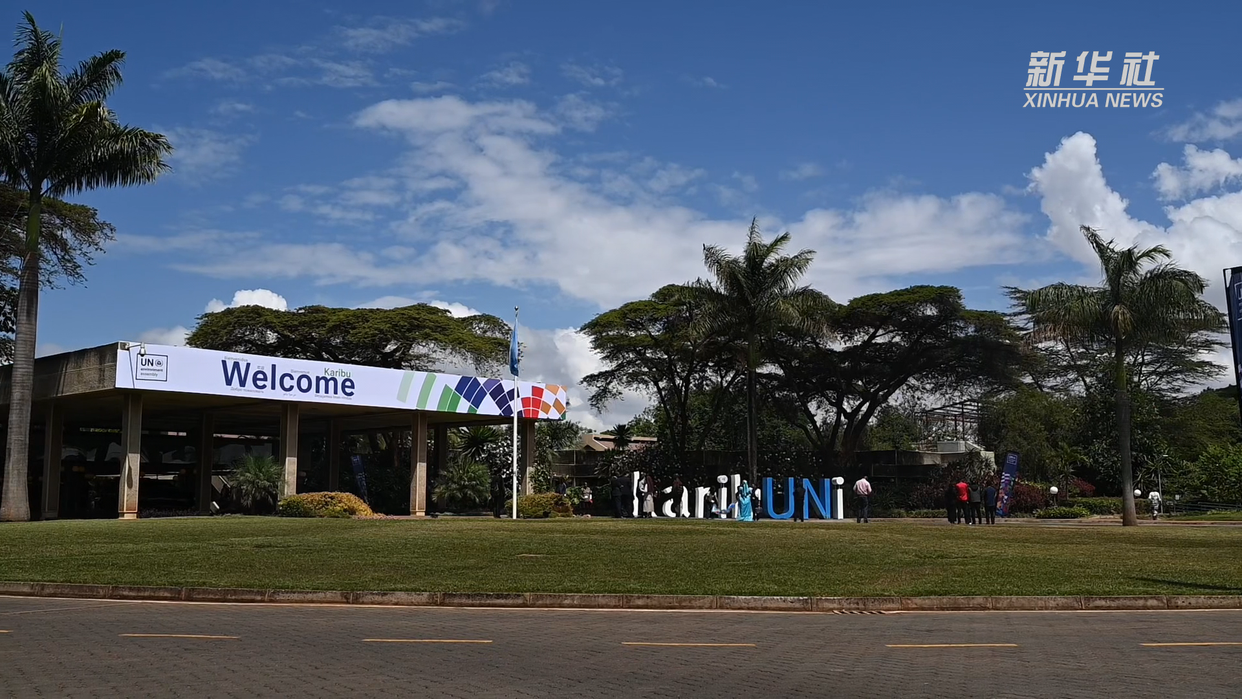
浙江经验亮相非洲 中非共探绿色能源合作新路径
Xin Lang Cai Jing· 2025-12-21 05:19
Group 1 - The core viewpoint of the articles highlights the participation of State Grid Zhejiang Electric Power in the 7th United Nations Environment Assembly (UNEA-7) and the first Africa Energy Efficiency Conference, showcasing China's contributions to global energy transition and deepening green energy cooperation with Africa [1][4]. Group 2 - At UNEA-7, State Grid Zhejiang Electric Power shared experiences focusing on the layout of the charging network in Zhejiang, including the "light-storage-charging" V2G model in Meilin Village, Hangzhou, and the construction of electric truck charging stations at Ningbo Zhoushan Port for green logistics [3]. - During the Africa Energy Efficiency Conference, the company discussed China's experience in power supply reliability management in megacities, emphasizing the practical paths to enhance power supply reliability through technological innovation, management optimization, and service upgrades [4].
基石科技控股与Tellus订立战略合作协议 计划扩大在香港、泰国等地区的充电网络
Zhi Tong Cai Jing· 2025-12-10 14:29
Core Viewpoint - The company has entered into a strategic cooperation agreement with Tellus Power Globe Holding Limited to expand its charging network in Hong Kong, Thailand, and other target regions [1] Group 1: Strategic Cooperation - The agreement establishes a non-exclusive preferred supplier relationship between the company and Tellus [1] - Both parties will collaborate on future bidding projects in Hong Kong and Southeast Asia, with the company responsible for operational platforms, customer management, and local compliance, while Tellus will provide hardware, diagnostic platforms, and technical support [1] Group 2: Advanced Technology and Market Expansion - The cooperation extends to advanced technologies and capital markets, with a focus on exploring vehicle-to-grid (V2G) technology applications and the tokenization of real-world assets (RWA) [1] - The aim is to achieve energy-linked tokenization and integrate this technology with the company's platform [1] - This partnership enables the company to secure a stable supply of hardware for network expansion and accelerates the adoption of advanced energy technologies in the Hong Kong and Southeast Asian markets [1]
基石科技控股(08391)与Tellus订立战略合作协议 计划扩大在香港、泰国等地区的充电网络
智通财经网· 2025-12-10 14:28
Core Viewpoint - The strategic cooperation agreement between 基石科技控股 and Tellus Power Globe Holding Limited aims to expand the charging network in Hong Kong, Thailand, and other target regions, establishing a non-exclusive preferred supplier relationship [1] Group 1: Strategic Cooperation - The agreement includes collaboration on future bidding projects in Hong Kong and Southeast Asia, with the company responsible for operational platforms, customer management, and local compliance, while Tellus provides hardware, diagnostic platforms, and technical support [1] - The partnership extends to advanced technologies and capital markets, exploring vehicle-to-grid (V2G) technology applications and the tokenization of real-world assets (RWA), particularly focusing on energy-linked tokenization and technical integration with the company's platform [1] Group 2: Market Expansion - This collaboration enables the company to secure a stable supply of hardware for network expansion and accelerates the adoption of advanced energy technologies in the Hong Kong and Southeast Asian markets [1]
基石科技控股(08391.HK)拟携手Tellus就未来在香港和东南亚的招标项目进行合作
Ge Long Hui· 2025-12-10 14:18
Core Viewpoint - The strategic cooperation agreement between 基石科技控股 (KeyStone Technology Holdings) and Tellus Power Globe Holding Limited aims to expand the charging network in Hong Kong, Thailand, and other target regions, establishing a non-exclusive preferred supplier relationship [1] Group 1: Strategic Cooperation - The agreement includes collaboration on future bidding projects in Hong Kong and Southeast Asia, with both parties contributing their respective strengths [1] - The company will manage the operational platform, customer management, and local compliance, while Tellus will provide hardware, diagnostic platforms, and technical support [1] Group 2: Technological Advancements - The partnership will explore Vehicle-to-Grid (V2G) technology applications and the tokenization of real-world assets (RWA), focusing on integrating energy-linked tokenization with the company's platform [1] - This collaboration is expected to secure a stable supply of hardware for network expansion and accelerate the adoption of advanced energy technologies in the Hong Kong and Southeast Asian markets [1]
美国领创商业联盟第二届中美可持续发展峰会在尔湾顺利举行
Sou Hu Cai Jing· 2025-10-24 13:55
Group 1: Event Overview - The second China-US Sustainable Development Summit was held in Irvine, organized by the Leading Entrepreneurs Alliance (LEA), focusing on the synergy between clean energy, artificial intelligence, and sustainable business [1][3] - The summit attracted nearly 500 attendees, including political representatives, industry leaders, and academic experts from both countries, aiming to promote cross-border cooperation and innovation [1][3] Group 2: Government Support - The event received broad support from elected officials, including Congressman Dave Min and various city mayors, who presented certificates of commendation, highlighting ongoing attention to climate action and technological innovation [3][5] - Video messages of congratulations were sent from several local officials, emphasizing the significance of the summit and the LEA's role in fostering local and federal support for climate initiatives [3] Group 3: Industry Insights - Charles Hu, CMO of Reverse Energy Solutions, emphasized the need for sustainable energy solutions to meet the increasing electricity demand driven by AI advancements, advocating for a closed-loop system for photovoltaic components [6] - Li Moliang, co-founder of CPTI, discussed innovations in solar materials and the importance of integrating clean energy with AI algorithms to enhance efficiency and scalability in energy infrastructure [8] - CEO of EVbar, Qiu Bingshuang, highlighted the necessity of reliable charging networks and intelligent load management to facilitate the widespread adoption of sustainable energy solutions [8] Group 4: Collaborative Efforts - The summit facilitated discussions on various topics, including AI energy consumption, photovoltaic recycling, smart charging, and cross-border investment, leading to multiple practical cooperation intentions [9] - The LEA plans to establish a 501c3 nonprofit organization to support entrepreneurs through a combination of market-driven and philanthropic efforts, with preparations already underway [9]

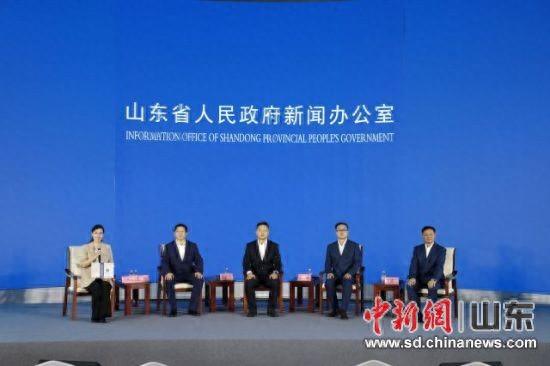
山东从“汽车大省”向新“赛道”加速跃迁
Zhong Guo Xin Wen Wang· 2025-08-21 06:21
Core Viewpoint - Shandong Province is making significant strides in the new energy vehicle (NEV) industry, showcasing a complete industrial chain and achieving systematic breakthroughs in the sector [1][6]. Industry Development - Shandong has actively seized opportunities for NEV development, implementing the "5567" enhancement project, which has led to notable progress in the industry [3]. - The province has established a complete industrial ecosystem, covering lithium mining, battery material production, electric systems, component manufacturing, vehicle production, and after-sales services [3]. Company Innovations - China National Heavy Duty Truck Group (CNHTC) has developed a smart product matrix covering L1 to L4 platforms, with a 245% year-on-year increase in NEV sales in the first half of the year due to breakthroughs in high-pressure electric control systems [4]. - Weiqiao Automobile Technology has created a closed-loop system from aluminum production to vehicle recycling, achieving weight reduction and improved range while reducing carbon emissions [4]. - Telecharge has established a charging network across 366 cities with nearly 800,000 charging terminals, enabling rapid charging capabilities [4]. - Fengyuan Lithium Energy is advancing in cutting-edge battery materials, optimizing fast charging and long-range capabilities with high-density lithium iron phosphate materials [4]. Market Performance - Shandong's NEV commercial vehicle production increased by 50% year-on-year, while passenger vehicle production surged by 140%, with total NEV output reaching 532,000 units, a 107.1% increase, elevating the province to 4th place nationally [5].