
冲泡奶茶

Search documents
2026年中国快消品线下渠道重构报告:从流量红利到场景深耕的业态进化
Qin Ce Xiao Fei Yan Jiu· 2026-03-18 02:25
Investment Rating - The report indicates a positive investment outlook for the fast-moving consumer goods (FMCG) sector, particularly in the context of offline channel restructuring and the rise of instant retail [1]. Core Insights - The restructuring of offline channels in the FMCG industry is driven by dual transformations in supply and demand, with a focus on efficiency and consumer experience [57]. - Instant retail is projected to grow significantly, with market size expected to reach 7,810 billion yuan in 2024 and exceed 20,000 billion yuan by 2030, reflecting a compound annual growth rate (CAGR) of 21% from 2019 to 2024 [4][6]. - The report highlights a shift in consumer behavior towards instant gratification, with a preference for 30-minute delivery becoming a standard expectation [7]. Summary by Sections Market Size and Growth - The instant retail market in China is expected to reach 7,810 billion yuan in 2024, growing at a rate of 20.2% year-on-year, and is projected to surpass 20,000 billion yuan by 2030 [4][6]. - From 2019 to 2024, the market is anticipated to expand by 2.6 times, with a CAGR of 21%, significantly outpacing overall online retail growth [6]. Channel Structure Changes - The FMCG channel structure is evolving, with traditional offline retail's share declining from 68% in 2019 to 58% in 2024, while instant retail's share is expected to double from 5% to 10% [12][9]. - Online retail is stabilizing at around 28% market share, indicating a peak in growth potential [12]. Competitive Landscape - Major players in the instant retail market, such as Hema and Xiaoxiang, are achieving significant growth, with Hema's GMV reaching 750 billion yuan and Xiaoxiang's GMV growing to 300 billion yuan, marking a 50% increase [15][36]. - The report notes that the profitability of leading players signifies a shift from a scale-driven to a profit-driven model in the instant retail sector [19]. Future Trends - The next five years will see instant retail transition from scale expansion to efficiency optimization, with expectations that it will account for 8-10% of total social consumer goods retail by 2030 [8]. - The report anticipates a "433" structure in FMCG retail by 2028, with offline experiential retail, traditional e-commerce, and instant retail each holding approximately 30% market share [14]. Consumer Behavior - Consumer preferences are shifting towards instant satisfaction and quality-price ratio, with a growing emphasis on shopping as a social and experiential activity [57]. - The demand for immediate delivery options is reshaping the retail landscape, with instant retail becoming a primary channel for daily purchases [7]. Technological Advancements - The report highlights the role of technology in enhancing operational efficiency, with AI-driven inventory management and smart replenishment systems expected to reduce operational costs significantly [28]. - The integration of online and offline channels is accelerating, with brands increasingly using instant retail for product launches and inventory clearance [7]. Regional Market Dynamics - The report identifies a tiered market structure, with first-tier cities reaching saturation, while second-tier and lower-tier cities present significant growth opportunities, particularly in instant retail [68]. - The penetration rate in first-tier cities is around 25-30%, while second-tier cities are experiencing growth rates of 25-30% [69][70]. Supply Chain and Distribution - The instant retail model is characterized by a robust delivery network of 800,000 riders, with average delivery times improving from 45 minutes in 2019 to 28 minutes in 2024 [7]. - The report emphasizes the importance of supply chain efficiency, with a focus on reducing delivery costs and enhancing customer experience through technology [44].

“外卖大战受害者”出现,香飘飘去年利润降超五成
Guo Ji Jin Rong Bao· 2026-02-03 13:36
Core Viewpoint - The company Xiangpiaopiao (香飘飘) is experiencing significant declines in revenue and profit, attributed to a shift in consumer preferences and increased competition in the beverage market, particularly from fresh tea brands and the impact of seasonal sales fluctuations [1][2][4]. Group 1: Financial Performance - Xiangpiaopiao expects a revenue of approximately 2.927 billion yuan for 2025, representing a year-on-year decrease of 10.95% [1]. - The company's net profit attributable to shareholders is projected to be between 102 million yuan and 125 million yuan, reflecting a decline of over 50% year-on-year [1]. - The revenue and profit forecast indicates a regression to levels not seen since before 2018, with consecutive declines over the past two years [2]. Group 2: Market Dynamics - The decline in performance is primarily due to a drop in sales of traditional brewing products, which are subject to seasonal sales patterns, with peak sales occurring around the Chinese New Year [4]. - The timing of the Chinese New Year in 2025 and 2026 has led to a shortened sales window for brewing products, directly impacting sales volume [4]. - The company faces increasing competition from brands like Mixue Ice City and Heytea, which are gaining market share in the ready-to-drink segment [4]. Group 3: Strategic Adjustments - To counteract seasonal sales challenges, Xiangpiaopiao has diversified into ready-to-drink products, including Meco fruit tea and other beverages, which have become a significant revenue source [5]. - In the first half of the previous year, the ready-to-drink segment generated 591 million yuan, accounting for 58.3% of the company's revenue, marking a fundamental shift in revenue structure [5]. - The company has also expanded its presence in convenience stores and opened its first official offline store, although the operational costs associated with these stores may impact profitability [5].


拟跨界涉足保健食品 香飘飘这次能“飘”起来吗?
Nan Fang Du Shi Bao· 2025-12-15 11:20
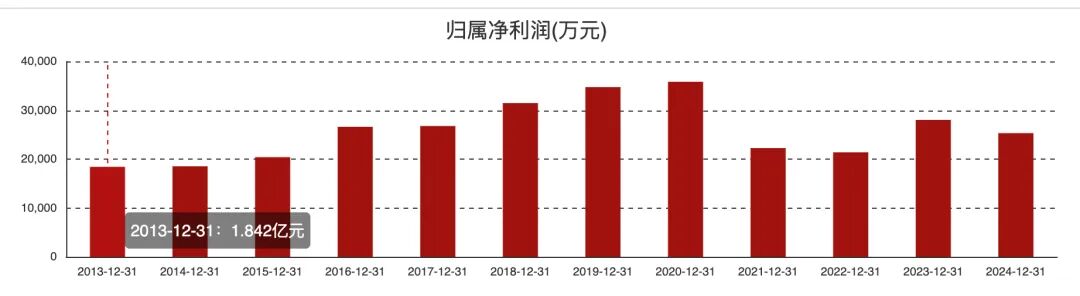
Core Viewpoint - Xiangpiaopiao is undergoing a transformation by expanding its business scope to include health food production and sales, aiming to adapt to the changing market dynamics and address declining performance in its core milk tea business [2][6]. Business Adjustment - The company has approved amendments to its articles of association to include "health food production" and "health food (pre-packaged) sales" in its business scope, indicating a strategic shift towards the health food sector [2][4]. Financial Performance - Xiangpiaopiao's revenue peaked at 39.78 billion yuan in 2019 but has seen a continuous decline over the past four years, dropping to 31.28 billion yuan in 2022. Although there was a brief recovery to 36.25 billion yuan in 2023, projections for 2024 indicate a further decline of approximately 9% in both revenue and net profit [6][12]. - In the first three quarters of 2025, the company reported a 13.12% year-on-year revenue decline and a net loss of nearly 90 million yuan, marking a 603.07% drop compared to the previous year [6]. Market Context - The health food market is experiencing rapid growth, with online sales reaching 129.89 billion yuan in the previous year, a 15.2% increase, and sales volume exceeding 733 million units, up nearly 20% [8]. - Analysts suggest that entering the health food sector is a logical move for Xiangpiaopiao, as it seeks new growth engines amid stagnation in its core business [7]. Challenges Ahead - Xiangpiaopiao faces significant challenges in entering the health food market, including high industry barriers, regulatory complexities, and the need for substantial research and development investment [9][10]. - The competitive landscape is dominated by established brands with strong market presence, making it difficult for new entrants to gain consumer trust and market share [9]. - There is a potential conflict in brand perception, as Xiangpiaopiao is known for its "delicious" and "convenient" image, while health food emphasizes "health" and "efficacy," posing a challenge for effective brand transition [10]. Strategic Initiatives - The company is also exploring new business avenues, such as opening offline tea shops focused on "original leaf brewing" to enhance brand visibility and consumer engagement [12]. - Recent leadership changes and attempts to modernize management practices indicate ongoing efforts to navigate the company's challenges and improve operational efficiency [12][13].
业绩断崖下滑,预制奶茶也没人喝了......
东京烘焙职业人· 2025-11-28 08:33
Core Viewpoint - The article highlights a significant transformation in the Chinese tea beverage market, contrasting the declining performance of traditional brands like Xiangpiaopiao with the rapid growth of new tea drink companies such as Mixue Ice City and Guming, indicating a shift in consumer preferences from instant tea to freshly made tea drinks [4][12]. Group 1: Xiangpiaopiao's Challenges - Xiangpiaopiao, once a leading brand in the instant tea market, reported a revenue of 1.035 billion yuan in its half-year report, a year-on-year decline of 12.21%, and a net profit loss of 97 million yuan, a staggering drop of 230.13% [6]. - The decline is primarily attributed to a 31.04% drop in sales revenue from its instant tea products, which has significantly impacted overall performance [6]. - In response to these challenges, Xiangpiaopiao is attempting to reposition its brand towards younger and health-conscious consumers by launching new products like "original leaf freshly brewed milk tea" and "ancient five red warm milk tea" [6][10]. Group 2: Growth of Freshly Made Tea Brands - In contrast, new tea drink companies such as Mixue Ice City, Guming, and others have shown remarkable growth, with a combined revenue exceeding 33 billion yuan and a total net profit of over 5 billion yuan in the first half of the year [12]. - Mixue Ice City achieved a revenue of 14.87 billion yuan, a year-on-year increase of 39.3%, and a net profit of 2.72 billion yuan, up 44.1% [12]. - Guming also reported impressive growth, with a revenue of 5.363 billion yuan, a 41.2% increase, and a net profit surge of 121.51% [12]. Group 3: Market Dynamics and Consumer Preferences - The tea beverage industry is experiencing a shift towards health and freshness, with consumers increasingly prioritizing product ingredients and health benefits, leading to a rise in fresh fruit and vegetable drinks [17]. - The competition is intensifying as freshly made tea brands establish robust supply chains, with Mixue Ice City achieving 100% self-sourcing of core ingredients and Guming providing rapid cold chain delivery to 98% of its stores [19]. - The integration of online and offline channels is becoming crucial for brand expansion, as consumers view tea drinks not just as beverages but as social and emotional experiences [18].


消费赛道格外热闹!顶级资本正在大手笔“抄底”
Zheng Quan Shi Bao· 2025-11-27 00:57
Core Insights - The recent surge in mergers and acquisitions in the consumer sector contrasts with the sluggish growth of the consumption market, raising questions about the underlying investment logic of top-tier capital [1][4]. Group 1: Current Market Conditions - The retail sales of consumer goods in China reached 36.59 trillion yuan in the first three quarters, showing a year-on-year growth of 4.5%, which is still below the 8% growth rate of 2019 [1]. - The performance of listed companies in the consumer sector reveals significant disparities, with major players like Kweichow Moutai and Yum China experiencing slowed growth compared to previous years [2]. - Smaller food and beverage companies are facing considerable operational pressures, with many reporting declines in both revenue and net profit [2]. Group 2: Investment Logic Behind Mergers - The cash flow of target companies is robust, providing a solid foundation for investment despite the slowdown in revenue and profit growth [4]. - The brands being targeted possess strong brand influence and established networks, which are seen as critical for future growth [5]. - The current market downturn presents a favorable opportunity for capital to acquire these brands at lower prices, allowing for potential value enhancement through improved governance and operational efficiency [5]. Group 3: Future Trends in the Consumer Market - The consumer market is expected to face challenges due to slowing income growth and increased savings, which will test the resilience of companies [6]. - Companies are increasingly optimizing their business structures by divesting non-core assets and focusing on high-quality resource integration [6]. - Three key trends are emerging: innovation in cost-performance, the rise of niche products that provide immediate satisfaction, and growth in self-improvement sectors such as health investments and knowledge-based services [6]. Group 4: Capital Market Dynamics - The challenges of exiting investments in the domestic capital market are influencing the selection of investment targets and strategies [7]. - Capital is shifting towards a "long-term battle" approach, favoring structures that allow for continuous returns through dividends rather than relying solely on IPOs for exits [7].
顶级资本正在“抄底”消费
Xin Lang Cai Jing· 2025-11-16 02:14
Core Insights - The recent surge in mergers and acquisitions in the consumer sector contrasts with the sluggish growth of the consumption market, raising questions about the underlying investment logic of top-tier capital [1][4]. Group 1: Current Market Conditions - The retail sales of consumer goods in China reached 36.59 trillion yuan in the first three quarters, growing by 4.5% year-on-year, which is still below the 8% growth rate seen in 2019 [1]. - The performance of listed consumer companies shows significant divergence, with major players like Kweichow Moutai and Yum China experiencing slowed growth compared to previous years [2]. - Smaller food and beverage companies are facing considerable operational pressure, with many reporting declines in both revenue and net profit [2]. Group 2: Investment Logic Behind Mergers - The first logic is that target companies possess strong cash flow and a solid foundation, making them attractive despite slower growth rates [4]. - The second logic highlights the brand influence of the target companies, which have established networks and consumer loyalty, making them appealing for capital investment [5]. - The third logic suggests that the current market downturn presents a "buying opportunity" for capital, allowing for acquisitions at reasonable prices [5]. - The fourth logic emphasizes the ongoing opportunities in the consumer sector, as the majority of production activities ultimately cater to consumer needs [5]. Group 3: Future Trends in the Consumer Market - Companies face challenges in understanding new consumer demographics, adapting to new marketing methods, and embracing innovative organizational structures [6]. - Three key trends to watch include a focus on cost-effective innovation, the rise of niche products that provide immediate satisfaction, and growth in self-improvement sectors such as health investments and knowledge-based services [6]. - The exit strategies for capital in the consumer market are evolving, with a shift towards long-term investment approaches rather than relying solely on rapid growth and IPOs [7].




重要信号!顶级资本正在“抄底”消费
证券时报· 2025-11-15 00:14
Core Viewpoint - The article discusses the recent surge in mergers and acquisitions (M&A) in the consumer sector, highlighting the contrast between significant capital investments by top firms and the sluggish growth of the consumer market in China. It explores the underlying investment logic driving this trend. Group 1: M&A Activity - Recent strategic partnerships and acquisitions include CPE Yuanfeng's collaboration with Burger King, Dazhang Capital's potential bid for Costa Coffee, and Boyu Capital acquiring a 60% stake in Starbucks China. KKR also completed the acquisition of the national soda brand, Diao Soda [1][2]. - The consumer market is experiencing a slowdown, with retail sales growth at 4.5% year-on-year for the first three quarters, which is below the 8% growth seen in 2019 [2][3]. Group 2: Financial Performance of Companies - Major companies like KFC China reported a 4% increase in revenue to $3.2 billion, while Yili's revenue grew by 1.71% to 90.564 billion yuan, but its net profit fell by 4.07% [3]. - Smaller food and beverage companies are facing significant operational pressures, with many reporting declines in both revenue and net profit [3]. Group 3: Investment Logic - Four key investment rationales are identified: 1. Target companies have strong cash flows and solid foundations, with examples like Starbucks maintaining over $6 billion in cash flow [5]. 2. The brands involved possess significant brand equity and established networks, making them attractive to investors [6]. 3. The current market downturn presents a "buying opportunity" for capital, allowing for acquisitions at lower prices [6]. 4. The consumer sector remains promising, with potential for growth despite current challenges [6]. Group 4: Future Trends in Consumer Market - The article identifies three trends in the consumer market: 1. Emphasis on cost-performance innovation as consumers prioritize practical value [8]. 2. Increased interest in niche products that provide immediate satisfaction [8]. 3. Growth in self-improvement sectors, including health investments and knowledge-based spending [8]. Group 5: Exit Strategies for Capital - The challenges of exiting investments in the consumer sector are noted, with a shift towards long-term strategies rather than quick exits through IPOs. This includes designing preferential dividend clauses to ensure returns even without an IPO [9].

重要信号!顶级资本正在“抄底”消费
Zheng Quan Shi Bao· 2025-11-14 17:47
Core Viewpoint - The recent surge in mergers and acquisitions in the consumer sector contrasts with the sluggish growth of the consumption market, raising questions about the underlying investment logic of top-tier capital entering this space [1][4]. Group 1: Mergers and Acquisitions Activity - Major capital firms are actively acquiring well-known consumer brands despite a weak consumption market, indicating a strategic move to capitalize on perceived undervaluation [1][4]. - Recent notable transactions include CPE Yuanfeng's partnership with Burger King, Hillhouse Capital's potential bid for Costa Coffee, and Boyu Capital's acquisition of a 60% stake in Starbucks China [1][2]. Group 2: Market Performance and Company Earnings - The retail sales growth in China for the first three quarters was 36.59 trillion yuan, reflecting a year-on-year increase of 4.5%, which is still below the 8% growth rate of 2019 [1]. - A significant performance disparity exists among consumer companies, with leading firms like Kweichow Moutai and Yum China showing slowed growth compared to previous years [2]. - Smaller food and beverage companies are facing greater operational pressures, with many reporting declines in both revenue and net profit [2]. Group 3: Investment Logic Behind Acquisitions - Four key investment rationales support the trend of capital entering the consumer sector: 1. Target companies possess strong cash flow and stable foundations, making them attractive despite slower growth [4]. 2. The brands being targeted have significant market influence and established networks, providing a solid base for future growth [5]. 3. The current market downturn presents a favorable opportunity for capital to acquire these brands at lower prices, allowing for potential value enhancement through improved governance [6]. 4. The consumer sector remains promising, with a large market potential and a low concentration of major brands, indicating future growth opportunities [6]. Group 4: Future Trends in the Consumer Market - The consumer market is expected to face challenges due to slowing income growth and increased savings, which will test the resilience of companies [7]. - Key trends to watch include a focus on cost-effective innovations, the rise of niche products that provide immediate satisfaction, and growth in self-improvement sectors such as health investments and knowledge-based services [7]. - Companies are increasingly optimizing their business structures by divesting non-core assets and consolidating resources to enhance operational quality [7][8].

三季度净利下降603%香飘飘转型陷阵痛期
Xin Lang Cai Jing· 2025-11-07 22:37
Core Insights - The core issue for Xiangpiaopiao is the significant decline in its traditional brewing product sales, which dropped by 25.96% year-on-year, leading to an overall revenue decrease of 13.12% in the first three quarters of 2025 [1][2] - The company is attempting to pivot towards ready-to-drink products, which have shown a revenue increase of 3.92%, now accounting for over 50% of total revenue [1][2] Financial Performance - For the first three quarters of 2025, Xiangpiaopiao reported a revenue of 1.684 billion yuan, a year-on-year decline of 13.12% [1] - The net profit attributable to shareholders was a loss of 89 million yuan, a sharp decline compared to the previous year [1] Market Trends - Consumer preferences are shifting towards fresh and healthy ready-to-drink beverages, which is squeezing the market for traditional brewing products [1] - The rise of delivery services has further enhanced the appeal of ready-to-drink options, creating a competitive disadvantage for brewing products [1] Strategic Initiatives - Xiangpiaopiao is focusing on developing its ready-to-drink segment, which has been its only growth area, with revenues projected to increase from 638 million yuan in 2022 to 973 million yuan in 2024 [1] - The company is also exploring the ready-to-drink market by opening its first physical store in Hangzhou, aiming to enhance brand experience and consumer interaction [2] Competitive Landscape - The ready-to-drink market is becoming increasingly competitive, with established brands like Nongfu Spring and emerging brands like Yuanqi Forest posing significant challenges [1][2] - Xiangpiaopiao's entry into the ready-to-drink market is seen as a strategic attempt to address the decline in its traditional business, but it faces operational challenges due to a lack of experience in this segment [2]
香飘飘卖不动了?扣非亏损过亿元
Shen Zhen Shang Bao· 2025-10-30 15:56
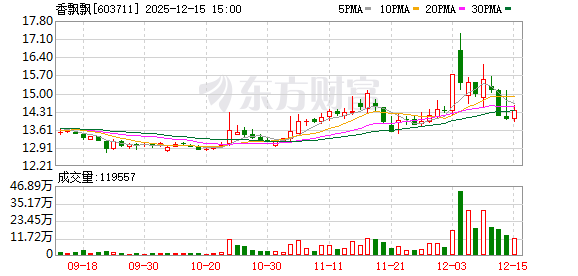
Core Viewpoint - The company, Xiangpiaopiao, once known as the "first stock of Chinese milk tea," is currently facing significant performance challenges, with a decline in revenue and profits in recent quarters [1][3]. Financial Performance - For the first three quarters of 2025, the company reported revenue of 1.684 billion CNY, a year-on-year decrease of 13.12%, and a net loss attributable to shareholders of 89.21 million CNY [1][3]. - In Q3, revenue fell by 14.53% year-on-year, and net profit decreased by 82.67% [1][3]. - Sales revenue from instant products dropped by 19.68%, while ready-to-drink products saw a decline of 4.93% [1][3]. Business Operations - The decline in performance is attributed to the company's strategic decision to adjust the shipment schedule of instant products, leading to delayed sales compared to previous years [3][4]. - The company has been actively working on inventory reduction in its distribution channels, with market activities and stock preparations starting in mid to late September [4]. Market Position and Strategy - Xiangpiaopiao's revenue has been on a downward trend from 2020 to 2022, dropping from 3.761 billion CNY to 3.128 billion CNY, primarily due to declining sales [5]. - In 2023, revenue increased to 3.625 billion CNY but has not yet returned to 2019 levels [5]. - The company is exploring new sales channels, including a trial in the restaurant sector for its ready-to-drink products, although new product sales still represent a small portion of total sales [5]. Future Developments - The company is planning to open its first offline tea shop in Hangzhou, aimed at enhancing brand experience and gathering market feedback, despite previously stating no plans for physical stores [6]. - As of October 30, 2023, the company's stock price was 13.11 CNY, with a total market capitalization of 5.413 billion CNY [7][8].
