功率MOSFET

Search documents
汽车芯片,玩法变了
半导体行业观察· 2025-12-08 03:04
Core Viewpoint - The semiconductor supply chain for the automotive industry is undergoing a fundamental transformation, shifting from an efficiency-first approach to prioritizing safety and controllability in response to recent chip shortages [1][21]. Group 1: Impact of Ansys Semiconductor Crisis - Ansys Semiconductor, as the largest supplier of basic semiconductor devices, holds approximately 40% of the global automotive discrete device market share, and its supply fluctuations have led to production cuts or temporary shutdowns for major automakers like Honda, Ford, Volkswagen, and Nissan [1][3]. - The crisis highlights the structural risks within the automotive chip supply chain, emphasizing the industry's demand for safety and reliability, which complicates the rapid replacement of suppliers [3][4]. Group 2: Changes in Automotive Chip Supply Chain Logic - The automotive industry has experienced its second major chip shortage in five years, with the previous shortage during the pandemic primarily caused by supply-demand imbalances [3][5]. - The current crisis has revealed that the global automotive chip inventory turnover days are generally below 40 days, significantly lower than the 60-day safety level, indicating that the industry's focus on low inventory is unsustainable in the face of supply fluctuations [4][5]. Group 3: Localization Strategies of International Chip Manufacturers - Major international automotive chip manufacturers, including Infineon, STMicroelectronics, NXP, and Texas Instruments, are accelerating their localization strategies in China to enhance supply chain stability [7][11]. - Infineon has launched a "local for local" strategy, aiming for localized production of various products by 2027, while NXP has established a dedicated China division to adapt to local market needs [7][8][9]. Group 4: Opportunities and Challenges for Domestic Chip Manufacturers - The restructuring of the automotive supply chain presents unprecedented opportunities for domestic chip manufacturers, with the localization rate of automotive chips in China expected to rise from less than 5% in 2020 to 20% by the end of 2024 [16][17]. - Despite the opportunities, domestic manufacturers face challenges such as high certification barriers, longer certification cycles, and reliance on foreign EDA tools, which can hinder their competitiveness [17][19]. Group 5: Future Trends in the Automotive Chip Industry - The automotive chip industry is expected to evolve towards a more resilient and diversified supply chain, balancing global and regional strategies, with a focus on local production and multi-source backup [21]. - The trend of "local for local" is becoming a collective action among global semiconductor companies, reflecting a recognition of the importance of the Chinese market and the need for supply chain security [14][12].



龙腾半导体赴港“借壳”的背后:失去军品红利后再陷亏损 行业上行期却打“价格战”竞争力何存?
Xin Lang Cai Jing· 2025-12-05 10:29
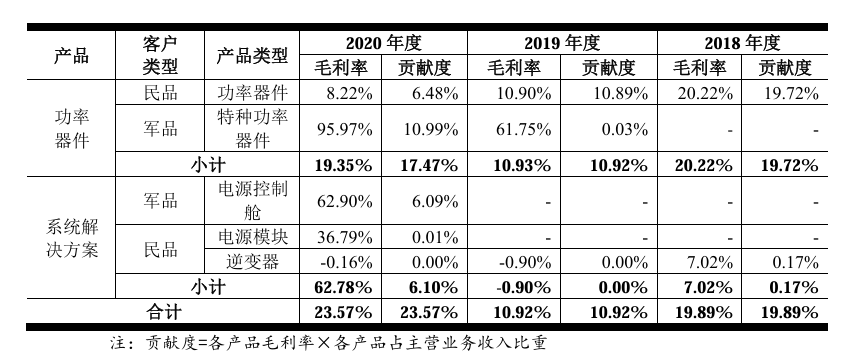
Core Viewpoint - Zhonglian Development Holdings plans to acquire up to 100% of Longteng Semiconductor for a price between HKD 4.5 billion and HKD 9 billion, marking a reverse takeover (RTO) transaction [1][17] Group 1: Acquisition Details - The acquisition is characterized as a reverse takeover, where an unlisted company gains control over a listed company by injecting assets [1][17] - Longteng Semiconductor previously attempted to go public on the STAR Market in June 2021 but withdrew its application in December 2021 after two rounds of inquiries, primarily due to concerns over its small scale and weak financial data [1][17] Group 2: Market Reaction - Prior to the announcement, Zhonglian Development's stock price increased from HKD 2.05 to HKD 2.53, a 23% rise over 14 trading days [1][17] - The market's reaction to the acquisition has been relatively muted, possibly due to concerns regarding Longteng Semiconductor's fundamentals [2][18] Group 3: Longteng Semiconductor's Financial Performance - Longteng Semiconductor's revenue from military products was minimal from 2018 to 2020, but the company shifted focus to military markets due to changes in international trade policies [3][19] - In 2020, the company's gross profit reached HKD 40.69 million, a nearly 300% increase from the previous year, with military clients contributing over 70% of this profit [4][20] - The gross margin for military power devices was significantly higher at 95.97% compared to 8.22% for civilian products in 2020 [4][20] Group 4: Accounts Receivable and Profitability - Longteng Semiconductor's accounts receivable grew to HKD 71.96 million in 2020, a nearly 150% increase year-on-year, indicating longer payment cycles from military clients [7][22] - The company transitioned from a low-profit, fast-turnover model to a high-profit, slow-turnover model, which introduces liquidity risks but also potential for better profit growth [7][22] - The net profit for Longteng Semiconductor improved from a loss of HKD 13.2 million in 2019 to a profit of HKD 24.53 million in 2020, but the company faced significant challenges in subsequent years [8][23] Group 5: Industry Context and Challenges - The military electronics sector entered a downturn after reaching a peak in 2022, with many companies facing declining revenues and profits [8][24] - Longteng Semiconductor reported revenues of HKD 614 million in the first three quarters of 2025, but incurred a net loss of HKD 58.69 million, highlighting ongoing profitability issues despite revenue growth [8][24] - The company’s R&D expenditures were significantly lower than its peers, raising concerns about its competitive position in the market [9][25] Group 6: Future Prospects - Longteng Semiconductor's planned investment in an 8-inch power semiconductor manufacturing project is underway, with the first phase already in production [16][29] - The company faces ongoing pressure from operational costs and depreciation associated with its manufacturing facilities, which could impact profitability [16][29] - The collaboration between Zhonglian Development and Longteng Semiconductor is currently based on a non-binding memorandum of understanding, indicating that the restructuring process is still in its early stages [16][29]
跨境博弈迎来转机?荷兰暂停对安世半导体部长令,但闻泰科技控制权仍未恢复
Guo Ji Jin Rong Bao· 2025-11-20 10:21
Core Viewpoint - The control dispute over Anshi Semiconductor, a subsidiary of Wentai Technology, has reached a critical point with the Dutch Minister of Economic Affairs and Climate Policy announcing a temporary suspension of restrictions imposed on the company, although the legal rulings affecting control remain in place [1] Group 1: Company Developments - Wentai Technology announced that the Dutch Minister has paused a ministerial order that restricted Anshi Semiconductor from making adjustments to its core operations until September 30, 2025 [1] - Despite the minister's announcement, Wentai Technology clarified that the Dutch court's ruling from October 7, 2025, remains valid, and control over Anshi Semiconductor is still limited [1] - Anshi Semiconductor, previously part of NXP Semiconductors, has over 60 years of experience in the semiconductor industry and is a leading player in discrete devices, logic devices, and power MOSFETs [2] - The acquisition of Anshi Semiconductor by Wentai Technology in 2020 significantly enhanced its position in the global semiconductor market, elevating Anshi's ranking from 11th to 3rd among global power discrete device companies [2] Group 2: Legal and Operational Challenges - The conflict began in September 2025 when the U.S. Department of Commerce imposed sanctions on Anshi Semiconductor, leading the Dutch government to take control of the company citing national security [2] - Anshi's Dutch headquarters ceased payments to Chinese employees and cut off supply to its Dongguan factory, creating operational risks [3] - Anshi China accused the Dutch headquarters of owing 1 billion yuan in unpaid debts and emphasized that its inventory could sustain operations for several months [3] Group 3: Management Changes and Shareholder Actions - A significant management change occurred with the appointment of Shen Xinjia as the new president of Wentai Technology, who has a strong legal background [4] - Wentai Technology has faced shareholder reductions, with major shareholders planning to sell up to 37.34 million shares, amounting to approximately 1.6 billion yuan based on the stock price [5] - The second-largest shareholder, Wuxi Guolian Integrated Circuit Investment Center, holds 7.77% of Wentai Technology's shares and is state-owned [5]

扬杰科技下半年订单状态良好 越南基地二期等新产线加速爬坡
Ju Chao Zi Xun· 2025-10-27 14:48
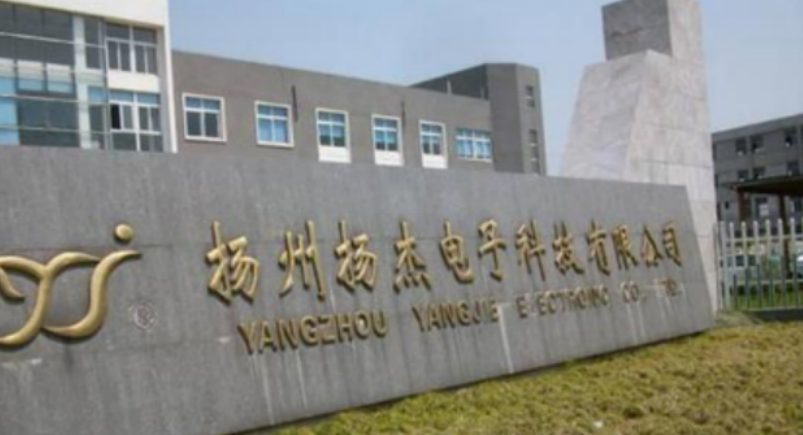
Core Viewpoint - The company is experiencing strong demand in automotive electronics, artificial intelligence, and consumer electronics, leading to a positive order status and steady growth in its main business for the second half of the year [1][2]. Group 1: Company Overview - The company, Yangjie Technology, is a comprehensive supplier of power semiconductor devices, involved in research, production, and sales [2]. - Its main products include rectifier devices, protection devices, power MOSFETs, and IGBTs, which are widely used in new energy vehicles, photovoltaic energy storage, industrial control, and consumer electronics [2]. Group 2: Production Capacity and Projects - Current major new production lines include the second phase of the Vietnam base (capacity ramping up), the expansion of the 8-inch wafer line, and the ramping up of the 6-inch SiC wafer line, which will continuously optimize the company's product structure [2]. - The advancement of these projects is expected to enhance the company's overall competitiveness in the power semiconductor sector [2]. Group 3: Market Trends and Future Outlook - Industry insiders note that with the rapid growth in demand for SiC power devices and the progress of overseas production line construction, the company is accelerating its global layout and high-end capacity expansion [2]. - The company is likely to continue benefiting from the industrial cycle driven by new energy vehicles and AI computing applications in the future [2].

安世半导体“失控”何以撕裂全球汽车产业链
3 6 Ke· 2025-10-22 12:39
Core Viewpoint - The recent legal and capital actions from the Netherlands against Nexperia, a key player in the global automotive chip supply chain, have caused significant disruptions, affecting not only the company but also the broader industry [1][2]. Group 1: Company Impact - The Dutch government issued an order freezing Nexperia's global assets and operations for one year, leading to the suspension of the Chinese CEO and disruptions in operations [3][4]. - Nexperia's parent company, Wingtech Technology, has initiated legal proceedings against the Dutch government, claiming unfair treatment and seeking international arbitration under the China-Netherlands Bilateral Investment Protection Agreement [2][10]. - The company has reported that the Chinese Ministry of Commerce has imposed export controls on specific products, further complicating its operational capabilities [4]. Group 2: Industry Implications - The automotive industry is facing a potential chip supply crisis, with warnings from European and American automotive organizations about the impact of Nexperia's operational disruptions [4][5]. - Nexperia produces essential components like diodes and transistors, which are critical for modern vehicle control systems, indicating that its operational issues could have widespread effects on the automotive supply chain [4][7]. - The geopolitical tensions surrounding Nexperia's operations highlight the vulnerabilities in the global semiconductor supply chain, particularly in the context of rising protectionism [9][13]. Group 3: Historical Context - Nexperia was formed from the semiconductor division of Philips and has undergone significant changes, including a complete acquisition by Wingtech Technology for over 33 billion RMB [5][7]. - Since the acquisition, Nexperia has seen a revenue increase of 60% and has expanded its global manufacturing network, emphasizing its role as a major player in the semiconductor industry [7][8]. Group 4: Future Outlook - The ongoing legal battles and geopolitical tensions suggest that Nexperia's situation may not resolve quickly, with potential long-term implications for its operations and the semiconductor industry as a whole [2][10]. - There are indications that the Dutch government may seek discussions with Chinese officials to address the current stalemate, reflecting the broader economic ties between the two nations [13].
CEO辞职,Magnachip计划出售
半导体行业观察· 2025-08-13 01:38
Core Viewpoint - The CEO of Magnachip has resigned after ten years, and the board has decided to sell the company while cutting capital expenditures by half [2] Group 1: Leadership Changes - YJ Kim has stepped down as CEO and board member, effective immediately, with Camillo Martino taking over as interim CEO [2] - The board is considering various strategic alternatives, including the potential sale of the company [2] Group 2: Financial Adjustments - Capital expenditures will be reduced from approximately $65 million to $30 million, primarily funded through bank loans [2][3] - The company aims to achieve a break-even adjusted EBITDA as part of its cost-cutting measures, targeting annual savings of $2 million to $3 million in operating expenses [4] Group 3: Strategic Focus - The company is prioritizing investments in its Gumi facility to support the growth of next-generation power products, which are expected to enhance market competitiveness and improve average selling prices and gross margins [3] - The current net cash expenditure is projected to be between $12 million and $13 million, with the remainder covered by bank loans [3]
闻泰科技董事会“换血” 或旨在聚焦半导体业务
Zhong Guo Jing Ying Bao· 2025-07-16 08:06
Core Viewpoint - Wentech Technology is undergoing a significant transformation with a major management overhaul and a strategic shift towards the semiconductor industry, aiming to enhance its professional capabilities in this field while projecting substantial profit growth for the upcoming year [2][9]. Management Changes - The company announced the resignation of four key executives, including Chairman Zhang Qiuhong and Vice President Dong Botao, as part of a strategic management reshuffle to strengthen its semiconductor expertise [4][6]. - New executives from Anshi Semiconductor, including Yang Mu, Zhuang Wei, and Shen Xinjia, have been appointed to the board, reflecting a focus on semiconductor specialization [7][8]. Financial Projections - Wentech Technology expects to achieve a net profit attributable to shareholders of 390 million to 585 million yuan in the first half of 2025, representing a year-on-year growth of up to 317% [2][9]. - The anticipated profit increase is attributed to a recovery in semiconductor market demand, cost reduction measures, and improved supply chain management [9]. Business Transition - The company is nearing the completion of its product integration business divestiture, marking a full transition away from consumer electronics ODM operations to a pure semiconductor focus [8]. - The divestiture is expected to enhance the company's profitability and align its strategic direction with the growing semiconductor market [9][10]. Industry Context - Wentech's Anshi Semiconductor has become a leader in the global automotive power device market, benefiting from trends in electrification and digitalization [10][11]. - The semiconductor industry is facing increasing competition and rapid technological advancements, necessitating ongoing investment in research and development to maintain a competitive edge [11].
赛晶科技附属拟发新股收购湖南虹安100%股权
Zhi Tong Cai Jing· 2025-07-13 11:21
Core Viewpoint - The announcement details a capital increase agreement between Sai Jing Semiconductor and investors, which will result in a dilution of the company's ownership but will not affect its control over the subsidiary [1] Group 1: Capital Increase Agreement - Sai Jing Semiconductor will issue new registered capital equivalent to approximately 9.00% of its expanded equity, increasing its registered capital from $42.5287 million to $46.7348 million [1] - The ownership percentage of the company in Sai Jing Semiconductor will decrease from approximately 70.5406% to about 64.1918% after the capital increase [1] - The payment for the new registered capital will be made through the transfer of all shares of Hunan Hong'an to Sai Jing Semiconductor, with a total consideration of RMB 180 million [1] Group 2: Strategic Importance of the Acquisition - Sai Jing Semiconductor and Hunan Hong'an are both currently operating at a loss, but the acquisition will allow for systematic integration of resources, leading to potential synergies [2] - The core team of Hunan Hong'an will enhance the technical team of Sai Jing Semiconductor, particularly in the area of silicon carbide (SiC) technology, which will complement existing research and product layouts [2] - Shared supply chain resources will improve stability, while market resource sharing will expand market reach and share, indicating the strategic significance of this transaction for the long-term development of Sai Jing Semiconductor [2]
因卖芯片给华为,芯片公司被美国罚款3000万
半导体行业观察· 2025-07-03 01:13
Core Viewpoint - Alpha and Omega Semiconductor (AOS) has agreed to pay $4.25 million to settle allegations of unauthorized shipments to Huawei, marking the end of a five-year investigation by the U.S. government [1][2]. Group 1: Settlement Details - AOS will pay $4.25 million to resolve allegations of violating export regulations by shipping 1,650 power controllers and related components to Huawei without authorization in 2019 [1][2]. - The settlement does not affect AOS's ongoing business operations and concludes a lengthy investigation that did not result in any criminal charges [2]. Group 2: Compliance and Operations - AOS has emphasized its commitment to complying with all applicable regulatory requirements, including export control regulations, and has strengthened its processes and policies to ensure ongoing compliance [2]. - The company believes that its core values and compliance culture will support its strategic efforts to expand its customer base and product offerings [2]. Group 3: Company Overview - AOS is headquartered in Sunnyvale, California, with operations in the U.S. and Asia, and has a wafer manufacturing facility in Hillsboro, Oregon [2]. - The company designs, develops, and globally supplies a wide range of power semiconductor devices, including power MOSFETs, SiC, IGBT, and power management ICs [2][3]. Group 4: Product Applications - AOS's product portfolio targets high-volume applications such as personal computers, graphics cards, data centers, AI servers, smartphones, consumer and industrial motor control, televisions, lighting, and automotive electronics [4].
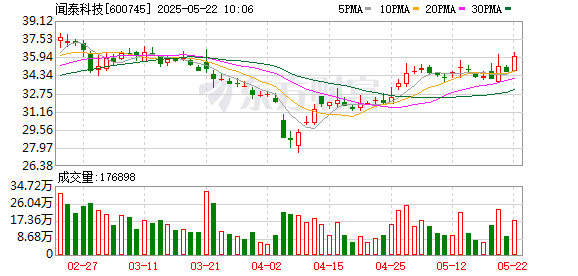
闻泰科技甩卖产品集成业务 半导体业务能否撑起未来?
Zhong Guo Jing Ying Bao· 2025-05-22 02:05
Core Viewpoint - Wentech Technology plans to divest its product integration business to focus solely on its semiconductor operations, with a cash transaction valued at 4.389 billion yuan [2][7]. Group 1: Asset Sale Details - Wentech Technology intends to transfer 100% equity of several subsidiaries and business assets to Luxshare Precision and Luxshare Communications for 4.389 billion yuan [2]. - The company previously signed an agreement to transfer shares of three companies to Luxshare Communications for a total of approximately 1.7 billion yuan [2]. - The divestiture will significantly alter Wentech's business structure, making semiconductor operations its sole focus [2]. Group 2: Financial Performance - In 2024, Wentech's total revenue was 73.598 billion yuan, a year-on-year increase of 20.23%, but it reported a net loss of 2.833 billion yuan, a decline of 339.83% [4]. - The product integration business generated revenues of 58.431 billion yuan in 2024, but with a low gross margin of 2.73% [4]. - The company expects that the divestiture will enhance profitability and reduce total liabilities by 8.545 billion yuan, improving its debt-to-asset ratio and cash flow [7]. Group 3: Future Prospects in Semiconductors - Post-divestiture, Wentech's future growth will rely heavily on its semiconductor business, which has a gross margin of 37.52% but generated only 14.715 billion yuan in revenue [8]. - The semiconductor sector is projected to grow significantly, with the power semiconductor market expected to reach nearly 10 billion USD by 2029 [8]. - Wentech's management anticipates growth in the semiconductor business in the second quarter of 2025, driven by strong orders and near-full production capacity [8]. Group 4: Challenges and Risks - The semiconductor industry is facing intense competition, with major players holding over 60% market share in high-end automotive chips [9]. - Geopolitical factors and supply chain instability pose ongoing challenges for Wentech, necessitating flexible market responses [9]. - The company is also addressing compliance issues in India, which may result in potential fines [9].