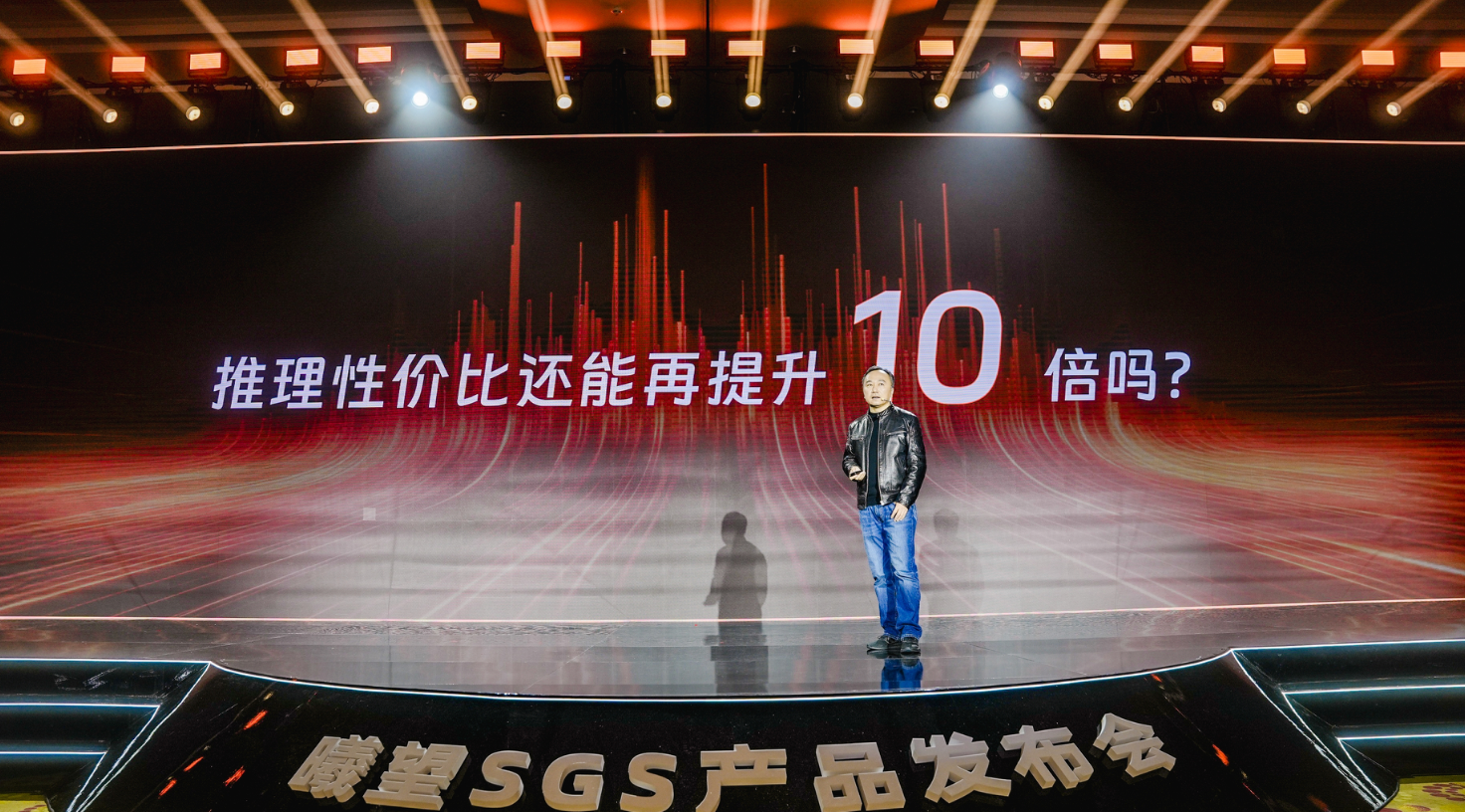
启望S3

Search documents
专注推理,放弃训练!一家中国GPU公司要差异化突围
2 1 Shi Ji Jing Ji Bao Dao· 2026-02-02 09:56
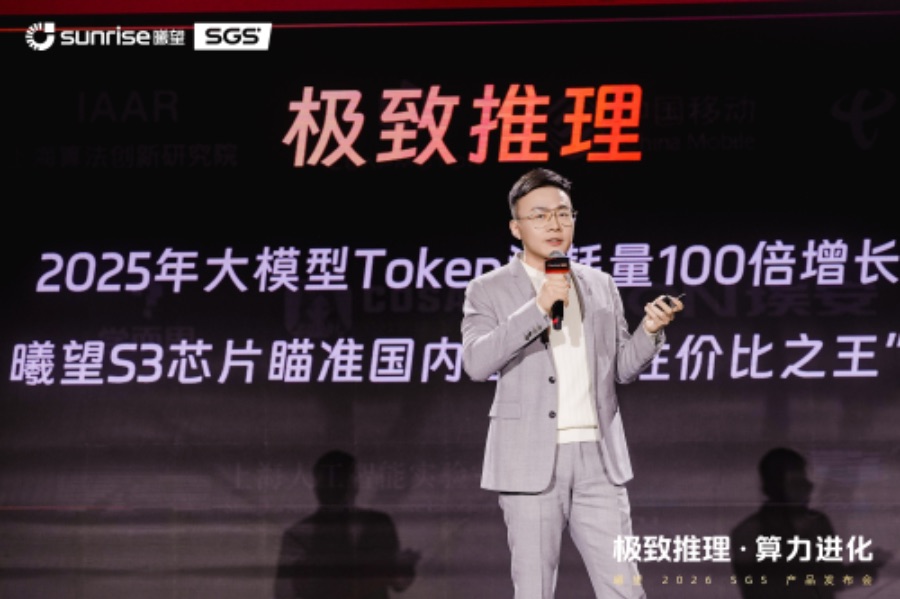
Core Insights - The global consumption of tokens for large models is expected to increase by 100 times by 2025, making inference costs critical for AI companies' profitability [1] - Deloitte reports that by 2026, inference computing will account for over 66% of overall AI computing, marking a shift from training to practical application [1] - The domestic AI chip sector is entering a more pragmatic and differentiated phase, with companies like Xiwang focusing solely on inference rather than training [1][5] Inference Market Dynamics - The inference market is characterized by high demand and low barriers to entry, contrasting with the training market, which is dominated by major players [1][7] - Xiwang's new inference GPU, Qiwang S3, has raised nearly 3 billion yuan in strategic financing within a year of its independent operation [1][5] - The shift in focus from training to inference is driven by the need for efficiency, stability, and long-term cost management in AI applications [3][4] Technological Innovations - The Qiwang S3 GPU abandons expensive components designed for training, opting for more cost-effective LPDDR6 memory to enhance memory capacity [5][6] - The chip's design prioritizes low-precision computing, particularly FP4 and FP8, which are becoming industry standards for inference operations [6] - Xiwang claims that the S3 can achieve over ten times the cost-performance ratio compared to its previous generation [6] Competitive Landscape - The current trend in the domestic chip startup scene is shifting from simple replacement of foreign products to differentiation in the inference market [7][8] - The demand for inference capabilities is rapidly growing, driven by complex applications such as multi-modal interactions and physical world AI [7][8] - The AI chip market is projected to capture 70% to 90% of the future AGI industry value, indicating a vast opportunity for multiple players and technological paths [8] Ecosystem Challenges - The gap in ecosystem support for domestic GPUs remains significant, with most AI applications still relying on NVIDIA's framework [8][9] - Successful domestic chip development requires a collaborative approach that integrates chips, ecosystems, and application scenarios [9] - Building a robust ecosystem will take time, and challenges such as supply chain stability and international dynamics persist [9][10]

未来智造局|“百万token一分钱” 推理GPU驱动大模型下半场发展
Xin Hua Cai Jing· 2026-02-02 08:51
Core Insights - The AI industry is transitioning from a "training-driven" phase to a "reasoning-driven" phase, with reasoning computing power becoming the core element for the commercialization of AI [1][2] - Sunrise, a domestic AI chip company, has launched its new generation reasoning GPU chip, the Qihang S3, aiming for a target of "one cent per million tokens" [1][5] - The next decade will see reasoning infrastructure as the foundational base for China's AI era, emphasizing the need for cost-effective and scalable reasoning capabilities [1][9] Group 1: Reasoning Computing Power - Reasoning computing power is essential for the practical application of AI, with predictions indicating that by 2026, reasoning computing will account for 66% of AI computing, surpassing training computing for the first time [2][4] - The shift towards reasoning-driven AI is crucial for enhancing the efficiency of AI services in the real economy [2][3] Group 2: Sunrise's Innovations - Sunrise is the first company in China to focus on reasoning GPUs, having developed its first chip, Qihang S1, in 2018, and has since released the Qihang S2 and Qihang S3, which are optimized for large model reasoning scenarios [3][5] - The Qihang S3 chip aims to achieve over ten times improvement in reasoning cost-effectiveness, with current costs at approximately 0.57 yuan per million tokens, better than the market average [5][6] Group 3: Industry Challenges and Solutions - The industry faces challenges such as low resource utilization, insufficient adaptation efficiency, and complex operations, with over 40% GPU idle rates under traditional architectures [6][8] - Sunrise is collaborating with partners to create a reasoning system-level solution that optimizes both hardware and software to address these challenges and improve computing efficiency [6][8] Group 4: Market Potential and Future Trends - The demand for reasoning tokens is expected to grow exponentially, with a significant market opportunity for specialized reasoning GPUs [6][9] - The reduction of reasoning costs is projected to lead to a massive increase in AI applications, with estimates suggesting that a 50% cost reduction could trigger widespread adoption [8][9]
国产AI芯片,疯狂秀肌肉
3 6 Ke· 2026-01-30 00:25
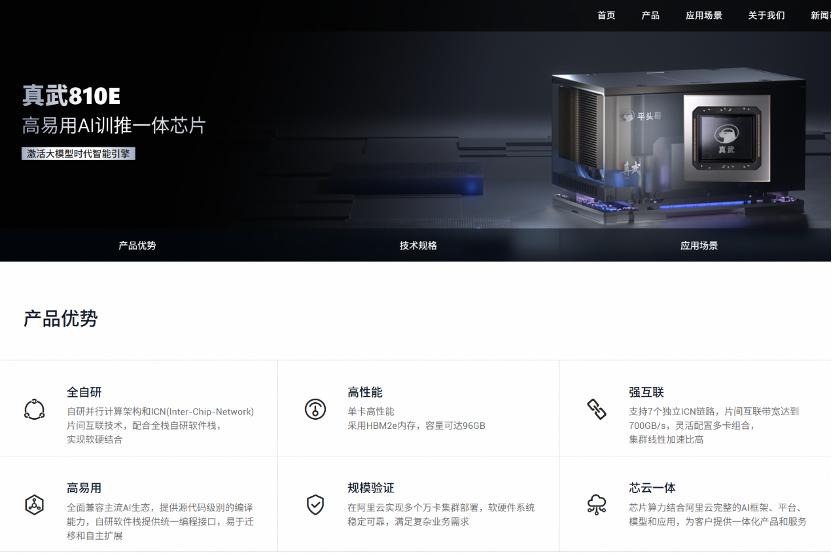
Industry Overview - The AI chip market in China is projected to reach a trillion yuan by 2028, accounting for approximately 30% of the global market, driven by strong demand for high-quality AI computing power [1] - Domestic AI chip manufacturers are rapidly advancing, with multiple announcements regarding new AI chips [1] Company Developments - Alibaba has launched its self-developed high-end AI chip "Zhenwu 810E," which features a fully self-researched architecture, 96GB HBM2e memory, and 700 GB/s inter-chip bandwidth, suitable for AI training and inference [2][5] - The "Zhenwu" PPU chip has been deployed in multiple clusters on Alibaba Cloud, serving over 400 clients, including major organizations like the State Grid and Xpeng Motors [2] - Alibaba's chip performance reportedly surpasses NVIDIA's A800 and is comparable to NVIDIA's H20, indicating a strong market position [4][6] Competitive Landscape - Yixing Intelligent has introduced the first RISC-V AI computing chip, Epoch, which is now in mass production. This chip combines RISC-V and RVV instruction set architectures, enhancing both general and specialized AI computing capabilities [7][10] - Epoch outperforms competitors by 25% to 52% in running models like ResNet-50 and BERT, showcasing significant advantages in key operations [8] - Tianzuo Zhixin has unveiled a four-generation architecture roadmap, aiming to surpass NVIDIA's Hopper architecture by 2025, with subsequent architectures targeting further advancements [12][14] Emerging Technologies - Sunrise, a spinoff from SenseTime, plans to release its first GPGPU chip, Qihang S3, by the end of 2024, focusing on optimizing cost and energy efficiency in real-world applications [16][18] - Suiruan Technology is preparing for an IPO and has developed a complete product system encompassing AI chips, acceleration cards, and AI computing software platforms [19] Market Dynamics - The domestic AI chip industry is experiencing rapid growth following U.S. restrictions on AI chips, with a diverse range of companies emerging across GPU and non-GPU technology routes [20][22] - Companies are adopting different strategies, such as "compatible catch-up" and "innovative surpass," to establish competitive advantages in the AI chip market [22][23]

曦望董事长徐冰:把大模型推理这件事,做到极致
Sou Hu Cai Jing· 2026-01-29 11:35
Core Insights - The core message emphasizes that whoever masters efficient, controllable, and sustainable inference infrastructure will dominate the speed of AI implementation [3][5]. Group 1: Company Overview - The company, known as Xi Wang, is positioned as a leading GPU chip company focused on inference, aiming to optimize large model inference [4]. - Xi Wang's mission is to excel in large model inference, transitioning from a training-driven to an inference-driven AI industry [4][5]. - The company was established in 2020, evolving from the chip division of SenseTime, and has accumulated significant experience in AI applications over the past decade [5][6]. Group 2: Market Trends - By 2026, inference computing power is projected to account for 66% of AI workloads, surpassing training, indicating a structural shift in the industry [4]. - The demand for real-time interaction and complex scenarios, such as 3D and video generation, is driving the need for high-frequency response in AI applications [4][5]. Group 3: Cost Structure and Strategy - Inference costs currently represent 70% of AI application expenses, which is critical for profitability and commercial success [4][5]. - The company aims to reduce inference costs significantly, targeting a reduction from "per unit" to "per fraction," making AI infrastructure as accessible as utilities [4][7]. Group 4: Product Development and Innovation - Xi Wang has invested 2 billion in R&D over the past eight years, successfully producing the S1 and S2 chips, with the S3 chip recently launched [7][8]. - The company plans to set a new industry benchmark by achieving a cost of "one cent per million tokens" for inference [7][8]. Group 5: Business Model - The company is not merely a chip seller but aims to create a comprehensive ecosystem around "chip + system + ecology" [8][9]. - Xi Wang intends to collaborate with major AI firms and various computing power providers to optimize existing systems and enhance cost efficiency [8][9]. Group 6: Future Vision - The company envisions becoming the foundational infrastructure for affordable and stable computing power in the AI era, linking technology, policy, and commercial models [9]. - The future of AI in China is expected to rely on scalable and cost-effective inference infrastructure, marking a significant transition from following to leading in the domestic AI chip market [9].
从拼模型到算成本,曦望用S3 GPU给出最佳答案
半导体芯闻· 2026-01-29 10:10
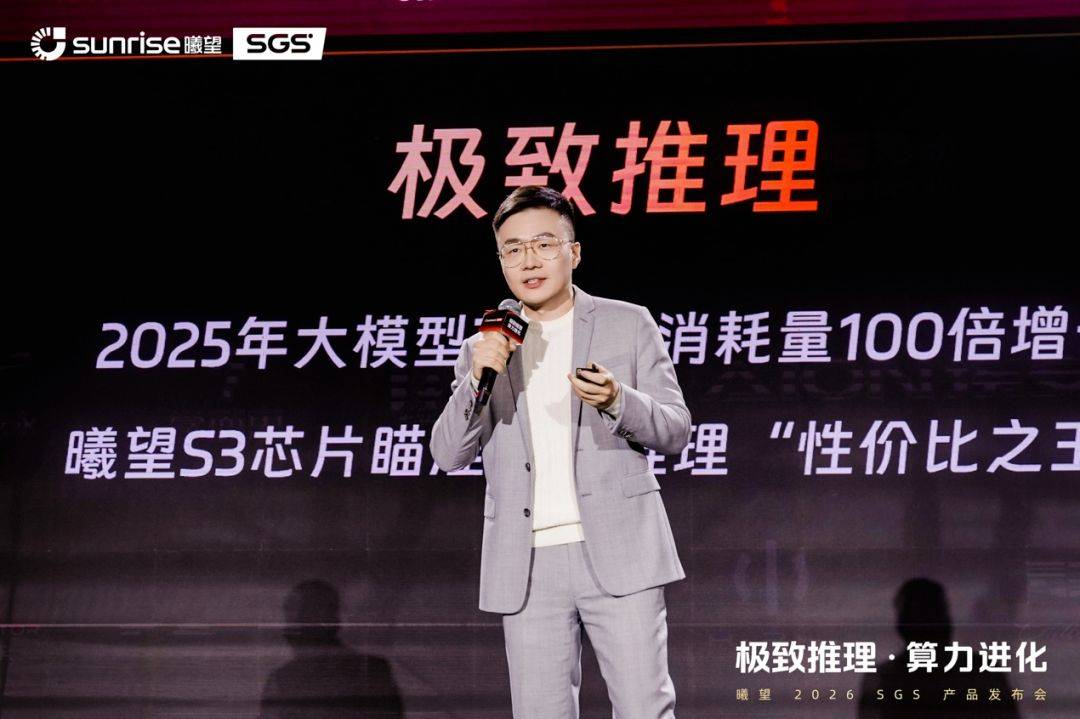
Core Viewpoint - The AI industry is shifting focus from training to inference, with inference requests becoming the primary demand for computational power as model training stabilizes [1][2] Group 1: Industry Trends - The demand for inference power is projected to reach 66% by 2026, surpassing training power, indicating a structural change in the industry [2] - The cost of inference currently accounts for 70% of AI application expenses, making it critical for AI companies to reduce inference costs to achieve profitability [2] - The emergence of intelligent agents and complex AI applications is accelerating the need for real-time interaction and high-frequency responses [2] Group 2: Company Developments - Xiwang Technology launched its new inference GPU chip, Qihang S3, and the Huanshi SC3 supernode solution during its first product release event after a strategic financing round of nearly 3 billion yuan [1][3] - The Qihang S3 chip features significant advancements, including a fivefold increase in inference performance compared to similar products, and is the first domestic GPGPU inference chip to use LPDDR6 memory [6][4] - The Huanshi SC3 solution is designed for large model inference scenarios, supporting high system utilization and stability, with a cost reduction from hundreds of millions to tens of millions for equivalent inference power [6][4] Group 3: Software and Infrastructure - Xiwang has developed a comprehensive self-researched software platform that is compatible with the CUDA ecosystem, facilitating seamless migration for users [7] - The company has achieved compatibility with over 90% of major models on the ModelScope platform, enhancing its service offerings [7] - The AI native intelligent computing platform introduced by Xiwang addresses industry pain points, including high GPU resource idleness and complex operational management [9][12] Group 4: Business Model Innovation - Xiwang's business model is structured around a "Token as a Service" approach, providing various token services tailored to different customer needs [14] - The company emphasizes the importance of power costs in large computing centers and has developed strategies to enhance energy efficiency and reduce operational costs [14] - Strategic partnerships with industry leaders aim to create a collaborative ecosystem that accelerates the deployment of extreme inference computing capabilities [16][17]
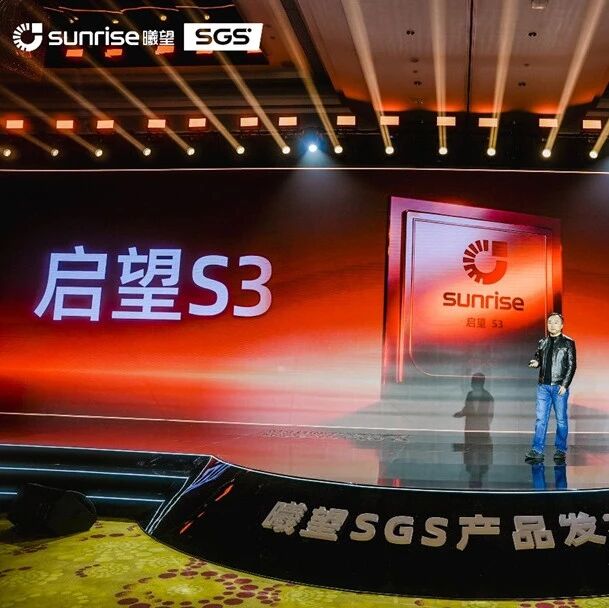
曦望发布启望S3推理成本较上一代降约90%,押注「极致性价比」GPU与算力新范式
IPO早知道· 2026-01-29 00:15
Core Viewpoint - The article discusses the transition of the AI industry from "training-driven" to "inference-driven" models, highlighting the importance of cost efficiency and system stability in the delivery of inference capabilities, particularly through the launch of the new inference GPU, Sunrise S3 [2][5]. Group 1: Product Launch and Features - Sunrise officially launched its new inference GPU, the S3, at the first Sunrise GPU Summit, marking its first public appearance after raising approximately 3 billion yuan in strategic financing [2]. - The S3 chip is designed specifically for large model inference, featuring a system-level design that enhances performance and cost-effectiveness, achieving over a 10-fold improvement in overall cost-performance ratio compared to its predecessor [5][6]. - The S3 supports precision switching from FP16 to FP4, significantly improving low-precision inference efficiency while increasing memory capacity by four times compared to the previous generation [5][6]. Group 2: Cost Reduction and Efficiency - In typical inference scenarios, the unit cost of token inference with the S3 has decreased by approximately 90% compared to the previous generation, enabling scalable deployment of AI applications [5][6]. - The overall delivery cost of the new SC3-256 ultra-node solution is controlled within the range of ten million yuan, significantly lower than similar solutions in the industry that cost over one hundred million yuan [6]. Group 3: Ecosystem and Cloud Strategy - Sunrise aims to build a collaborative inference cloud to address challenges such as resource fragmentation and operational complexity in the deployment of inference capabilities [8][9]. - The inference cloud will utilize the S3 as a foundation, pooling distributed computing resources into a unified inference power pool, allowing enterprises to access model capabilities on-demand without worrying about hardware configurations [9]. - The company has initiated a "one cent per million tokens" inference cost plan in collaboration with partners, indicating a shift towards economically feasible large model inference [9]. Group 4: Strategic Collaborations - Sunrise has signed a strategic cooperation agreement with Zhejiang University to establish a joint research center focused on advanced topics such as optical interconnect GPU architecture and AI high-precision weather forecasting [10]. - The company has also formed strategic partnerships with various enterprises to promote the application of inference capabilities across industries such as transportation, manufacturing, and healthcare [10].
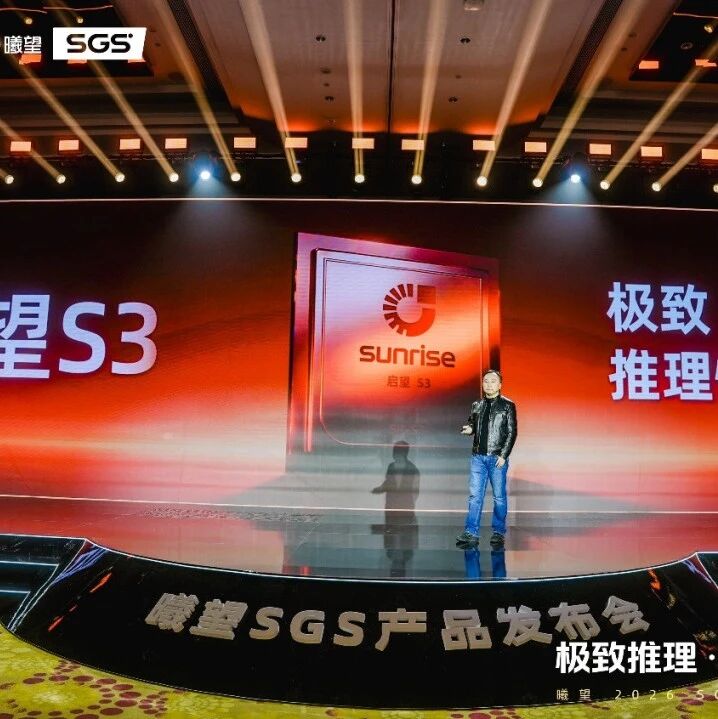
曦望发布推理GPU芯片启望S3 推进推理云生态共建
Zheng Quan Ri Bao Wang· 2026-01-28 12:53
Core Insights - Sunrise has launched its new inference GPU chip "Qiwang S3" at the first Sunrise GPU Summit, marking its first public appearance after raising approximately 3 billion yuan in strategic financing over the past year [1] - The company emphasizes an "All-in inference" approach, focusing on long-term delivery capabilities, unit costs, and system stability, as inference becomes the primary power consumption scenario in the AI industry [1][3] - The Qiwang S3 chip is designed for large model inference, achieving over a 10-fold improvement in overall cost-effectiveness compared to its predecessor in typical inference scenarios [1][2] Product Features - The Qiwang S3 supports precision switching from FP16 to FP4, significantly enhancing low-precision inference efficiency while maintaining model performance [2] - It is the first domestic GPU product to adopt LPDDR6 memory, increasing memory capacity by four times compared to the previous generation, addressing common memory bottlenecks in large model inference [2] - The unit token inference cost in mainstream large model scenarios has decreased by approximately 90% compared to the previous generation, enabling scalable deployment of the "one cent per million tokens" concept [2] Ecosystem Development - Sunrise aims to build a comprehensive "chip + system + ecosystem" layout around inference scenarios, positioning itself beyond just a chip manufacturer [4] - The company is developing a collaborative inference cloud, which integrates dispersed computing resources into a unified inference power pool, providing enterprises with on-demand access to large model inference services [3] - The inference cloud is based on the Qiwang S3 and utilizes GPU pooling and elastic scheduling, allowing businesses to scale computing power flexibly according to their workload [3] Strategic Vision - The company believes that the AI industry is transitioning from a "training-driven" model to an "inference-driven" model, emphasizing long-term delivery capabilities and system stability over one-time training investments [3][4] - Sunrise's chairman stated that whoever can continuously reduce inference costs will control the cost curve of the AI industry, highlighting the importance of systematic innovation in the inference power system for sustainable growth in AI applications [4]
未知机构:每日复盘128标普五连阳美元创四年新低黄金新高原油拉升A股震荡上-20260128
未知机构· 2026-01-28 02:45
Summary of Key Points from Conference Call Records Industry Overview - **Market Performance**: The S&P 500 experienced a five-day winning streak, reaching record highs before major tech earnings reports. The dollar hit a four-year low, while gold prices surged. A-shares showed a volatile upward trend, with significant gains in precious metals and the computing hardware supply chain [1][2]. Core Insights and Arguments - **Tech Sector Earnings**: Major tech companies are influencing market trends, with Meta's $60 billion order for fiber optics leading to a 15% surge in Corning's stock. Micron and Microsoft also saw stock increases of over 5% and 2%, respectively, while Tesla's stock fell by 1% [1]. - **Economic Indicators**: In December, profits for large-scale industrial enterprises in China shifted from a 13.1% decline in November to a 5.3% increase, indicating improved profitability and growth in the upper and middle reaches of the industrial sector [1]. - **Commodity Prices**: Gold prices rose over 3%, while silver experienced significant volatility, with a drop of over 10% and a subsequent rise of nearly 9% [1]. Important but Overlooked Content - **Sector-Specific Developments**: - **AI Applications**: The AI sector is seeing significant advancements, with new models expected to launch during the Spring Festival. Companies like Deepseek and Kimi are releasing new products, indicating a robust growth trajectory in AI applications [5][6]. - **Fiber Optics**: Meta's substantial investment in fiber optics is a key development, with potential implications for related companies such as Yangtze Optical Fibre and Hengtong Optic-Electric [6]. - **Aviation Industry**: China’s COMAC plans to increase production and delivery of the C919 narrow-body aircraft, suggesting a potential growth area in the domestic aviation market [6]. - **Semiconductors**: Price adjustments by Zhongwei Semiconductor for MCU and Norflash products, with increases ranging from 15% to 50%, highlight the ongoing demand and pricing power in the semiconductor sector [6]. - **Cloud Computing**: Google announced a price adjustment for data transmission methods in North America, which could significantly impact cloud service providers and related companies [6].




至少有九家中国AI芯片公司出货量超万卡
3 6 Ke· 2026-01-28 01:46
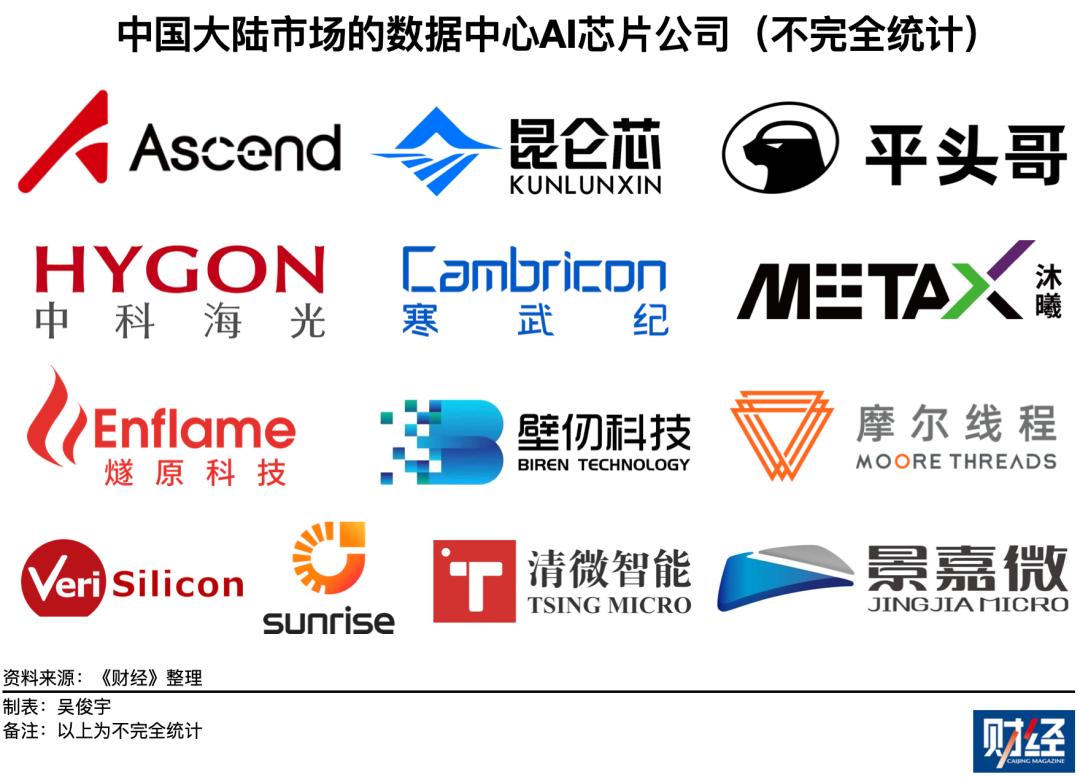
Core Insights - The self-sufficiency process of domestic AI chips in data centers is accelerating due to strict chip export controls, with over ten brands including Huawei Ascend, Baidu Kunlun, and Alibaba PingTouGe emerging in the market [1] - At least nine Chinese AI chip companies have reported shipment or order volumes exceeding 10,000 units, indicating a growing market acceptance of domestic AI chips [1][2] - The average price of domestic inference AI chips ranges from 30,000 to 200,000 yuan per unit, reflecting their performance, stability, and total cost of ownership [1] Group 1: Market Dynamics - The Chinese AI chip server market is projected to reach $16 billion in the first half of 2025, with domestic AI chips capturing approximately 35% market share, significantly growing faster than Nvidia [2] - The emergence of companies with 10,000-unit shipments marks the beginning of a "scale delivery verification" phase in the industry [2][15] - Major players like Huawei Ascend and Baidu Kunlun are leading in market share, with Huawei Ascend being used in various domestic clusters [5] Group 2: Company Performance - Companies like Mozi, Tianshu Zhixin, and Suiruan Technology have reported cumulative shipments exceeding 10,000 units, with Mozi achieving over 25,000 units by August 2025 [8] - Sunrise and Qingwei Intelligent, still in startup phases, have also surpassed the 10,000-unit mark, although they lag behind leading companies in terms of volume [10] - The performance of some domestic AI chips has reportedly reached or exceeded that of Nvidia's H20, particularly in inference scenarios [14] Group 3: Competitive Landscape - Domestic AI chip companies are focusing on usability and controllability rather than peak performance, often utilizing more mature manufacturing processes like 12nm due to limited advanced process capacity [11] - The push to lower inference costs is a common goal among industry players, with some companies aiming to reduce the cost of generating one million tokens to one cent [13] - The software ecosystem remains a challenge, with many domestic chips facing difficulties in model adaptation compared to Nvidia's offerings [15] Group 4: Future Outlook - The domestic AI inference chip market is expected to experience explosive growth between 2026 and 2027, with multiple new products anticipated [11] - The competitive landscape is likened to the early stages of the photovoltaic industry, with rapid growth driven by policy support and market dynamics [16] - However, the unique nature of AI chip development, influenced by software, hardware, and ecosystem factors, suggests that competition will differ fundamentally from that of standardized manufacturing products like solar panels [16]


推理需求爆发,国产芯片从“堆算力”转向系统协同
Di Yi Cai Jing· 2026-01-27 12:00
Group 1 - The domestic computing power is in a very favorable position, with a shift in focus towards high-performance and cost-effective chips due to changing industry demands [1][5] - The third-generation inference GPU chip, S3, was launched by Xiwang, aiming to reduce the cost of one million tokens to one cent, reflecting the industry's transition from training to inference [3] - By 2030, it is expected that inference chips will account for 80% of the company's resource allocation, indicating a strategic focus on optimizing inference capabilities [3] Group 2 - The integrated training and inference chips face challenges such as high costs, unstable supply, and complex deployment, highlighting the need for a reasonable computing power to memory access ratio [4] - The "memory wall" has become a significant bottleneck in chip performance, as the speed of computing unit enhancements outpaces memory bandwidth improvements, particularly in inference chips [4] - Companies like DeepSeek are driving innovation across the entire technology chain, from model architecture to inference systems, aiming to reduce dependency on NVIDIA's CUDA ecosystem [4] Group 3 - The reduction of costs in AI applications significantly boosts the number of applications in the market, with the domestic computing power positioned advantageously to capitalize on this trend [5]