系统协同

Search documents
积塔半导体王俊:以系统工艺打造车规级晶圆代工“特色”
半导体行业观察· 2026-02-11 01:27
Core Viewpoint - The article emphasizes the evolving landscape of mature process semiconductor manufacturing, highlighting its increasing importance in the global market and the shift in focus from capacity supply to value and reliability in production, particularly in automotive applications [1][3]. Group 1: Market Dynamics - By 2025, China's mature process chip capacity is expected to account for approximately 28% of the global market, with projections to rise to 39% by 2027 [1]. - The demand for mature process chips is stable and substantial, leading to a wave of capacity expansion and concerns about structural oversupply [1]. Group 2: Automotive Industry Requirements - The automotive industry demands high reliability and consistency in chip production, which creates a significant barrier to entry for foundries due to stringent certification processes [3][4]. - Automotive chips must maintain performance across wider temperature ranges and complex conditions, necessitating higher standards for manufacturing consistency [3]. Group 3: Competitive Landscape - The core competitiveness in automotive foundry does not lie in single-point technologies but in comprehensive system capabilities, including long-term stable multi-process platforms and quality control systems [4][8]. - Companies like Jiata Semiconductor leverage nearly 30 years of experience in automotive electronics to establish a robust quality management system, differentiating themselves from traditional foundries [4]. Group 4: Systematic Approach to Manufacturing - Jiata Semiconductor focuses on building a "automotive foundry base" that emphasizes long-term stable supply and system capability rather than betting on specific process nodes [8][10]. - The company provides a complete manufacturing support system for automotive power systems, integrating various components across different process platforms [8][9]. Group 5: Advanced Packaging and Integration - The traditional linear division of labor in the semiconductor industry is being disrupted by advanced packaging needs, particularly with Chiplet architectures requiring deep collaboration between manufacturing and packaging [10]. - Jiata Semiconductor positions itself as a key player in the Chiplet ecosystem, offering a comprehensive technology library to meet diverse customer needs [10]. Group 6: Redefining the Role of Foundries - The role of foundries is evolving from mere manufacturing to becoming system-level enablers in the product innovation process, fostering long-term technical collaboration with clients [12][16]. - By engaging early in the design process, Jiata aims to clarify system architecture and reduce the risk of redundant competition, moving away from price wars [14][15]. Group 7: Strategic Vision - Jiata Semiconductor's strategy focuses on building differentiated capabilities through systematic collaboration rather than competing solely on price, aiming for sustainable value creation [18]. - The company emphasizes a long-term commitment to quality and customer service, positioning itself for competitive advantage in the evolving semiconductor landscape [18].


报告点评:工业转型规模化:2025年高排放行业与净零转型进展
Yin He Zheng Quan· 2026-01-28 02:55
Group 1: Industrial Transition Overview - The report highlights that global industrial transition is entering a decisive phase by 2025, with a clear decarbonization path established[3] - Approximately 50% of industrial emissions can be reduced using existing mature technologies, while the remaining emissions rely on deep innovation and large-scale application of frontier technologies like hydrogen and CCUS[6] - In 2024, global CO2 emissions are projected to reach 38.2 billion tons, marking a historical high with a year-on-year increase of 0.9%, where high-emission industries contribute nearly 40% of the emission growth[8] Group 2: Key Challenges - The core challenges for high-emission industries have shifted from technical feasibility to economic feasibility and system coordination for large-scale deployment[4] - Five main constraints identified include: technology deployment pace differences, insufficient low-carbon demand, fragmented policies, infrastructure gaps, and uneven capital allocation[4] - The rise in interest rates and cost inflation has increased the economic viability threshold for low-carbon projects, making financing and policy coordination critical for project implementation[15] Group 3: Sector-Specific Insights - In the aviation sector, operational activity is expected to grow by 10.4% in 2024, with emissions increasing to 1.108 billion tons, a rise of 6.4%[8] - The shipping industry will see a 5.5% increase in operational activity, with emissions reaching 0.847 billion tons, up by 2.7%[8] - The cement and steel industries are projected to experience slight decreases in emissions, while sectors like aluminum and basic chemicals will see significant increases in emissions[8] Group 4: Policy and Economic Environment - The global industrial transition exhibits significant regional differentiation, with the EU leading compliance, the US balancing incentives and compliance, and emerging markets developing frameworks[14] - The EU's carbon market is expected to cover over 45% of industrial emissions by 2030, while the US faces policy volatility affecting corporate decision-making[14] - Emerging markets like China and India are accelerating carbon accounting systems, but face challenges in policy maturity and infrastructure development[14] Group 5: Recommendations for Scaling Transition - Establish standardized low-carbon demand mechanisms to enhance the credibility of demand signals and promote public procurement of low-carbon products[23] - Accelerate the construction of shared infrastructure, including integrated energy networks and CO2 transport pipelines, to support large-scale reductions[23] - Innovate financial tools to lower financing costs and support the scaling of frontier technologies like hydrogen and CCUS[24]
推理需求爆发,国产芯片从“堆算力”转向系统协同
Di Yi Cai Jing· 2026-01-27 12:00
Group 1 - The domestic computing power is in a very favorable position, with a shift in focus towards high-performance and cost-effective chips due to changing industry demands [1][5] - The third-generation inference GPU chip, S3, was launched by Xiwang, aiming to reduce the cost of one million tokens to one cent, reflecting the industry's transition from training to inference [3] - By 2030, it is expected that inference chips will account for 80% of the company's resource allocation, indicating a strategic focus on optimizing inference capabilities [3] Group 2 - The integrated training and inference chips face challenges such as high costs, unstable supply, and complex deployment, highlighting the need for a reasonable computing power to memory access ratio [4] - The "memory wall" has become a significant bottleneck in chip performance, as the speed of computing unit enhancements outpaces memory bandwidth improvements, particularly in inference chips [4] - Companies like DeepSeek are driving innovation across the entire technology chain, from model architecture to inference systems, aiming to reduce dependency on NVIDIA's CUDA ecosystem [4] Group 3 - The reduction of costs in AI applications significantly boosts the number of applications in the market, with the domestic computing power positioned advantageously to capitalize on this trend [5]

可口可乐中国推进本土化增长布局:以文化创新与系统协同释放市场潜力
Zhong Guo Jing Ying Bao· 2026-01-20 10:15
Core Insights - Coca-Cola China is launching a series of activities for the 2026 Lunar New Year, aiming to achieve both brand value and market share growth through cultural innovation and product collaboration [2] - The company emphasizes "localized market operations" and "core consumption scenario-driven growth" as part of its global strategy, with the Chinese market identified as a key area for resilience and structural opportunities [2] - The focus on the Lunar New Year as a significant consumption period is intended to leverage emotional connections and drive sales, positioning the brand for long-term engagement in festive consumption [2][3] Group 1 - The 2026 Lunar New Year limited edition fireworks cans integrate traditional cultural elements, reinforcing the brand's connection to Chinese New Year culture [3] - This cultural innovation strategy aims to enhance market performance during the festive period and build a more sustainable growth foundation in China [3] - Coca-Cola China is enhancing its operational capabilities through multi-brand collaboration and integrated supply chain management to meet the peak demand during the New Year [3][4] Group 2 - The company is coordinating multiple brands, including Coca-Cola, Sprite, and Costa Coffee, to cover various consumption scenarios such as family gatherings and social visits [3] - By employing differentiated product positioning and unified festive marketing, Coca-Cola China aims to improve channel efficiency and cross-selling capabilities [3] - On the supply side, Coca-Cola China is leveraging systematic operational advantages and collaborating with three major bottling partners to ensure stable market supply during the festive season [4]

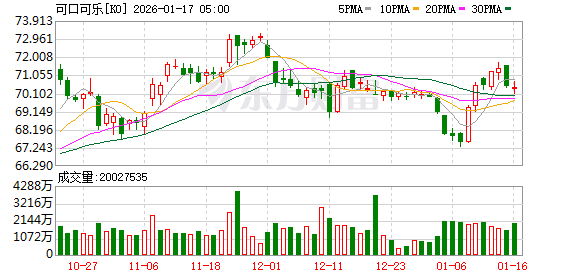
可口可乐中国启动2026马年新春活动 以文化创新+系统协同赋能春节消费
Sou Hu Cai Jing· 2026-01-19 12:06
Core Insights - Coca-Cola China officially launched its 2026 New Year series activities with a fireworks event in Chongqing, emphasizing the theme "Let’s Celebrate Together" to enhance consumer engagement during the Spring Festival [2][4] - The Spring Festival is a crucial consumption period in China, and Coca-Cola aims to strengthen its brand connection with this holiday through cultural expressions and product innovations [2][7] Group 1: Cultural and Product Innovation - Since 2022, Coca-Cola China has been integrating traditional Chinese culture into its product offerings, including zodiac-themed packaging and the introduction of fireworks elements in its products [4] - For the 2026 Year of the Horse, Coca-Cola China will launch a limited edition New Year fireworks can featuring traditional auspicious symbols, combining modern beverage marketing with traditional craftsmanship [4] Group 2: Multi-Brand Strategy - Coca-Cola China leverages its multi-brand portfolio, including Coca-Cola, Sprite, Minute Maid, Fanta, and Costa Coffee, to cover various consumer needs during the Spring Festival [4] - Each brand tailors its activities to specific consumption scenarios, ensuring a comprehensive approach to meet diverse consumer demands during the holiday [4] Group 3: Supply Chain and Market Strategy - Coca-Cola China has established a robust supply chain by collaborating with three major bottling partners and 46 factories nationwide to ensure stable product supply during the Spring Festival [6] - The company will initiate a "Market Impact Week" before the holiday to engage directly with consumers and gather market insights for future product planning [6] Group 4: Long-term Market Commitment - With over 40 years in the Chinese market, Coca-Cola aims to deepen its connection with local consumers by continuously innovating products and services tailored to their needs [7] - The brand seeks to become an indispensable part of the Chinese Spring Festival, revitalizing traditional celebrations and injecting new energy into the consumption market [7]

7天24小时100%用光伏电,构网型储能为弱电网安上定海神针
2 1 Shi Ji Jing Ji Bao Dao· 2025-12-01 10:49
Core Insights - The core focus of the "14th Five-Year Plan" is on "high quality," indicating a shift in the new energy storage industry from rapid growth to a balance of speed and quality [1] - The new energy storage sector is transitioning from policy-driven storage to market-oriented independent operations, with high quality, safety, and economic efficiency becoming the three key metrics for industry development [1][6] - The construction-type energy storage technology is deemed irreplaceable in stabilizing the new power system, providing essential support for renewable energy sources like solar and wind [1][6] Industry Developments - The Sichuan Ganzi Guodian Investment 40MW/80MWh storage project has successfully demonstrated 100% stable solar power supply for 7 days, showcasing the effectiveness of the construction-type energy storage system in extreme environments [2][4] - The project utilizes advanced technologies such as microsecond-level voltage support and millisecond-level inertia response to mitigate fluctuations in solar output [2][3] - The system's ability to seamlessly switch to off-grid operation without interruption exemplifies the critical role of construction-type technology in ensuring stable power supply [2][3] Technological Advancements - The industry is now competing on system-level capabilities rather than individual component performance, emphasizing the importance of overall system coordination [3] - The PowerTitan 3.0 AC storage platform, launched by the company, features a high energy density of 570kWh/m², which is the highest in the industry, and aims to reduce operational costs for owners [5] - The modular design of the PowerTitan platform allows for versatile applications across various scenarios, enhancing overall efficiency and safety [5] Market Trends - The National Energy Administration's recent guidelines emphasize the need for integrated development of energy sources, networks, loads, and storage, highlighting the importance of system collaboration [3] - The successful operation of the Ganzi project provides a replicable model for power supply solutions in remote areas, contributing to the reduction of carbon emissions and enhancing grid efficiency [4][6] - The industry is moving towards a market-oriented profit model, where energy storage not only stabilizes the grid but also generates continuous revenue for owners [4]

邓正红能源软实力:全球能源价值升级深层挑战 规则重构、需求驱动和系统协同
Sou Hu Cai Jing· 2025-11-10 12:34
Core Insights - Wood Mackenzie warns that global oil demand will continue to rise at least until 2032, indicating a deviation from the Paris Agreement goals [1] - The primary drivers of oil demand are transportation and petrochemical needs, despite significant investments in energy transition [1] - Fossil fuels still account for approximately 80% of global primary energy demand, highlighting the challenges in transitioning to renewable energy [1] Group 1: Energy Demand Dynamics - The report emphasizes that fossil fuels remain widely available and cost-competitive, deeply embedded in the energy system [1] - Coal demand reached a historical high last year and is expected to break records again this year, indicating persistent reliance on fossil fuels [1] - The surge in electricity consumption by data centers has led to a rush in building baseload power sources, underscoring the limitations of renewable energy to meet incremental demand [1] Group 2: Structural Challenges in Energy Transition - The findings align with Deng Zhenghong's soft power theory, which highlights the need for rule reconstruction, demand drivers, and system collaboration in energy value upgrades [2] - The report indicates that despite trillions invested in energy transition, fossil fuels still dominate due to the structural contradictions in the energy market [2] - The shift in market dominance is characterized by OPEC transitioning from a traditional production controller to a technology standard setter [2] Group 3: Demand-Driven Growth - Deng Zhenghong's demand-driven economic growth paradigm aligns with the report's conclusion on the continuous rise in oil demand [3] - Key factors include the growing global vehicle ownership, recovery in the aviation sector, and strong demand for petrochemical products in developing countries [3] - The industrialization processes in emerging markets, particularly in Asia and the Middle East, are driving rigid energy demand growth [3] Group 4: Energy System Imbalances - Deng Zhenghong's "soft-hard synergy" philosophy provides a framework for understanding the "energy overlay" phenomenon [4] - The report highlights the hard power of sufficient fossil fuel capacity and the soft power challenge of fragmented technology standard-setting [4] - Issues such as the weather dependency of renewable energy and the higher comprehensive costs (including storage) compared to thermal power reflect deep-seated imbalances in the energy system [4] Group 5: Pathways for Collaborative Development - Deng Zhenghong argues that energy transition is a false proposition, advocating for the clean transformation of fossil energy rather than a complete exit [5] - The report suggests that future competition will hinge on rule dominance, technology standards, and value innovation [5] - Key strategies include recognizing long-term energy demand curves, designing rules that balance emission reduction and energy security, and fostering dialogue between oil-producing and consuming countries [5]
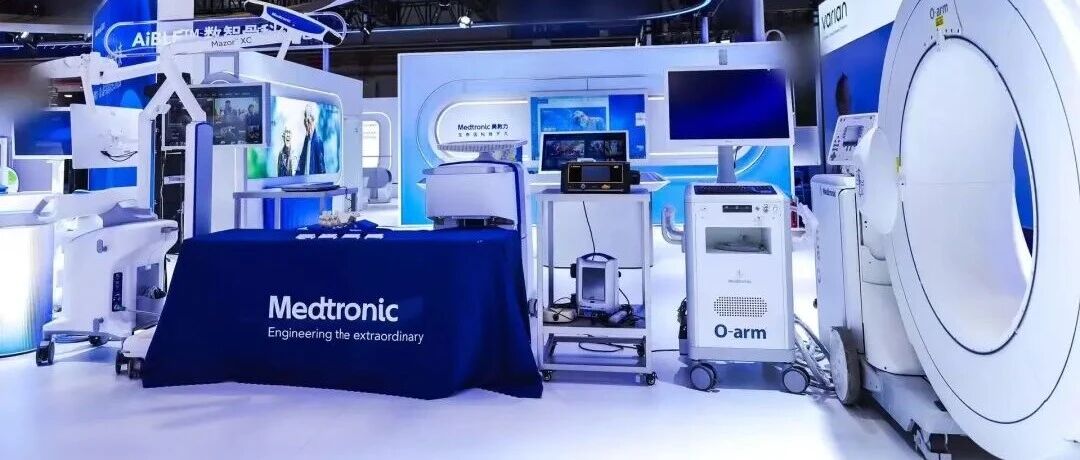
从碎片到共生:在进博看美敦力的系统思维
思宇MedTech· 2025-11-09 01:04
Core Insights - The article discusses the evolution of surgical intelligence over the past decade, highlighting the increasing complexity and density of systems in operating rooms, which has led to challenges in coordination and communication among devices [1][2] - Medtronic is attempting to address these challenges through the AiBLE™ digital innovation ecosystem, which aims to create a cohesive system that allows different surgical devices to communicate and collaborate effectively [3][5] System Structure: How AiBLE™ Creates a "Conversational Operating Room" - The key to enabling systems to "speak the same language" lies in establishing a common system syntax, allowing for collaboration among previously isolated modules [7] - AiBLE™ organizes system logic around therapy rather than individual products, facilitating the integration of various surgical aids to enhance treatment efficacy [8] - In orthopedic and neurosurgical ecosystems, Medtronic integrates multiple systems into a cohesive treatment chain, enabling full-process collaboration from preoperative planning to postoperative verification [10][12] Safety Mechanisms: Dual Safety Loops - AiBLE™ constructs a dual safety loop logic that combines spatial safety and functional safety, ensuring precision and stability during surgeries [13] - Spatial safety is achieved through multi-modal fusion and real-time feedback, allowing surgeons to visualize every operation and angle during high-risk procedures [14][15] - Functional safety focuses on preserving functionality and quality, utilizing advanced technologies to protect critical structures during surgery [16] Data Feedback: Enabling System "Memory" - Each surgical data feedback loop contributes to the system's re-training, transforming it from passive collaboration to active learning [18][19] System Dynamics: The Ecosystem's Ability to Absorb New Capabilities - The AiBLE™ ecosystem demonstrates its capacity for growth by integrating new technologies and capabilities, as showcased in recent innovations presented at the China International Import Expo [20] - Collaborations with various medical partners have led to advancements in surgical techniques, enhancing spatial and physiological understanding [21][28] System Evolution: From Connection to Self-Evolution - The significance of AiBLE™ extends beyond mere connectivity; it represents a living ecosystem capable of absorbing new technologies and evolving continuously [35][36] - The focus is on understanding and co-evolving rather than just connecting, positioning AiBLE™ as a sustainable surgical system that fosters collaborative growth among various therapies and partners [36]

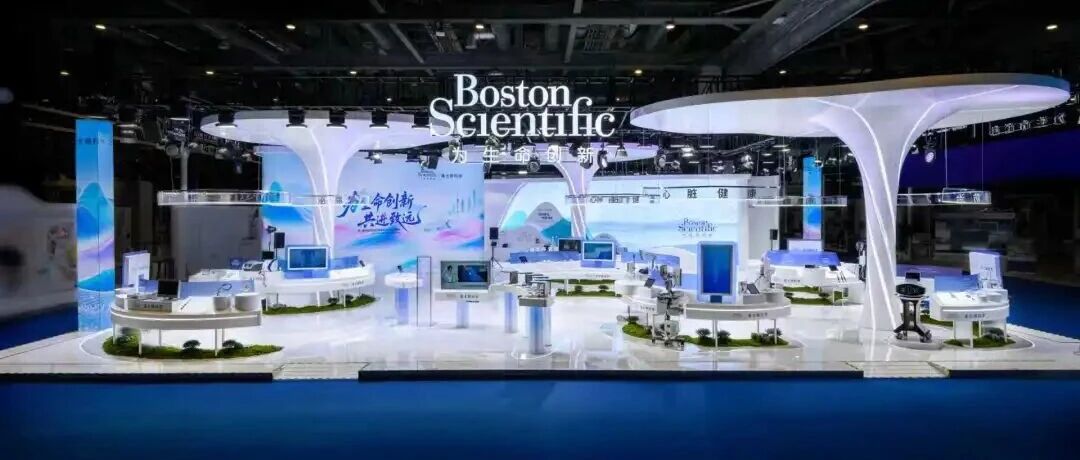
从进博首展首秀,看波士顿科学的“有效创新”逻辑
思宇MedTech· 2025-11-06 10:20
Core Viewpoint - The article emphasizes the importance of innovative medical technologies showcased at the China International Import Expo, particularly those that can effectively transition from exhibition to clinical application, highlighting Boston Scientific's commitment to "innovation for life" through its latest minimally invasive products [2][29]. Group 1: Cardiac Health Innovations - Boston Scientific introduced the FARAWAVE NAV catheter, a key component of the FARAPULSE PFA system, which utilizes non-thermal energy for precise cardiac ablation, minimizing damage to surrounding tissues [5][7]. - The FARAWAVE NAV features magnetic navigation and real-time modeling capabilities, enhancing procedural consistency and safety for both novice and experienced practitioners [7][10]. - The integration of the FARAPULSE PFA system with the WATCHMAN FLX Pro device represents a comprehensive approach to atrial fibrillation management, addressing both rhythm control and stroke prevention in a single treatment pathway [8][10]. Group 2: Urological Health Innovations - The AdVance XP system, designed specifically for male stress urinary incontinence, employs an anatomical repositioning technique to restore urinary control, marking a significant advancement in minimally invasive urological treatments [11][14]. - This system's design optimizes structure and materials for improved surgical control and patient outcomes, allowing for real-time adjustments during procedures [13][14]. - The clinical significance of AdVance XP extends beyond physical recovery, aiming to enhance patients' quality of life by addressing both physiological and psychological aspects of urinary incontinence [14][15]. Group 3: Peripheral Vascular Health Innovations - The ENROUTE device introduces a novel "reverse flow protection" mechanism for carotid artery reconstruction, providing real-time protection against embolic events during surgery [16][19]. - This approach is particularly beneficial for high-risk patients who may not tolerate traditional surgical methods, offering a safer alternative for carotid artery disease management [19][20]. - The shift in focus from merely achieving vascular access to ensuring procedural safety reflects a broader trend in minimally invasive techniques, emphasizing the importance of protective innovations in surgical practices [20][21]. Group 4: Diverse Clinical Applications - Boston Scientific also showcased three additional products targeting metabolic, circulatory, and oncological treatments, demonstrating its commitment to addressing a wide range of clinical needs [22][28]. - The Orbera 365 system offers a reversible weight loss solution through endoscopic gastric balloon placement, aligning with national health initiatives for weight management [22]. - TIVUS and Intera 3000 represent advancements in hypertension and cancer treatment, respectively, highlighting the company's strategy to innovate across multiple disease areas [24][26]. Group 5: Digital Solutions and Future Directions - The integration of AI technologies in Boston Scientific's offerings aims to enhance clinical decision-making through data-driven insights, reinforcing the company's "smart minimally invasive" strategy [29][30]. - The successful transition of 22 showcased products from exhibition to market underscores the importance of innovation in improving patient outcomes and accessibility to advanced medical technologies [29][30]. - The overarching goal of these innovations is to ensure that new technologies are not only functional but also closely aligned with the real needs of healthcare providers and patients [30].

国产先进封装的协同进程,究竟走到了哪一步?
势银芯链· 2025-10-31 03:01
Core Viewpoint - The article emphasizes the shift in the semiconductor industry from single-point breakthroughs to system-level collaboration, particularly in advanced packaging and chiplet technologies, driven by the increasing demand for computing power and the need for integrated solutions [4][5][15]. Industry Trends - The demand for computing power is surging, leading to a transition from "process racing" to "system collaboration" in the semiconductor industry [2][4]. - The Bay Area Semiconductor Industry Expo showcased the trend of system-level collaboration, with a focus on Chiplet and advanced packaging ecosystems [2][6]. System Collaboration - Advanced packaging competition is evolving from single-link breakthroughs to full-chain collaboration, necessitating synchronized advancements across design, EDA, manufacturing, and testing [4][14]. - EDA tools are becoming central to connecting design and manufacturing processes, crucial for the successful implementation of Chiplet and advanced packaging technologies [4][5]. Strategic Opportunities for China - China faces a strategic window to leverage its capabilities in packaging, design, and EDA, despite limitations in process technology [5][15]. - The establishment of collaborative mechanisms will define the future of domestic advanced packaging [5][11]. Collaborative Ecosystem - The "Chiplet and Advanced Packaging Ecosystem Zone" at the Bay Area Expo represented a significant step towards creating a visible collaborative framework involving nearly 30 entities [6][11]. - The integration of EDA platforms with real-time collaboration between design and manufacturing is being pursued to enhance system modeling and verification [8][10]. Pathway to Systematic Collaboration - The transition from "small closed loops" to "large systems" reflects a replicable collaborative model, moving from localized validation to systematic implementation [12][14]. - A cross-enterprise, cross-process, and cross-disciplinary collaborative framework is emerging, essential for the self-evolution of China's advanced packaging industry [14][15]. Innovation and Ecological Restructuring - Collaboration is becoming the foundational logic of China's advanced packaging sector, driving innovation and supporting systemic evolution [15][16]. - The redefinition of the innovation order and ecological landscape in the semiconductor industry is underway, led by domestic players like Silicon Core Technology [17][18].