塑料原料

Search documents
3000万天使融资背书,“塑大侠”如何用信任重构7000亿塑料原料市场?
Sou Hu Cai Jing· 2025-12-26 03:51
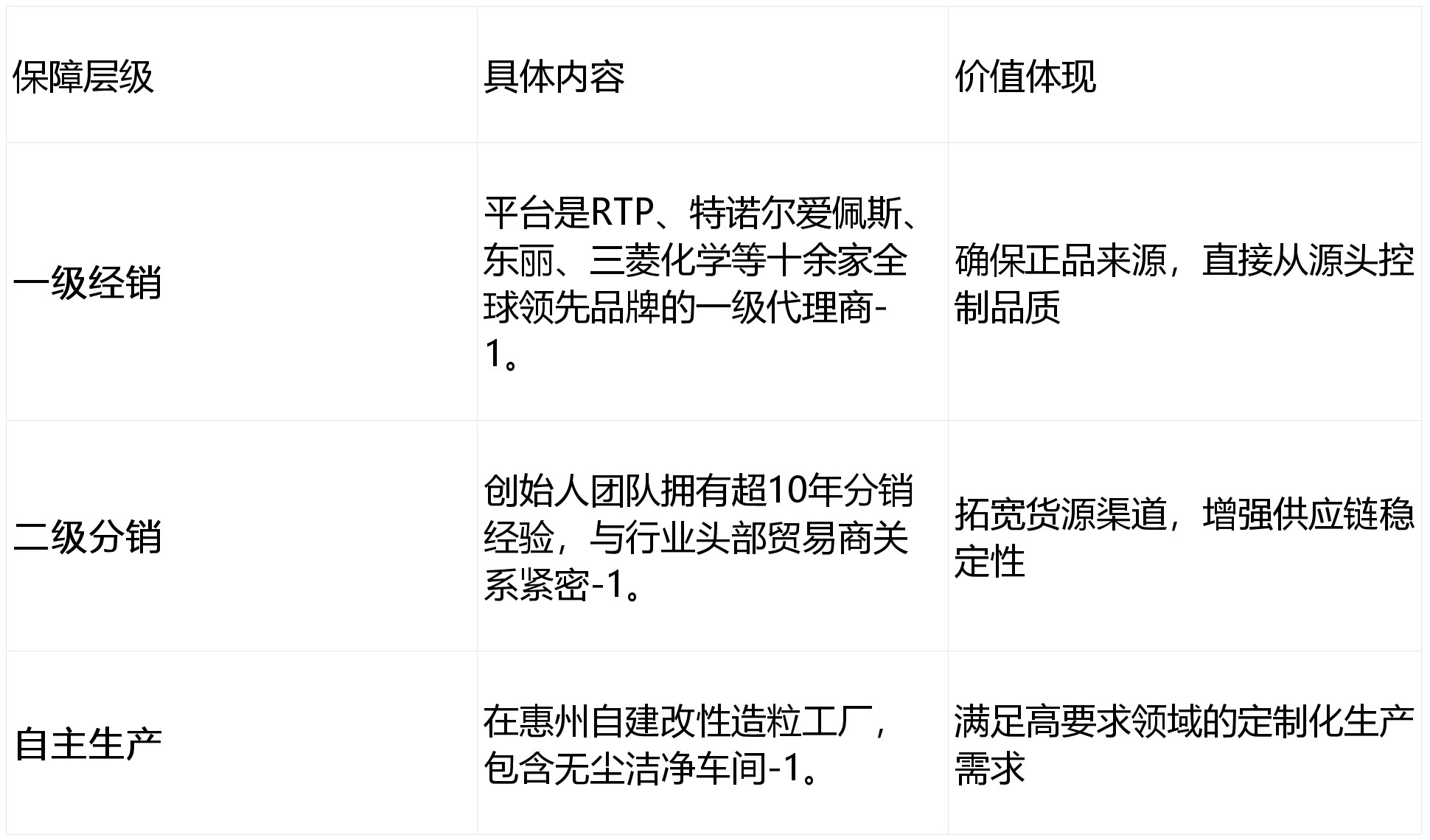
Core Insights - The plastic raw materials market in China is characterized by a lack of transparency and the prevalence of counterfeit products, leading to significant economic losses for downstream manufacturers, estimated at over 20 billion yuan annually [1] - The platform "塑大侠" (Plastic Knight) has completed a 30 million yuan angel round of financing, aiming to address these issues with a commitment to not sell counterfeit plastic [1][5] - The overall market for plastic products in China reached a production volume of 74.885 million tons in 2023, with a market size exceeding 700 billion yuan [1] Company Overview - "塑大侠" is not merely an information aggregator but a self-operated platform deeply involved in the supply chain, establishing a comprehensive and diverse triple-source guarantee system [2][3] - The platform's business model includes a digital marketplace available on both PC and mobile, aiming to build brand trust through innovative marketing and digital strategies [7] - The founding team has experience in creating successful industry-specific influencer brands, planning to leverage this to enhance "塑大侠" as an industry influencer [7] Business Model and Strategy - The long-term vision of "塑大侠" is to create a fully digital service platform covering the entire supply chain of plastic raw materials, including procurement, sales, warehousing, logistics, and financial services [7][8] - The initial focus is on utilizing AI and big data to become a foundational infrastructure in the plastic raw materials sector, transitioning from a basic trading platform to a comprehensive industry service platform [7] - The 30 million yuan funding will primarily support technology system development, initial supply chain capability construction, and market promotion, indicating a clear dual path of technology-driven and capital-supported implementation [8] Market Opportunities and Challenges - "塑大侠" faces both significant market opportunities and challenges in rapidly establishing scale and reputation within a traditional industry characterized by heavy assets and strong relationships [9] - If successful, the model of "genuine product assurance + full-chain service" could significantly reduce the gray market's presence and reshape profit distribution within the industry [10] - The investment in "塑大侠" signals a growing interest in innovative models that address core pain points in the manufacturing upgrade and supply chain restructuring context [10]

2025年10月,越南十大进口商品类别统计
Shang Wu Bu Wang Zhan· 2025-11-08 03:15
Core Insights - Vietnam's total imports in October 2025 reached $39.44 billion, reflecting a 1% decrease from the previous month [1] Import Data Summary - The top ten imported goods in October 2025 included: - Computers, electronic products, and accessories: $13.1 billion, down 6% from the previous month [1] - Machinery, equipment, tools, and accessories: $5.28 billion, down 2.3% [1] - Fabrics: $1.28 billion, down 1.9% [1] - Mobile phones and accessories: $1.2 billion, up 0.1% [1] - Common metals: $1.03 billion, up 16.7% [1] - Plastic raw materials: $1 billion, down 0.4% [1] - Steel: $996 million, up 23.9% [1] - Plastic products: $950 million, down 2.9% [1] - Steel products: $731 million, up 0.3% [1] - Chemicals: $720 million, up 10.1% [1]
中印都买俄罗斯石油,为何美国不制裁中国?美国二把手实话实说
Sou Hu Cai Jing· 2025-08-25 04:53
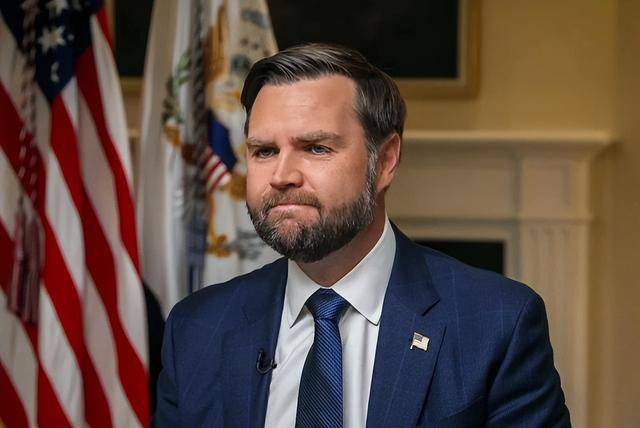
Group 1 - The core argument of the article is that the U.S. is strategically differentiating its approach towards India and China, particularly in the context of tariffs and sanctions related to Russian oil imports [1][3][19] - U.S. Vice President Vance indicated that the U.S. is not imposing similar sanctions on China as it has on India due to the high existing tariffs on China and the need for negotiation to end the trade war [5][11][12] - The economic interdependence between the U.S. and China complicates the imposition of sanctions, as both countries rely on each other for various goods and services, making such actions potentially self-damaging for the U.S. [6][10][11] Group 2 - The U.S. has recently canceled 91% of the tariffs imposed during the trade war, highlighting the economic damage both countries have suffered [7] - The U.S. agricultural sector, particularly in states like Iowa, is heavily reliant on the Chinese market for exports, indicating that any sanctions could lead to significant economic repercussions [7][8] - The U.S. is using tariffs on India as a strategic tool to pressure India into shifting its military procurement from Russia to the U.S., given India's heavy reliance on Russian arms [15][19] Group 3 - The article discusses India's response to U.S. tariffs, including efforts to settle oil transactions in rupees and plans to resell refined Russian oil to Europe, showcasing India's attempts to navigate the geopolitical landscape [21] - The U.S. is perceived to be selectively enforcing sanctions, focusing on India while ignoring larger Russian oil trade with Europe, which raises questions about the fairness of U.S. actions [21][15] - The overall dynamic reflects a broader geopolitical struggle where the U.S. seeks to balance its relationships with both India and China while managing its own economic interests [19][21]
今年前7个月,越南进口额最高的10种商品类别统计
Shang Wu Bu Wang Zhan· 2025-08-19 16:00
Core Insights - Vietnam's total import value reached approximately $252.26 billion by July 2025, marking a year-on-year increase of 17.9%, which translates to an increase of $38.35 billion compared to the same period last year [1] Group 1: Import Categories - The highest import category is computers, electronics, and components, with an import value of $81.78 billion, reflecting a growth of 37.2%, equivalent to an increase of $22.17 billion, accounting for nearly 32% of Vietnam's total imports [1] - The second-largest import category is machinery, equipment, tools, and spare parts, with an import value of $33.49 billion, showing a growth of 24.5%, which is an increase of $6.58 billion [1] - Other significant import categories include: - Fabrics: $8.75 billion, up 3.2% [1] - Plastic raw materials: $7.32 billion, up 11.58% [1] - Common metals: $6.38 billion, up 7.8% [1] - Plastic products: $5.93 billion, up 19.56% [1] - Mobile phones and components: $5.88 billion, up 8.3% [1] - Steel: $6.23 billion, down 9.6% [1] - Chemicals: $4.61 billion, down 6.1% [1] - Crude oil: $4.54 billion, down 10.45% [1] Group 2: Major Import Markets - The top five import markets for Vietnam in the first seven months of the year are China, South Korea, ASEAN, Japan, and the United States [2] - China remains the largest import market, with an import value of $101.45 billion, reflecting a growth of 27.2%, which is an increase of $21.71 billion, accounting for 40.2% of Vietnam's total imports [2]
上半年越南自美进口商品金额同比增长24.8%
Shang Wu Bu Wang Zhan· 2025-08-02 04:27
Group 1 - Vietnam imported goods worth 8.8 billion USD from the United States in the first half of 2025, representing a year-on-year increase of 24.8% [1] - The largest category of imports from the U.S. was computers, electronic products, and components, totaling 2.5 billion USD, which is a 35.9% increase and accounts for 29% of total imports [1] - Cotton imports reached 799.4 million USD, showing a significant year-on-year growth of 79.3%, making up 9% of total imports [1] Group 2 - Notable month-on-month increases in import values were observed in several categories, including plastic raw materials (up 48.8%), fruits and vegetables (up 43.7%), wood and wooden products (up 75.5%), precious stones and metals (up 55.4%), and candy and confectionery products (up 690.3%) [1]
最后关头倒向美国!东盟出现“叛徒”,中方一句话回应,早做好准备
Sou Hu Cai Jing· 2025-07-05 12:14
Core Viewpoint - The recent trade agreement between the U.S. and Vietnam is seen as a strategic move that undermines the interests of other countries, particularly China, amidst ongoing trade tensions initiated by the Trump administration [1][6]. Group 1: Trade Agreement Details - The agreement significantly reduces tariffs on Vietnamese goods exported to the U.S. from 46% to 20%, while imposing punitive tariffs of up to 40% on third-country goods transshipped through Vietnam [1][3]. - Vietnam has agreed to open its market to U.S. goods with zero tariffs across various sectors, including agricultural products and high-tech items, and has allowed U.S. customs to conduct inspections [3][4]. Group 2: Economic Implications for Vietnam - Vietnam's economy is heavily reliant on the U.S. market, with a trade surplus ranking third globally in 2024, trailing only China and Mexico [3]. - The agreement poses risks for Vietnam, as over 60% of its electronic components and 80% of its plastic materials are imported from China, making its manufacturing sector vulnerable to disruptions in trade relations with China [6][7]. Group 3: Reactions from China and Other Countries - China's Ministry of Foreign Affairs has expressed strong opposition to the agreement, emphasizing that negotiations should not harm third-party interests and warning of potential retaliatory measures [6][9]. - The agreement may encourage other ASEAN countries, such as Thailand and Malaysia, to follow suit, potentially impacting China's trade relations in the region [7][9]. Group 4: Broader Global Trade Dynamics - The U.S. stands to gain significantly from this agreement, enhancing its bargaining power in future trade negotiations and increasing customs revenue from tariffs [4][6]. - The agreement has also prompted India to accelerate its negotiations with the U.S. to prevent potential shifts in manufacturing away from India to other countries [7].