壁纸电视

Search documents
未知机构:大中华显示行业2月液晶电视面板价格环比上涨新款壁纸电视电竞显示器电子-20260227
未知机构· 2026-02-27 02:30
Summary of Conference Call Notes Industry Overview - The conference call discusses the display industry in Greater China, focusing on the price dynamics of liquid crystal television panels and the introduction of new products such as wallpaper TVs, gaming monitors, and electronic paper displays [1][2]. Key Points on Liquid Crystal Television Panel Prices - In February, the prices of 32-inch, 43-inch, 55-inch, and 65-inch liquid crystal television panels increased month-over-month (MoM) by 6%, 3%, 2%, and 2% respectively, reaching prices of $36, $65, $124, and $172 [1][2]. - Year-to-date price increases are noted, with respective increases of 6% for 32-inch, 3% for 43-inch, 2% for 55-inch, and 2% for 65-inch panels [2]. - Current prices are significantly lower than the peak prices in July 2021, with declines of 59%, 53%, 45%, and 40% for the respective sizes [1][2]. - The overall market is showing signs of recovery, indicating a healthier supply-demand balance in the panel market [2]. Company Performance Insights - E Ink reported a 12% month-over-month revenue growth in December, followed by an 8% increase in January, driven by demand from electronic shelf labels (ESL) and B2B customers [2]. - AUO (友达光电) experienced an 11% decline in January revenue due to seasonal slowdowns and inventory digestion [2]. - Innolux (群创光电) saw a 3% increase in January revenue, showing positive momentum following its acquisition of a pioneer company [2]. - Over the past 12 months, revenue growth for electronic paper and panel manufacturers was 15% and 2% year-over-year respectively [2]. Electronic Paper Market Growth - The electronic paper segment is outperforming traditional display sectors, attributed to innovative applications such as electronic labels that save labor, paper, and electricity, and electronic notebooks/e-readers that offer a less distracting and more eye-friendly reading experience compared to tablets [3]. Market Position of BOE - BOE (京东方) remains the global leader in display market share, with projected shares for December 2025 at 35% for large-size LCD, 33% for medium and small-size LCD, and 28% for LCD TVs [3]. - The market share for December 2024 is expected to be 35% for large-size LCD, 32% for medium and small-size LCD, and 26% for LCD TVs [3]. - This trend indicates that BOE is benefiting from industry consolidation, particularly in the large-size LCD panel sector, which has high capital expenditure burdens, and is transitioning towards larger sizes [3].

菜鸟送装取一体服务覆盖超大件,国补半个月天猫大家电大涨超90%
Sou Hu Cai Jing· 2026-01-23 00:51
Core Viewpoint - The implementation of the new round of national subsidies in 2026 has significantly boosted the sales of large home appliances, particularly high-end products, with Tmall reporting over a 90% month-on-month increase in sales of large appliances [1][3]. Group 1: Sales Growth and Trends - Tmall's home appliance sector has seen a remarkable increase in sales, especially for mid-to-high-end products, with 100-inch ultra-large screen TVs, wallpaper TVs, and new Mini LED technology TVs doubling in sales year-on-year [3][6]. - The demand for smart, energy-efficient, and high-quality home appliances has surged, with popular items including voice-controlled smart appliances, frost-free ultra-thin energy-saving refrigerators, and multi-zone washing and drying sets [3][6]. Group 2: Service Enhancements - Cainiao has upgraded its delivery and installation services for large home appliances, achieving a 95% delivery rate for 100-inch TVs by implementing specialized lifting services and training workers [4]. - The logistics improvements have enabled next-day delivery for large appliances in major cities across the country, enhancing the overall customer experience [4]. Group 3: Future Growth Potential - The combination of national subsidy policies and brand innovation is expected to drive explosive growth for new products such as wall-mounted TVs, air conditioners with fresh air functions, and multi-zone washing machines in 2026 [6].



做强实业 爱拼会赢——2025年民营企业迎难而上务实创新
Jing Ji Ri Bao· 2026-01-05 23:07
Group 1: BYD's Global Expansion - BYD's 14 millionth electric vehicle rolled off the production line in Brazil, marking a significant milestone for Chinese automakers in the South American market [1] - In 2025, BYD's overseas sales of passenger cars and pickups exceeded 1.0496 million units, a year-on-year increase of 145%, with a presence in over 119 countries and regions [1] - BYD's strategy focuses on local adaptation, including product customization, localized production, autonomous logistics, and brand contextualization to overcome market barriers [1][2] - The company emphasizes local talent recruitment, with approximately 80% of the workforce at its Brazilian factory being local residents [1] Group 2: Technological Advancements and Market Strategy - BYD plans to enhance its overseas market expansion and increase the global adoption of electric vehicles and renewable energy products [2] - The company aims to strengthen its technological leadership by investing in electric and intelligent technology, ensuring that innovations translate into market competitiveness [2] Group 3: SF Express's Logistics Innovations - SF Express has significantly increased its blueberry shipping volume from 50,000 items in 2018 to over 10 million items in 2025, enhancing the freshness experience for consumers [3] - The company has implemented a drone logistics network in key blueberry production areas, utilizing AI and high-spectral imaging technology to improve product quality [3] - SF Express has introduced a "late delivery compensation" service to enhance customer rights and service quality, initially launched in ten cities [4] Group 4: iFLYTEK's AI Developments - iFLYTEK's AI model has undergone five iterations in 2025, achieving core capabilities in language understanding and mathematical reasoning, supporting over 130 languages [5][6] - The company focuses on using domestic computing power for model training to ensure long-term development security and independence [6] - iFLYTEK has expanded its AI applications across various sectors, including education and automotive, serving millions of users and facilitating significant interaction volumes [6] Group 5: Yili's Industry Growth - Yili Group's intelligent production base in Inner Mongolia has a daily processing capacity of 6,500 tons of fresh milk, emphasizing quality control throughout the production chain [7] - The company has successfully developed technologies that significantly enhance the retention of lactoferrin in long-life milk products [7] - Yili aims to increase its international market share and product value, positioning itself as a leading global health food provider [8] Group 6: Skyworth's New Energy Business - Skyworth's new energy business revenue reached 13.801 billion yuan in the first half of 2025, a nearly 54% year-on-year increase, accounting for 38% of total revenue [9] - The company is developing a comprehensive green energy ecosystem through innovations in photovoltaic technology and integrated energy solutions [9][10] - Skyworth plans to enhance its competitiveness in smart home appliances and expand its presence in the global green energy market [10]




创维新能源业务增长提速
Jing Ji Ri Bao· 2026-01-05 22:07
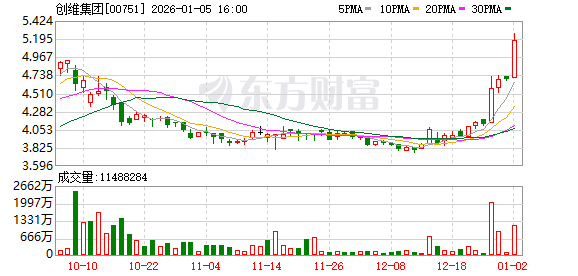
Group 1 - The core viewpoint of the article highlights Skyworth Group's breakthroughs in smart home appliances and new energy sectors, emphasizing the importance of technological innovation as a core competitive advantage [2] - Skyworth Group has introduced the "Chameleon Display Technology Platform," which encompasses a complete picture quality solution covering hardware, algorithms, and calibration [2] - The "Chameleon Micro-Optical Array" technology improves luminous efficiency by 8% compared to peers, while the overall thickness of the product is reduced by over 10% [2] Group 2 - In the first half of 2025, Skyworth Group's new energy business revenue reached 13.801 billion yuan, a year-on-year increase of nearly 54%, accounting for 38% of the total revenue [3] - The company is developing a complete integrated green energy ecosystem through innovations in photovoltaic technology and product development, including core equipment for photovoltaic power stations [3] - Skyworth Group plans to enhance its high-end strategy in smart home appliances and accelerate its "going global" strategy in the new energy sector to expand its share in the global green energy market [3]
家电企业借助广交会彰显“全球品牌力”
Zheng Quan Ri Bao· 2025-10-17 15:38
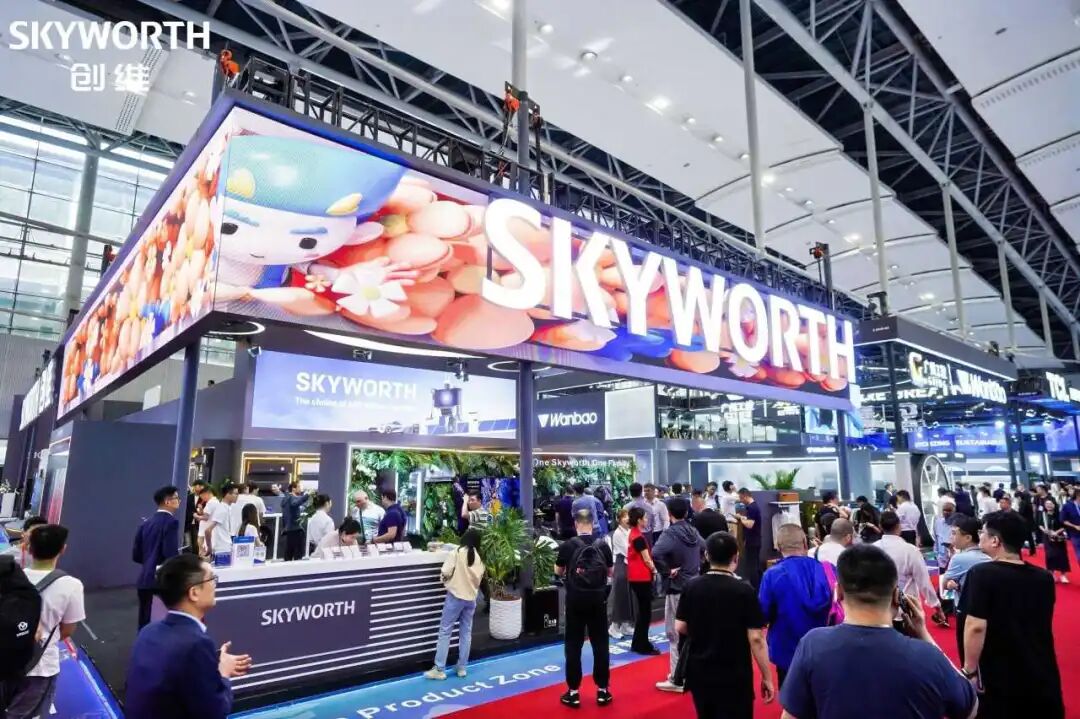
Core Insights - The 138th China Import and Export Fair (Canton Fair) is witnessing a record high in the number of exhibitors and booths, with approximately 3,600 enterprises participating for the first time [1] - Chinese home appliance companies are shifting their focus from merely exporting products to promoting brands and ecosystems on a global scale [1] Group 1: Competitive Strategies - Home appliance companies are moving away from low-price order-seeking strategies, instead emphasizing technology, branding, and scenario-based applications [2] - Major brands are showcasing integrated smart home solutions that combine AI technology, demonstrating a future lifestyle through immersive home environment simulations [2] - Gree Electric Appliances showcased 130 products at the fair, highlighting a full industry chain from core components to complete solutions [2] Group 2: Market Customization - Companies are implementing targeted strategies based on specific demands in different overseas markets, such as energy-efficient products for Europe and high-efficiency cooling systems for the Middle East [3] - This "one country, one policy" approach reflects the precision and depth of Chinese home appliance companies in global markets [3] Group 3: Sustainability Focus - Nearly all participating home appliance companies are prioritizing "green," "environmental," and "sustainable" themes in their promotions, aligning with global carbon neutrality goals and gaining access to high-end markets [4] Group 4: Market Expansion - The Canton Fair serves as a catalyst for global expansion, with companies reinforcing their presence in traditional markets while also targeting emerging markets in the Middle East, Africa, and Latin America [5] - Companies are establishing local R&D centers, production bases, and after-sales service systems to enhance their responsiveness to regional market demands [5][6] Group 5: Supply Chain Resilience - Home appliance companies are showcasing their supply chain resilience and flexibility at the fair, attracting global buyers to build stable and efficient supply-demand relationships [6] - The upcoming World Cup is expected to boost demand for televisions in South America and Europe, with optimistic export forecasts for the upcoming quarters [6]
创维2025年中报:穿越周期的「双轮驱动」样本
Xin Lang Ke Ji· 2025-09-01 14:50
Core Insights - The article highlights how Skyworth Group achieved a remarkable mid-year performance with a revenue of 36.264 billion yuan, representing a year-on-year growth of 20.3%, positioning itself as a model for growth in the manufacturing sector amidst a challenging market environment [2][3]. Revenue Breakdown - The company's revenue is segmented, with 13.801 billion yuan coming from its new energy business, which saw an impressive growth rate of nearly 54% despite the overall photovoltaic industry facing challenges due to falling silicon prices [5]. - The home appliance segment generated 17 billion yuan, transitioning from hardware sales to a comprehensive ecosystem that includes data operations and value-added services [7]. Innovation and R&D - Skyworth invested 1 billion yuan in R&D during the first half of 2025, focusing on AI algorithms, energy storage, and vehicle display technologies, which is only 2.8% of its revenue but is crucial for future growth [13]. - The company has digitized its entire process from demand insight to after-sales service, transforming R&D into a central hub that connects its new energy, home appliance, and automotive display businesses [13]. Future Outlook - The company has successfully transitioned from a traditional home appliance manufacturer to a green energy operator and AI terminal platform, leveraging new energy to create significant growth opportunities and using global expansion to mitigate market fluctuations [15]. - The narrative for the next decade will focus on maximizing the value of green energy, appliances, and data within a global digital-energy cycle, marking a shift in the company's strategic direction [16].
“6.18”收官战正酣 连云港电商冲刺“最后一公里”
Sou Hu Cai Jing· 2025-06-17 15:26
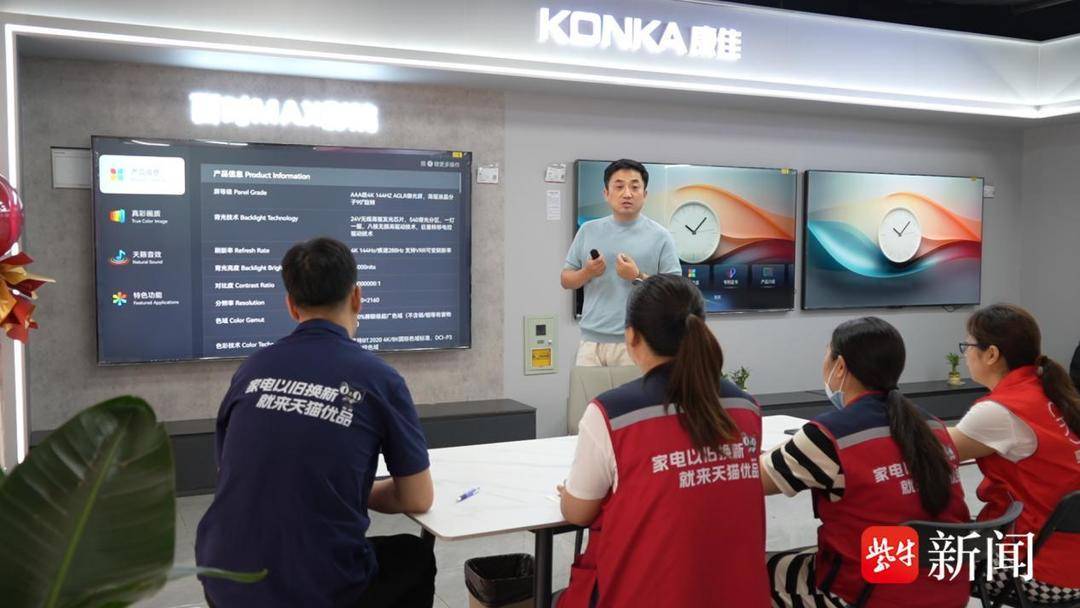
Core Insights - Jiangsu Province's e-commerce companies are ramping up efforts to capture the last consumer surge as the "6.18" mid-year shopping festival approaches, supported by government subsidies, efficient smart logistics, and the ongoing popularity of live-streaming sales [1][7]. Group 1: Government Support and Consumer Incentives - The combination of government subsidies and manufacturer discounts has emerged as the highlight of this year's promotional season, with a notable increase in the availability of consumer vouchers [3][7]. - The "trade-in" national subsidy policy has shown significant results, with 20% of the consumer voucher subsidy becoming increasingly scarce, prompting companies to assist consumers in securing these vouchers [3][7]. - For instance, a Konka wallpaper TV originally priced at 7000 yuan is being offered at a 30% discount compared to market price due to additional manufacturer discounts on top of the national subsidy [3]. Group 2: Smart Logistics and Supply Chain Optimization - The smart logistics system is providing robust support for e-commerce promotions, with companies like Yongchang Paper utilizing automated equipment for efficient sorting in their 6000 square meter intelligent warehouse [5]. - By optimizing the supply chain and participating in platform-wide subsidy initiatives, companies expect a 30% increase in sales during the "6.18" event [5]. - A total of 32 e-commerce platform stores have been stocked with goods, utilizing vertical shelving for precise inventory management [5]. Group 3: Market Strategies and Long-term Development - E-commerce has been identified as a key driver for expanding domestic demand and promoting consumption, with initiatives like the "5.18 Online Shopping Season" set to stimulate the market [7]. - The introduction of the "Bailu Mountain Cup Live Streaming Entrepreneurship Competition" aims to cultivate new live-streaming hosts across seven sectors, including home appliances and health products [7]. - Local companies are employing three main strategies to engage deeply in the promotional event: leveraging dual subsidies from government and manufacturers, reducing logistics costs through smart warehousing, and expanding market reach via new channels like live streaming [7].

618电视价格战白热化:32吋电视低至400元,头部企业毛利率不足20%
Sou Hu Cai Jing· 2025-06-06 10:06
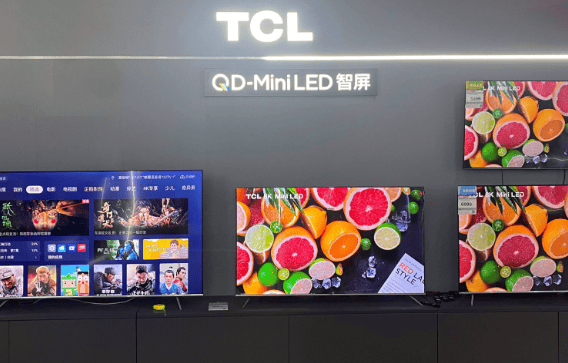
Core Viewpoint - The television market is experiencing a price war, particularly in the 32-inch segment, with prices dropping to around 500 yuan, but there are notable differences between online and offline sales channels [2][3][11]. Group 1: Market Trends - The online television market is expected to see significant growth during the 618 shopping festival, with sales projected to reach 5.44 billion yuan, a 22% increase year-on-year [3]. - The average price of televisions online is expected to rise to 3,664 yuan, a 14% increase, while offline prices are projected to be 7,194 yuan, up 7.5% [3]. - The 32-inch television segment is seeing intense competition, with many manufacturers launching models priced around 400-500 yuan [16][22]. Group 2: Price Dynamics - Several brands have introduced 32-inch televisions at low prices, such as Philips at 424 yuan and TCL at 509 yuan after subsidies [4][5]. - The price drop in the 32-inch segment is attributed to a combination of national subsidies and a focus on inventory clearance strategies by manufacturers [11][14]. - The cost structure of televisions shows that panel prices significantly influence retail prices, with panel costs accounting for 52% of total costs [12]. Group 3: Consumer Behavior - Offline consumers tend to prioritize picture quality and the ability to see the product in person, contrasting with online consumers who focus more on price [9][10]. - There is a growing trend towards larger televisions, with consumers increasingly opting for high-end products rather than just low-priced options [23][24]. Group 4: Company Performance - Companies like TCL and Hisense have reported revenue growth despite low profit margins, with TCL's revenue reaching 99.32 billion HKD, a 25.7% increase [19]. - Konka, however, has faced significant losses, with a revenue decline of 37.73% and a net loss of 3.296 billion yuan, attributed to intensified market competition [21]. - The overall profitability of television manufacturers remains low, with many operating at margins below 20% [17][18].

财报观察| 海尔、美的、海信营利双增,创维归母净利下滑近5成
Sou Hu Cai Jing· 2025-04-02 03:50
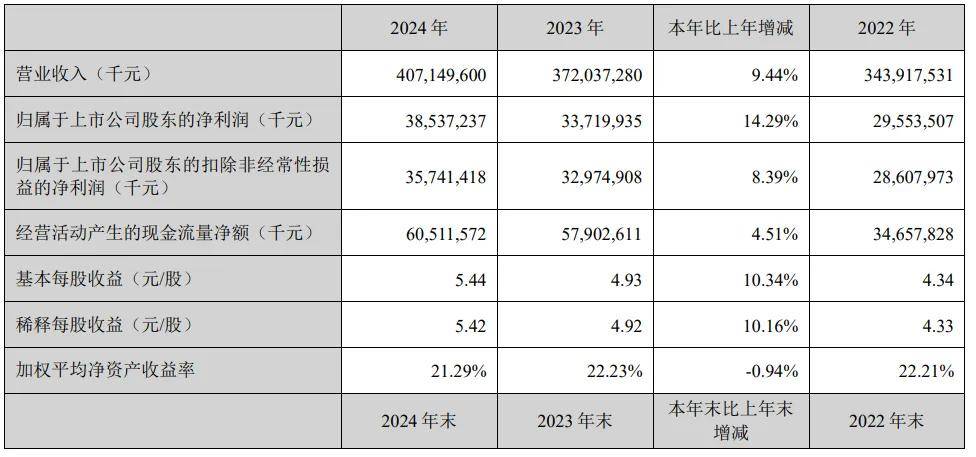
Industry Overview - The Chinese home appliance industry is undergoing a strategic transformation from scale-driven to value-driven amidst profound changes in global manufacturing [1] - The 2024 performance of the industry shows a stark contrast, with leading companies like Midea, Haier, and Hisense achieving revenue and profit growth, while Skyworth faces significant declines due to structural imbalances [1] Midea Group - Midea Group reported total revenue of 409.1 billion yuan in 2024, a year-on-year increase of 9.44%, and a net profit of 38.5 billion yuan, up 14.29%, marking a historical high [2][3] - The company’s cash flow from operating activities reached 60.5 billion yuan, 1.56 times its net profit, indicating strong profitability [2] - Midea has successfully established a dual-driven model of "smart home + commercial and industrial solutions," with ToB business revenue exceeding 100 billion yuan for the first time, reaching 104.5 billion yuan, a 6.9% increase [3][4] Haier Smart Home - Haier Smart Home achieved revenue of 285.98 billion yuan in 2024, a 4.29% increase, and a net profit of 18.74 billion yuan, up 12.92%, reflecting improved operational quality [5][6] - The Casarte brand continues to lead in the high-end market, with significant growth in revenue, particularly in the fourth quarter [6][7] - Haier's overseas revenue reached 143.81 billion yuan, a 5.43% increase, with emerging markets showing strong performance [7] Hisense Home Appliances - Hisense reported total revenue of 92.75 billion yuan in 2024, an 8.35% increase, and a net profit of 3.35 billion yuan, up 17.99%, showcasing strong profitability [8][9] - The company’s kitchen appliance segment grew by 72%, with significant advancements in product innovation [10] - Hisense's overseas revenue surpassed 35.6 billion yuan, a 28% increase, with a notable rise in market share in Europe and South Africa [11] Skyworth Group - Skyworth's total revenue for 2024 was 65.01 billion yuan, a decrease of 5.8%, with net profit dropping by 46.9% to 568 million yuan, indicating significant operational challenges [12][13] - The company remains heavily reliant on its smart home and photovoltaic businesses, which account for over 80% of total revenue [12][15] - The photovoltaic segment saw a revenue decline of 13.1%, attributed to market challenges and policy uncertainties [15][16] Future Outlook - The home appliance industry is experiencing structural changes, with leading companies strengthening competitive barriers through technological innovation and global expansion [17] - The integration of AI technology into home appliances is reshaping the competitive landscape, with significant market share growth expected for AI-enabled products [17] - The trend of increasing overseas revenue and brand output among leading companies indicates a shift from product export to brand export, with emerging markets becoming key growth drivers [17][18]



逐鹿10万亿“三家”市场,向存量要增长
吴晓波频道· 2025-03-27 16:49
Core Viewpoint - The home appliance, home decoration, and home furnishing industries are crucial for stimulating domestic demand in the current macroeconomic environment, transitioning from reliance on real estate to self-driven transformation and innovation, with platforms like Xiaohongshu playing a significant role in this shift [3][5][7]. Group 1: Industry Trends - The home appliance sector experienced a retail sales revenue of 1,030.7 billion yuan in 2024, marking a 12.3% increase year-on-year, surpassing the previous peak in 2017 [5]. - The home decoration and furnishing industries are expected to see a recovery in performance due to government subsidies, with the custom home furnishing sector projected to contribute 10% to 20% growth from the first wave of subsidy policies [7]. - The average renovation rate for existing homes is 2.6% nationwide, with 3.5% in first- and second-tier cities, indicating a robust demand for home renovations driven by the large stock of existing homes [7][8]. Group 2: Consumer Behavior - Xiaohongshu has become a vital platform for consumer decision-making in home life, with 89% of users searching for home appliance and furnishing products on the platform before making purchases [15][17]. - The platform's community content has seen an 87.3% increase in notes related to home furnishing, with a 403% rise in search volume for related categories, significantly outpacing industry averages [17]. - The younger generation, comprising 50% of users born after 1995 and 35% born after 2000, is driving over 40% of global consumption growth, making Xiaohongshu a key player in reaching this demographic [11][19]. Group 3: Innovation and Collaboration - Xiaohongshu has facilitated innovative product development, exemplified by the "Bag Chair," which achieved over 10 million yuan in GMV within ten days of launch, driven by insights from user data [22]. - The platform has enabled brands to redefine their marketing strategies, shifting from traditional methods to leveraging social media and community insights for consumer engagement [13][25]. - The collaboration between Xiaohongshu and brands has led to the creation of new product categories, such as "Little Private Bath" for water heaters, expanding the target audience beyond traditional home furnishing consumers [22][23]. Group 4: Economic Impact - In 2024, final consumption expenditure contributed 44.5% to economic growth, with the home furnishing and appliance industries representing a combined market space of over 10 trillion yuan, accounting for more than 20% of China's consumer market [27][28]. - The shift towards a consumption-driven economy necessitates a focus on fulfilling consumer desires for a better life, which is seen as a key driver for business transformation and growth in the home appliance and furnishing sectors [28][30].