多智能体系统

Search documents
AI重写银行运营规则:多智能体时代已经到来
麦肯锡· 2026-03-10 07:24
Core Insights - The article emphasizes that the banking industry is at a pivotal moment for operational restructuring driven by AI, particularly multi-agent systems, which can lead to significant efficiency gains and cost reductions [2][3][4]. Group 1: AI's Role in Banking Transformation - AI is evolving from an optional tool to a core engine for restructuring banking operations, addressing the high operational costs that account for 60% to 70% of total costs [3][4]. - The integration of AI with traditional automation can potentially reduce costs in certain categories by up to 70%, with overall cost bases expected to decline by 15% to 20% even after accounting for short-term technology investments [3][4]. Group 2: Economic Value and Investment Trends - The banking sector's investment in AI reached $35 billion in 2023, projected to approach $100 billion by 2027, indicating a strong trend towards AI adoption [4]. - Regulatory environments in Asia are becoming more favorable for AI innovation, as seen in Hong Kong's AI policy declaration aimed at encouraging technology application while enhancing cybersecurity and data privacy [4]. Group 3: Multi-Agent Systems - Multi-agent systems represent a new paradigm in banking operations, functioning as "digital colleagues" that can collaborate and optimize workflows through continuous learning [5]. - These systems enhance automation by addressing non-structured tasks and can provide personalized services at scale, significantly improving efficiency [5]. Group 4: Early Adopters and Their Success - Less than 10% of banks have achieved large-scale AI application, but early adopters like ING and DBS Bank are seeing efficiency improvements of 30% to 50% and productivity increases of 2 to 3 times [6]. - Successful implementations include personalized customer communication and streamlined operational processes, showcasing the tangible benefits of AI integration [6]. Group 5: Urgency for Enterprise-Level Transformation - The shift towards multi-agent systems is redefining the nature of work in banks, allowing teams to focus on value creation rather than routine tasks [7]. - Banks must transition their operational models from cost centers to strategic enablers, emphasizing the need for organizational change rather than just technological upgrades [9]. Group 6: Key Areas for Transformation - The article identifies ten critical areas within banking operations that represent significant value pools, including customer journey management, credit operations, and fraud prevention [11]. - Implementing multi-agent systems in these areas can lead to profound changes in operational models, enhancing compliance, transparency, and organizational resilience [11]. Group 7: Challenges in Scaling AI - Many banks remain in pilot phases for AI deployment, often due to a lack of clear business value objectives and underestimating the complexities of change management [18]. - Successful AI transformation requires a focus on business value, talent development, cross-functional collaboration, and a robust governance framework [18]. Group 8: Strategic Steps for Transformation - Banks are encouraged to adopt a business-first mindset, quantify value opportunities, and redesign core processes to integrate AI effectively [19]. - The article outlines a five-step approach for banks to follow in their transformation journey, emphasizing the importance of phased implementation and governance [19].


北京形成人工智能闭环式产业生态
Bei Jing Shang Bao· 2026-01-25 17:18
Core Insights - The artificial intelligence industry has transitioned from a phase of technological exploration to a focus on practical applications, with a notable shift towards multi-agent systems that outperform single-agent systems in specific tasks [1] - AI is expanding beyond digital realms into the physical world, moving towards multimodal models and addressing core challenges such as temporal and spatial cognition [1] - Beijing is positioned as a central hub for AI development, benefiting from a comprehensive ecosystem that supports industry growth [1] Industry Development - By 2025, Beijing's core AI industry is expected to reach a scale of 450 billion yuan, with over 2,500 companies, accounting for approximately half of the national figures [2] - The city is home to nearly 60 listed companies and around 40 unicorns in the AI sector, including the first domestic AI chip and large model companies [2] - Beijing has 148 scholars listed in the "AI 2000 Global Most Influential Scholars" list, representing over 40% of the national total, with a total of 15,000 AI scholars in the city [2] Ecosystem and Policy Support - A comprehensive policy framework and a complete layout from foundational computing power to application scenarios have created a closed-loop industrial ecosystem in Beijing [2] - The collaboration between research institutions, enterprises, and policy levels is driving breakthroughs in new technologies and applications in the AI field [2] - There is an expectation that 2026 will be a pivotal year for the explosion of intelligent agents in China [2]
对话市政协委员王仲远:北京形成了人工智能闭环式产业生态
Bei Jing Shang Bao· 2026-01-25 12:20
Core Insights - The artificial intelligence industry has transitioned from a phase of rapid development to a more pragmatic focus on application effectiveness, particularly moving from single-agent systems to multi-agent systems [1][3] - Beijing is positioned as a core hub for AI development, with a comprehensive ecosystem that supports the industry through policies, talent, and technological advancements [2][4] Industry Trends - The development of large language models has slowed, while their application in real-world scenarios is accelerating, emphasizing the shift towards multi-agent systems that outperform single-agent systems [3][10] - AI is expanding from the digital realm into the physical world, necessitating advancements in multi-modal models and world models to tackle challenges in spatial-temporal cognition and physical reasoning [4][10] Market Potential - By 2025, Beijing's AI core industry is expected to reach a scale of 450 billion yuan, with over 2,500 companies, accounting for approximately half of the national figures [2] - The city is home to nearly 60 listed AI companies and around 40 unicorns, showcasing its leadership in the AI sector [2] Talent Development - Beijing boasts a significant talent pool, with 148 individuals listed among the "AI 2000 Global Influential Scholars," representing over 40% of the national total [2][4] - The city has a complete talent development chain, supported by top universities and research institutions, which cultivates leading AI professionals [7][8] Policy Support - The policy framework in Beijing is comprehensive and practical, fostering both disruptive innovation and the development of new research institutions, which contributes to a closed-loop industrial ecosystem [6][10] - The government encourages collaboration between research institutions, enterprises, and policy-makers to drive breakthroughs in AI applications [2][6] Future Outlook - The focus for Beijing's AI industry will be on promoting the application of large models and multi-agent systems, with expectations for significant advancements by 2026 [9][10] - The integration of AI into various sectors, including government services, is anticipated to enhance the practical utility of multi-agent systems [9][10]
Manus和它的「8000万名员工」
36氪· 2026-01-13 10:14
Core Insights - Manus represents a significant paradigm shift in AI applications, transitioning from content generation to autonomous task completion, marking a "DeepSeek moment" in the industry [5][6]. - The Manus model is characterized by three core values: it is the first company with over 80 million "employees," it functions as an "artificial intelligence operating system," and it signifies a potential leap in human civilization by enhancing productivity [7][8]. Manus Model and Its Impact - Manus has created over 80 million virtual computing instances, which are crucial for its operational model, allowing AI to autonomously handle complex tasks [10][11]. - The Manus model is compared to the mobile internet era, where cloud computing served as the backbone for numerous virtual machines operated by humans, whereas Manus utilizes AI to operate these virtual machines independently [11][12]. - The Manus system signifies a shift in core operators from humans to AI, indicating a potential 0.5-level leap in human civilization as AI takes over digital economy-related jobs [13][14]. AI Application's "DeepSeek Moment" - The release of Anthropic's multi-agent system demonstrated a 90.2% performance improvement in handling complex tasks compared to single-agent systems, highlighting the importance of collaboration among AI [15][19]. - The Manus architecture emphasizes a division of labor among AI agents, enhancing efficiency and enabling them to tackle complex problems collaboratively [17][21]. - Manus achieved an annual recurring revenue (ARR) of over $100 million within a year of launch, indicating strong commercial viability and interest in its offerings [21][22]. Technological Foundations of Multi-Agent Systems - Manus's multi-agent system relies on several core technologies, including virtual machines for secure execution environments and resource pooling for efficient utilization [25][26]. - The virtual machine architecture allows for isolated execution of tasks, addressing compatibility issues and ensuring data security [28][29]. - The intelligent orchestration of resources enables Manus to dynamically allocate models based on task complexity, significantly reducing token consumption [31][32]. Competitive Landscape and Industry Dynamics - Major tech companies are rapidly adopting multi-agent systems, recognizing their potential to enhance the capabilities of existing large models and redefine human-computer interaction [36][37]. - In the domestic market, companies like Alibaba, Tencent, and Baidu are exploring multi-agent systems, indicating a competitive environment for AI development [38][39]. - The emergence of new players like Kimi, which has secured significant funding to enhance multi-agent system development, suggests a growing interest and investment in this area [40]. Evolution of Human Roles in the AI Era - The relationship between humans and AI is evolving from "operator-tool" to "manager-team," with humans focusing on task design and oversight while AI handles execution [42][43]. - The automation of routine creative tasks by multi-agent systems may reduce demand for lower-level creative jobs while amplifying the value of higher-level creative work [43][44]. - The structural transformation of organizations is anticipated, with multi-agent systems enabling flatter hierarchies and redefining the ownership of production resources [44][45]. Challenges and Considerations - Data sovereignty and system security are critical concerns as multi-agent systems evolve, necessitating new frameworks for data ownership and quality assurance [46][47]. - The complexity of ensuring safety in multi-agent interactions poses significant challenges, requiring robust monitoring and validation mechanisms [49][50]. - The balance between security and efficiency remains a fundamental issue, as achieving absolute security may compromise system performance [50][51].

AI要“干活”了!2026年这些趋势+风险必看
2 1 Shi Ji Jing Ji Bao Dao· 2025-12-04 09:47
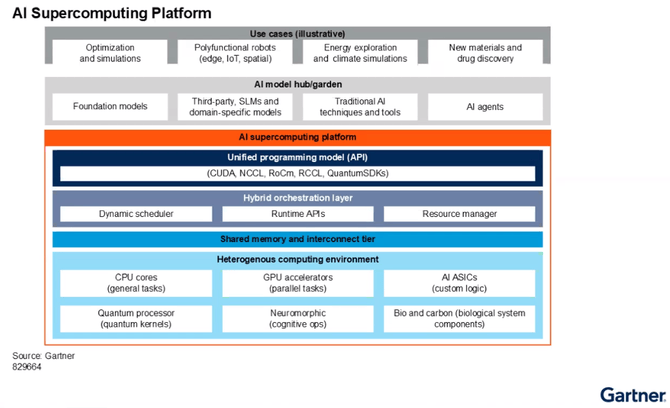
Core Insights - AI large model technology is rapidly entering everyday life, accompanied by potential threats, as highlighted by Gartner's report on the top ten strategic technology trends for 2026, with over half related to AI [1][12] - AI plays a dual role as both a foundation for innovation and a source of new security risks, necessitating a balance between value creation and threat prevention in corporate strategies [1][12] Group 1: AI Technology Trends - Gartner emphasizes four key technologies: AI-Native Development Platforms, Domain-Specific Language Models, Multiagent Systems, and Physical AI [2] - By 2030, it is predicted that 80% of enterprises will transform large software engineering teams into smaller, agile teams empowered by AI-native development platforms [3] Group 2: Domain-Specific Language Models - Domain-Specific Language Models, particularly those trained on proprietary enterprise data, can provide significant operational value, shifting AI from general capabilities to specialized applications [6] - For instance, using internal data for AI training can enhance efficiency in manufacturing by providing quick solutions to machine faults through natural language queries [6] Group 3: Multiagent Systems - The development of multiagent systems is moving from isolated AI agents to collaborative teamwork, improving task success rates and adaptability to changing enterprise needs [6] Group 4: Physical AI - Physical AI is currently focused on fully autonomous vehicles and robotics, with two main implementation approaches: Visual Language Models and World Models [7][8] - By 2028, it is expected that 80% of warehouses will utilize robotic technology or automation [8] Group 5: AI Supercomputing Platforms - The foundation for these applications is the construction of AI supercomputing platforms, integrating various computing chips to handle complex data processing tasks [8] - Enhancing computational efficiency and connectivity is crucial, as demonstrated by NVIDIA's recent technologies that link quantum computing with traditional supercomputers [9] Group 6: Transition from Possibility to Value - The period from 2023 to 2024 is identified as the "technology explosion" phase for AI, while 2025 to 2026 will focus on delivering tangible value [10] - Companies will shift from seeking universal models to more cost-effective, domain-specific models, emphasizing practicality over model worship [10] Group 7: AI Integration Challenges - Integrating AI capabilities into existing workflows requires significant organizational changes, including software restructuring, team reorganization, and employee retraining [11] - The main challenges for AI deployment will transition from technical issues to engineering and business problems, focusing on reliable, compliant, and profitable operations [11] Group 8: AI Security Threats - The rapid advancement of AI presents significant security threats, including AI-driven attacks that can lead to identity fraud and phishing [12] - Proactive network security, utilizing AI for predictive threat intelligence and automated defenses, is projected to become a critical technology by 2026 [12] Group 9: Future of AI Security Solutions - By 2030, proactive defense solutions are expected to account for half of enterprise security spending, with AI security platforms providing unified protection mechanisms [12] - The future AI landscape will be characterized by innovation and risk, necessitating robust security measures to ensure AI serves as a catalyst for business growth [12]
Gartner 2026战略技术趋势:AI原生、多智能体与物理AI引领产业变革
Sou Hu Cai Jing· 2025-11-11 03:39
Core Insights - Gartner's Vice President, Gao Ting, presented ten strategic technology trends for 2026, focusing on themes of "architects, coordinators, and sentinels," covering areas such as AI-native development, multi-agent systems, physical AI, and cybersecurity [1] Group 1: AI Native Development - AI-native development platforms are seen as the core of next-generation software engineering, utilizing "ambient programming" to generate complete applications or assist developers in coding [2] - Currently, 20%-40% of code in some tech companies is generated by AI, indicating a shift in software development from efficiency tools to a new development paradigm [2] Group 2: AI Supercomputing Platforms - The demand for computing power in AI is growing exponentially, with AI supercomputing platforms characterized by hybrid AI computing and scheduling capabilities [3][7] - Technologies like NVIDIA's NVQLink and CUDA-Q enable the integration of quantum computing with classical supercomputing, enhancing task scheduling across architectures [3] Group 3: Multi-Agent Systems - Multi-agent systems improve reliability in executing complex tasks by breaking down tasks and allowing different agents to collaborate, addressing the limitations of single-agent systems [8][9] - This approach represents a key step in AI evolving from a "tool" to a "collaborator," reflecting a management mindset of "AI teamwork" [9] Group 4: Domain-Specific Language Models - The high failure rate of enterprise AI projects (95%) is attributed to general models lacking business understanding, which domain-specific language models aim to address through retraining with industry data [10] - Companies must invest in data governance and domain training to effectively utilize AI, avoiding the pitfall of having "models without intelligence" [10] Group 5: Physical AI - Physical AI refers to AI systems that interact with the real world, primarily in applications like autonomous driving and robotics, utilizing VLA models and "world models" [11] - This technology serves as a bridge between AI and the real economy, gradually replacing repetitive labor in sectors like manufacturing and logistics [11] Group 6: Proactive Cybersecurity - AI-driven attacks are lowering the barriers for hackers, necessitating the development of proactive cybersecurity systems that include predictive threat intelligence and automated defenses [12][14] - Companies must transition from static defenses to a proactive security framework that integrates prediction, response, and deception [14] Group 7: Digital Traceability - Digital traceability is becoming essential for building trustworthy digital supply chains, especially in light of frequent software supply chain attacks [15][16] - Establishing software SBOM and model MLBOM lists allows companies to track component origins and security, while watermarking and identification technologies for AI-generated content are being standardized [15][16] Group 8: Geopolitical Migration - Geopolitical risks are prompting companies to migrate data and applications from global public clouds to local "sovereign clouds," with European firms being the most affected [17] - Chinese companies are balancing self-sufficiency and global collaboration to avoid becoming "technology islands" [17] Group 9: Confidential Computing and AI Security Platforms - Although not the main focus, "confidential computing" and "AI security platforms" are ongoing trends that protect data and prevent new types of attacks [18] - The emphasis is on embedding AI into business processes and ensuring ecological collaboration rather than chasing technology fads [18]
Gartner2026预测:这十大战略技术趋势,将决定企业未来竞争力
Sou Hu Cai Jing· 2025-11-08 18:56
Core Insights - Gartner identifies ten strategic technology trends that organizations need to focus on by 2026, emphasizing the unprecedented speed of innovation and transformation in the current year [1][3]. Group 1: AI Supercomputing Platforms - AI supercomputing platforms integrate various computing resources to manage complex workloads, enhancing performance and innovation potential [6]. - By 2028, over 40% of leading companies will apply hybrid computing paradigms to critical business processes, a significant increase from the current 8% [8]. Group 2: Multi-Agent Systems - Multi-agent systems consist of multiple AI agents that interact to achieve complex individual or collective goals, enhancing automation and collaboration [10]. Group 3: Domain-Specific Language Models (DSLM) - DSLMs are tailored AI models trained on specific industry data, providing higher accuracy and compliance for specialized tasks compared to general models [11]. - By 2028, over half of generative AI models used by enterprises will be domain-specific [13]. Group 4: AI Security Platforms - AI security platforms offer unified protection mechanisms for AI applications, helping organizations monitor activities and enforce usage policies [16]. - By 2028, over 50% of enterprises will utilize AI security platforms to safeguard their AI investments [16]. Group 5: AI Native Development Platforms - AI native development platforms enable rapid software development through generative AI, allowing non-technical experts to create applications [19]. - By 2030, 80% of enterprises will transform large software engineering teams into smaller, agile teams empowered by AI [19]. Group 6: Confidential Computing - Confidential computing protects sensitive data by isolating workloads in trusted execution environments, crucial for regulated industries [20]. - By 2029, over 75% of business processes handled in untrusted infrastructures will be secured through confidential computing [22]. Group 7: Physical AI - Physical AI empowers machines and devices with perception, decision-making, and action capabilities, providing significant benefits in automation and safety [23]. Group 8: Proactive Cybersecurity - Proactive cybersecurity is becoming a trend as organizations shift from passive defense to active protection, with AI-driven solutions playing a key role [26]. Group 9: Digital Traceability - Digital traceability is essential for verifying the source and integrity of software and data, especially as reliance on third-party software increases [30]. Group 10: Geopolitical Repatriation - Geopolitical repatriation involves moving data and applications to local platforms to mitigate geopolitical risks, a trend expected to grow significantly by 2030 [33].

Gartner发布2026年十大战略技术趋势
机器人圈· 2025-10-22 09:57
Core Viewpoint - The article discusses the ten strategic technology trends that enterprises need to focus on in 2026, emphasizing the integration of AI and the necessity for responsible innovation, operational excellence, and digital trust in a rapidly evolving technological landscape [5]. Group 1: AI Supercomputing Platforms - AI supercomputing platforms integrate various computing technologies to manage complex workloads, enhancing performance and innovation potential [8]. - By 2028, over 40% of leading enterprises will adopt hybrid computing paradigms in critical business processes, a significant increase from the current 8% [9]. Group 2: Multi-Agent Systems - Multi-agent systems consist of multiple AI agents that interact to achieve complex individual or collective goals, enhancing automation and collaboration [10][11]. Group 3: Domain-Specific Language Models (DSLM) - DSLMs are specialized language models trained on specific industry data, providing higher accuracy and compliance for business needs [12][13]. - By 2028, over half of generative AI models used by enterprises will be domain-specific [13]. Group 4: AI Security Platforms - AI security platforms offer unified protection mechanisms for AI applications, helping organizations monitor AI activities and enforce usage policies [14][15]. - By 2028, over 50% of enterprises will use AI security platforms to safeguard their AI investments [15]. Group 5: AI-Native Development Platforms - AI-native development platforms enable faster software development through generative AI, allowing smaller teams to create more applications efficiently [16][17]. - By 2030, 80% of enterprises will transition to smaller, AI-augmented teams for software development [17]. Group 6: Confidential Computing - Confidential computing transforms how enterprises handle sensitive data by isolating workloads in trusted execution environments [18][20]. - By 2029, over 75% of business operations in untrusted infrastructures will be secured through confidential computing [20]. Group 7: Physical AI - Physical AI empowers machines and devices with perception, decision-making, and action capabilities, providing significant benefits in automation and safety [21][23]. Group 8: Proactive Cybersecurity - Proactive cybersecurity is becoming a trend as organizations shift from passive defense to active protection strategies [24][26]. - By 2030, proactive defense solutions will account for half of enterprise security spending [24]. Group 9: Digital Traceability - Digital traceability is crucial for verifying the source, ownership, and integrity of software and data, especially as reliance on third-party software increases [27][28]. - By 2029, enterprises lacking investment in digital traceability may face significant financial penalties [28]. Group 10: Geopolitical Repatriation - Geopolitical repatriation involves moving data and applications to local platforms to mitigate geopolitical risks, a trend that is gaining traction across various industries [29][30]. - By 2030, over 75% of enterprises in Europe and the Middle East will migrate workloads to solutions that reduce geopolitical risks [30]. Summary of Trends Evolution - The trends indicate a shift towards AI being central to all technology strategies, with a focus on specialized applications and security measures as enterprises scale AI and digital technologies [33].

因赛集团20250723
2025-07-23 14:35
Summary of Insights from the Conference Call Company Overview - **Company**: InSai Group - **Industry**: Brand Marketing and AI Technology Key Points and Arguments Acquisition Plans - InSai Group plans to acquire ZhiZe Brand, which has committed to a net profit of 63 million, 72 million, and 81 million yuan for the years 2025-2027, with expected revenues of 600 million, 800 million, and 900 million yuan respectively [2][3] - The acquisition has been accepted by the Shenzhen Stock Exchange and is expected to be approved between September and October [2][3] AI Development Initiatives - A new Chief Scientist has been appointed to lead the development of a Multiple Agent System, integrating various AI capabilities for marketing and content generation, expected to launch by the end of September [2][5] - The company is exploring AI applications in overseas markets to enhance its core capabilities [2][5] Strategic Partnerships and Global Expansion - InSai Group aims to become a global strategic partner for a leading tech company, leveraging its subsidiaries' strengths to provide comprehensive marketing services [4][11] - Plans to establish localized teams in Europe, America, and Southeast Asia through acquisitions or partnerships to accelerate global expansion [7] AI Applications and Efficiency Improvements - The company has developed an AI application system in collaboration with YinXing TianXia and YouYi Digital, which automates influencer marketing management, enhancing efficiency and reducing costs [6][16] - AI tools have significantly reduced the time required for video editing and content generation, exemplified by a reduction from three weeks to one week for video editing tasks [16][17] Financial Performance and Future Projections - InSai Group aims to achieve at least 10 million yuan in revenue from its AI initiatives by 2025, focusing on product-led growth [12] - The company is also exploring potential capital operations, including a possible listing on the Hong Kong Stock Exchange, to enhance net profits and achieve a target of 200-300 million yuan [22] Market Trends and Client Demand - Demand from large clients like Tencent and Huawei for TVC and brand marketing remains stable, while smaller brands are shifting budgets towards performance marketing for better conversion rates [21] - The company has ceased paid short drama production to focus on brand customization due to declining budgets from advertisers [19] AI's Impact on Advertising and Content Creation - AI technology has led to significant cost reductions and efficiency improvements in advertising, with notable examples in video production and influencer marketing [15][18] - The integration of AI in short drama production has improved efficiency and reduced costs, particularly in special effects and complex scenes [20] Additional Important Insights - The company is actively seeking to enhance its capabilities in effect marketing and e-commerce marketing, with ongoing discussions for potential acquisitions in these areas [22] - The new Chief Scientist's experience in large model development is expected to increase R&D investments, potentially enhancing the company's technological capabilities [13][14]