天街

Search documents
商业地产周报|消费REITs成绩单刷屏;新城/龙湖/旭辉部署2026战略
Sou Hu Cai Jing· 2026-01-26 20:06
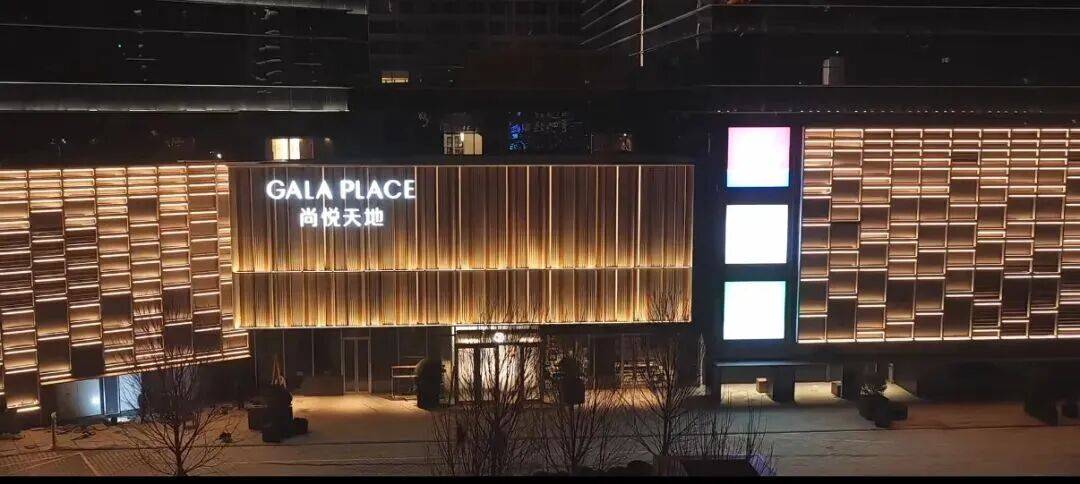
Group 1 - Nanjing Shangyue Tiandi officially opened on January 24, 2026, as the first commercial project by CITIC Pacific Properties in Nanjing, featuring a design concept of "four-layer life cube" and over 40% of area dedicated to first-store brands [7] - Nanjing Jiangbei Impression Hui reopened on January 24, 2026, after a 33 million yuan renovation, transforming it into a modern "park-style shopping mall" with upgraded hardware and new first-store brands [5] - Jinan Haina City Bailian Outlet Phase II officially opened on January 23, 2026, doubling foot traffic and sales since its soft opening in December 2025, expanding to 150,000 square meters with nearly 300 brands [9] Group 2 - Shenzhen Grand China Malls in Luohu District opened on January 18, 2026, covering approximately 38,000 square meters and featuring various retail and dining options [11][12] - Handan Dongyuehui City, the first "first-store economy" project in Handan, officially opened on January 16, 2026, with a total construction area of about 80,000 square meters and 110 brands [15] - Wuhan Ganlu Mountain Jiayou City Outlet is set to open on February 11, 2026, as the first self-operated outlet in Wuhan, focusing on luxury and outdoor brands [17] Group 3 - Shenzhen M80 project, developed by a Tencent subsidiary, is expected to be completed by the end of 2026, with a total construction area of 228,000 square meters, potentially collaborating with the cultural commercial project "Tianmu Li" [20][21] - Hangzhou New World City Art Center is expected to gradually open in 2027, with a total investment of 23 billion yuan and a design that integrates local cultural elements [24] - Shanghai Jiatuo Square GT SQUARE held a brand signing ceremony, with a total area of 190,000 square meters and plans to officially operate in the second half of 2026 [26] Group 4 - Guangzhou's Ma Chang land officially listed for sale on January 23, 2026, with a starting price of 18.6 billion yuan, covering an area of approximately 174,000 square meters [36][37] - New City Holdings held its 2026 annual meeting, reporting over 38,000 housing deliveries in 2025 and a commercial operation revenue of 14.09 billion yuan, with plans for further expansion [38] - Longfor Commercial announced its "Tianjie 2026" strategy, focusing on both existing and new projects to enhance urban commercial experiences [39] Group 5 - BAILIAN Group aims to expand its outlet business to 15 stores by 2030, with a focus on quality development and new project planning in Zhengzhou and Xi'an [41] - Boyu Capital acquired a 75% stake in Beijing Badaling Outlet, indicating a strategic move in the retail sector [42] - Maoye Commercial plans to issue public REITs backed by its Chengdu Maoye Center, aiming for strategic asset restructuring [43]

靠两张王牌,这家房企躲过了“斩杀线”
3 6 Ke· 2026-01-13 02:05
Core Insights - The real estate industry is facing significant challenges, with many companies experiencing a sharp decline in fortunes due to market cooling and high land acquisition costs, leading to a situation where selling properties results in losses while holding them leads to cash flow issues [1] - Successful real estate companies, particularly private enterprises, have managed to survive by minimizing errors and maintaining high-quality products, allowing them to generate cash flow even during market downturns [3][4] Group 1: Financial Challenges and Market Dynamics - The real estate sector has a fundamental flaw where properties cannot be produced on an order basis, requiring substantial upfront investment in land and construction before sales can occur, exposing risks only at the point of sale [3] - Companies that have survived the downturn typically possess strong product lines and have been able to sell properties regardless of market fluctuations, with examples like Luhuk and He Sheng demonstrating resilience [4][5] Group 2: Importance of Quality Products - High-quality products not only sell well but also help companies save costs, as evidenced by the rapid sales rates of successful projects like Luhuk and the consistent demand for He Sheng's products [6][7] - The speed of sales directly impacts financing costs, with quicker project turnover leading to significant savings in interest payments [5] Group 3: Strategic Adaptation and Business Models - Companies that have avoided the "slaughter line" share common traits, including a focus on financial discipline and strategic consistency, which have allowed them to navigate market fluctuations effectively [8] - Successful firms often develop secondary revenue streams through commercial operations and light asset businesses, providing a stable cash flow that supports their primary real estate activities [9][10] Group 4: Long-term Viability and Market Positioning - The current market environment necessitates a shift in strategy, where companies must focus on core competencies and profitable business lines to ensure long-term survival rather than rapid growth [12][15] - The industry's competitive landscape is tightening, emphasizing the importance of maintaining strong product offerings and operational efficiency to thrive in a contracting market [14][15]
穿越债务风暴,房地产行业即将迎来新篇章
Xi Niu Cai Jing· 2026-01-08 10:11
Core Insights - The real estate market has experienced its most severe adjustment in over 20 years, with significant declines and prolonged duration, leading to the collapse of some well-known companies while others have managed to survive and recover [2] - In 2025, debt restructuring has become a critical process for risk mitigation in the real estate sector, with 21 distressed companies, including Sunac China and Country Garden, making significant progress in their debt restructuring efforts, totaling approximately 1.2 trillion yuan [2] - Longfor Group has demonstrated strong financial resilience by consistently meeting debt obligations and providing a model for cash flow-driven development [3][4] Group 1: Industry Overview - The real estate industry is undergoing a deep adjustment, with a shift from an incremental market to a stock market, as evidenced by a 15.9% year-on-year decline in real estate development investment from January to November 2025 [6] - The restructuring of debts has been essential for many companies to navigate through the financial storm, with Longfor Group leading by example through its proactive debt management strategies [3][5] Group 2: Longfor Group's Performance - Longfor Group's operational revenue reached 133 billion yuan in the first half of 2025, accounting for 22.6% of total revenue, with a gross margin exceeding 50%, highlighting its stable profit and cash flow sources [5] - The company has successfully reduced interest-bearing liabilities by over 40 billion yuan since mid-2022, with plans to further decrease liabilities by approximately 10 billion yuan annually starting in 2026 [5] - Longfor Group's cash flow generation capabilities have remained positive, with net cash inflow exceeding 2 billion yuan in the first half of 2025, even after capital expenditures [11] Group 3: Strategic Shifts - Longfor Group transitioned from a "development-led" model to a diversified approach encompassing development, operations, and services, which has provided a solid foundation during the current market challenges [4] - The company has established a healthy internal "blood-making" mechanism through its operational and service businesses, which not only cover debt repayment needs but also support cautious expansion [12] - Longfor Group is also innovating with its "One Longfor Direct to Users" strategy, integrating various products and services into a single app to enhance customer engagement and streamline operations [12]

每周精读 | 融创、碧桂园债务重组破局;库存规模连降、多地房价止跌,高质量转型孕育结构性机遇(11.8-11.14)
克而瑞地产研究· 2025-11-15 01:59
Group 1 - The industry is undergoing a critical period of high-quality transformation, and it is essential to view the phase adjustments of various indicators objectively [5] - Leading real estate companies are experiencing a fundamental shift in debt restructuring models, moving from extensions to deep restructuring, with notable successes reported by companies like Sunac and Country Garden [6] - In October, the "good houses" saw significant sales, but there is an expectation of continued low-level fluctuations in new home transactions, with increasing differentiation between cities and projects [7] Group 2 - Longfor's commercial real estate transformation is under scrutiny as it takes over the "Tianjie" project; the potential for breakthroughs in operational business remains uncertain [8] - The 2025 national excellent project list highlights projects focusing on high-end improvement clientele, emphasizing innovative design and strong market performance, with sales rates exceeding 80% for many projects [10] - In October, the auctioned properties maintained a high transaction scale, with a recovery in transaction rates exceeding 20%, although 66% of the auctioned properties were sold at a premium, marking a new low for the year [12] Group 3 - The land transaction scale has seen a significant drop from high levels, with a notable case of a high-priced commercial land plot in Yiwu sold at a premium of 159%, amidst a substantial increase in land supply [13] - Recent policy dynamics indicate a decrease in the frequency of real estate policy releases, with a focus on integrating qualified young teachers into urban housing security, reflecting ongoing efforts in new urbanization [14]

评司论企|“天街”接手“天阶”,龙湖商业地产转型的机与危
克而瑞地产研究· 2025-11-12 09:05
Core Viewpoint - Longfor Group is transitioning towards a second growth curve by enhancing its operational capabilities in commercial real estate, particularly in light of declining development business performance [2][4][6]. Group 1: Current Business Performance - Longfor Group reported operating revenue of approximately RMB 22.16 billion for the first ten months of 2025, accounting for 39.7% of its contract sales during the same period [2]. - The company's contract sales have significantly decreased from RMB 290.1 billion in 2021 to RMB 55.8 billion in the first ten months of 2025, with an expectation of falling below RMB 100 billion for the first time since 2017 [4]. - The share of recurring business revenue in total revenue has been increasing, reaching 22.6% in the first half of 2025, but the gross profit margin for recurring business was only 12.6%, indicating insufficient support for overall profitability [7][8]. Group 2: Comparison with Competitors - Longfor's recurring business gross profit margin is significantly lower than that of China Resources Land, which achieved a gross profit margin of 24% in its recurring business [7][8]. - The difference in profitability is attributed to the positioning of their commercial segments, with Longfor targeting middle-income families while China Resources focuses on high-end consumers [8]. Group 3: Strategic Moves and Challenges - The acquisition of the World Trade Center project in Beijing is seen as a strategic opportunity for Longfor to enhance its presence in the high-end commercial market and improve brand visibility [9][10][12]. - The project has the potential to diversify Longfor's commercial product offerings and align with government policies encouraging the integration of commercial and cultural tourism [14]. - However, challenges include the need for significant capital investment for upgrades, uncertainty in rental income due to high vacancy rates (40%-50%), and a lack of experience in renovating older commercial properties [16][17].

商业活力华东最盛,上海新开业商场远超北京
3 6 Ke· 2025-11-07 02:27
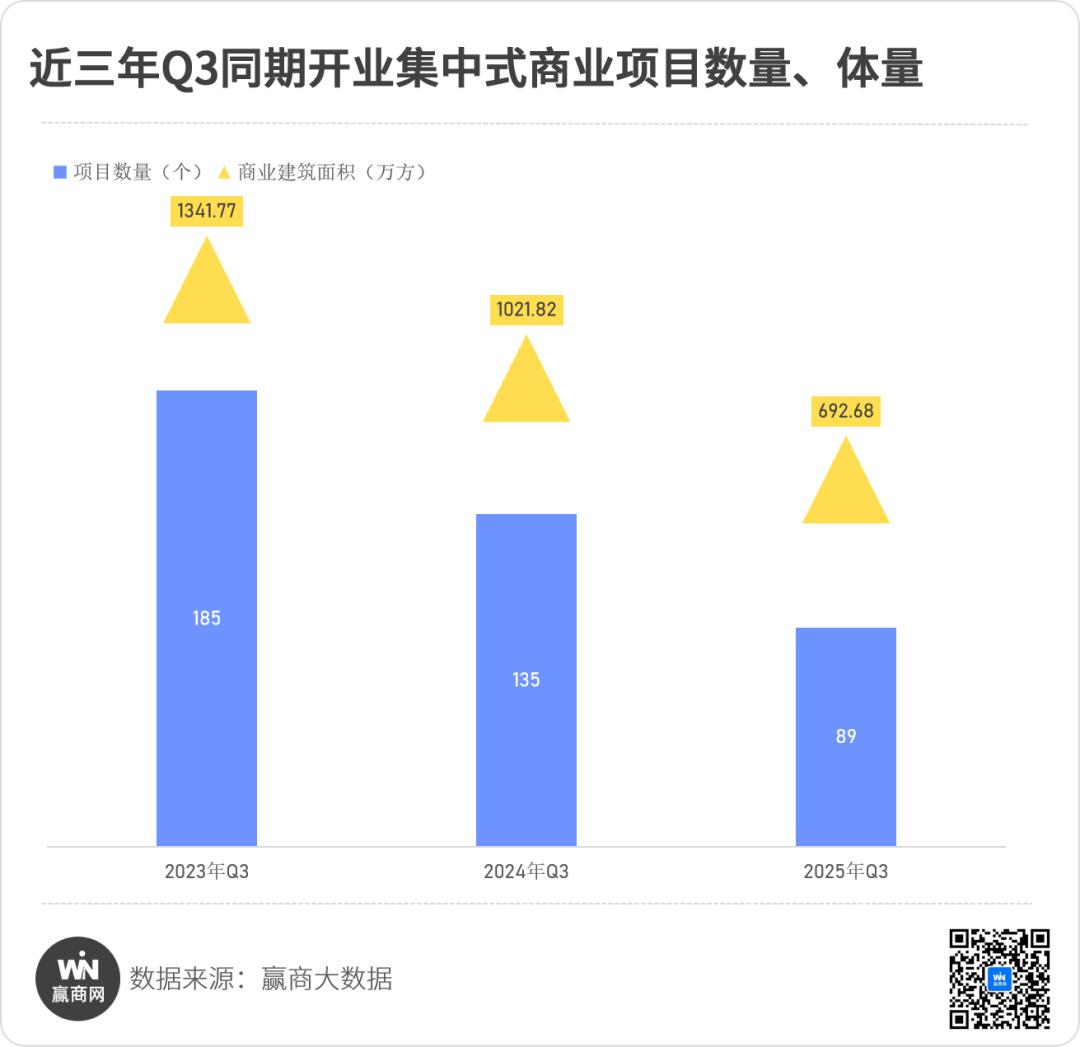
Core Insights - The third quarter of 2025 sees a peak in commercial openings, driven by the "National Day" holiday, with 89 new projects totaling approximately 6.93 million square meters [2][5] - The Eastern China region, particularly Jiangsu, Zhejiang, and Shanghai, dominates the commercial project openings, accounting for over 80% of the total [5][7] - High-tier cities maintain their market position, while lower-tier cities, especially county-level markets, show increased commercial activity [7][9] Summary by Sections Opening Statistics - A total of 89 commercial projects opened in Q3 2025, with a commercial area of about 6.93 million square meters. September alone accounted for 59 projects, representing 66% of the quarterly total [2] - Among the new openings, 15 projects were renovations of existing properties, contributing approximately 1.37 million square meters [2][14] Regional Distribution - The Eastern region leads with 32% of openings, with Jiangsu, Zhejiang, and Shanghai contributing significantly [5] - Central and Southern China follow, with Central China having 8 openings and Southern China 15 openings, primarily in Guangdong [5] Market Tier Analysis - High-tier cities account for over 70% of new projects, with first-tier cities at 27%, second-tier at 10%, and a notable activity in fourth-tier cities [7] - County-level commercial projects are becoming more active, with several notable openings in various regions [9] City-Specific Highlights - Hangzhou leads with 8 new projects, followed by Chongqing and Wuhan with 6 each. Notable projects include the Hangzhou Asian Games Village and several large-scale developments in Chongqing [11][12] - Beijing and Shanghai also saw significant openings, focusing on urban renewal and high-end commercial spaces [12][15] Major Developers and Projects - Leading commercial management companies like China Resources, Longfor, and Wanda opened multiple projects, with China Resources launching 6 projects, including several in lower-tier cities [13] - High-profile projects include Shenzhen Bay MixC Phase II and Guangzhou's K11 Select, both featuring innovative designs and a mix of retail and cultural spaces [18][19][20] Renovation Projects - The quarter saw 15 renovation projects, with a total area of approximately 1.37 million square meters, indicating a trend towards upgrading existing properties [14] - Examples include the transformation of previously stalled projects into successful commercial spaces, such as the Hohhot MixC [25]

龙湖多航道布局与城市共成长
Bei Jing Ri Bao Ke Hu Duan· 2025-09-28 00:55
Core Viewpoint - The concept of a "good house" has evolved to reflect not only the upgrading of residential needs but also the transformation of urban development philosophies, with the launch of Longfor's "Good House" project in Beijing serving as a benchmark for high-quality urban living [1][6]. Group 1: Project Overview - Longfor's "Good House" project, Longfor Guancui, features over 30,000 square meters of real-life demonstration space, showcasing a complete and tangible representation of a "good house" in the Beijing market [1][3]. - The project emphasizes a seamless integration of indoor and outdoor spaces, with innovative designs such as LDKBG (Living, Dining, Kitchen, Balcony, Garden) that enhance the living experience [4][5]. Group 2: Design and Features - Longfor Guancui includes a nearly 1,000-meter weather-protected corridor that connects various community amenities, allowing residents to navigate the area comfortably in different weather conditions [3]. - The project offers diverse spaces catering to all age groups, with a 1,000-square-meter multi-functional clubhouse designed for activities ranging from fitness to family gatherings [3][5]. - Unique architectural features include balconies over 6 meters high, providing expansive views and privacy, and allowing for various lifestyle scenarios [3][5]. Group 3: Business Strategy and Operations - Longfor's ability to create the first "Good House" project is attributed to its robust financial operations and diversified business strategies, which include real estate development, commercial investment, asset management, property management, and smart construction [6]. - The company has recently launched several projects, including Longfor Enxiang Lingyun Song and Longfor Chenhan, which have seen strong sales, indicating a positive market response to high-quality living spaces [6]. Group 4: Community and Lifestyle Initiatives - Longfor's property management initiatives, such as the "Shanju Plan," aim to enhance community environments through meticulous maintenance and community engagement activities [7]. - The company's commercial investment strategy focuses on improving urban consumer experiences, with ongoing upgrades to shopping centers like Changying Tianjie to meet customer expectations [7]. - Longfor's asset management division addresses the needs of urban youth by providing affordable housing options and fostering community connections through projects like the Crown Apartment [8]. Group 5: Sustainable Development and Urban Impact - Longfor's multi-channel approach extends the concept of a "good house" to encompass a "good life," integrating various business lines to enhance urban living and contribute to sustainable city development [6][8].
龙湖集团半年报:物业投资业务收入增长 商场占比近八成
Zheng Quan Ri Bao Wang· 2025-07-28 03:02
Core Viewpoint - Longfor Group Holdings Limited has demonstrated resilience in its property investment strategy despite the impact of the pandemic, achieving significant growth in rental income and expanding its operational footprint across multiple cities in China [1][2]. Group 1: Financial Performance - For the first half of 2020, Longfor Group reported a rental income of 3.36 billion yuan, representing a year-on-year increase of 30.4% [1]. - The revenue breakdown from property investment includes 77.4% from shopping malls, 21.8% from rental housing, and 0.8% from other sources [1]. - As of June 30, 2020, Longfor's commercial properties had an overall occupancy rate of 94.7%, with 40 shopping malls opened across 25 cities, totaling a built area of 3.87 million square meters [1]. Group 2: Business Expansion and Innovation - Longfor Group's new shopping mall, Nanjing Longwan Tianjie, opened in June 2020 with a rental rate of 99%, attracting over 460,000 visitors and generating total sales of 35.1 million yuan within three days [1]. - The company is actively exploring new business models such as "online live streaming," "outdoor operations," and "night economy" to adapt to changing consumer behaviors and enhance revenue post-pandemic [1]. - Longfor's rental housing business, Longfor Guan Yu, has opened operations in over 30 high-potential cities, with a total of 79,000 rooms available and an occupancy rate of 88.6% for properties open for more than six months [2]. Group 3: Strategic Outlook - Longfor Group remains optimistic about its investment property segment, indicating that short-term challenges will not deter its long-term growth strategy [2]. - The company aims to continuously refine its space creation and service offerings to foster better connections between people and spaces, thereby enhancing its growth potential [2].
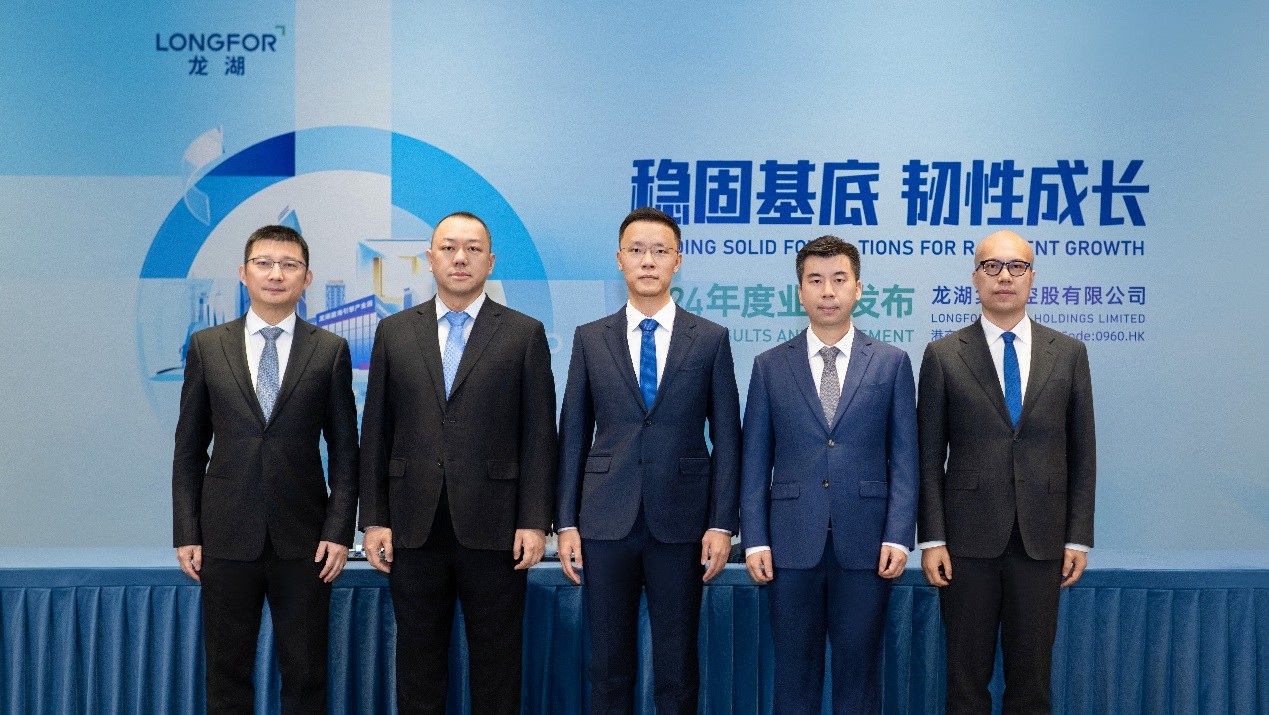
龙湖集团:2024年经营性业务贡献21%收入,成为重要安全垫
3 6 Ke· 2025-03-28 13:17
Core Viewpoint - Longfor Group reported strong financial performance for 2024, with total revenue of RMB 127.47 billion and net profit of RMB 10.4 billion, highlighting the resilience of its operational and service segments amid a challenging real estate market [1][3] Financial Performance - Longfor's operational and service business generated revenue of RMB 26.71 billion, a year-on-year increase of 7.4%, contributing 21% to total revenue [1] - The company achieved a net debt ratio of 51.7% by the end of 2024, with cash on hand amounting to RMB 49.42 billion and a cash-to-short-term debt ratio of 1.63 [1] - The board proposed a final dividend of RMB 0.1 per share, with a total dividend payout of RMB 0.32 per share for the year, representing a payout ratio of approximately 30% [2] Sales and Market Position - Longfor maintained a stable sales figure exceeding RMB 100 billion, ranking among the top tier in the industry, with a total contract sales of RMB 101.12 billion for 2024 [3] - The company reported a sales return rate exceeding 100%, with significant sales in 19 cities across the country [3] Strategic Focus - Longfor aims to balance its revenue structure between development and operational services by 2028, prioritizing debt safety over new investments [3] - The company plans to launch over RMB 160 billion in saleable inventory, with more than 80% located in first- and second-tier cities [4] Operational Insights - Longfor's operational business, excluding tax rental income, reached RMB 13.52 billion, a 4.5% increase year-on-year, with a gross profit margin of 75% [7] - The commercial segment generated rental income of RMB 10.98 billion, with a 7% increase and a significant rise in both sales and foot traffic [9][11] Land Acquisition and Development - In 2024, Longfor acquired land reserves totaling 830,000 square meters, with an average acquisition cost of RMB 13,285 per square meter [5] - The company maintained a cautious investment approach despite a recovering land market, focusing on strategic locations and avoiding aggressive bidding [6] Debt Management - Longfor's financial discipline has led to a reduction in total borrowings to RMB 176.32 billion, down over RMB 30 billion from peak levels, with a significant shift towards operational property loans [22][23] - The average financing cost decreased to an annual rate of 4%, with a loan maturity of 10.27 years, indicating a stable debt structure [22]