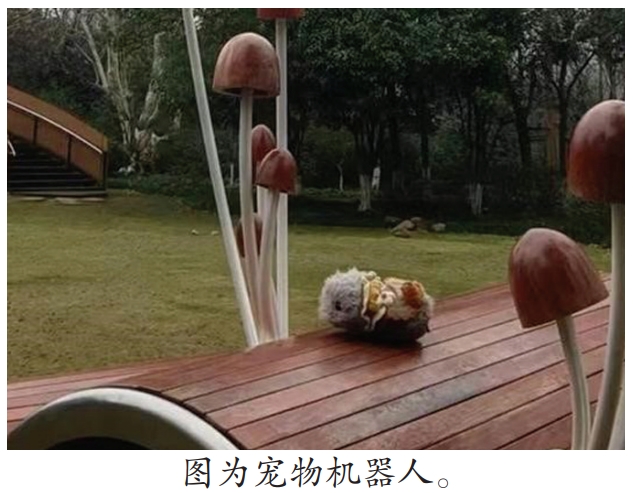
宠物机器人

Search documents
广货行天下!深圳一条街链动全球智造,“科技年货”引爆新春
Nan Fang Du Shi Bao· 2026-01-26 09:11
Core Viewpoint - The "Guangdong Goods Going Global" spring action event for consumer electronics in Shenzhen's Huaqiangbei has successfully showcased the innovative achievements of local companies in the AI wave, attracting significant consumer interest and boosting the electronic information industry chain [1][6]. Group 1: Event Overview - The event gathered 50 leading consumer electronics companies, including Huawei and DJI, to present "Guangdong Intelligent Manufacturing" and "Shenzhen Creation" [1]. - Huaqiangbei experienced an increase of approximately 100,000 visitors on the event day, a 15% year-on-year growth, highlighting the area's popularity as a consumer electronics hub [1][2]. Group 2: Consumer Engagement - The event attracted a diverse crowd, including foreign buyers from the Middle East, Southeast Asia, and Europe, who actively engaged in product trials and purchases, demonstrating trust in "Guangdong Goods" [2][3]. - Over 75 million daily visitors were reported, indicating a vibrant atmosphere with continuous interactions among consumers and vendors [2]. Group 3: Product Highlights - More than 80% of the exhibited products featured AI capabilities, transforming traditional hardware into "smart life partners" [4]. - Local companies showcased innovative products such as AI glasses and collaborative robots, which received positive feedback from attendees [3][5]. Group 4: Market Dynamics - The event illustrated a shift from traditional goods to AI hardware and smart terminals, marking a significant evolution in consumer preferences [4]. - Huaqiangbei serves as a critical hub for global procurement, with over 7,000 foreign buyers visiting daily and facilitating over 300 million packages shipped annually [5]. Group 5: Industry Impact - The event not only energized Huaqiangbei but also stimulated the entire electronic information industry chain, enhancing connections from R&D to global distribution [6][7]. - The rapid response capabilities of Shenzhen's industry, characterized by quick design and production cycles, enable efficient market testing and product launches [7].
超八成展品搭载AI“科技年货”引爆新春
Nan Fang Du Shi Bao· 2026-01-25 23:12
Core Viewpoint - The "Guangdong Goods Going Global" spring action for consumer electronics in Shenzhen's Huaqiangbei has successfully showcased the innovation of local brands in the AI wave, attracting significant consumer interest and boosting the electronic information industry chain [3][6][10]. Group 1: Event Overview - The event gathered 50 leading consumer electronics companies, including Huawei and DJI, to display their products, emphasizing "Guangdong Manufacturing" and "Shenzhen Creation" [3][4]. - Huaqiangbei experienced an additional 100,000 visitors on the event day, a 15% increase year-on-year, highlighting the area's popularity as a consumer electronics hub [3][4]. Group 2: Consumer Engagement - The event attracted a diverse group of foreign buyers from regions such as the Middle East and Southeast Asia, indicating strong international interest in "Guangdong Goods" [4][5]. - Local enterprises showcased innovative products like AI glasses and collaborative robots, which resonated well with both domestic and international consumers [5][6]. Group 3: Product Innovation - Over 80% of the exhibited products featured AI capabilities, transforming traditional hardware into smart lifestyle companions [6][7]. - Shenzhen's consumer electronics have evolved from traditional goods to AI hardware and smart terminals, representing a significant upgrade in manufacturing [6][7]. Group 4: Market Dynamics - Huaqiangbei serves as a critical hub for global sourcing, with over 7,000 foreign buyers visiting daily and more than 300 million packages shipped annually [7][8]. - The event has stimulated the entire electronic information industry chain, enhancing the connection between local manufacturing and global markets [8][9]. Group 5: Internationalization Efforts - The event featured international volunteers providing translation and procurement assistance, reflecting a commitment to facilitating global trade [10]. - The initiative aims to promote Guangdong's manufacturing on a global scale, enhancing its reputation and driving consumer engagement [10].


首个人工智能“零租孵化器”揭牌!深圳光明AI发展有新看点
Nan Fang Du Shi Bao· 2025-08-23 10:01
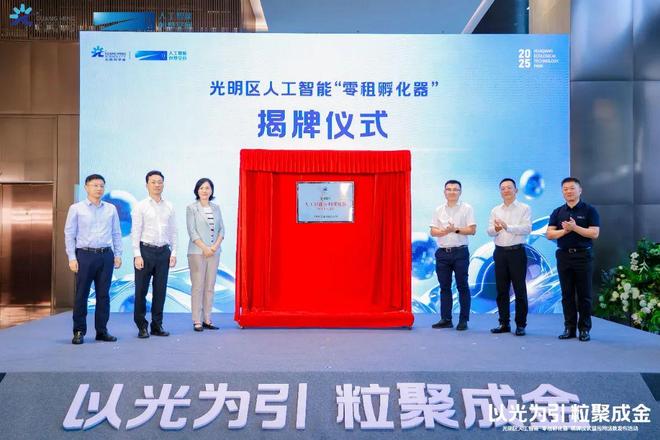
Core Viewpoint - The establishment of the "Guangyinli Artificial Intelligence Innovation Space" in Shenzhen's Guangming District marks a significant step in promoting AI development, providing a "zero-rent incubator" model to support startups and enhance industrial upgrades [1][7]. Group 1: Incubator Details - The "Guangyinli Artificial Intelligence Innovation Space" is located on the 15th to 18th floors of Building 9 in the Huaqiang Technology Ecological Park, covering over 10,000 square meters in its first phase [4]. - The incubator operates under a "market-driven, policy-supported" model and collaborates with Shenzhen Polytechnic University to provide various support services for startups [5]. Group 2: Initial Companies and Mentorship - Several companies, including Wanscreen Era, Shutu Technology, and others, signed agreements to become the first batch of tenants in the incubator, aiming to leverage the "zero-rent" model for growth [7]. - The district appointed seven AI entrepreneurship mentors to assist startups with funding, resource connections, and technical challenges, enhancing the competitiveness of quality AI projects [8]. Group 3: AI Application Scenarios - The event highlighted six key areas for AI application, including "AI + Industry," "AI + Agriculture," and others, with 15 initial application scenarios announced for 2025 to drive industry development [9][12]. - Specific AI application needs were presented by various companies and organizations, seeking solutions to enhance their operations through AI technology [12]. Group 4: Infrastructure and Future Plans - A strategic cooperation framework was signed with Beijing Parallel Technology to establish a long-term partnership in computing power, aiming to optimize resource allocation and infrastructure [12]. - The Guangming District plans to focus on developing computing power, edge models, and smart terminals, continuously attracting quality enterprises and high-end talent to create a robust AI ecosystem [13].
出海卖货年入6亿元 卧安机器人能否顺利在港IPO?
Xi Niu Cai Jing· 2025-06-11 08:33
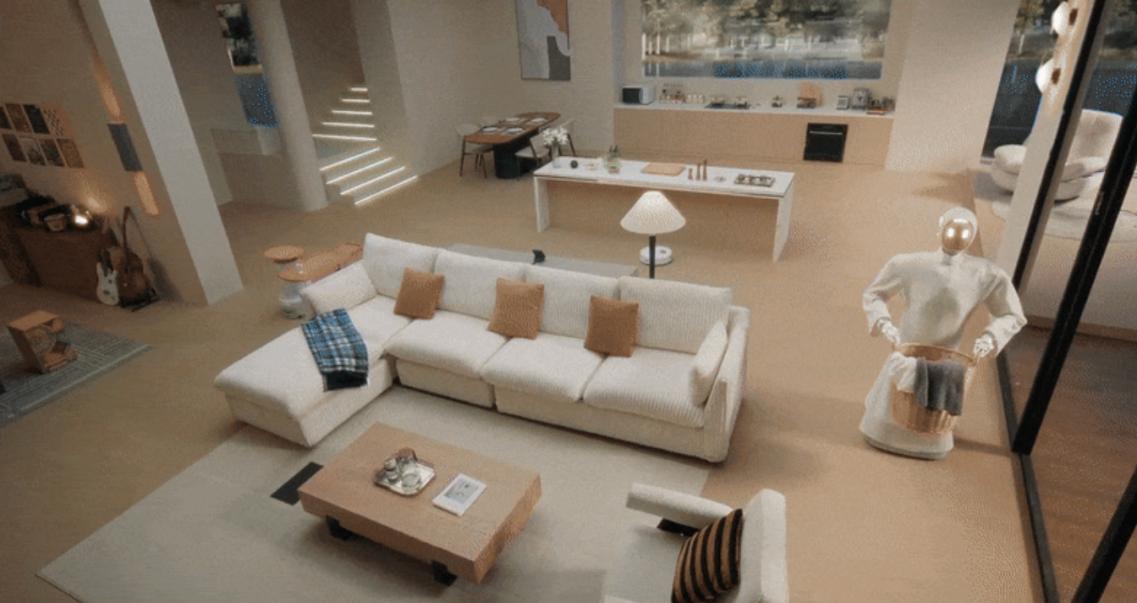
Core Viewpoint - Woan Robotics is preparing for an IPO, focusing on smart home robotics and claiming to be the largest AI-driven home robotics system provider globally, with a market share of 11.9% as of 2024 [1][2]. Financial Performance - Revenue projections for Woan Robotics from 2022 to 2024 are 275 million RMB, 457 million RMB, and 610 million RMB, respectively, indicating a compound annual growth rate (CAGR) of 49.0% [2]. - Gross profit for the same period is projected to be 94 million RMB, 231 million RMB, and 316 million RMB, with a CAGR of 83.1% [2]. - Gross margins are expected to improve from 34.3% in 2022 to 51.7% in 2024 [2]. - The company is nearing breakeven, with an adjusted net loss rate of 0.5% in 2024 and positive adjusted EBITDA of 5.81 million RMB in 2023 and 26.08 million RMB in 2024 [2]. Research and Development - R&D expenditures from 2022 to 2024 are projected at 62 million RMB, 89 million RMB, and 112 million RMB, with a CAGR of 34.7% [2]. - As of June 3, 2025, the R&D team consists of 219 members, accounting for 50.7% of total employees, and the company holds over 269 patents, including 43 core innovation patents [2]. Market Presence - Woan Robotics primarily targets overseas markets, with revenue distribution in 2024 expected to be 57.7% from Japan, 21.4% from Europe, and 15.9% from North America [3][4]. - The company faces risks related to its reliance on foreign markets, including currency fluctuations and tariff pressures, with a projected exchange loss of 6.5 million RMB in 2024 due to yen depreciation [4][5]. Sales Channels - In 2024, 64.2% of Woan Robotics' revenue is expected to come from Amazon channels, with 35.8% from Amazon VC wholesale and 28.4% from Amazon SC third-party seller channels, indicating a high dependency on Amazon [5][6]. Supply Chain Challenges - Despite its market presence, Woan Robotics sources 90% of its raw materials from China, leading to concerns about supply chain resilience amid increasing competition from tech giants like Google and Amazon in the home robotics sector [7].

营收超6亿元,接近盈亏平衡,卧安机器人的海外生意经
Bei Jing Shang Bao· 2025-06-10 09:09
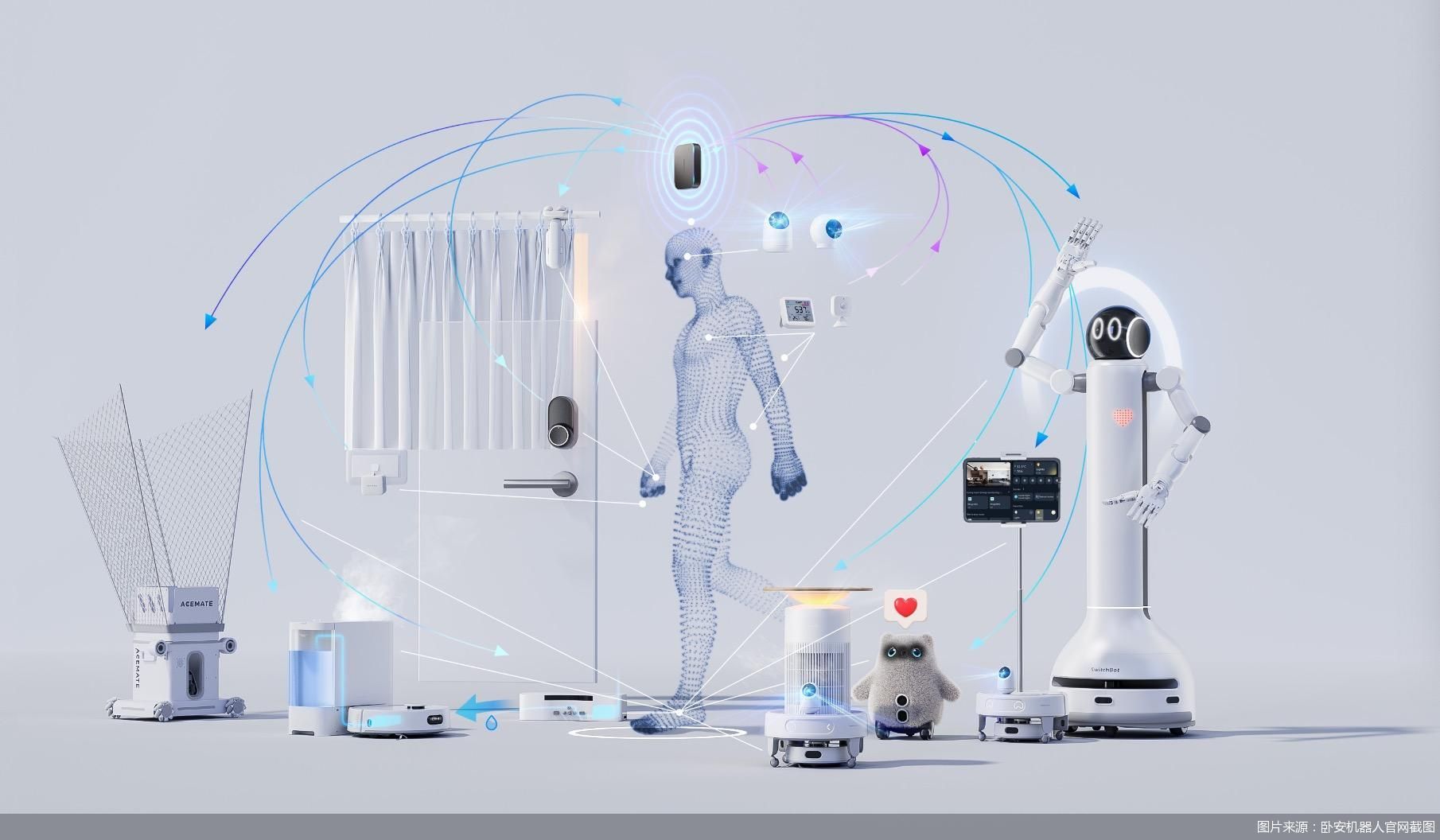
Core Viewpoint - If Woan Robotics successfully lists in Hong Kong, it will become the world's first stock for AI embodied home robots, holding a leading market share of 11.9% in the AI embodied home robot system sector according to Frost & Sullivan [2] Group 1: Company Overview - Woan Robotics was founded in 2015 by two alumni from Harbin Institute of Technology and has submitted its listing application to the Hong Kong Stock Exchange ten years later [2] - The company has generated revenues of 275 million yuan, 457 million yuan, and 610 million yuan from 2022 to 2024, approaching breakeven in 2024 with an adjusted net loss rate of 0.5% [2] - The company’s revenue is primarily derived from AI embodied home robot system products and other smart home products and services, with the former including dexterous robots and enhanced mobile robots [2] Group 2: Product and Market - Woan Robotics has a product matrix covering seven categories with a total of 42 standard product units (SPUs), including various types of service robots sold in over 90 countries and regions [3] - From 2022 to 2024, the Japanese, European, and North American markets contributed 95.5%, 95.6%, and 95% of the company's total revenue, with Japan being the largest market [3] - The sales and distribution network includes direct-to-consumer (DTC) channels, retail channels, and distribution channels, with significant sales through major e-commerce platforms like Amazon [3] Group 3: Financial Performance - The net losses for Woan Robotics from 2022 to 2024 were 86.934 million yuan, 16.287 million yuan, and 2.674 million yuan, primarily due to R&D and sales expenses [5] - The adjusted EBITDA was negative in 2022 but turned positive in 2023 and 2024, with figures of 5.814 million yuan and 26.081 million yuan respectively [5]
一年 交付10台人形机器人,优必选离盈利更远了
Guan Cha Zhe Wang· 2025-04-04 01:32
Core Viewpoint - The company, UBTECH, reported a total revenue of 1.305 billion yuan for 2024, marking a year-on-year increase of 23.7%, but continues to face significant losses, with a net loss of 1.16 billion yuan, although this represents a narrowing of 8.3% compared to the previous year [1][2] Revenue Breakdown - The revenue from educational robots and intelligent robot solutions was 363 million yuan, up 4.6% year-on-year [3] - Revenue from logistics intelligent robots and solutions decreased by 17.5% to 322 million yuan due to incomplete project deliveries [3] - Custom intelligent robots and solutions saw a significant increase of 126.1%, reaching 141 million yuan, attributed to new application scenarios and increased sales of humanoid robots [3] - Consumer-grade robot products generated 477 million yuan, an increase of 88.1%, driven by the launch of new consumer products [3] Market Performance - Domestic revenue was 877 million yuan, a 6.4% increase, while overseas revenue surged by 85.5% to 428 million yuan, accounting for 32.8% of total revenue [4] - The company’s overseas sales primarily consist of consumer-grade robots, including pet robots and lawn mowers [4] Profitability and Cost Structure - The gross profit margin decreased to 28.7%, down 2.8 percentage points from the previous year, primarily due to a shift in product mix towards lower-margin consumer-grade robots [5] - Operating costs rose from 611 million yuan in 2022 to 723 million yuan in 2023, with sales expenses increasing significantly from 373 million yuan to 506 million yuan, raising the sales expense ratio from 37.0% to 47.9% [5] Humanoid Robot Development - The company delivered only 10 humanoid robots in 2024, but remains committed to advancing this segment, with expectations for significant order deliveries by 2025 [6][12] - Collaborations with major automotive companies are in place, with plans for substantial deployments of humanoid robots in manufacturing settings [6] Executive Actions - Company executives initiated a stock buyback plan, indicating confidence in the humanoid robot sector and aiming to bolster investor sentiment [8][9] - The increase in accounts receivable and bad debt provisions raises concerns about cash flow and potential risks if humanoid robots do not perform as expected [11][12] Industry Context - The challenges faced by another unicorn in the humanoid robot sector, Dahua Robotics, highlight the financial pressures within the industry, emphasizing the need for UBTECH to navigate its growth and profitability carefully [12]
AI加持 宠物机器人更“真”了
Xiao Fei Ri Bao Wang· 2025-03-31 03:18
Core Insights - The pet robot market is experiencing rapid growth, driven by advancements in AI technology and hardware, making pet robots a new emotional companion for many people [1][4] Group 1: Market Growth and Trends - The global AI pet market was valued at $1.19 billion in 2023 and is projected to grow to $3.51 billion by 2030, with a compound annual growth rate (CAGR) of 15.1% [4] - The global companion robot market is expected to increase from 75 billion yuan in 2023 to 304.3 billion yuan by 2029, with an annual growth rate of 25.56% [4] - Various AI pet robots have emerged in the market, including Japan's Moflin and LOVOT, as well as domestic products like Unitree Go2, Cupboo, and Fuzzoo, catering to diverse consumer needs [4] Group 2: Consumer Sentiment and Interaction - Consumers across different age groups express a strong emotional connection to AI pet robots, appreciating their ability to provide companionship without the responsibilities of real pets [2][4] - The interactive nature of pet robots, such as the ability to express emotions and respond to human interaction, enhances their appeal and creates a sense of mutual need between the robot and its owner [4][5] - Feedback from users indicates that AI pet robots can fulfill emotional needs, especially for those unable to keep real pets due to allergies or other restrictions [2][4] Group 3: Technological Advancements - The integration of generative AI is making pet robots smarter, allowing them to express themselves and interact more naturally with humans [5] - Current pet robots are reported to achieve about 60-70% of the experience of real pets, with ongoing advancements expected to further close the gap [5] - The focus on enhancing the emotional and interactive capabilities of pet robots is crucial for their development and acceptance in households [5]