
废动力电池

Search documents
循环经济发展“十五五”规划今年将制定
Xin Lang Cai Jing· 2026-01-13 19:50
Core Viewpoint - The National Development and Reform Commission (NDRC) will lead the formulation of the "14th Five-Year" plan for circular economy development by 2026, focusing on recycling initiatives for traditional renewable resources, precious metals, and new solid waste types such as waste batteries, waste photovoltaic components, and wind turbine blades [1][2] Group 1: Circular Economy Development - The NDRC emphasizes that solid waste is a valuable resource that can be transformed into usable materials, enhancing resource supply security and promoting sustainable business models [1] - The recently released "Comprehensive Solid Waste Management Action Plan" outlines specific requirements for waste reduction, process control, and resource utilization to support the development of the circular economy [1] Group 2: Regulatory Framework and Future Goals - The NDRC plans to improve related supporting systems, including the compilation of ecological environment laws and the revision of regulations concerning waste electrical and electronic products, hazardous waste management, and construction waste [2] - By 2030, it is estimated that there will be approximately 1.5 to 2 million tons of waste photovoltaic components, 500,000 tons of waste wind turbine blades, and 1 million tons of waste batteries [2] - The recycling capacity for "new three types" of retired equipment has improved significantly, with waste photovoltaic components and wind turbine blades having a recycling capacity of approximately 2 million tons and 1 million tons, respectively [2]
百万吨“新三样”退役潮将至
21世纪经济报道· 2025-11-30 10:18
Core Viewpoint - The article discusses the upcoming wave of waste from new energy equipment in China, including electric vehicle batteries, solar panels, and wind turbine blades, and highlights the country's increasing recycling capabilities for these materials [1][3]. Group 1: Waste Generation and Recycling Capacity - By 2030, it is estimated that China will generate approximately 1.5 to 2 million tons of waste solar panels, 500,000 tons of waste wind turbine blades, and 1 million tons of waste batteries [1][3]. - The recycling capacity for waste solar panels and wind turbine blades is around 2 million tons and 1 million tons, respectively, while the capacity for waste batteries from 148 qualified recycling enterprises reaches 2.5 million tons [3]. - The recycling capabilities exceed the actual waste generation, leading to situations where recycling companies often face underutilization [3]. Group 2: Regulatory and Financial Support - Since January 1, 2022, the "Four Machines and One Brain" fund has been suspended, but the Ministry of Finance continues to allocate special funds to support compliant dismantling enterprises through a reward and subsidy approach [3][5]. - Over 90 dismantling enterprises are supported by special financial funds, with a standardized dismantling capacity of approximately 180 million units [5]. - The Ministry of Ecology and Environment plans to enhance environmental supervision and promote the standardized recycling and dismantling of waste electrical and electronic products [6]. Group 3: New Pollutants Management - The Ministry of Ecology and Environment is actively working on new pollutants management, having approved the registration of 802 new chemical substances since 2022 [10][11]. - A comprehensive survey covering 122 industries and over 70,000 enterprises has identified more than 1,000 chemical substances with potential high environmental risks [9]. - The Ministry aims to establish a nationwide monitoring network for new pollutants and strengthen risk warning systems [11].

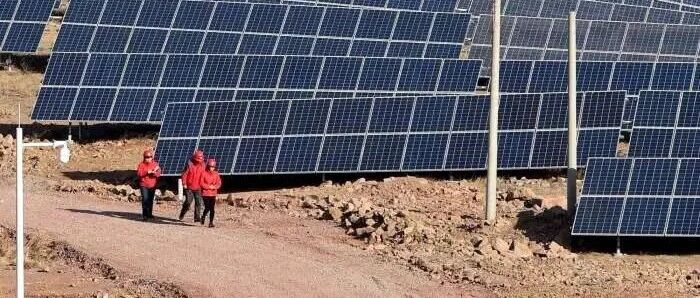
百万吨“新三样”退役潮将至 监管:回收企业仍“吃不饱”
2 1 Shi Ji Jing Ji Bao Dao· 2025-11-28 23:29
Core Insights - The upcoming retirement of new energy equipment, including waste power batteries, solar panels, and wind turbine blades, is projected to create significant waste management challenges in China by 2030, with estimates of 1.5 to 2 million tons of waste solar panels, 500,000 tons of waste wind turbine blades, and 1 million tons of waste power batteries [1][2][3] Waste Management and Recycling Capacity - China's recycling capacity for waste solar panels and wind turbine blades is approximately 2 million tons and 1 million tons, respectively, which exceeds the projected retirement volumes, leading to a situation where recycling companies often face underutilization [2][3] - The Ministry of Ecology and Environment (MEE) has reported that there are 148 qualified companies for comprehensive utilization of waste power batteries, with a total recycling capacity of 2.5 million tons [2] Regulatory Framework and Support - Since the suspension of the "Four Machines and One Brain" fund on January 1, 2022, the Ministry of Finance has continued to allocate special funds to support compliant dismantling enterprises through a reward and subsidy mechanism [2][3] - The MEE is enhancing regulatory oversight of dismantling enterprises to prevent environmental pollution and promote resource recovery [5][8] New Pollutant Management Initiatives - The MEE is actively implementing the New Pollutant Governance Action Plan, which includes the establishment of a coordination mechanism among 15 national departments and the formation of an expert committee to address new pollutants [6][7] - As of 2022, the MEE has approved the registration of 802 new chemical substances and has proposed 1,365 environmental risk control measures to mitigate the generation of new pollutants [7][9] Future Directions - The MEE plans to strengthen environmental supervision and enhance the regulatory framework for new pollutants, including the establishment of a national monitoring network and a collaborative governance structure [8][9] - The ministry aims to improve the capacity for managing new pollutants and ensure the effective implementation of environmental risk assessments and control measures [9]
百万吨“新三样” 退役潮将至 监管:回收企业仍“吃不饱”
2 1 Shi Ji Jing Ji Bao Dao· 2025-11-28 12:21
Core Viewpoint - The upcoming retirement of clean energy equipment in China, including electric vehicle batteries, solar panels, and wind turbine blades, poses significant waste management challenges, but the recycling capabilities have improved, exceeding the actual retirement volumes, leading to a situation where recycling companies often face underutilization [1][2]. Group 1: Waste Management and Recycling Capabilities - By 2030, it is projected that China will face approximately 150-200 million tons of waste solar panels, 50 million tons of waste wind turbine blades, and 100 million tons of waste batteries [1][2]. - The recycling capacity for waste solar panels and wind turbine blades is estimated at 200 million tons and 100 million tons, respectively, while the capacity for waste batteries is around 250 million tons, indicating that recycling capabilities surpass the expected waste generation [2][3]. - The Ministry of Ecology and Environment has implemented financial incentives to support compliant dismantling enterprises, ensuring orderly recycling and dismantling processes [2][3]. Group 2: Regulatory Framework and Environmental Protection - The Ministry of Ecology and Environment is enhancing regulatory oversight of dismantling enterprises to prevent environmental pollution and promote resource recovery [3][5]. - There are over 1,900 qualified enterprises for the recycling and dismantling of scrapped vehicles, with a projected recovery of 8.46 million vehicles in 2024, marking a 64% increase year-on-year [4]. - The Ministry is also revising pollution control technical standards for various waste categories, including waste lithium-ion batteries and waste photovoltaic equipment, to strengthen environmental management [4][8]. Group 3: New Pollutants Management - The Ministry of Ecology and Environment is actively working on new pollutants management, having approved the registration of 802 new chemical substances since 2022, and is implementing risk control measures for 14 categories of key pollutants [6][7]. - A comprehensive survey of chemical substances across 122 industries has identified over 1,000 substances with potential high environmental risks, which will be targeted for future assessments [7][9]. - The Ministry is establishing a national monitoring network for new pollutants and enhancing the regulatory framework to address the challenges posed by these substances [8][9].
生态环境部最新发声!
Zheng Quan Shi Bao· 2025-09-19 09:03
Group 1: Solid Waste Management - The Ministry of Ecology and Environment (MEE) will focus on combating illegal dismantling of waste power batteries and other new types of solid waste [2] - Since the "14th Five-Year Plan" began, China has achieved significant results in solid waste pollution prevention, with hazardous waste disposal capacity reaching 223 million tons per year [2] Group 2: Beautiful China Initiative - The construction of a Beautiful China is described as a "reputation project" that requires practical results rather than mere slogans, emphasizing the need for genuine improvements in ecological quality [3] - MEE will address regional and watershed ecological issues, enhance environmental quality standards, and promote green development through carbon peak and carbon neutrality initiatives [3] Group 3: Technological Advancements in Monitoring - MEE is accelerating the application of artificial intelligence and new technologies in ecological monitoring, aiming to improve data accuracy and problem identification [4] - The establishment of a comprehensive ecological monitoring network is underway, with over 33,000 monitoring stations covering various environmental factors [9] Group 4: Carbon Emission Trading - China has built the world's largest carbon emission trading market, covering over 60% of national carbon emissions, with a cumulative transaction volume of 714 million tons and a total transaction value of 48.961 billion yuan as of September 18 [5] - The market has seen significant improvements in data accuracy and has become a key measure in achieving carbon neutrality goals [5] Group 5: Environmental Impact Assessments - The number of environmental impact assessments (EIAs) for high-emission and high-pollution projects has decreased, while those for wind power and electric vehicle projects have increased significantly [7] - MEE has approved 14,600 EIA documents for high-tech electronic manufacturing projects, involving a total investment of 6.28 trillion yuan [7] Group 6: Vehicle Emission Control - During the "14th Five-Year Plan" period, nearly 20 million high-emission vehicles have been eliminated as part of the Blue Sky Defense initiative [8]
生态环境部将重点打击非法拆解废动力电池,将为产业带来哪些利好?
Zhong Guo Qi Che Bao Wang· 2025-09-19 07:01
Core Viewpoint - The Ministry of Ecology and Environment is intensifying efforts to combat illegal disposal and dismantling of waste power batteries, which is crucial for the sustainable development of the industry [2][3][10] Group 1: Industry Regulation and Compliance - The illegal dismantling of waste power batteries has been a significant concern, with reports of dangerous practices in small workshops leading to safety risks [3][4] - The crackdown on illegal dismantling is expected to create a favorable environment for legitimate battery recycling companies, allowing them to access more retired battery resources and establish a closed-loop industry model [3][4][10] - Regulatory actions have significantly reduced the operational space for illegal dismantlers, enabling compliant companies to gain market share through quality advantages [4][9] Group 2: Technological Innovation and Economic Impact - The push against illegal dismantling is driving innovation in battery recycling technologies, focusing on low-energy dismantling methods and efficient metal extraction processes [6][10] - Companies are expected to reduce lithium production costs by approximately 20% through technological advancements, enhancing their market competitiveness and reducing reliance on imported resources [6][10] - The reduction of illegal dismantling is projected to lower carbon emissions from the battery lifecycle by 35%, with significant environmental benefits from compliant recycling practices [6][7] Group 3: Environmental and Global Implications - Proper management and recycling of waste batteries contribute to global environmental protection efforts and support China's dual carbon goals [7][8] - The recycling of retired batteries is likened to creating a "mobile mine," with significant amounts of valuable metals available for recovery, potentially reducing dependence on imported minerals [8][9] - The development of a circular economy model in battery recycling aligns with global trends towards sustainable resource utilization and economic development [9][10]

生态环境部:将重点打击非法拆解废动力电池等“新三样”固体废物
Zheng Quan Shi Bao Wang· 2025-09-19 03:23
Core Viewpoint - The Ministry of Ecology and Environment of China has reported significant progress in solid waste pollution prevention since the 14th Five-Year Plan, including a historic ban on foreign waste imports [1] Group 1: Achievements in Solid Waste Management - The capacity for hazardous waste centralized utilization and disposal has reached 223 million tons per year [1] - A total of 19,100 cases have been investigated and handled in the crackdown on illegal transfer and dumping of hazardous waste [1] Group 2: Future Actions - The Ministry will continue to advance rectification actions against illegal dumping of solid waste, focusing on illegal dismantling of waste electrical appliances, waste power batteries, wind turbine units, and photovoltaic components, referred to as the "new three types" of solid waste [1]