彩椒

Search documents
(新春走基层)山西长子:彩椒采收正当时 产业助力促增收
Zhong Guo Xin Wen Wang· 2026-02-26 11:26
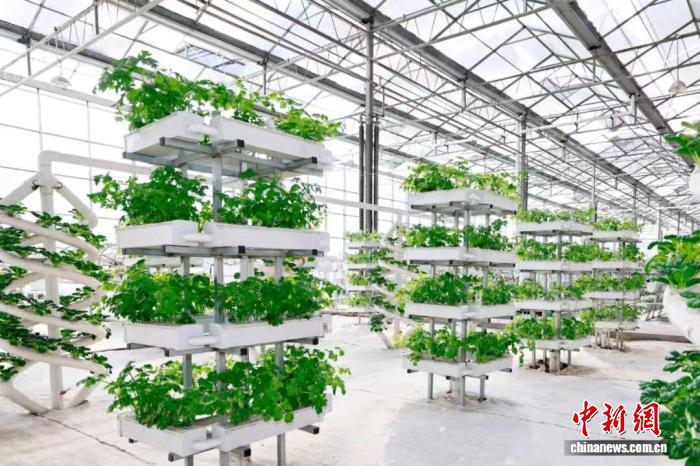
Core Insights - The article highlights the successful cultivation and harvesting of colorful peppers in Wangjiagadao Village, Shanxi Province, which is contributing to local economic growth and providing stable income for villagers [1][3]. Group 1: Agricultural Development - Wangjiagadao Village has established three high-standard solar greenhouses covering an area of 33 acres, primarily focusing on colorful pepper cultivation [5]. - The current harvesting phase yields an average of 15,000 pounds per acre, with an expected annual output value of 900,000 yuan, generating stable annual income of 300,000 yuan for the village collective economy [5][7]. Group 2: Employment Opportunities - The vegetable greenhouse industry has effectively revitalized idle land resources and provided local employment opportunities, allowing villagers to earn over 100 yuan daily without needing to leave their homes [5][7]. - Villagers are engaged in the harvesting process, which is particularly busy during the Spring Festival, ensuring a steady income while being able to care for their families [5][7]. Group 3: Economic Impact - The development of the collective vegetable greenhouse industry is part of a broader strategy to enhance the village's economy and promote comprehensive rural revitalization through diversified income channels for villagers [7].

新春走基层|巴楚:彩椒即将迎丰收 科技赋能助增收
Xin Lang Cai Jing· 2026-02-19 11:42
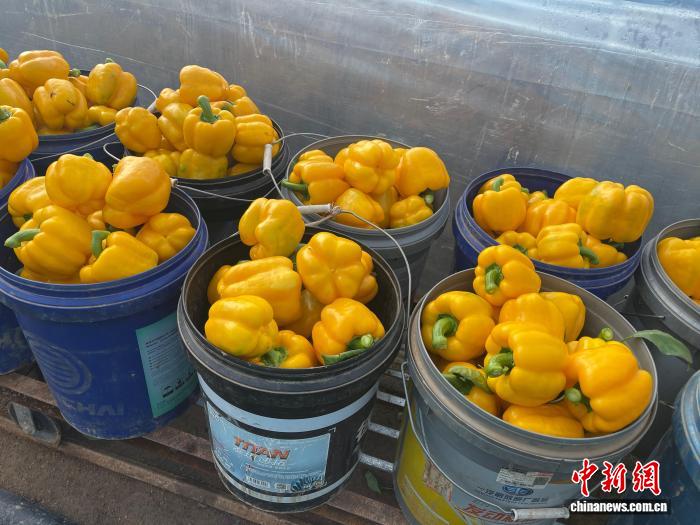
Core Viewpoint - The modern agricultural industry park in Bachu County is set to harvest 85 greenhouses of colorful peppers, indicating a successful harvest season and contributing to the local market during the Spring Festival [1][3]. Group 1: Agricultural Production - The colorful peppers are arranged neatly in greenhouses, with workers actively engaged in tasks such as trellising and pruning, showcasing a vibrant and productive environment [3]. - The peppers exhibit high firmness, uniform shape, and bright color, making them popular in the market, especially during the festive season [5]. - Each greenhouse contains approximately 2,700 to 3,000 plants, with an expected yield of around 12 tons per greenhouse, as each plant can produce about 4 kilograms of peppers [7]. Group 2: Technological Advancements - The agricultural park utilizes a water and fertilizer integration system that allows for precise control of water and nutrient supply, reducing cultivation costs while enhancing the yield and quality of the peppers [7]. - The introduction of new varieties and modernization of facility agriculture are key strategies for improving production efficiency and quality [9]. Group 3: Economic Impact - The upcoming harvest of colorful peppers is expected to meet local market demands during the Spring Festival and facilitate orders to other regions, thereby boosting local employment and income [9]. - The agricultural park aims to focus on "specialization, branding, scaling, and marketization" to enhance the entire service chain and improve greenhouse cultivation efficiency, positioning facility agriculture as a vital driver for rural revitalization and farmer income growth [11].
宝山味道“晒年节”走进怀柔城区,2026年货市集抢先看
Xin Lang Cai Jing· 2026-02-08 10:18
Core Viewpoint - The "Shai Nian Jie" event in Huairou District will take place from February 10 to February 12, 2026, featuring local food and cultural activities to celebrate the New Year [1]. Group 1: Event Details - The event will be held at Wanxing Market in Huairou District, marking the first time it is hosted in the urban area rather than in the mountains [1]. - The market will be open daily from 9 AM to 4 PM during the event [1]. Group 2: Food and Products - Local cuisine will be a highlight, with live cooking demonstrations of dishes such as sauerkraut and pork, as well as tastings of fried oil cakes, almond porridge, and handmade dumplings [3]. - A variety of local agricultural products will be available for purchase, including free-range oil chickens, fresh eggs, colorful dry rice, fruit tomatoes, turnips, celery, and bell peppers [3]. Group 3: Activities and Entertainment - The market will feature nearly 70 specialty stalls, offering food, couplets, social media photo spots, and family-friendly activities [5]. - Cultural performances will include self-produced drum shows by villagers, dance performances titled "Welcome to Baoshan," and a Peking opera medley, with shows occurring every half day [7]. - The event will also include online live streaming, allowing local influencers and well-known personalities to guide virtual visitors through the market [7].
新华全媒头条|人勤春早 不负春光——立春时节农耕一线见闻
Xin Hua She· 2026-02-04 12:38
Core Viewpoint - The article highlights the agricultural activities and advancements in China as spring begins, emphasizing the integration of traditional farming practices with modern technology to enhance crop yields and sustainability [1][4][12]. Group 1: Agricultural Innovations - The National South Breeding Research Institute in Hainan is showcasing new pepper varieties, with over 800 organizations and 8,000 researchers collaborating on breeding materials for more than 40 crop species [2]. - Advanced breeding technologies, such as molecular markers and functional gene integration, are significantly reducing breeding cycles and improving precision in crop development [3]. - In Shandong, local vegetable seed production has reached 2 billion seedlings annually, with 305 new vegetable varieties developed, some outperforming foreign seeds [3]. Group 2: Soil and Crop Management - The central government aims to stabilize grain production at approximately 1.4 trillion jin (about 700 million tons) as part of its agricultural strategy [4]. - In Jilin Province, protective farming practices are being implemented, with plans to reach 3 million acres of protective tillage by 2025, improving soil quality and increasing corn yields to 3,000 jin per hectare [6]. - In Yunnan, traditional practices are being maintained to ensure the sustainability of terraced farming, with farmers preparing for spring plowing and irrigation [7]. Group 3: Technological Integration - The use of drones for spraying growth regulators and fertilizers is becoming common, enhancing efficiency in large-scale wheat farming [8]. - The government plans to establish 135 million acres of high-standard farmland by 2030, with significant investments in irrigation and mechanization to reduce labor costs [8]. - The integration of ancient agricultural wisdom with modern technology is creating a robust framework for food security and rural revitalization [12]. Group 4: Industry Development - In Yunnan, coffee production is thriving, with over 13,600 acres dedicated to coffee cultivation, yielding more than 4,000 tons annually and generating an agricultural output value of 250 million yuan by 2025 [10]. - The development of a full-chain coffee industry, including value-added products, is significantly increasing the economic benefits for local farmers [10]. - The Ministry of Agriculture is supporting the establishment of numerous agricultural industry clusters and modern agricultural parks to drive rural revitalization [12].
智能大棚种好菜(经济聚焦)
Ren Min Ri Bao· 2026-02-04 08:09
Core Viewpoint - The article highlights the transformation of the vegetable industry in Shouguang, Shandong, emphasizing the integration of artificial intelligence and modern agricultural practices to enhance productivity and quality in response to market demands [1][5]. Group 1: Industry Transformation - Shouguang, known as the "vegetable capital of China," has established a comprehensive supply chain from seed to market, with an average of over 17,000 kilograms of vegetables sold every minute [1]. - The introduction of smart agricultural technologies has led to over 85% adoption of intelligent equipment in new greenhouses, significantly improving labor productivity by 30% to 50% and increasing per-acre output to 3 to 5 times that of pre-transformation levels [5]. - The shift from traditional farming methods to smart farming is exemplified by the experiences of local farmers like Zheng Jingqu, who have adopted advanced technologies to enhance efficiency and profitability [4][5]. Group 2: Market Dynamics - The vegetable market has become increasingly competitive, prompting a focus on quality and taste rather than just yield, as evidenced by the introduction of a quality evaluation system that includes taste and health metrics [7][9]. - The market pressure has led to a strategic pivot towards producing high-quality vegetables that meet consumer preferences, moving away from merely increasing production volume [8][9]. Group 3: Global Expansion - Shouguang's vegetable exports have grown significantly, with annual export volumes exceeding 1,000 tons, and prices for exported vegetables being substantially higher than domestic prices [10]. - The "Shouguang model" is being exported globally, with over 300 planting areas established in more than 40 countries, showcasing the potential for Chinese agricultural practices to influence global markets [10][11]. - Collaborative efforts among local enterprises and young farmers are essential for the successful internationalization of the Shouguang agricultural model, emphasizing the importance of teamwork in achieving sustainable growth [11].
从“气候贷”到“产业贷”:邮储银行解锁助农增收“新姿势”
Jin Rong Shi Bao· 2025-12-17 04:37
Group 1: Climate Finance and Agricultural Innovation - The "climate loan" from Postal Savings Bank of China (PSBC) has enabled local agricultural enterprises to thrive despite adverse weather conditions, exemplified by a 9.35 million yuan loan that supported a successful harvest of colorful peppers in Fujian [1][2] - Green agricultural companies, such as Green State Agricultural Development Co., have benefited from innovative financial products that assess their climate-friendly practices, allowing them to secure favorable loan terms [2][3] - The collaboration between PSBC and local meteorological departments has led to the creation of a "climate-friendly enterprise evaluation system," which provides differentiated financial support based on companies' environmental practices [2][3] Group 2: Support for Traditional Agricultural Industries - PSBC has been instrumental in supporting traditional tea industries in Fujian, providing financial tools that help companies like Minrong Tea Co. expand their operations and enhance product quality [4][5] - The bank's financial support has allowed tea companies to modernize their production processes and improve their market reach, contributing to the preservation of cultural heritage while promoting economic growth [5][6] - The integration of financial services with local agricultural practices has enabled companies to achieve sustainable development and increased profitability [6] Group 3: County-Level Industry Development - The goose liver industry in Shandong has seen significant growth, with PSBC providing tailored financial solutions that support the entire supply chain, from breeding to processing [7][8] - Financial backing from PSBC has allowed local enterprises to expand their operations, resulting in increased revenue and improved livelihoods for associated farmers [8][9] - The bank's focus on understanding the unique needs of different agricultural sectors has facilitated comprehensive financial support, contributing to the overall economic development of rural areas [9][10]

崇礼新雪季彩椒咖啡火“出圈”!成雪友打卡“必选项”
Sou Hu Cai Jing· 2025-11-10 11:12
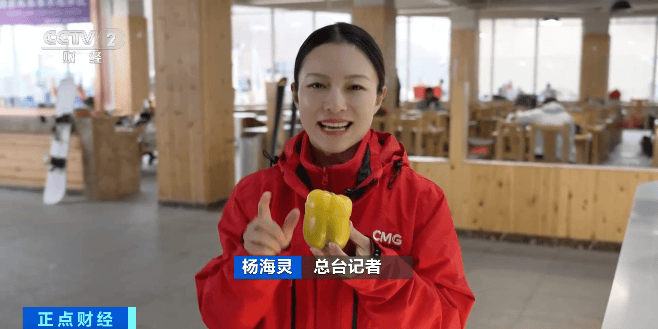
Core Viewpoint - The introduction of colorful pepper coffee in Chongli, Hebei, is a unique fusion of local flavors and winter sports tourism, enhancing the experience for visitors during the ski season [1][5]. Group 1: Product Innovation - Colorful pepper coffee combines the rich aroma of coffee with a subtle sweetness from the peppers, offering a unique drinking and eating experience [3]. - The coffee has become a must-try item for skiers, who enjoy sharing this creative beverage on social media [5]. Group 2: Local Agriculture - The colorful peppers used in the coffee are sourced from local greenhouses in Chongli, ensuring freshness [7]. - Chongli is recognized as the largest summer pepper production base in China, with an annual output exceeding 70,000 tons, supplying both domestic markets and international destinations like Singapore and Russia [7].
一度吃菜多靠外省调运的青海 逆袭成了很多地方的“菜篮子” 高原冷凉蔬菜的“破圈”之路(乡村观察)
Ren Min Ri Bao· 2025-10-23 23:13
Core Insights - Qinghai Province has transformed its agricultural shortcomings into advantages by developing cool-season vegetables, becoming a significant supplier of fresh produce in China [1][3]. Group 1: Development of Cool-Season Vegetables - The cool-season vegetable industry in Qinghai has seen significant growth, with the planting area reaching approximately 660,000 acres and a production volume of around 1.58 million tons, of which 700,000 tons are exported [3]. - The region's high altitude, cool climate, and ample sunlight create ideal conditions for growing high-quality cool-season vegetables, which are marketed as eco-friendly products [3][4]. Group 2: Technological Advancements - The introduction of pest monitoring technology and water-fertilizer integration systems has improved the efficiency and yield of cool-season vegetable farming, with water and fertilizer usage reduced by about 40% and yield increased by approximately 10% [4][5]. - New vegetable varieties have been developed, including 28 highland specialty varieties and over 50 new varieties selected by national experts, enhancing both quality and yield [5]. Group 3: Market and Sales Coordination - The cooperative model has facilitated direct supply chains, allowing fresh vegetables to reach markets in Guangdong within 40 hours, meeting high-quality standards set by buyers [6]. - Qinghai's vegetable exports have reached 54.3% of the province's total vegetable output, with significant export volumes to international markets, including 4,200 tons valued at $1.28 million in the first half of the year [7]. Group 4: Economic Impact - The cool-season vegetable industry has generated substantial economic benefits, with annual production valued at over 760 million yuan, involving more than 20,000 farming households and providing over 500 million yuan in labor income [7][8].
高原冷凉蔬菜的“破圈”之路(乡村观察)
Ren Min Ri Bao· 2025-10-23 22:42
Core Insights - Qinghai Province has transformed its agricultural shortcomings into advantages by developing cool-season vegetables, becoming a significant supplier of fresh produce in China [1][3][4] Group 1: Development of Cool-Season Vegetables - The cool-season vegetable industry in Qinghai has evolved from small-scale farming to large cooperative operations, with the planting area reaching approximately 660,000 acres and a production volume of around 1.58 million tons, of which 700,000 tons are exported [3][4] - The region's high altitude, cool climate, and significant temperature variations provide an ideal environment for growing high-quality cool-season vegetables, which are marketed as eco-friendly products [3][4] Group 2: Technological Advancements - The introduction of pest monitoring technology and water-fertilizer integration systems has improved the efficiency and yield of cool-season vegetable production, with water-fertilizer integration saving about 40% in resources and increasing yields by approximately 10% [4][5] - New vegetable varieties have been developed, including 28 highland specialty varieties and over 50 introduced varieties, enhancing both quality and yield [5][6] Group 3: Market and Export Dynamics - The cooperative model has facilitated direct supply chains, allowing vegetables to reach markets in Guangdong within 40 hours, meeting high-quality standards set by local regulations [7][8] - Qinghai's cool-season vegetables are not only popular domestically but also have significant export potential, with 54.3% of the province's vegetable exports coming from certified bases, and an expected export volume of 10,000 tons for the year [8][9] Group 4: Economic Impact - The cool-season vegetable industry has become a major economic driver in Qinghai, with annual production valued at over 760 million yuan, benefiting more than 20,000 farming households and providing over 500 million yuan in labor income [8][9]
(乡村行·看振兴)山西太原万柏林绘就金秋丰收画卷:科技赋能 荒山生金
Zhong Guo Xin Wen Wang· 2025-09-26 06:36
Core Insights - The article highlights the transformation of agricultural practices in Wanbailin District, Taiyuan, Shanxi Province, through the integration of digital technology and ecological concepts, leading to increased productivity and environmental improvement [1][5][9] Group 1: Digital Agriculture - The Jiurun Digital Agriculture Park spans 150 acres, featuring a variety of crops including high-yield sunflowers and a 20,000 square meter smart greenhouse with organized sections for strawberries, leafy vegetables, and various fruits [2][4] - The use of soilless cultivation and a water-fertilizer integration system has led to highly mechanized planting and harvesting processes [4] Group 2: Calcium Fruit Production - A retired individual transformed 80 acres of barren land into a calcium fruit orchard, utilizing sheep manure for fertilization, resulting in a projected yield of 20 tons this year [5][7] - The orchard not only attracts tourists for fruit picking but also generates orders from external merchants, thereby improving local employment and ecological conditions [7] Group 3: Mushroom Cultivation - A former coal washing plant has been repurposed for mushroom cultivation, marking a shift from a "black" to a "green" economy [8][10] - The use of local corn straw for mushroom production, supported by agricultural technology, has created new income opportunities for villagers, with the spent mushroom substrate being processed into organic fertilizer for resource recycling [9]