
换电技术

Search documents
机器人、智能驾驶与新能源领域最新合作动态一览
Xin Lang Cai Jing· 2025-12-24 14:09
Core Insights - Since mid-December 2025, there has been a surge in collaborations across robotics, intelligent driving, and new energy sectors, with multiple companies forming strategic alliances and integrating technologies to drive innovation and practical applications [2][8]. Group 1: Robotics Collaborations - Huqin Technology has officially partnered with Weita Power for a strategic collaboration in manufacturing consumer-grade intelligent companion robots, leveraging their combined strengths in R&D and mass production [2][9]. - Ningbo Huaxiang's subsidiary has signed a strategic cooperation agreement with Shenzhen Dahuang Robot Technology to collaborate on the development, manufacturing, and sales of general humanoid robot dexterous hands, showcasing the automotive parts industry's extension into robotics [3][10]. - Zhongyuan Neipei's subsidiary has reached a framework agreement with Ningbo Puzhi Future Robot Company to collaborate on humanoid robot components, focusing on joint module development and application scenarios [3][10]. Group 2: Intelligent Driving Initiatives - Guangyang Co. announced a strategic cooperation agreement with Zhejiang Konghui Automotive Technology to collaborate on intelligent driving products, particularly focusing on fully active suspension systems [2][9]. - Shanghai Baolong Automotive Technology and Infineon Technologies (China) have signed a memorandum of understanding to deepen their strategic cooperation in automotive electronics, particularly in intelligent driving and chassis solutions [3][10]. Group 3: New Energy and Infrastructure - Century Internet Group and State Power Investment Corporation have signed a strategic cooperation agreement to work on projects related to green electricity direct connection for data centers and integrated smart energy [3][10]. - Lantu Automotive has signed a ten-year deepening cooperation agreement with CATL, covering new technology applications and product supply assurance, aimed at enhancing battery technology and supply chain security [4][11]. Group 4: Industry Impact - The cross-industry collaborations are expected to enhance companies' technological reserves and market adaptability, injecting continuous momentum into the scalable and intelligent development of related industries [5][11]. - As these cooperation projects gradually materialize, they are anticipated to further promote the integration and value enhancement of artificial intelligence, green energy, and high-end manufacturing sectors [6][11].



日喀则首座营运车辆换电站正式投运
Xin Lang Cai Jing· 2025-12-20 14:58
Core Viewpoint - The first battery swapping station in Shigatse City has officially commenced operations, providing efficient and stable battery swapping services for new energy taxis in the region [1] Group 1: Battery Swapping Station Operations - The newly launched battery swapping station can perform 540 swaps daily, serving up to 200 new energy taxis [1] - The battery swapping technology developed by Yiyihulian Technology Co., Ltd. is tailored for high-altitude, low-pressure, and extreme temperature conditions, allowing for a swapping time of as little as 60 seconds [1] Group 2: Impact on Vehicle Operations - The efficient battery swapping process can increase the daily operational time of vehicles by approximately 90 minutes, enabling an additional travel distance of 45 kilometers [1] - The battery swapping model is becoming a crucial component for supporting new energy transportation in high-altitude areas [1] Group 3: Future Developments and Infrastructure - Yiyihulian plans to deepen cooperation with local operating companies in Tibet to enhance the battery swapping network and improve the operational efficiency of local new energy taxis [1] - The region has seen a growth in the number of new energy vehicles, leading to a rapid development of supporting infrastructure, including a charging network that integrates urban, public, and rural charging solutions [1]
车fans社群话题:超豪品牌在国内还有发展机会吗?
车fans· 2025-12-02 00:30
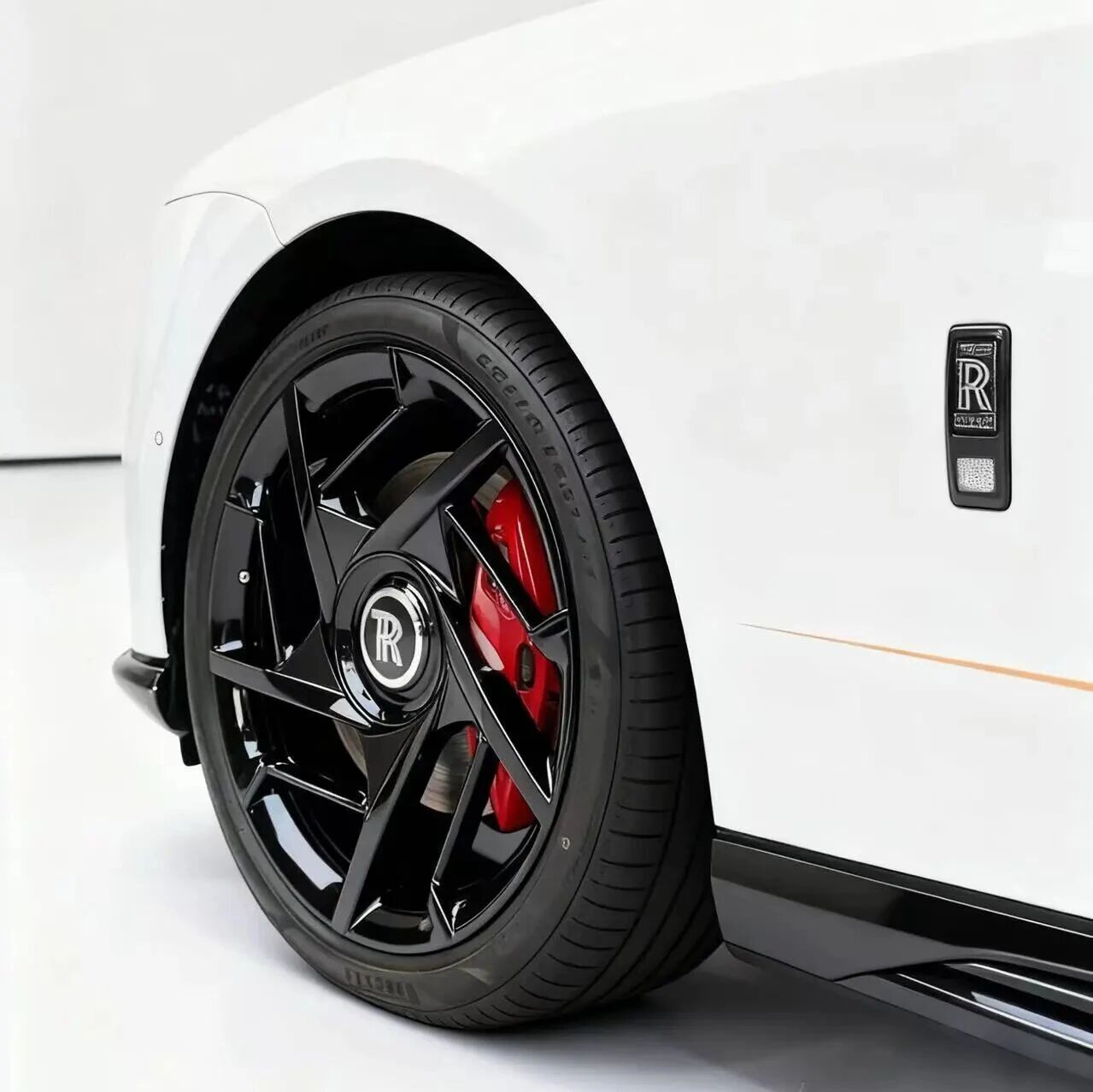
Core Viewpoint - The luxury car market in China is undergoing a significant transformation, with traditional ultra-luxury brands facing challenges from domestic electric vehicle manufacturers that offer superior technology and value at lower price points [2][3][4]. Market Logic Disruption - The "scarcity" that ultra-luxury brands relied on is being undermined by the "technological democratization" of electric vehicles. Domestic brands like BYD and NIO are providing experiences that surpass traditional luxury cars, leading to a collapse of the premium pricing logic [2][3]. Changing Consumer Preferences - The historical narratives and craftsmanship that once defined ultra-luxury brands are losing their appeal. Consumers are now prioritizing results and experiences over brand heritage, making the "noble lineage" of these brands seem less relevant [3][4]. Redefining Opportunity Windows - Ultra-luxury brands are shifting from selling performance to selling experiences, but they struggle to prove their superiority in intelligence and sustainability in the electric vehicle sector. This indicates a systemic decline in brand value [4][5]. Market Dynamics - The era of ultra-luxury brands profiting effortlessly in the Chinese market is over. The previous "totem" attributes are reverting to mere commodity status, with economic conditions and the collapse of their premium narratives contributing to this shift [5][9]. Consumer Behavior Trends - The luxury car market share is expected to decline as wealthier consumers move away from traditional luxury brands. The focus is shifting towards internal experiences and value, with domestic brands increasingly matching or exceeding the luxury feel of established brands [9][10]. Strategic Insights - Ultra-luxury brands may need to adopt a strategy similar to that of luxury watches, focusing on exclusivity and limited editions to maintain their appeal among a niche market. However, this approach may only be viable for select brands [6][8]. Future Outlook - The ultra-luxury segment may still have opportunities, particularly in the high-end market where brand recognition and social status remain significant. However, the overall market dynamics suggest a challenging environment for traditional luxury brands [13][15][19].
乐道沈斐:坚定走纯电+换电路线,兜底购置税补贴退坡差价
Xin Jing Bao· 2025-11-24 13:36
Core Insights - NIO's sub-brand, Ladao, has postponed the launch of its L80 model to 2026 due to unexpected high sales of the L90 model, while committing to cover the purchase tax for users receiving their vehicles in 2026 [1] - Ladao emphasizes the advantages of its battery swapping system over large battery range-extended vehicles, citing issues of weight, cost, and space [2][3] - The company believes that the increasing number of public charging stations makes the need for larger battery range-extended vehicles illogical [2] - Ladao's battery swapping technology is differentiated from new entrants like CATL, with a focus on liquid cooling systems for consistent performance across varying climates [4] - The company plans to implement a purchase tax coverage strategy for users whose vehicles are scheduled for delivery next year, amid anticipated changes in tax and subsidy policies [5] Group 1: Product Strategy - Ladao's L80 model launch is delayed to 2026 due to strong demand for the L90 model [1] - The company is committed to covering the purchase tax for 2026 delivery users [1] - Ladao advocates for a pure electric and battery swapping approach, rejecting the need for range-extended vehicles [2][3] Group 2: Market Positioning - Ladao argues that large battery range-extended vehicles face three main challenges: increased weight, cost, and space [2] - The company believes that the growing public charging infrastructure diminishes the rationale for larger battery systems [2] - Ladao's competitive pricing is expected to be more favorable compared to range-extended vehicles with similar specifications [2] Group 3: Technology Differentiation - Ladao's battery swapping technology utilizes a liquid cooling system, contrasting with the wind cooling system used by competitors like CATL [4] - The liquid cooling system provides consistent performance across different weather conditions, enhancing user experience [4] Group 4: Regulatory Strategy - Ladao is preparing to address changes in purchase tax and local subsidy policies for vehicles scheduled for delivery next year [5] - The company emphasizes the importance of monitoring the evolving regulatory landscape in December [5]

蔚来上涨5.5%,报6.689美元/股,总市值151.47亿美元
Jin Rong Jie· 2025-08-25 13:48
Group 1 - NIO's stock opened up by 5.5% on August 25, reaching $6.689 per share with a trading volume of $137 million, resulting in a total market capitalization of $15.147 billion [1] - As of March 31, 2025, NIO reported total revenue of 12.035 billion RMB, representing a year-on-year growth of 21.46%, while the net profit attributable to shareholders was -6.891 billion RMB, a decrease of 31.06% year-on-year [1] Group 2 - NIO is set to release its fiscal year 2025 interim report on September 2, 2023, before the market opens [2] - Founded in November 2014, NIO aims to create a joyful lifestyle for users and is a pioneer in the high-end smart electric vehicle market [2] - NIO focuses on technological innovations in areas such as autonomous driving, digital technology, electric powertrains, and battery technology, with notable offerings like battery swapping technology and Battery as a Service (BaaS) [2] - The company has launched several high-end smart electric vehicles, including the ES8, ES6, EC6, ET7, and ET5, with deliveries starting from 2018 to 2021 [2]
蔚来上涨10.02%,报6.095美元/股,总市值138.03亿美元
Jin Rong Jie· 2025-08-22 14:20
Group 1 - NIO's stock price increased by 10.02% to $6.095 per share, with a trading volume of $289 million and a total market capitalization of $13.803 billion as of August 22 [1] - For the fiscal year ending March 31, 2025, NIO reported total revenue of 12.035 billion RMB, representing a year-on-year growth of 21.46%, while the net profit attributable to shareholders was -6.891 billion RMB, a decrease of 31.06% year-on-year [1] Group 2 - NIO is set to release its fiscal year 2025 interim report on September 2, 2023, before the market opens [2] - Established in November 2014, NIO aims to create a joyful lifestyle for users and is a pioneer in the high-end smart electric vehicle market [2] - NIO focuses on developing and selling high-end smart electric vehicles, promoting innovations in autonomous driving, digital technology, electric powertrains, and battery technology [2] - The company has introduced several models, including the ES8, ES6, EC6, ET7, and ET5, with deliveries starting from 2018 to 2021 [2]
蔚来上涨5.24%,报5.125美元/股,总市值116.06亿美元
Jin Rong Jie· 2025-08-19 14:44
Group 1 - NIO's stock price increased by 5.24% to $5.125 per share, with a trading volume of $145 million and a total market capitalization of $11.606 billion as of August 19 [1] - For the fiscal year ending March 31, 2025, NIO reported total revenue of 12.035 billion RMB, representing a year-on-year growth of 21.46%, while the net profit attributable to shareholders was -6.891 billion RMB, a decrease of 31.06% year-on-year [1] Group 2 - NIO is set to disclose its fiscal year 2025 interim report on September 4, with the actual disclosure date subject to company announcement [2] - Founded in November 2014, NIO aims to create a joyful lifestyle for users and is a pioneer in the high-end smart electric vehicle market [2] - NIO focuses on technological innovations in areas such as autonomous driving, digital technology, electric powertrains, and battery systems, with notable advancements including battery swapping technology and battery-as-a-service (BaaS) [2] - The company has launched several high-end smart electric vehicles, including the ES8, ES6, EC6, ET7, and ET5, with deliveries starting from 2018 to 2021 [2]
蔚来上涨5.39%,报4.69美元/股,总市值106.21亿美元
Jin Rong Jie· 2025-08-15 14:00
Group 1 - NIO's stock price increased by 5.39% to $4.69 per share, with a total market capitalization of $10.621 billion as of August 15 [1] - For the fiscal year ending March 31, 2025, NIO reported total revenue of 12.035 billion RMB, representing a year-on-year growth of 21.46%, while the net profit attributable to shareholders was -6.891 billion RMB, a decrease of 31.06% year-on-year [1] Group 2 - NIO is set to disclose its fiscal year 2025 interim report on September 4, with the actual disclosure date subject to company announcement [2] - Founded in November 2014, NIO aims to create a pleasant lifestyle for users and is a pioneer in the high-end smart electric vehicle market [2] - NIO focuses on technological innovations in areas such as autonomous driving, digital technology, electric powertrains, and battery systems, with notable advancements including battery swapping technology and battery-as-a-service (BaaS) [2] - The company has launched several high-end smart electric vehicles, including the ES8, ES6, EC6, ET7, and ET5, with deliveries starting from 2018 to 2021 [2]
蔚来上涨3.6%,报4.61美元/股,总市值104.40亿美元
Jin Rong Jie· 2025-08-15 13:54
Group 1 - NIO's stock opened up by 3.6% on August 15, reaching $4.61 per share, with a total trading volume of $16.6551 million and a market capitalization of $10.44 billion [1] - As of March 31, 2025, NIO reported total revenue of 12.035 billion RMB, representing a year-on-year growth of 21.46%, while the net profit attributable to shareholders was -6.891 billion RMB, a decrease of 31.06% year-on-year [1] - NIO is a pioneer and leader in the high-end smart electric vehicle market, established in November 2014, with a mission to create a pleasant lifestyle for users [2] Group 2 - NIO aims to build a community starting from smart electric vehicles, sharing joy and growing together with users [2] - The company designs, develops, co-manufactures, and sells high-end smart electric vehicles, driving innovation in autonomous driving, digital technology, electric powertrains, and battery technology [2] - NIO has introduced several high-end smart electric vehicles, including the ES8, ES6, EC6, ET7, and ET5, with deliveries starting from 2018 to 2021 [2]
蔚来上涨2.58%,报4.965美元/股,总市值112.44亿美元
Jin Rong Jie· 2025-08-11 13:48
Group 1 - NIO's stock opened at $4.965 per share, up 2.58%, with a total market capitalization of $11.244 billion as of August 11 [1] - For the fiscal year ending March 31, 2025, NIO reported total revenue of 12.035 billion RMB, representing a year-on-year increase of 21.46%, while the net profit attributable to shareholders was -6.891 billion RMB, a decrease of 31.06% year-on-year [1] Group 2 - NIO is set to disclose its fiscal year 2025 interim report on September 4, with the actual disclosure date subject to company announcement [2] - Founded in November 2014, NIO aims to create a joyful lifestyle for users and is a pioneer in the high-end smart electric vehicle market [2] - NIO focuses on technological innovations in areas such as autonomous driving, digital technology, electric powertrains, and battery systems, with notable offerings including battery swapping technology and battery-as-a-service (BaaS) [2] - The company has launched several high-end smart electric vehicles, including the ES8, ES6, EC6, ET7, and ET5, with deliveries starting from 2018 to 2021 [2]