
数字人讲解

Search documents
国庆中秋假期激活多元文旅消费
Shang Hai Zheng Quan Bao· 2025-10-08 18:14
Group 1 - The integration of technology and cultural tourism is creating new business models, such as AI tour guides and AR interactions, revitalizing traditional festivals [1] - During the long holiday, various regions hosted unique food events, enhancing the tourism experience [1] - The cultural tourism market is showing strong vitality driven by diverse demands and high-quality new offerings, with post-holiday travel enthusiasm significantly higher than the same period last year [1] Group 2 - Both outbound and inbound tourism markets were vibrant during the "Double Festival" holiday, with social media highlighting the influx of Chinese tourists [2] - Data from the Qunar platform indicates that domestic users booked hotels in 4,588 cities abroad, with Japan, Thailand, and South Korea being the most popular destinations [2] - The issuance of consumption vouchers in various regions is stimulating consumer potential, with significant amounts allocated for tourism-related spending [2]
东西问·北京文化论坛|傅萌:科技如何为文物插上“翅膀”?
Zhong Guo Xin Wen Wang· 2025-09-24 14:06
Core Viewpoint - The integration of technology and culture is essential for the preservation and promotion of cultural heritage, as demonstrated by the initiatives at the Capital Museum and the Beijing Grand Canal Museum [3][9]. Group 1: Importance of Visualized Preservation - The Capital Museum has established a visualized cultural relic preservation center to mitigate environmental factors that can harm artifacts, such as temperature, humidity, light, and air quality [3][4]. - Preventive preservation aims to create a stable and clean environment to prolong the lifespan of cultural relics and prevent deterioration [3][4]. Group 2: Traditional Techniques vs. Modern Technology - The preservation work at the Capital Museum combines traditional techniques with modern technology, utilizing both traditional restoration teams and scientific laboratories [6]. - Technology optimizes traditional methods by standardizing and digitizing effective practices, while also expanding capabilities to address issues that traditional methods cannot solve, such as using ultrasonic and laser technologies for cleaning artifacts [6][8]. Group 3: Public Engagement and Education - The museum has engaged the public through exhibitions and educational projects, allowing visitors to understand the behind-the-scenes work of artifact preservation [8][9]. - Interactive projects, especially those appealing to children, aim to instill an appreciation for cultural heritage and potentially cultivate future museum professionals [8][9]. Group 4: Cultural and Technological Integration - The integration of culture and technology has opened new possibilities for museums, enhancing the transmission and preservation of ancient civilizations through various technological applications [9][11]. - Recent exhibitions have utilized digital showcases and virtual experiences to provide a more comfortable and engaging visitor experience, ensuring that cultural heritage is accessible to a broader audience [9][11].



打开消费新场景 科技赋能文旅新融合
Bei Jing Shang Bao· 2025-09-14 08:38
Group 1 - The core viewpoint emphasizes the integration of technology in enhancing cultural and tourism experiences, transforming them into immersive and interactive formats [2][4] - The "New Consumption Forum" highlighted the importance of innovative scenarios in driving high-quality development in the cultural and tourism sectors [2] - The fusion of digital economy and technology with consumption is accelerating the emergence of new scenarios, business models, and experiences in the cultural tourism industry [2][3] Group 2 - The 2025 government work report outlines the development of smart tourism and immersive experiences as a key focus area, with museums playing a crucial role in this transformation [3] - Experts pointed out the current challenges in the initial phase of smart cultural heritage, including insufficient technological application and the need for improved service experiences [3] - The integration of AI and innovative technologies is seen as essential for reshaping the business value ecosystem of smart museums, moving from mere digital display to intelligent value creation [3] Group 3 - Technology is viewed as a means to break down barriers in cultural communication and enhance the depth of cultural experiences, shifting audience engagement from passive to active participation [4] - Future applications of AI in museums include expanding cultural narratives, providing multilingual services, and enhancing global influence through social media [4] - AI is expected to play a significant role in museum operations, integrating into security, artifact preservation, audience services, and social education [4]
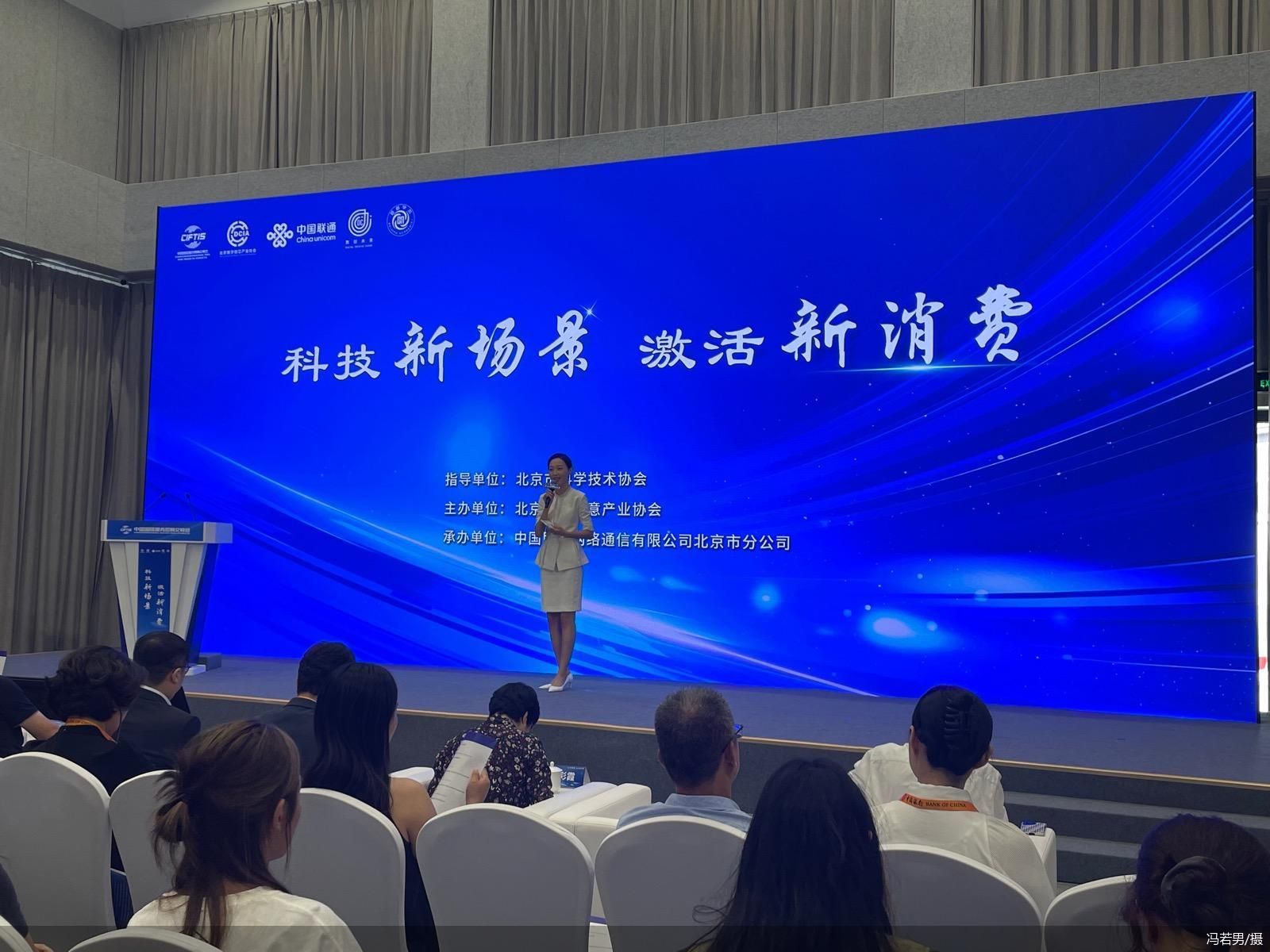
2025服贸会|打开消费新场景 科技赋能文旅新融合
Bei Jing Shang Bao· 2025-09-14 08:21
Group 1 - The core viewpoint of the articles emphasizes the integration of technology in the cultural and tourism sectors, enhancing visitor experiences through immersive and interactive methods [2][4]. - The "New Consumption Forum" held during the service trade fair discussed the potential of technology to create new consumption scenarios and stimulate future consumption in the cultural tourism industry [2]. - The government report for 2025 highlights the development of smart tourism and immersive experiences using technologies like VR, AR, and the metaverse, marking a significant transformation point for the cultural tourism industry [3]. Group 2 - The combination of museums and technology represents a profound transformation centered on the audience, culture, and technology, with digital transformation being crucial for activating cultural resources [3]. - Experts pointed out existing challenges in the initial phase of smart cultural heritage, such as insufficient technological application and the need for improved service experiences, indicating a pressing need for digital upgrades [3]. - Future developments in museums will leverage AI to enhance visitor engagement, provide multilingual services, and personalize experiences, thereby expanding the global influence of museums [4].
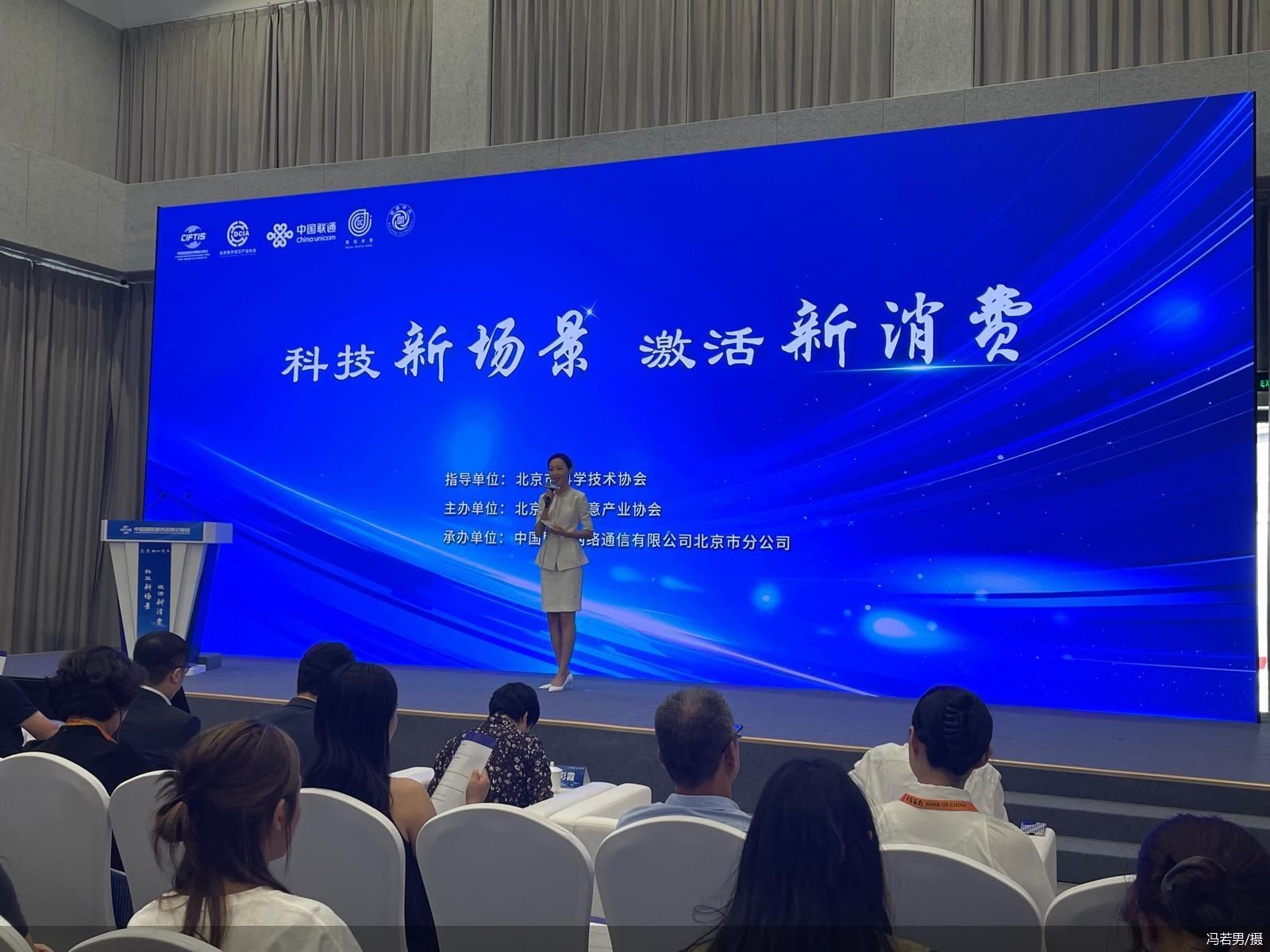
元宇宙产业主题交流活动福州举行
Zhong Guo Xin Wen Wang· 2025-04-30 11:05
Group 1 - The eighth Digital China Construction Summit featured a theme exchange activity focused on the metaverse industry, discussing topics such as virtual reality, metaverse cultural tourism, and digital twins [1] - The metaverse is recognized as a new business model within the digital economy, rapidly developing and injecting new vitality into industrial upgrades and economic transformation [1] - Fuzhou aims to integrate digital economy with the real economy, actively building a metaverse industry ecosystem [1] Group 2 - The establishment of the Metaverse Industry Innovation Alliance aims to gather various forces to create a new ecosystem for the metaverse industry [2] - The Fuzhou Artificial Intelligence Association was launched to promote innovation and application of AI technology in the city, facilitating healthy development of the AI industry [2] - A partnership was signed among three companies to create immersive digital experiences in cultural tourism using advanced technologies like AR and AI, aiming to boost consumption in the cultural and commercial tourism sector [2]
