数字金融

Search documents
在“稳”中求进,于“新”处见优 建设银行2025年业绩深度透视
2 1 Shi Ji Jing Ji Bao Dao· 2026-03-30 23:16
Core Viewpoint - China Construction Bank (CCB) has demonstrated strong performance in 2025, achieving significant growth in total assets and net profit despite a challenging banking environment, with a focus on sustainable development and quality improvement [1][2]. Financial Performance - Total assets reached 45.63 trillion yuan, an increase of 12.47% - Net profit was 339.79 billion yuan, up by 1.04% - Non-performing loan ratio improved to 1.31%, down by 0.03 percentage points from the previous year [1][2][3]. Capital and Profitability - Core Tier 1 capital net amount reached 3.46 trillion yuan, increasing by 9.46% - Operating income for the year was 740.87 billion yuan, a rise of 1.69% - Non-interest income increased, with net fee and commission income growing by 5.13% [2][3]. Asset Quality - Provision coverage ratio stood at 233.15%, indicating strong risk mitigation capabilities - Key regulatory indicators include a return on average assets of 0.79% and a capital adequacy ratio of 19.69% [3]. Customer Base and Shareholder Returns - CCB served 12.73 million corporate clients and 785 million individual customers - Proposed cash dividend for 2025 is 2.029 yuan per 10 shares, with a total cash dividend of approximately 101.68 billion yuan, maintaining a payout ratio of 30% [3]. Strategic Focus - CCB emphasizes serving the real economy, with a focus on optimizing credit structure to support high-quality development - Domestic corporate loans reached 15.69 trillion yuan, with significant growth in loans to manufacturing and strategic emerging industries [4][5]. Regional and International Expansion - Increased loan proportions in key regions such as the Beijing-Tianjin-Hebei area and the Greater Bay Area - International business credit balance reached 1.45 trillion yuan, with a cross-border RMB settlement volume of 6.50 trillion yuan [5][6]. Financial Innovation and Sustainability - CCB is advancing in five key areas: technology finance, green finance, inclusive finance, pension finance, and digital finance - Green loan balance reached 6 trillion yuan, supporting carbon neutrality goals [7][8]. Risk Management and Operational Efficiency - CCB is transitioning to a light asset model and enhancing integrated financial services - Focus on comprehensive cost management and risk prevention strategies to ensure sustainable growth [9][10]. Future Outlook - CCB aims to continue its high-quality development path, aligning with national strategies and enhancing its role in modernizing the economy [11].

深耕“五篇大文章” 做强上海主场:交通银行2025年服务实体经济显担当
Quan Jing Wang· 2026-03-30 05:02
Core Viewpoint - The performance meeting of Bank of Communications (601328) highlighted its commitment to national strategic guidance and its effective service to the real economy through targeted credit allocation and the promotion of five key financial areas: technology finance, green finance, inclusive finance, pension finance, and digital finance [1] Group 1: Financial Performance - As of the end of 2025, the total customer loans of Bank of Communications reached 9,123.57 billion yuan, an increase of 6.64% compared to the previous year, outpacing the growth rate of total assets [1] - Key sectors such as manufacturing, private loans, and green loans experienced growth rates higher than the average loan growth rate, demonstrating the bank's commitment to high-quality development [1] Group 2: Strategic Initiatives - The bank effectively leveraged its comprehensive and international advantages, with the contribution of overseas institutions and subsidiaries to the overall profit of the group steadily increasing, becoming a significant driver of profit growth [1] - As the only state-owned bank headquartered in Shanghai, Bank of Communications strengthened its role in supporting the construction of Shanghai's "five centers" and focused on cross-border finance, RMB internationalization, and free trade zone business [1] Group 3: Regional Development Support - In alignment with the Yangtze River Delta integration strategy, the bank played a pivotal role in efficiently allocating credit resources within the region, providing robust financial support for infrastructure connectivity, technological innovation, and industrial upgrading [1]

"十五五"规划纲要金融相关内容梳理|宏观经济
清华金融评论· 2026-03-22 09:10
Core Viewpoint - The article emphasizes the importance of accelerating the construction of a modern financial system with Chinese characteristics, focusing on risk prevention, strong regulation, and promoting high-quality development [3]. Group 1: Financial System Construction - The goal is to establish a robust and modern financial system that aligns with economic growth and price stability, enhancing the effectiveness of financial services to the real economy [4]. - A comprehensive macro-prudential management system will be established, incorporating more financial activities and markets into its framework [4]. - The article highlights the need for a structural monetary policy tool system and the deepening of capital market reforms to increase the proportion of direct financing [4]. Group 2: Financial Services Development - The development of technology finance, green finance, inclusive finance, pension finance, and digital finance is prioritized to support strategic sectors and weak links [4][7][8][10][14]. - The article calls for the enhancement of financial products and services in the green finance sector, including the promotion of carbon finance products [9]. - Inclusive finance policies will be strengthened to expand financial supply in consumer sectors and support rural financial services [10][11][12]. Group 3: Risk Prevention and Management - The article stresses the importance of preventing and resolving risks in key areas such as real estate, local government debt, and small financial institutions [18][19]. - A comprehensive monitoring and regulatory system for local government debt will be established to prevent hidden debt risks [20]. - The need for a coordinated approach to financial regulation and consumer protection is emphasized to combat illegal financial activities [20][21]. Group 4: Financial Market Opening - The article advocates for cautious expansion of financial market connectivity and the optimization of foreign investor systems [22][23]. - It highlights the importance of promoting the internationalization of the Renminbi and enhancing its use in international trade and investment [23]. - The development of a diversified, sustainable, and risk-controlled investment and financing system is encouraged [26]. Group 5: Real Estate and Stock Market Development - The article suggests implementing a company system for real estate development projects and supporting reasonable financing needs [30]. - It emphasizes the need to improve capital market functions to enhance the quality of listed companies and establish long-term stability mechanisms [30]. Group 6: Policy Support and Legislative Improvement - The article calls for increased policy support in finance and taxation to enhance the marine economy and other key sectors [37]. - It stresses the importance of legislative planning and review to improve the quality of financial regulations and public participation [38].


农业银行启动2026年“3·15”金融消费者权益保护教育宣传活动
Jin Rong Jie· 2026-03-05 11:25
Core Viewpoint - Agricultural Bank is conducting a financial consumer rights protection education campaign from March 5 to 15, focusing on enhancing consumer awareness and financial literacy in various key areas [1] Group 1: Campaign Details - The theme of the campaign is "Clear Financial Network, Protect Safe Consumption" [1] - The campaign will focus on inclusive finance, pension finance, and digital finance, targeting specific groups such as the elderly and special populations [1] - The bank aims to promote measures that empower livelihoods, boost consumption, and enhance service coverage [1] Group 2: Educational Initiatives - Agricultural Bank will utilize both online and offline platforms, including its official website, mobile banking, and social media, to disseminate educational content [1] - The bank plans to create engaging educational materials using short videos and animations to make financial knowledge accessible [1] - The campaign will involve collaboration with media, communities, and various sectors to spread financial knowledge and fraud prevention tips [1] Group 3: Employee and Partner Training - The bank will strengthen policy advocacy and compliance training for employees and partners, ensuring adherence to product information disclosure and personal data protection [1] - Continuous improvement of customer experience and financial literacy among consumers is a priority for the bank [1]

【银行业展望系列】五篇大文章:引领商业银行发展新航向
Sou Hu Cai Jing· 2026-02-25 06:26
Core Viewpoint - The banking industry in China is transitioning from a "scale-oriented" model to a "value-driven" approach, as the growth dividends from expansion diminish and competition becomes increasingly homogeneous. The "Five Major Articles" proposed at the 2023 Central Financial Work Conference serve as a strategic framework for high-quality development in the financial sector, aiming to break through growth bottlenecks and reconstruct core competitiveness [1][2]. Group 1: Policy Guidance and Overall Layout - The "Five Major Articles" are interconnected, forming a collaborative development framework that includes digital finance as a foundational technology supporting the advancement of technology finance, green finance, inclusive finance, and pension finance. The government has provided direction through policies such as the "Guiding Opinions on the Financial 'Five Major Articles'" [2][3]. - Large commercial banks are expected to play a leading role, focusing on national strategies like technological self-reliance and rural revitalization, while joint-stock banks emphasize differentiated innovation in niche markets [2]. Group 2: Multi-Factor Driving Forces for Change - The shift from a "scale-oriented" to a "value-oriented" approach in commercial banks is driven by three main factors: economic transformation, policy guidance, and technological innovation. The demand for financial services has evolved, necessitating a focus on key areas such as technology, green initiatives, inclusive finance, and pensions [3]. - Policies are guiding banks back to their core functions, promoting high-quality development through differentiated regulation and performance assessments [3]. Group 3: Pathways for Value Reconstruction - The "Five Major Articles" provide clear pathways for banks' model transformation, including encouraging "loan + external direct investment" in technology finance, supporting collateral financing for carbon emissions and pollution rights in green finance, and enhancing inclusive finance through increased lending [4][10]. - The integration of digital finance and industry terminal scenarios is crucial for driving the transformation of the banking sector and enhancing service to the real economy [7][8]. Group 4: Specific Areas of Focus - **Technology Finance**: Establish a comprehensive service system covering the entire lifecycle of technology enterprises, addressing the mismatch between high-risk, light-asset startups and traditional banking models [11]. - **Green Finance**: Develop a sustainable business model that balances policy guidance with market viability, focusing on diverse products and active market engagement [12]. - **Inclusive Finance**: Leverage digital technology to deepen financial service penetration and integrate with supply chain dynamics, enhancing service delivery to rural areas [13]. - **Pension Finance**: Innovate services to create a comprehensive ecosystem for elderly care, focusing on the third pillar of pension insurance and integrating financial products with health management services [14]. - **Digital Finance**: Strengthen the technological foundation for digital transformation, enhancing data governance and establishing an open ecosystem for financial services [15]. Group 5: Differentiated Strategies for Various Bank Types - **State-Owned Large Commercial Banks**: Act as leaders in strategic areas, focusing on technology innovation and providing comprehensive financial services to support national strategies [16][17]. - **Joint-Stock Commercial Banks**: Adopt a differentiated positioning strategy, focusing on niche markets and local economic integration to avoid direct competition with state-owned banks [19][20].

科技架桥 金融筑基 共谱“五篇大文章”发展新华章 金融科技发展经验交流会在京举行
Jin Rong Shi Bao· 2026-02-11 02:00
Group 1 - The core theme of the recent financial technology exchange meeting is "Building Bridges with Technology, Establishing Foundations in Finance," emphasizing the importance of collaboration and resource integration in the development of financial technology [1][2] - Financial technology is now considered a necessary component for the high-quality development of the financial industry, rather than just an added advantage [1] - The meeting aimed to promote deep cooperation within the industry and respond to the needs of the sector, aligning with the central financial work conference's spirit [1] Group 2 - Digital finance is a crucial part of the "Five Major Articles" and serves as a key link connecting other areas, reshaping the operational models of financial services [2] - The vitality of technological innovation in the financial sector has been consistently increasing, leading to multiple successful outcomes in recent years [2] - The exchange meeting included representatives from major banks such as Industrial and Commercial Bank of China, Agricultural Bank of China, and others, sharing their innovative practices in financial technology and digital finance [2]
金融强国,如何建强支柱?
Xin Lang Cai Jing· 2026-02-09 11:34
Core Viewpoint - The article emphasizes the importance of building a modern financial system with Chinese characteristics as a foundation for establishing a financial power, highlighting six key pillars that support this initiative [1][6]. Financial Regulation System - The core responsibility of the financial regulation system is to provide institutional guarantees for the long-term stability of the economy and finance, while also implementing timely and effective adaptive regulation for short-term fluctuations [2][7]. - Since the reform and opening up, China's monetary policy has been effectively adjusted according to economic and financial development, ensuring a favorable monetary environment for rapid economic growth and long-term social stability [2][7]. - The dual-pillar framework of monetary policy and macro-prudential policy has been established to fill the gap between monetary policy and micro-prudential regulation, marking further improvement in the financial regulation system [2][7]. Financial Innovation and Regulation - Financial innovation drives the development of financial reform but can also trigger risks, as evidenced by past phenomena like "shadow banking" and "financial exceptionalism" [3][8]. - A complete and effective modern financial regulatory system is essential for achieving the strategic goal of building a financial power, requiring comprehensive coverage of all financial activities and a focus on both legal and illegal activities [3][8]. - Recent efforts to optimize and improve the financial regulatory system include the establishment of the National Financial Supervision and Administration and reforms in local financial regulatory systems [3][8]. Diverse Financial Products and Services - The core of a diverse and specialized financial products and services system lies in effectively linking financial resource supply with the demands of economic and social development [4][9]. - During the "14th Five-Year Plan" period, the banking and insurance sectors provided an additional 170 trillion yuan to the real economy, with annual growth rates exceeding 20% for loans to technology-based SMEs, inclusive small and micro loans, and green loans [4][9]. - There remains a mismatch in the financial sector, where significant financing needs in key areas are not fully met, while some financial resources are inefficiently utilized [4][9].
做好金融“五篇大文章” 2025年甘肃省社会融资规模增量2086亿元
Sou Hu Cai Jing· 2026-02-05 02:28
Core Insights - The Gansu Provincial Government is focusing on enhancing financial services to support the real economy, with a target of increasing the social financing scale by 208.6 billion yuan by 2025 [1] - The total loan balance in the five key financial areas is projected to reach 1.1 trillion yuan, reflecting a year-on-year growth of 7.3% [1] Group 1: Financial Strategies - The People's Bank of China Gansu Branch is implementing structural monetary policy tools to direct credit resources towards key sectors and weak links in the real economy [3] - A "Financial Escort Plan for Technology Enterprises" is being organized to support technology-driven companies and major technological projects, with a target of achieving a technology loan balance of 463 billion yuan by the end of 2025, benefiting 6,452 enterprises [3] Group 2: Green Finance Initiatives - Gansu is deepening its green finance innovation pilot, aiming to increase credit support for green low-carbon transitions and ecological restoration, with a target green loan balance of 469.5 billion yuan by the end of 2025, an increase of 51.4 billion yuan from the beginning of the year [3] Group 3: Inclusive Finance Development - The province is focusing on inclusive finance by establishing a list of key industry chains and enterprises, with 379.8 key enterprises identified, leading to a total of 85.2 billion yuan in loans for these sectors, benefiting 567,000 business entities [3] Group 4: Consumer Finance and Economic Growth - Measures to boost consumption have been developed, including a credit support ledger for consumer and elderly care industries, with 30 million yuan allocated by 18 banks and UnionPay Gansu to stimulate social consumption growth [3] Group 5: Financing Costs - The average interest rate for new corporate loans in Gansu is 3.22%, down 0.49 percentage points year-on-year, while the average interest rate for new personal housing loans is 3.28%, down 0.41 percentage points year-on-year [4] - The bank has clarified the comprehensive financing costs for corporate loans, helping save 2.74 million yuan in non-interest costs for enterprises [4]
2026年信贷市场工作会议要求 加强与财政政策协同 强化消费领域金融支持
Zhong Guo Zheng Quan Bao· 2026-02-04 21:10
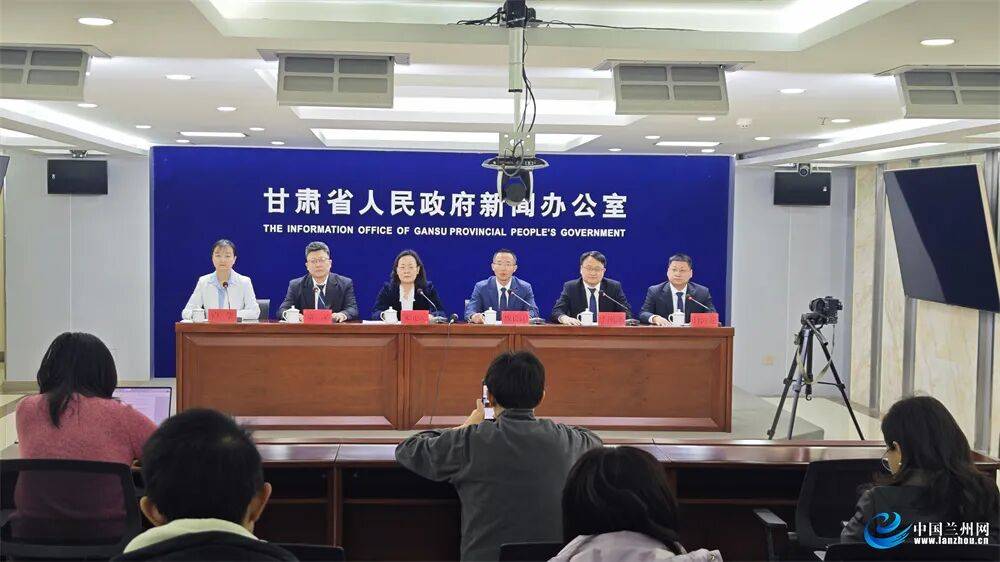
Core Insights - The People's Bank of China (PBOC) held a meeting on February 4 to discuss the credit market work for 2026, emphasizing the need for collaboration with fiscal policy and strengthening financial support in the consumption sector [1][2] - The meeting highlighted the achievements of 2025, including the effective implementation of the financial "five major articles" and significant alleviation of debt risks associated with local government financing platforms [1][2] Group 1 - The meeting aims to accurately grasp the economic and financial situation during the "14th Five-Year Plan" period, balancing development and security while enhancing quality financial services for major strategies and key areas [2] - There is a focus on improving mechanisms for the financial "five major articles" and implementing structural monetary policy tools, alongside a strong emphasis on developing technology finance, green finance, inclusive finance, pension finance, and digital finance [2] - The construction of a multi-tiered financial service system is prioritized to support domestic demand expansion, technological innovation, and small and micro enterprises [2] Group 2 - Continued efforts will be made to support the resolution of debt risks associated with financing platforms, guiding local governments in market-oriented transformations [2] - Financial institutions are encouraged to provide services based on market-oriented and rule-of-law principles, with an emphasis on macro thinking and problem orientation [2] - The meeting calls for improvements in work style and the establishment of a dynamic closed loop for policy implementation, evaluation, and optimization to enhance the effectiveness of policies benefiting the public and enterprises [2]
部署2026年信贷工作!央行:强化消费领域金融支持
Sou Hu Cai Jing· 2026-02-04 09:53
Core Viewpoint - The People's Bank of China emphasizes the need for targeted and coordinated efforts in the credit market for 2026, focusing on enhancing financial services for major strategies, key areas, and weak links in the economy [2][4]. Group 1: Financial Development Strategies - The meeting outlines the importance of developing the "Five Major Financial Articles," which include technology finance, green finance, inclusive finance, pension finance, and digital finance, while strengthening financial support in the consumption sector [4][6]. - There is a shift in focus from enhancing the adaptability of financial products to implementing structural monetary policy tools and coordinating with fiscal policy, indicating a clearer direction for macroeconomic support [4][6]. Group 2: Key Areas of Focus - The 2026 credit support will prioritize expanding domestic demand, technology innovation, and support for small and micro enterprises, with a particular emphasis on reinforcing financial support in the consumption sector [6]. - The meeting highlights the need for financial institutions to adhere to market-oriented and legal principles in their services, particularly in addressing the debt risk of financing platforms and supporting local governments in market-oriented transformations [6].