
星盾

Search documents
军工行业2026年春季投资策略:发展先进战斗力,拓展出海民用新市场
Southwest Securities· 2026-03-11 07:29
Core Insights - The global defense spending is projected to reach $2.63 trillion in 2025, a 2.5% increase year-on-year, with defense spending as a percentage of global GDP rising from 1.89% to 2.01% [4] - China's defense budget for 2026 is set at 1.91 trillion yuan, reflecting a 7% increase from 2025, indicating a stable growth trajectory [4][36] - The upcoming 2027 milestone for China's military development will likely accelerate industry growth and equipment development [4][39] - The military-civilian integration and military trade are expected to open new market opportunities for defense companies [4][6] Section 1: Military Investment Growth - The report highlights the increasing military expenditures by various countries in response to global uncertainties and conflicts, with the U.S. defense budget for 2026 at $901 billion [4][34] - China's defense spending growth remains robust, with a 7% increase planned for 2026, maintaining a long-term upward trend [4][36] - The emphasis on achieving the centenary military goals by 2027 will drive new momentum in the defense sector [4][39] Section 2: Recommended Sectors - Key sectors to focus on include military technology for civilian use, military trade, and low-cost weaponry [6][42] - The commercial aerospace sector is expected to benefit from advancements in military aircraft development, with significant progress in the C919 program [42][44] - The military trade market is anticipated to experience rapid growth due to ongoing international conflicts [6][73] Section 3: Historical Performance and Future Outlook - The military industry has seen fluctuating performance, with a notable recovery in revenue and profit margins since 2025, driven by the end of previous disruptions [14][28] - The defense sector's revenue for Q1-Q3 2025 reached 540.57 billion yuan, a 16.2% year-on-year increase, indicating a positive trend [14][28] - The report suggests that the military industry will continue to recover and grow, supported by domestic demand and military trade opportunities [14][28] Section 4: Inventory and Order Demand - The military sector's inventory increased significantly, with total inventory reaching 366.65 billion yuan by Q3 2025, reflecting strong downstream order demand [21][24] - Prepayments and contract liabilities surged to 405.88 billion yuan, indicating a robust order pipeline [21][24] - The report emphasizes the correlation between inventory levels and order demand, suggesting a positive outlook for future revenue [21][24] Section 5: Cash Flow and Financial Health - The operating cash flow for the military industry showed improvement, with a net cash flow of -30.11 billion yuan for Q1-Q3 2025, an improvement from the previous year [28] - The long cash conversion cycle in the military sector continues to pose challenges, but the situation is expected to improve as previous disruptions are resolved [28]
SpaceX﹒多行星文明:“运、连、算、光”四位一体太空基建
GF SECURITIES· 2026-02-25 04:05
Investment Rating - The report provides a "Buy" rating for several companies involved in the SpaceX ecosystem, including companies like Ruichuang Micro-Nano, Minshida, and others, indicating a positive outlook on their growth potential in the defense and aerospace sector [4]. Core Insights - SpaceX aims to reduce space transportation costs and achieve Mars colonization, with a focus on three transformative areas: the internet, sustainable energy, and the ability to live beyond Earth. The company has developed a series of rockets and spacecraft, including the Falcon, Dragon, and Starship, to facilitate low-cost access to space [3][11]. - The business model of SpaceX is centered around vertical integration, encompassing the entire supply chain from rockets to satellites, launches, terminals, and applications. This approach allows for self-sustaining growth and continuous iteration of its services [3][11]. - Government support is crucial for SpaceX, with the U.S. government providing funding, contracts, and technology support to maintain its competitive edge in the space industry. This collaboration has enabled SpaceX to innovate and expand its capabilities [3][11]. Summary by Sections Section 1: SpaceX Overview - SpaceX is recognized as a global leader in commercial spaceflight, having achieved numerous milestones, including the first privately funded liquid-fueled rocket to reach orbit and the first private company to send astronauts to the International Space Station [12][11]. Section 2: Business Model - The company has created a self-sustaining ecosystem through a series of commercial concepts, including Mars colonization and satellite internet services, which continuously generate demand and market opportunities [3][11]. Section 3: Cost Efficiency - SpaceX emphasizes reusability and cost reduction as core principles, utilizing mature technologies and a vertically integrated supply chain to minimize outsourcing and production costs [3][11]. Section 4: Government Collaboration - The report highlights the importance of NASA and U.S. military support in SpaceX's growth, showcasing how government contracts and technology sharing have facilitated the company's advancements in space technology [3][11]. Section 5: Investment Recommendations - The report suggests potential investment opportunities in various companies linked to SpaceX's operations, including those involved in satellite technology, AI, and materials for aerospace applications [3][4].
史上最大IPO来临:马斯克开始准备殖民火星了|硅谷观察
Xin Lang Cai Jing· 2026-01-29 23:42
Core Viewpoint - SpaceX, led by Elon Musk, is preparing for an initial public offering (IPO) potentially around June 28, aiming to raise up to $50 billion with a target valuation of $1.5 trillion, which would set a record for the largest IPO in history [2][16]. Group 1: Company Overview - SpaceX's valuation has reached $800 billion in a recent internal equity transaction, doubling from $400 billion in July 2025, making it the most valuable private company globally [2][29]. - The company has transitioned from near bankruptcy in 2008 to a dominant player in the commercial space sector, successfully launching the Falcon 1 rocket and securing significant contracts with NASA [7][9]. Group 2: Business Segments - SpaceX's business model consists of two main segments: rocket launch services and Starlink satellite internet, with the majority of revenue coming from Starlink [8][40]. - The company has achieved over 90% of the global commercial payload launch market, with a record launch frequency of 167 times in 2025, significantly surpassing all other countries [9][38]. Group 3: Starlink and Future Growth - Starlink, launched in 2015, has become the largest satellite internet provider globally, with over 9 million users and a projected revenue contribution of over 70% to SpaceX's total revenue by 2025 [11][40]. - The Starship system, a fully reusable heavy-lift rocket, is central to SpaceX's future plans, with the potential to drastically reduce launch costs to $100-200 per kilogram [13][42]. Group 4: IPO and Market Recognition - The anticipated IPO is expected to surpass the previous record set by Saudi Aramco in 2019, with Morgan Stanley likely to be the lead underwriter [16][45]. - SpaceX's competitive advantages include advanced technology, cost efficiency, and a stable cash flow, with the company reportedly achieving positive free cash flow for several consecutive years [19][46]. Group 5: Competitive Landscape - Despite SpaceX's dominance, competitors like Blue Origin and Rocket Lab are emerging, with Blue Origin successfully launching its New Glenn rocket and developing its satellite internet project [20][49]. - The commercial space sector is witnessing rapid growth, with various companies exploring different niches, including satellite internet and small satellite launches [22][52]. Group 6: Broader Implications - SpaceX's IPO signifies a pivotal moment in the commercialization of space, potentially attracting more capital and accelerating technological advancements in the industry [29][58]. - The company aims to establish a human presence on Mars by the 2030s, with ambitious plans for interplanetary colonization and advanced space infrastructure [15][42].

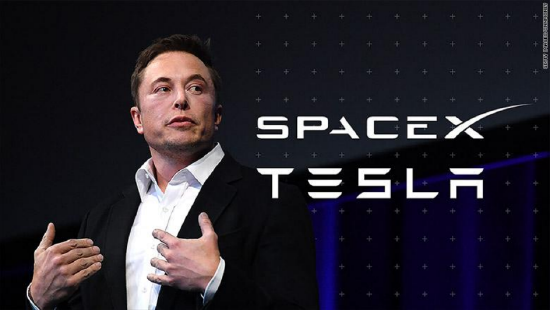
王强:警惕“星链”的国际垄断风险
Xin Lang Cai Jing· 2026-01-27 23:08
Core Viewpoint - Elon Musk's SpaceX has announced free access to its Starlink satellite internet service for Iranian users amid political turmoil, raising international concerns about the implications of commercial satellite constellations on global security and governance [1] Group 1: Impact of Starlink on Warfare - The Starlink system, initially designed for commercial satellite internet, has evolved into a quasi-military tool for the U.S., significantly influencing modern warfare dynamics, as evidenced by its rapid deployment to support Ukrainian forces during the Russia-Ukraine conflict [1] - The U.S. military has integrated Starlink with various operational units, enhancing its combat capabilities and creating a closed-loop information system for military operations [2] Group 2: Strategic Dependency and National Security - The reliance on Starlink technology by smaller nations creates a strategic dependency, posing risks to national sovereignty and security, as seen in past instances where the U.S. leveraged Starlink to exert pressure on countries like Ukraine [3] - The trend of countries, particularly in Europe and Japan, developing their own low-Earth orbit satellite constellations reflects a response to the vulnerabilities associated with dependency on foreign technology [3] Group 3: Challenges of Space Resource Management - Starlink's rapid expansion, with over 10,000 satellites in orbit, has led to monopolistic control over near-Earth orbital resources, increasing the risk of satellite collisions and space debris [4] - The lack of regulatory frameworks allows entities like Starlink to operate with impunity, potentially leading to a new arms race in outer space, as existing international laws struggle to address these emerging challenges [4] Group 4: Call for International Cooperation - There is a pressing need for the international community to establish binding guidelines for space activities to prevent militarization and ensure that space technology serves humanity's welfare [5] - Developing countries are encouraged to pursue autonomous technological paths and strengthen collaboration to build a secure space community [5]
德国:打造本土“星链” 强化通信安全
Xin Lang Cai Jing· 2026-01-27 18:56
Group 1 - Germany's largest defense contractor, Rheinmetall, and Bremen-based satellite manufacturer are planning to jointly bid for a contract to provide a satellite internet service similar to the US Starlink for the German Armed Forces, with the contract potentially worth billions of euros [1] - The aim is to create a secure military-grade satellite communication network in low Earth orbit for the German military, which would serve as Germany's version of Starlink [1] - The US SpaceX's Starlink has been increasingly involved in international geopolitical events, providing broadband internet services through low Earth orbit satellites and supporting US government defense contracts [1] Group 2 - Many countries are seeking to develop their own secure satellite communication networks to reduce dependence on SpaceX or the US, with Japan also working on a "Japanese version of Starlink" and allocating 150 billion yen (approximately $970 million) for related subsidies [2] - As part of its efforts to enhance military capabilities and reduce reliance on the US, the German government committed to investing 35 billion euros in military space technology last year [2] - The German military plans to primarily collaborate with domestic companies to establish a dedicated satellite communication network, with a focus on serving NATO's eastern flank member countries [2]
德国军工巨头要为德军打造本土版“星链”
Xin Hua She· 2026-01-27 06:23
Group 1 - Rheinmetall, Germany's largest defense contractor, and Bremen-based OHB System AG are planning a joint bid to provide satellite internet services similar to the US "Starlink" for the German Bundeswehr [1] - The potential contract value could reach several billion euros, aimed at creating a secure military-grade satellite communication network in low Earth orbit for the German military [1] - The US SpaceX's "Starlink" currently has over 9,000 satellites in orbit and has been actively involved in defense contracts, establishing a division called "Starshield" to provide services to the US Department of Defense [1] Group 2 - Many countries are seeking to develop their own secure satellite communication networks to reduce dependence on SpaceX or the US, with Japan planning to create a "Japanese version of Starlink" and allocating 150 billion yen (approximately $970 million) for related subsidies [2] - The German government has committed to investing 35 billion euros in military space technology, aiming to enhance military capabilities and reduce reliance on the US [2] - The German military plans to collaborate primarily with domestic companies to establish a dedicated satellite communication network, with a focus on NATO's eastern flank member states [2]
“星链”在伊朗免费部署,境内已有约5万台终端,伊方公布缴获的设备!多次登台亮相,“星链”如何成为“干涉助手”?
Mei Ri Jing Ji Xin Wen· 2026-01-14 16:23
Core Viewpoint - The situation in Iran has escalated, leading to protests and unrest, prompting military threats from the U.S. and personnel withdrawals from the region [2][3]. Group 1: U.S. Military Actions - The U.S. is withdrawing some personnel from its major bases in the Middle East due to heightened tensions in the region [3]. - The U.S. military presence in Qatar is being reduced, with a focus on ensuring the safety of citizens and critical infrastructure [3]. Group 2: Iranian Legislative Developments - The Iranian parliament has passed a framework for regulating gatherings and protests, distinguishing between legal and illegal activities [4]. - The Iranian Revolutionary Guard has stated that the country is at a high state of readiness, with missile stockpiles increased since 2025 [4]. Group 3: Starlink Deployment in Iran - Elon Musk's SpaceX is providing free Starlink satellite internet service in Iran, despite previous legal prohibitions against it [5][9]. - Approximately 50,000 Starlink terminals are reported to be in use within Iran [5]. Group 4: Starlink's Role in Geopolitics - Starlink has become a tool for U.S. intervention in foreign affairs, facilitating communication in conflict zones [9][10]. - The technology has been utilized in various geopolitical contexts, including Ukraine and Venezuela, raising concerns about its implications in warfare [10][11].

SpaceX如何值万亿美元?
HUAXI Securities· 2025-12-30 09:11
Investment Rating - The report assigns a strong investment rating to the aerospace industry, particularly highlighting SpaceX's potential for significant valuation growth due to its innovative technologies and market positioning [2][5]. Core Insights - SpaceX is projected to achieve 170 launches in 2025 at a cost of $27 million per launch, establishing a robust commercial moat through reusable technology and significant contracts with NASA and other clients [2]. - The Starlink project has evolved into a three-pronged business model of manufacturing, operation, and technology premium, with expected revenues of $15.6 billion by 2026, contributing significantly to SpaceX's valuation [3]. - The development of space data centers is seen as a second growth curve for SpaceX, potentially generating $9.5 billion in profits and adding $332.5 billion to its valuation [4]. Summary by Sections 01 Launch Services: Reusable Technology Constructs Absolute Moat - SpaceX's valuation has increased nearly 30,000 times since its inception, driven by its leading launch capabilities and cost advantages [9]. - In 2025, SpaceX is expected to conduct 170 launches, dominating the global market and significantly outperforming competitors [15]. - The Falcon 9 rocket's launch cost has decreased by 70% compared to traditional rockets, enhancing SpaceX's competitive edge [15][20]. 02 Starlink: From Global Connectivity to Direct Mobile Access - Starlink has become the largest low Earth orbit satellite constellation, with over 10,000 satellites launched, and is expected to generate substantial revenue growth [50]. - The V2.0 Mini satellites have optimized the economic model, increasing bandwidth capacity while reducing costs significantly [50]. - Starlink's business model has transitioned from supplementary coverage to a core operational base, with a focus on high-margin government contracts [56]. 03 Space Data Centers: The Ultimate Solution in the AI Era - SpaceX's space data centers are positioned to overcome physical limitations in AI computing, leveraging the unique advantages of the space environment [81]. - The potential for high energy output and efficient cooling in space could lead to significant operational cost reductions [81]. - The report highlights the challenges of traditional aerospace costs, emphasizing the need for reduced launch costs to make space data centers viable [85].
商业航天迎来密集催化,卫星互联网拐点将至
Guotou Securities· 2025-12-14 15:38
Investment Rating - The report maintains an investment rating of "Outperform the Market - A" [5] Core Insights - The commercial aerospace and satellite internet industries are accelerating due to a resonance of technology and policy, marking a significant turning point for satellite internet as a crucial component of integrated space-ground networking infrastructure [1][12] - The satellite internet technology is characterized by its wide coverage, low latency for intercontinental communication, and low ground construction costs, addressing connectivity needs in remote areas and emergency scenarios [1][12] - The demand for space computing is emerging, driven by the exponential growth of AI model requirements, with major tech companies focusing on deploying data centers in space [2][13] Summary by Sections Industry Investment Rating - The report rates the industry as "Outperform the Market - A," indicating a projected investment return that exceeds the performance of the CSI 300 index by 10% or more over the next six months [5][27] Industry Performance - The report notes that the computer sector has underperformed relative to the CSI 300 index, with a 1-month relative return of -1.9% and a 3-month relative return of -7.6% [7][15] Key Industry Developments - The establishment of a dedicated regulatory body for commercial aerospace by the National Space Administration of China signifies a commitment to high-quality development in the sector [1][12] - SpaceX's Starlink project aims to deploy a constellation of approximately 42,000 satellites, enhancing military communication and reconnaissance capabilities [2][13] - The report highlights the increasing urgency for technological iteration and industrial acceleration in satellite internet and reusable rocket development in China [2][13] Beneficiaries and Recommendations - Companies involved in satellite control, space asset management, and testing services are expected to benefit from the growth in satellite numbers, with specific recommendations for firms like Xingtu Control and Shengbang Security [3][14] - The report suggests monitoring satellite payload and integrated service companies, including Zhongke Xingtou and Shanghai Hantong, as potential investment opportunities [3][14]
商业航天行业研究系列2:SpaceX,可重复使用运载火箭发射霸主冲向火星
SINOLINK SECURITIES· 2025-12-10 05:41
Investment Rating - The report suggests a positive investment outlook for the commercial aerospace industry, particularly focusing on the opportunities presented by SpaceX's monopolistic position in launch services and the monetization path of the Starlink satellite constellation [2]. Core Insights - The core investment logic for the commercial aerospace sector in A-shares is to embrace the explosive growth period of satellite constellation infrastructure and to identify high-barrier component suppliers. China is currently in a phase similar to SpaceX's network-building period from 2018 to 2020. As the G60 and GW networks enter a dense launch phase, satellite manufacturing is transitioning from custom lab designs to mass production akin to automotive assembly lines. The most certain alpha returns in the industry will come from high-value, high-barrier core satellite components and payloads [2]. Summary by Sections 1. SpaceX Overview - SpaceX is not a traditional aerospace manufacturer but a monopolist in space logistics and infrastructure, applying first principles to disrupt conventional beliefs about rocket costs and single-use designs. It has created a self-reinforcing business loop by leveraging the unmatched launch cost advantages of Falcon 9 to build the largest space communications network, Starlink, and using the cash flow generated to fund ambitious projects like Starship [4]. 2. Competitive Advantages - **Cost Barriers**: SpaceX's reusability model has drastically reduced launch costs, with marginal costs dropping to nearly $15 million per launch, achieving gross margins of around 68% after five reuse cycles. This cost structure provides SpaceX with pricing power against traditional aerospace giants [4]. - **Manufacturing Barriers**: Over 80% of SpaceX's components are self-developed, allowing for rapid iteration and cost control through vertical integration. This strategy has transformed rocket manufacturing from a craft-based approach to an industrialized process [4]. - **Customer Barriers**: SpaceX has established a strategic symbiosis with the U.S. government, which has become a significant source of funding for its core R&D through long-term contracts, ensuring a reliable and cost-effective access to space [4]. 3. Growth Curves - SpaceX's value proposition should not be compared to traditional defense contractors but viewed as a combination of three distinct business life cycles: 1. The launch business as a cash cow with high market share and profitability. 2. The exponential growth of Starlink, transitioning from B2B to B2C services, characterized by recurring revenue similar to SaaS models. 3. The disruptive potential of Starship, which could unlock trillion-dollar markets in space tourism, intercontinental transport, and deep-space resource extraction [4]. 4. Financial Trajectory - SpaceX has seen its valuation soar from approximately $27 million at inception to nearly $200 billion, reflecting a growth of nearly 7400 times over two decades. The financing history shows a clear evolution from focusing on cheaper rockets to expanding into satellite internet and ambitious space exploration projects [29][30]. 5. Product Ecosystem - SpaceX's business model is built on a self-reinforcing loop, utilizing its launch market dominance to deploy Starlink satellites at internal marginal costs, thereby increasing competitive pressure on rivals. The combination of stable cash flow from launch services and the growing SaaS revenue from Starlink supports the overarching goal of funding Starship development [31][32].