
浓茶

Search documents
暴食后用这些方法补救不靠谱
Xin Lang Cai Jing· 2026-02-24 16:13
Core Viewpoint - The article discusses various popular methods for recovering from overeating during the Spring Festival, highlighting that many of these methods lack scientific support and may even be harmful. Group 1: Misconceptions about Recovery Methods - The claim that foods like cucumber and winter melon can "neutralize sugar" due to their content of malic acid is unfounded, as the actual concentration in these vegetables is too low to have any significant effect on metabolism [2]. - The idea that consuming potassium-rich foods like bananas and spinach can quickly reduce water retention after overeating is misleading; excessive potassium intake can pose health risks, especially for individuals with certain medical conditions [3]. - The notion that extreme fasting or high-intensity exercise can completely offset the calories consumed during a large meal is flawed, as it can lead to a harmful cycle of bingeing and fasting [4][5]. Group 2: Expert Recommendations for Recovery - Experts suggest that after overeating, individuals should engage in gentle activities to alleviate discomfort rather than resorting to extreme measures [7]. - A balanced and light diet should be adopted the day after overeating, focusing on easily digestible carbohydrates, quality proteins, and vegetables, while avoiding spicy and fried foods [8]. - The importance of a proper breakfast the day after overeating is emphasized, as it helps to stabilize blood sugar levels and prevent further binge eating [8].
轻断食、喝苹果醋、吃含丙醇二酸食物……暴食后用这些方法补救不靠谱
Ke Ji Ri Bao· 2026-02-24 06:07
Core Viewpoint - The article discusses various popular post-feasting remedies circulating on social media, questioning their scientific validity and emphasizing the importance of long-term dietary adjustments over quick fixes [1][3]. Group 1: Misconceptions about Remedies - The claim that foods like cucumber and winter melon can neutralize sugar and repair metabolism due to their content of malic acid is deemed scientifically unfounded, as the actual concentration in these vegetables is negligible [2][3]. - The idea that potassium-rich foods can alleviate post-feast water retention is misleading; water retention is primarily caused by high salt, oil, and sugar intake, not potassium deficiency [4][5]. - The notion that extreme fasting or high-intensity exercise can effectively counteract the calories consumed during a feast is criticized for potentially leading to a harmful cycle of bingeing and fasting [6][7]. Group 2: Expert Recommendations - Experts suggest gentle activities after overeating to aid digestion, avoiding extreme measures like intense exercise or excessive water intake [10][11]. - A return to a light diet after a binge is recommended, focusing on easily digestible carbohydrates, quality proteins, and vegetables, while avoiding spicy and fried foods [11]. - The importance of a balanced breakfast the day after overeating is highlighted to help stabilize blood sugar levels and prevent further bingeing [11].
节后刮油别信浓茶 医生支招科学护肠胃
Xin Lang Cai Jing· 2026-02-23 16:32
Core Viewpoint - The article discusses the misconception that drinking strong tea can help reduce fat absorption after consuming heavy meals, emphasizing that this belief is scientifically unfounded and may even harm the digestive system [2][3]. Group 1: Misconceptions about Strong Tea - Many individuals believe that drinking strong tea after a heavy meal can "scrape off" fat, but this is merely a temporary sensation and does not actually reduce fat absorption [2]. - Medical experts indicate that while tea can aid digestion, it does not prevent the body from absorbing fats, and the consumption of strong tea may lead to gastrointestinal issues [2]. Group 2: Recommended Post-Meal Practices - After overeating, it is advisable to drink a small cup of warm water to help the digestive system rather than consuming tea or other beverages that may exacerbate discomfort [3]. - It is recommended to avoid lying down or engaging in vigorous activities immediately after meals to prevent additional pressure on the stomach [3]. Group 3: Dietary Recommendations - To alleviate the burden of heavy holiday meals, individuals should focus on a balanced diet that includes fresh fruits and vegetables, which can help slow fat absorption and promote digestion [4]. - Substituting refined grains with whole grains can enhance fiber intake and improve satiety, thereby naturally reducing overall food consumption [4]. - Choosing lightly processed foods over high-fat and high-salt options can help manage portion sizes and support digestive health [4].
过年吃多怕胖?真正靠谱的补救方法,其实就这三步
Xin Lang Cai Jing· 2026-02-21 14:10
Core Viewpoint - The article discusses various popular methods for recovering from overeating during the Spring Festival, highlighting that many of these methods lack scientific backing and can be counterproductive. Group 1: Misconceptions about Food and Recovery - Claims that cucumbers and winter melons can prevent fat accumulation due to their low levels of malic acid are unfounded, as the effective amount in these vegetables is negligible [2] - The idea that consuming potassium-rich foods like bananas and spinach can alleviate post-overeating water retention is misleading; the primary cause of water retention is high salt and oil intake, not potassium deficiency [3] - Drinking strong tea or apple cider vinegar to "flush out" fat is a misconception; these substances do not have a real physiological effect on fat absorption [6][7] Group 2: Ineffective Recovery Strategies - Extreme methods such as fasting or intense exercise after overeating are ineffective and can lead to a cycle of bingeing and fasting, as the body enters a "starvation mode" and stores fat instead of burning it [5] - The notion that one can "burn off" a large meal with a single high-intensity workout is incorrect; the body cannot efficiently offset caloric intake in this manner [5] - Experts recommend gentle activities post-overeating, such as walking, rather than intense workouts, to avoid injury and promote digestion [8] Group 3: Recommended Practices - After overeating, it is advised to engage in mild activities for 1-2 hours to stimulate digestion, rather than lying down or exercising vigorously [8] - The next meal should be lighter and more balanced, avoiding both excessive eating and complete fasting [8] - Consuming a nutritious breakfast the following day is crucial for stabilizing blood sugar levels and preventing further overeating [8][9]
过年千万别这样喝!这6种“伤身喝法”,很多人以为是酒量好
Xin Lang Cai Jing· 2026-02-20 04:12
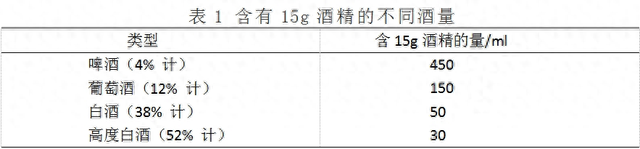
Core Viewpoint - The article emphasizes the hidden dangers of alcohol consumption, particularly during festive gatherings, highlighting that alcohol can harm various organs beyond just the stomach [1] Group 1: Harmful Drinking Practices - Mixing different types of alcohol can lead to excessive drinking and increase the risk of acute alcohol poisoning due to accelerated absorption [3][4] - Consuming alcohol while on medication can be dangerous; individuals should wait at least 7 days after stopping medication that interacts with alcohol before drinking [3] - Drinking alcohol while experiencing facial flushing indicates a potential deficiency in acetaldehyde dehydrogenase, leading to harmful acetaldehyde accumulation, which is a known carcinogen [4] - Mixing alcohol with carbonated drinks can speed up alcohol absorption and increase gastric irritation, leading to discomfort [5] - Combining alcohol with strong tea or coffee can exacerbate dehydration and may lead to heart rhythm issues due to the combined stimulant and depressant effects [6] Group 2: Recommendations for Safer Drinking - Adults should limit alcohol intake to a maximum of 15 grams of pure alcohol per day, equivalent to approximately 450 ml of beer or 150 ml of wine [6][7] - Eating before drinking can mitigate the effects of alcohol and reduce direct irritation to the stomach [7] - Drinking slowly allows the liver more time to metabolize alcohol, preventing rapid intoxication [8] - Staying hydrated by drinking water can help dilute alcohol and promote its elimination from the body [8] - It is advisable to wait for about an hour after drinking before going to sleep to reduce the risk of complications from unprocessed alcohol [9]

连吃1个月结节快速长大 这些食物可能是“催化剂”
Xin Lang Cai Jing· 2025-12-24 08:31
Group 1 - The core viewpoint of the articles emphasizes the potential risks associated with certain health supplements and dietary choices for patients with nodules, particularly breast and thyroid nodules [1][2][3] - A case study of a 58-year-old woman illustrates how the consumption of health supplements led to the rapid growth of a previously stable breast nodule, highlighting the need for caution in dietary habits [1] - Medical professionals warn that many health supplements may contain natural or phytoestrogen components that can stimulate abnormal cell proliferation in glandular tissues, leading to increased nodule growth [2] Group 2 - For breast nodule patients, it is advised to control the intake of animal proteins and fats, as excessive consumption may exacerbate estrogen production and contribute to breast tissue changes [2] - Thyroid nodule management requires balanced iodine intake, as both excess and deficiency can negatively impact nodule control [3][5] - Patients with thyroid nodules should avoid certain foods, such as sea products high in iodine and stimulants like caffeine, to maintain a low-iodine diet and support overall health [5][7] Group 3 - Lung nodule patients are advised to limit the consumption of three types of food: irritants (e.g., spicy foods), high-salt foods, and stimulating beverages, as these can hinder recovery [7] - Regular check-ups are recommended for benign nodules, with specific observation criteria to monitor changes in size and characteristics [8] - Self-examination techniques for thyroid nodules are suggested, emphasizing the importance of awareness and routine health checks to detect potential issues early [9]

夏季肾结石高发 医生:跳绳可促进小结石排出
Zhong Guo Xin Wen Wang· 2025-06-28 01:42
Core Viewpoint - The rise in summer temperatures leads to increased sweating and dehydration, resulting in a higher incidence of kidney stones, necessitating multi-faceted preventive measures [1] Group 1: Increase in Kidney Stone Cases - The urology department at Chongqing Medical University has reported a significant increase in kidney stone patients during the summer [1] - A case of a 55-year-old man with a 9 cm long kidney stone highlights the severity of the issue, as he experienced severe kidney function damage due to a large staghorn stone [1] Group 2: Recommendations for Prevention - It is recommended to drink at least 2500 ml of water daily, increasing to 3000 ml during hot weather or when sweating excessively [1][2] - Consumption of citrus fruits and dairy products is advised, as they contain citric acid and calcium that help prevent stone formation [2] - A reduction in the intake of animal organs, beer, spinach, strong tea, chocolate, barbecued food, and pickled products is suggested [3] - Regular physical activity is encouraged, with a specific recommendation of skipping rope for 10 minutes daily to aid in the expulsion of small stones [4] - It is advised to urinate before sleeping to avoid holding urine, and previous stone patients should undergo a urinary system ultrasound every six months [5]
别让饮食拖后腿 高考冲刺期 这五类风险食物少吃
Bei Jing Qing Nian Bao· 2025-06-03 00:11
Core Viewpoint - The article emphasizes the importance of a balanced diet for students preparing for exams, highlighting five types of foods to avoid that may negatively impact cognitive function and overall well-being during this critical period [1]. Group 1: Foods to Avoid - High-sugar foods, such as sugary drinks and desserts, can lead to blood sugar fluctuations, resulting in decreased attention and increased fatigue, commonly referred to as "carb crash" [2]. - High-fat foods, including fried items and fatty meats, can cause digestive discomfort and hinder cognitive performance due to their low nutritional density [3]. - Stimulant beverages like coffee and energy drinks may temporarily enhance alertness but can lead to anxiety and sleep disturbances when consumed excessively [4]. - Raw foods, such as sushi and undercooked eggs, pose a risk of foodborne illnesses, which can disrupt study routines and exam performance [5][6]. - Trying unfamiliar foods can increase the risk of allergies or digestive issues, potentially affecting focus and stability during exam preparation [7]. Group 2: Dietary Recommendations - A light and balanced diet is recommended, avoiding overly salty or spicy foods that can burden the kidneys and irritate the digestive system [8]. - Regular meal patterns should be maintained to ensure steady energy levels, with an emphasis on whole grains and diverse protein sources [9].