
研学课程

Search documents
充分发掘农业文化遗产经济价值
Jing Ji Ri Bao· 2026-01-22 21:59
Core Insights - Agricultural cultural heritage plays a significant role in sustainable agricultural development and the expansion of agricultural functions in China, with six heritage sites recently recognized by the FAO [1] - The integration of agricultural cultural heritage into watershed economic development is essential for promoting regional branding and transforming ecological services into economic value [1] Group 1: Current Status and Challenges - Agricultural cultural heritage tourism faces challenges such as environmental sensitivity leading to landscape damage and pollution, and a lack of comprehensive assessment and compensation mechanisms [2] - Many heritage sites remain at a superficial level of tourism offerings, failing to fully explore core values like irrigation mechanisms and traditional techniques, which hinders brand development [2] Group 2: Strategic Recommendations - Transitioning from a "point-based scenic area" approach to a "watershed system management" model is necessary to enhance the attractiveness and brand value of heritage sites [2] - Establishing a governance structure that promotes community involvement and shared benefits is crucial for aligning heritage protection with watershed development [3] Group 3: Economic Integration and Sustainability - The operational mechanisms of heritage sites should embed the realization of ecological product value, transforming ecological advantages into marketable assets through standards and branding [3] - Developing a year-round product matrix that includes indoor experiences and cultural activities can enhance the resilience of watershed industries against seasonal fluctuations [3]
速写 丨 驼铃悠悠响彻古道丨速写
Xin Lang Cai Jing· 2026-01-11 05:54
Core Insights - The article highlights the transformation of camels from traditional cargo carriers to tourist attractions in Dunhuang, Gansu, showcasing the significance of camel rides in the local economy and culture [2][3]. Group 1: Camel Operations and Management - The camel team managed by Wang Duilong has expanded to 32 camels, with each camel receiving personalized care and attention [1]. - The introduction of a "digital number chain" system has improved the efficiency of camel rides, reducing wait times for tourists during peak seasons [3]. Group 2: Tourism Statistics and Economic Impact - From October 1 to 8, Gansu province received 29.73 million tourists, generating a tourism revenue of 18.34 billion yuan, with Dunhuang's Mingsha Mountain attracting 233,400 visitors [4]. - The camel riding experience has a participation rate of 32%, becoming a signature attraction of the Mingsha Mountain scenic area [4]. - The diversification of tourism offerings, including camel-themed cultural products and educational programs, has created new business opportunities and provided significant economic benefits to surrounding villages, leading to job creation for thousands [4].
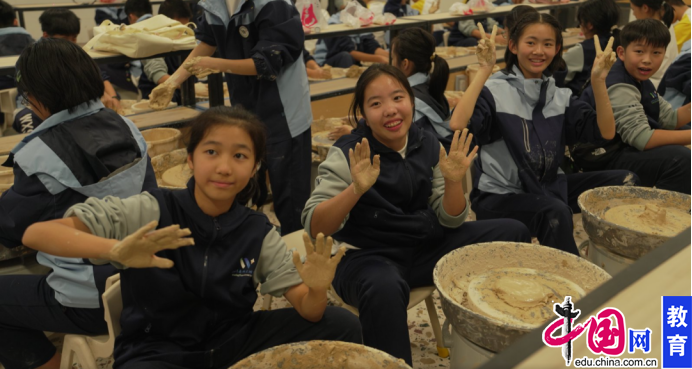
千亿研学困于“打卡”,陶博城如何破“卷”重生?
Xin Lang Cai Jing· 2026-01-06 08:07
Core Insights - The Chinese study tour market has reached a scale of over 100 billion yuan, driven by policy support, family consumption upgrades, and changes in educational philosophy, but it suffers from homogenization and a lack of educational value [1] - The industry needs to shift from a quantity-focused approach to a quality-focused one, moving from simple travel experiences to deeper learning outcomes [1] Group 1: Current Market Challenges - The majority of study tour programs (over 70%) are similar in content, leading to intense price competition and diluted educational value [1] - The prevalent model of "getting on the bus to sleep and getting off to take photos" essentially remains a variant of tourism products, lacking depth and innovation in course design [1] Group 2: Innovative Solutions by Tao Bo City - Tao Bo City has established a three-dimensional innovation system focusing on "course depth, immersive experience, and resource integration," creating a unique competitive advantage [3] - The course development at Tao Bo City avoids a one-size-fits-all approach, offering a tiered curriculum tailored to different age groups, including 50 specialized courses that cover various aspects of ceramics [3] Group 3: Resource Integration and Experience Design - Tao Bo City has transformed 120,000 square meters into an "educational ecosystem," integrating multiple resources and establishing a national education base to enhance the depth and breadth of study tours [5] - The experience design at Tao Bo City emphasizes active exploration rather than passive knowledge absorption, allowing students to engage in hands-on activities like pottery making [6] Group 4: Practical Examples and Educational Impact - The "Children's Porcelain Expo" held last summer exemplifies Tao Bo City's model, creating an interactive learning environment within historical architecture, allowing children to engage with traditional culture in a meaningful way [8] - Tao Bo City fosters a creative environment that encourages children to break conventions and produce unique works, emphasizing the importance of personal growth in education [10] Group 5: Redefining Educational Value - Tao Bo City's approach redefines the value of study tours from mere knowledge transfer to comprehensive growth empowerment, impacting cognitive, skill, and personal development levels [11] - The process of creating pottery not only teaches students about ceramics but also cultivates patience, focus, and problem-solving skills, while the sense of achievement reinforces their self-worth [11] Group 6: Conclusion on Educational Philosophy - The true differentiation in education lies not in promotional slogans but in the deep implementation of educational philosophies, as evidenced by the experiences at Tao Bo City [13] - The simultaneous occurrence of material creation and spiritual growth fulfills the essential mission of education, providing students with a profound understanding of culture, beauty, and creativity [13]

“三活三变”激活老村寨
Xin Lang Cai Jing· 2025-12-30 19:09
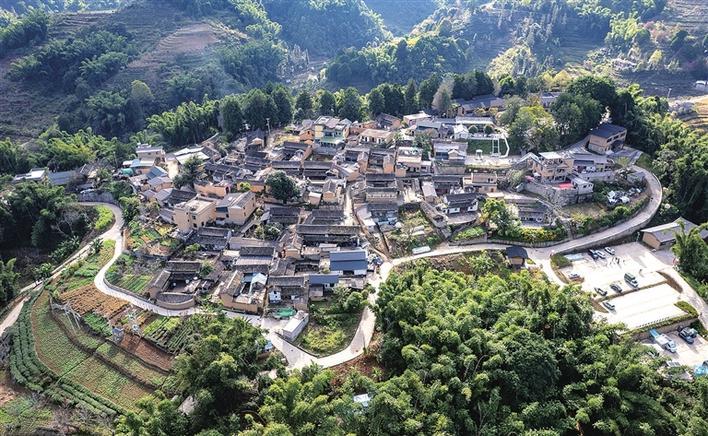
Core Insights - The article highlights the successful implementation of a rural revitalization strategy in Manhai Village, Yunnan Province, focusing on the "Three Activations and Three Transformations" approach [3] Group 1: Revitalization Strategy - The strategy involves activating assets by transforming idle tobacco drying houses into特色民宿 (characteristic homestays) and研学中心 (research and study centers) to diversify the village's operations [3] - The initiative leverages local advantages by deeply exploring intangible cultural heritage, such as bamboo weaving, and developing it into educational courses and cultural products, thus converting cultural resources into marketable products [3] - The program encourages villagers to take on new roles, such as homestay owners and research instructors, through training and support, fostering local entrepreneurship [3] Group 2: Impact and Outcomes - Manhai Village has evolved into a model for rural revitalization, integrating entrepreneurship, intangible cultural heritage education, and leisure tourism, attracting a significant number of visitors and residents seeking experiential living and entrepreneurship [3]
“塞上湖城 大美银川”进京推介,发布精品旅游线路
Xin Jing Bao· 2025-09-16 13:28
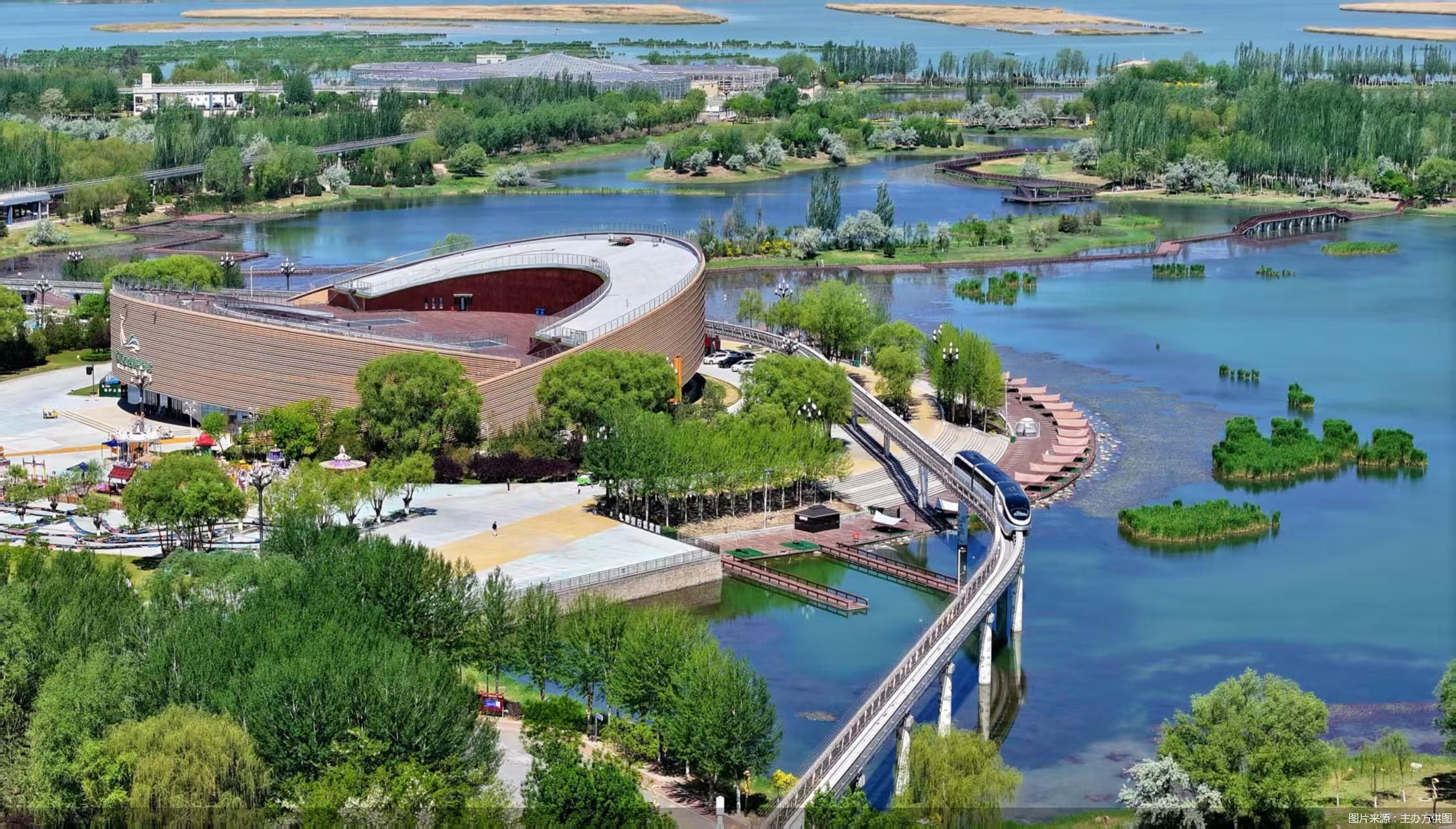
Core Insights - The event held on September 16 aimed to promote Yinchuan's cultural and tourism resources, showcasing its advantages to attract visitors and boost consumption during the upcoming "Golden Week" [1] Group 1: Cultural and Tourism Development - Yinchuan is leveraging its ecological protection and high-quality development in the Yellow River Basin to establish itself as an international tourism destination [1] - The successful inclusion of Xixia Tombs in the World Heritage List is a key opportunity for Yinchuan to enhance its tourism appeal [2] - The city is innovatively integrating cultural heritage with tourism through the development of cultural tourism routes and digitalization of cultural relics [2] Group 2: Wine Industry - The Helan Mountain East Foot wine industry is a significant asset for Yinchuan, characterized by unique soil and climate conditions that support high-quality grape cultivation [2] - The region has 273,000 acres of high-standard vineyards and produces 75 million bottles of wine annually, with a total output value of 36 billion yuan [2] Group 3: Consumer Engagement Initiatives - Yinchuan plans to enhance its infrastructure and launch 66 promotional activities during the "Golden Week" to stimulate consumer spending [3]
“塞上湖城 大美银川”城市品牌推介活动在京举办
Bei Jing Shang Bao· 2025-09-16 04:33
Core Insights - The event held in Beijing on September 16 focused on promoting the cultural connotations of Helan Mountain East and the city brand of "Beautiful Yinchuan" [1] - Six promotional officials from Yinchuan highlighted various initiatives including ecological protection, international tourism development, and cultural heritage preservation [1] Group 1: Tourism Development - Yinchuan is leveraging its "One Mountain, One River, One City" strategy to establish itself as an international tourism destination, particularly following the inclusion of Xixia Tombs in the World Heritage List [3] - The renovated Lanshan Park has transformed into a popular tourist attraction, featuring events like the "Sunset Chorus" and the upcoming 2025 Lanshan Music Season, significantly increasing its visibility on social media platforms [3] - Yinchuan has introduced over 100 cross-disciplinary activities, enhancing the park's appeal and achieving millions of searches on platforms like Douyin and Xiaohongshu [3] Group 2: Cultural Integration - The city is innovatively combining cultural relics with tourism, creating premium tourism routes and promoting the digitization of cultural relics [3] - Technologies such as immersive VR and AR are being utilized to enhance visitor experiences, allowing them to engage with historical contexts and cultural products [3] Group 3: Consumer Promotion - Ahead of the "National Day" holiday, Yinchuan's government is preparing to launch 66 promotional activities to stimulate consumption during the peak shopping season [4] - The strategy includes integrating commerce, culture, tourism, agriculture, sports, and wine to enhance both the soft and hard environments for consumers [4]
华南农业大学以“双百行动”赋能紫金县高质量发展
Nan Fang Nong Cun Bao· 2025-07-31 11:20
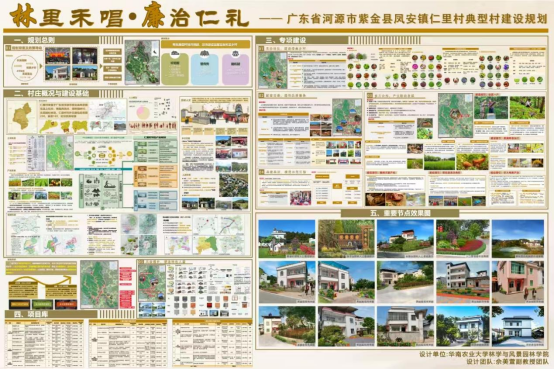
Core Insights - South China Agricultural University is leveraging the "Double Hundred Action" to enhance urban and rural planning, cultural tourism integration, and ecological construction in Zijin County, completing various planning projects covering over 500 square kilometers and exceeding 350 million yuan in project value [1][3][13] Group 1: Urban and Rural Planning - The university has formed 15 urban and rural planning design teams, conducting over 300 field surveys in towns and villages, integrating multiple disciplines to create tailored development paths [2] - A total of 31 planning results have been completed, providing scientific guidance for typical town and village construction, with significant improvements in urban aesthetics and infrastructure [3] Group 2: Beautiful Courtyard Demonstration - The design team has developed over 50 "Beautiful Courtyard" plans, with 25 completed, creating two contiguous demonstration areas that blend traditional culture with modern ecological concepts [6] - The "Beautiful Courtyard" initiative has received recognition, winning second place in a provincial competition and securing funding for further development [6] Group 3: Agricultural and Cultural Tourism Integration - The planning team has designed a comprehensive agricultural tourism project in Huanghua Village, combining tea culture and heritage experiences, projected to attract 55,000 visitors and generate 2.2 million yuan in income in 2024 [8] - In Fengan Town, the team has developed a myrtle ecological park expected to generate over 2 million yuan annually, creating numerous job opportunities [8] Group 4: Ecological Landscape and Environmental Quality - The university has initiated ecological landscape projects along the Qiu Xiang River, integrating various academic resources and mobilizing over 2 million yuan in donations for community development [10] - The projects include extensive planting and the establishment of recreational facilities, enhancing the ecological network and promoting environmental sustainability [10] Group 5: Future Directions - The university aims to deepen collaboration with Zijin County, focusing on agricultural technology transfer and contributing to coordinated regional development in Guangdong [13]
“逆城市化旅行” 小城文旅增长现四大趋势
Bei Ke Cai Jing· 2025-07-25 05:30
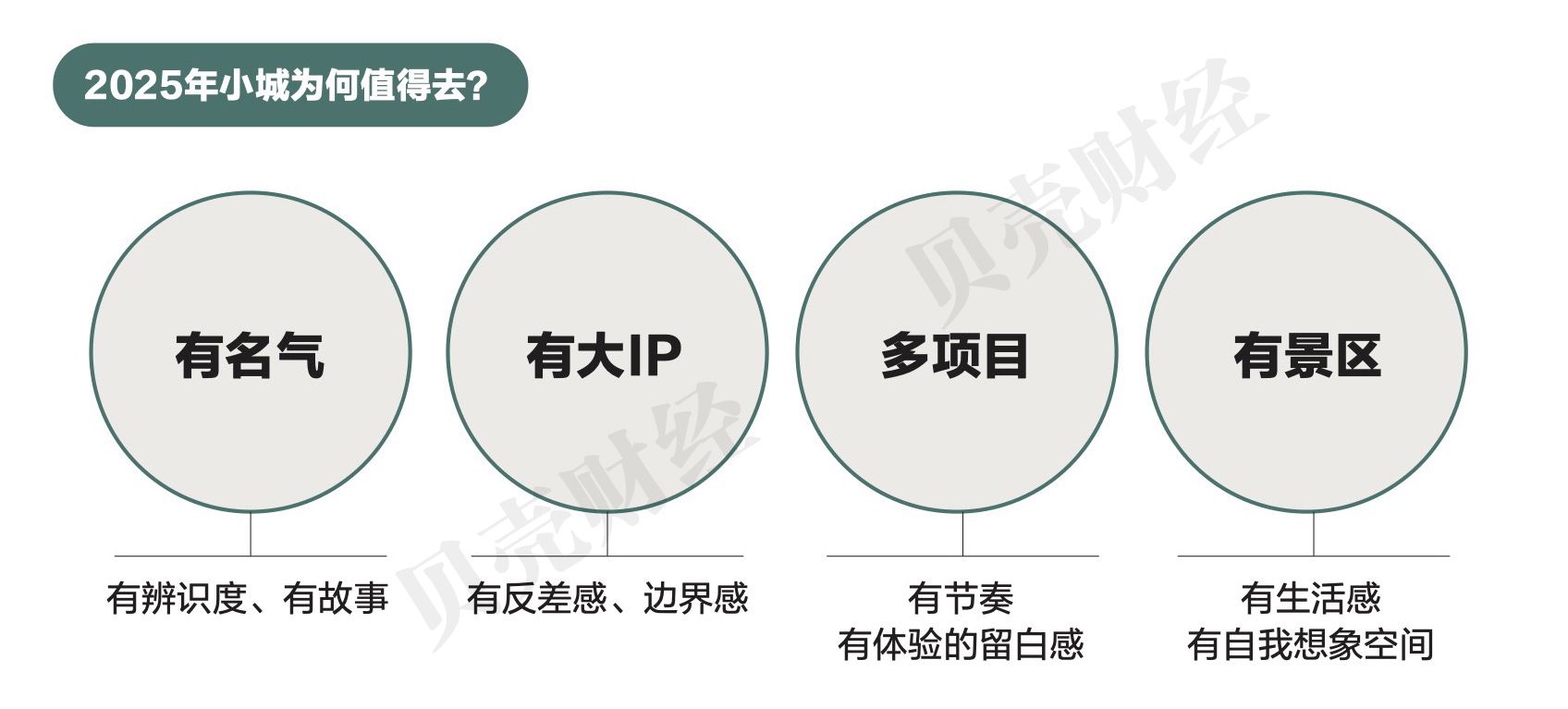
Core Insights - The rise of the "Highland-Borderland" tourism belt signifies a shift from "resource-driven" to "content-driven" tourism, with a focus on intangible cultural heritage, travel photography, health and wellness, and educational travel as the four main consumption pillars [1][10][19] - The concept of "life as travel" is becoming a new trend, with small cities emerging as genuine destinations that resonate with users' emotional values and cultural expressions [1][10] Group 1: Emerging Trends - Trend 1: The "Highland-Borderland" is becoming a new traffic hub, with northwest counties leading the way in tourism growth [2][3] - Trend 2: Content value surpasses resource scarcity, with "culture + story" rewriting the path for small cities to gain popularity [12][14] - Trend 3: Non-material cultural heritage, travel photography, educational travel, and health and wellness are becoming new mainstays of small city tourism, creating a long-term consumption model [19][20] Group 2: Regional Dynamics - The collective rise of northwest counties challenges the perception that "obscure means marginal," as these areas leverage unique ecological and cultural advantages to gain national attention [3][4] - The formation of regional synergies among small cities enhances visitor stay duration and journey richness, providing a foundation for brand collaboration and ticketing mechanisms [7][8][9] Group 3: Content-Driven Tourism - The shift from viewing small cities as mere travel options to recognizing them as content-rich environments reflects a broader change in travel motivations, where experiences are valued over destinations [5][6][18] - Successful small cities are those that can tell compelling stories and create immersive experiences, transforming visitors from passive observers to active participants [14][15][17] Group 4: Consumer Behavior - The rise of educational travel among families indicates a shift towards structured, curriculum-based tourism, enhancing repeat visits and fostering a stable consumer cycle [22][24] - Health and wellness tourism is expanding beyond older demographics to include urban professionals and younger individuals seeking relaxation and rejuvenation [23][24] Group 5: Market Opportunities - The trend of "cold + extreme" is emerging as a new formula for small cities to gain traction, with many lesser-known areas experiencing significant growth without relying on traditional tourism resources [26][28] - The ability of small cities to create unique, engaging content is crucial for attracting younger travelers who seek novel experiences and storytelling opportunities [28][32]
建德探索人文乡村共富新路径
Hang Zhou Ri Bao· 2025-07-15 02:48
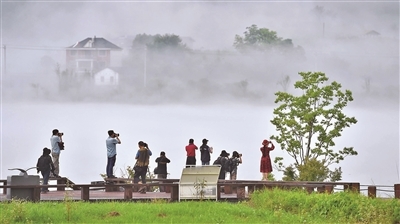
Core Viewpoint - The article highlights the cultural revitalization and economic development in rural areas of Jiande, Zhejiang Province, through various initiatives that integrate culture, tourism, and community engagement [2][3][12]. Group 1: Cultural Initiatives - Jiande City has leveraged the "New An Poetry Road" cultural belt to enhance rural cultural development, employing a three-dimensional approach involving cultural leaders, special cultural personnel, and rural operators [2]. - The "Singing Jiang" rural choir, initiated by a local resident, has transformed community engagement, shifting villagers' focus from gambling to cultural activities [3]. - The "Eight Rites" culture in Wu Fang Village has been revitalized, serving as a living textbook for villagers and promoting traditional values [4]. Group 2: Economic Development - The "Mirror Economy" in Zhijiang Village has turned local scenery into a profitable venture, with villagers earning between 200 to 500 yuan daily as photography models [6]. - The integration of cultural and tourism activities has led to over 100,000 visitors in 2024, generating more than 8 million yuan in revenue from hospitality and dining [6]. - The establishment of a fossil museum in Li Jia Town has attracted over 20,000 students for educational experiences, contributing to local employment and income growth [7]. Group 3: Talent Development - The introduction of cultural personnel from Hangzhou has fostered local talent, with over 50 villagers participating in cultural services and some becoming instructors [10][11]. - The "1+X+N" talent cultivation system in Santou Town has successfully trained villagers in music, leading to the formation of multiple cultural groups [11]. - The collaboration with local universities has enhanced cultural events, allowing villagers to perform alongside professional artists, enriching the local cultural landscape [11].
水上娱乐、夜间游艺,北京全市公园推出280项暑期游园文化活动
Xin Jing Bao· 2025-07-09 09:26
Group 1: Summer Activities in Beijing Parks - Beijing parks have launched 280 summer cultural activities to cater to visitors of all ages, including nature education and summer leisure activities [1] - Various parks are offering nature exploration activities for children, such as butterfly studies and hands-on workshops [2] - The summer arts season features music events, night entertainment, and intangible cultural heritage appreciation across different parks [3] Group 2: Water Entertainment and Family-Friendly Initiatives - Parks are creating child-friendly environments with designated activity areas and facilities for safe and engaging experiences [4] - Water entertainment projects have been introduced, including immersive parent-child adventure games and water play activities [4] - The city encourages visitors to explore parks during off-peak hours to avoid crowds, especially in hot weather [4]