第五代EA888发动机

Search documents
如何穿越市场寒潮?上汽大众:稳扎稳打、价值破局
Zhong Guo Jing Ji Wang· 2026-02-12 03:24
Core Insights - SAIC Volkswagen is responding to a cooling market and price competition by focusing on "steady progress and value breakthrough" [1] - The company achieved a terminal sales figure of 89,600 units in January, supported by strong performances from multiple models [2][4] - SAIC Volkswagen plans to launch seven new energy models by 2026, aiming to capture over 50% of the new energy market share [1][5] Sales Performance - In January, SAIC Volkswagen's sales included over 23,000 units from the Lavida family, nearly 21,000 from the Passat family, and over 21,000 from the Tiguan family [2] - The Audi brand under SAIC Volkswagen also saw a significant increase, with sales of 3,800 units in January, marking a 35.7% year-on-year growth [4] Product Strategy - The company is committed to a dual strategy of "oil and electricity advancing together," focusing on both traditional fuel vehicles and new energy vehicles [5][8] - The ID. ERA 9X, the first model in the new ID. ERA series, has garnered significant market attention and is undergoing rigorous performance testing [7] Market Positioning - SAIC Volkswagen aims to differentiate itself through value rather than price competition, emphasizing long-term value creation around users, technology, and brand [9][11] - The company has reached a milestone of 26 million cumulative sales, becoming the first single brand in the domestic market to achieve this figure [4] Future Outlook - The company anticipates a strong push in 2026, focusing on high-quality products and a marketing strategy that avoids price wars, such as the "one price" model [11] - With the new subsidy policy linked to vehicle prices, there is a favorable outlook for mid-to-high-end models, supporting SAIC Volkswagen's strategy for quality products [11]

“油电混共进” 一汽-大众大众品牌开启新能源2.0时代
Yang Shi Wang· 2026-01-30 03:12
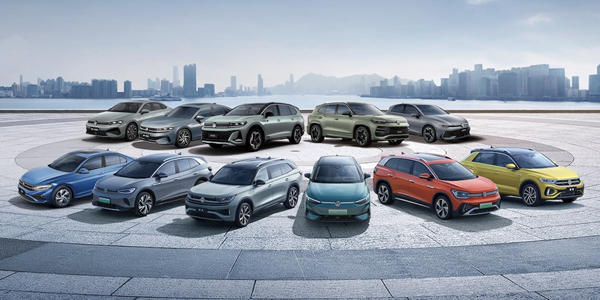
Group 1 - In 2025, FAW-Volkswagen achieved total terminal sales of 1.587 million vehicles, maintaining its position as the top-selling joint venture automaker in China for seven consecutive years [1] - The Volkswagen brand sold 902,000 vehicles in 2025, with a 0.6 percentage point increase in market share for fuel vehicles, solidifying its position in the domestic fuel vehicle market [1] Group 2 - In 2026, FAW-Volkswagen's Volkswagen brand plans to launch 8 new models as part of its "oil-electric hybrid co-prosperity" strategy, aiming to create the most comprehensive and competitive product matrix in its history [3] - The Volkswagen brand will also introduce 2 pure electric models and 2 PHEVs, marking a significant shift towards a new energy 2.0 era [3] - The new models will incorporate advanced driving assistance systems and will be developed collaboratively by Chinese and German teams to better meet local market demands [3] Group 3 - The Chinese automotive industry is entering a new phase of rational competition focused on high-quality development, moving away from traditional price wars [5] - FAW-Volkswagen is adopting a customer-centric value marketing approach, introducing a new standard of "10 ones" to enhance user experience throughout the product lifecycle [5] - In 2026, the Volkswagen brand will continue to strengthen its foundation in the fuel vehicle market while advancing its new energy product lineup [5]
一汽-大众今年将推8款全新车型
Xin Jing Bao· 2026-01-26 10:45
Core Viewpoint - FAW-Volkswagen plans to launch five new vehicles in the first quarter of this year, including the all-new Sagitar S and the all-new ID.4, as part of its "Oil-Electric Hybrid Co-Progress" strategy, which aims to introduce eight new models by 2026, marking a significant year for new products [1] Group 1 - FAW-Volkswagen will hold a spring launch event in the first quarter of this year to unveil five new models [1] - The all-new ID.4 is positioned as a "hardcore and powerful five-seat SUV" featuring a new design style and equipped with the fifth-generation EA888 engine and IQ.Pilot enhanced driving assistance [1] - The Sagitar family will introduce the all-new Sagitar S along with two new variants, although specific configurations, powertrains, and levels of driving assistance have not been disclosed [1] Group 2 - The all-new ID.4 is part of FAW-Volkswagen's "three-step" strategy for fuel vehicles, completing the coverage from A-class to B-class and from sedans to SUVs [1] - Since its introduction to the Chinese market in 2006, the Sagitar family is approaching cumulative sales of 4.5 million units [1]
2026年一季度将发布5款新车,一汽-大众大众品牌进入新商品大年
Bei Jing Shang Bao· 2026-01-25 15:02
Core Insights - FAW-Volkswagen's Volkswagen brand is set to enter a new product cycle in 2026, launching 8 new models [1] - In the first quarter, 5 new vehicles will be unveiled, including the all-new Sagitar S and the all-new ID.4 [1] - The all-new ID.4, a large five-seat SUV, will feature the fifth-generation EA888 engine and IQ. Pilot enhanced driving assistance [1] - The launch of the all-new ID.4 will complete FAW-Volkswagen's "three-step" strategy for fuel vehicles, covering A-class to B-class and from sedans to SUVs [1]
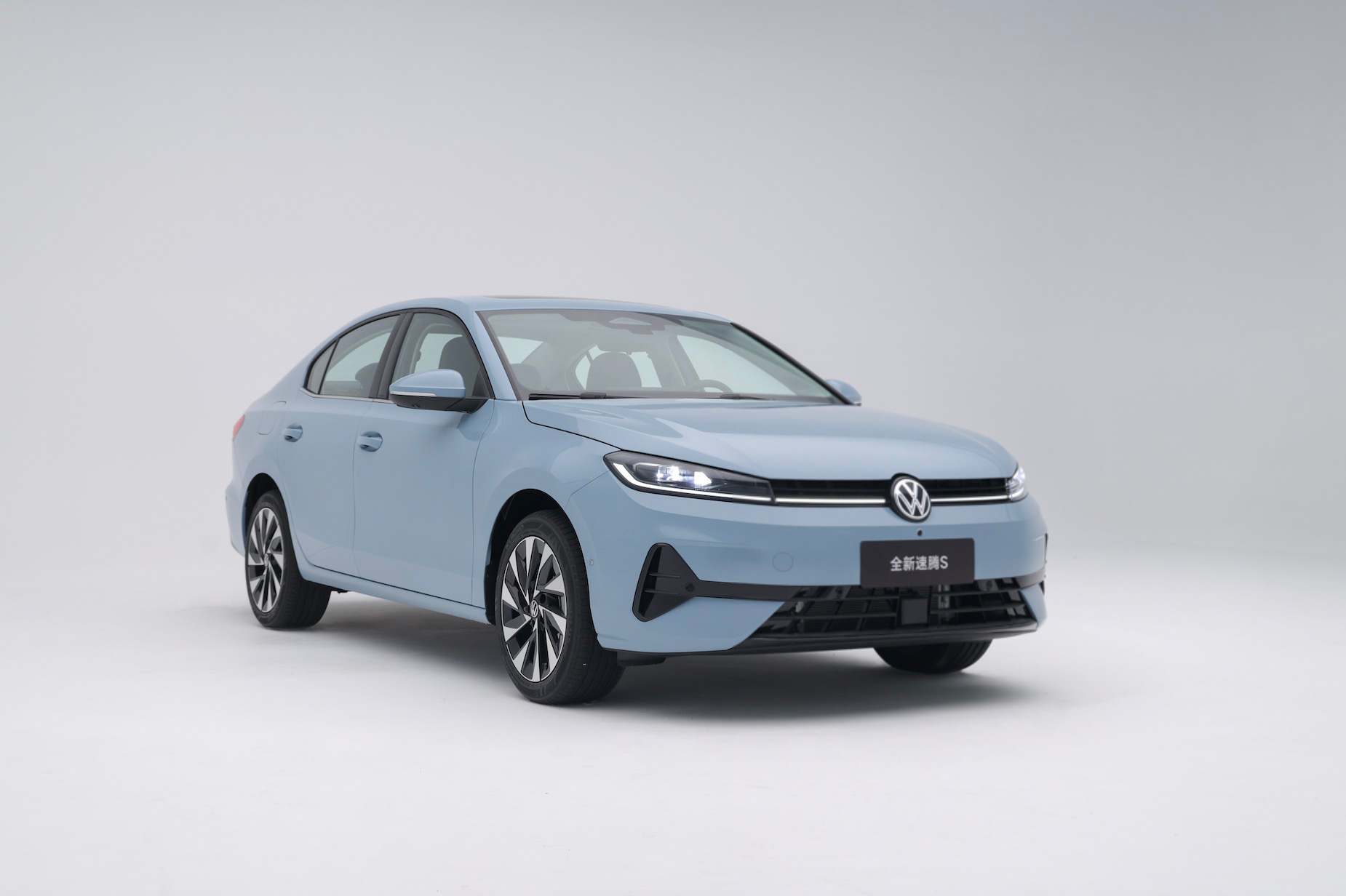
全新速腾S与全新揽巡领衔 一汽-大众即将迎来五车齐发
Bei Jing Ri Bao Ke Hu Duan· 2026-01-25 13:22
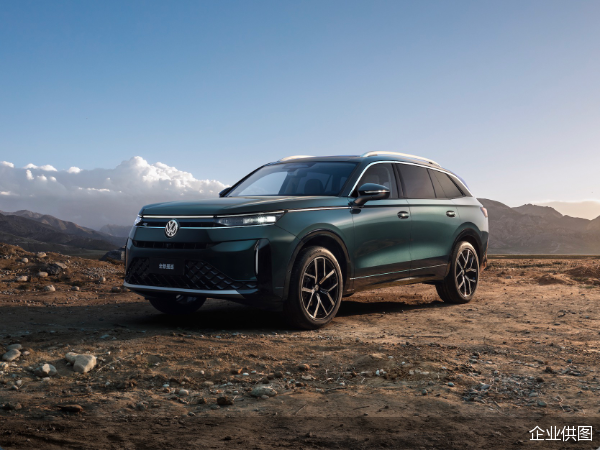
Group 1 - The core strategy of FAW-Volkswagen is to launch 8 new models in 2026, focusing on a comprehensive power layout and strong competitiveness [1] - The first spring launch event will feature 5 new vehicles, including the all-new Sagitar S and the all-new ID.4, which are positioned as key models for the year [1] - The Sagitar has maintained strong sales since its introduction in China in 2006, with a cumulative sales volume reaching 4.5 million units and a monthly sales figure of 20,000 units [1] Group 2 - The all-new ID.4 is designed for "new lifestyle adventurers," featuring a robust design, high efficiency, and advanced driving assistance technology [3] - The ID.4's launch represents the completion of FAW-Volkswagen's "three-step" strategy for fuel vehicles, covering A-class to B-class and from sedans to SUVs [3] - In 2026, FAW-Volkswagen aims to strengthen its fuel vehicle base with competitive new products to meet market demands [5]
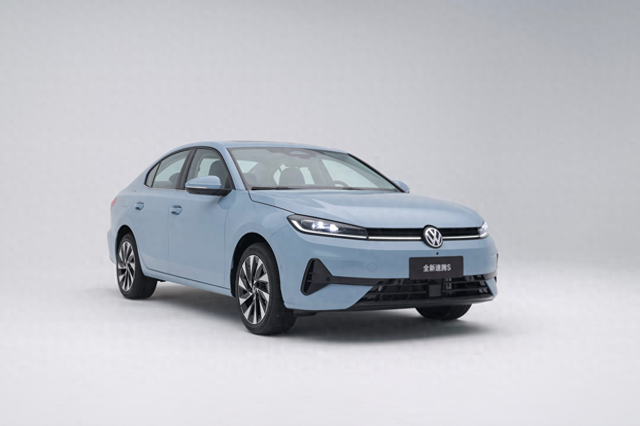
全新速腾S、全新揽巡领航,一汽-大众5车齐发启新商品大年
Zhong Guo Qi Che Bao Wang· 2026-01-25 12:53
Group 1 - In 2026, FAW-Volkswagen's Volkswagen brand will launch 8 new models based on the "oil-electric hybrid" strategy, aiming to create a comprehensive and competitive product matrix [1] - The brand will hold its first spring launch event, introducing 5 new vehicles, with the all-new Sagitar S and the all-new ID.4 as the main models [1] - The Sagitar has been a best-selling fuel vehicle in China for 20 years, maintaining a monthly sales volume of 20,000 units, with cumulative sales reaching 4.5 million units [1] Group 2 - The all-new ID.4 is designed for "new lifestyle adventurers," featuring a robust five-seat SUV design with enhanced aesthetics, power, smart technology, and spacious comfort [3] - It is equipped with the fifth-generation EA888 engine for improved efficiency and performance, along with advanced driving assistance features [3] - The launch of the all-new ID.4 marks the completion of FAW-Volkswagen's "three-step strategy" for fuel vehicles, covering A-class to B-class and from sedans to SUVs [3] Group 3 - In 2026, FAW-Volkswagen aims to strengthen its fuel vehicle base with competitive new products in response to market demands [4] - The company emphasizes its commitment to excellent products and craftsmanship, positioning itself as a trusted brand for millions of Chinese customers [4]
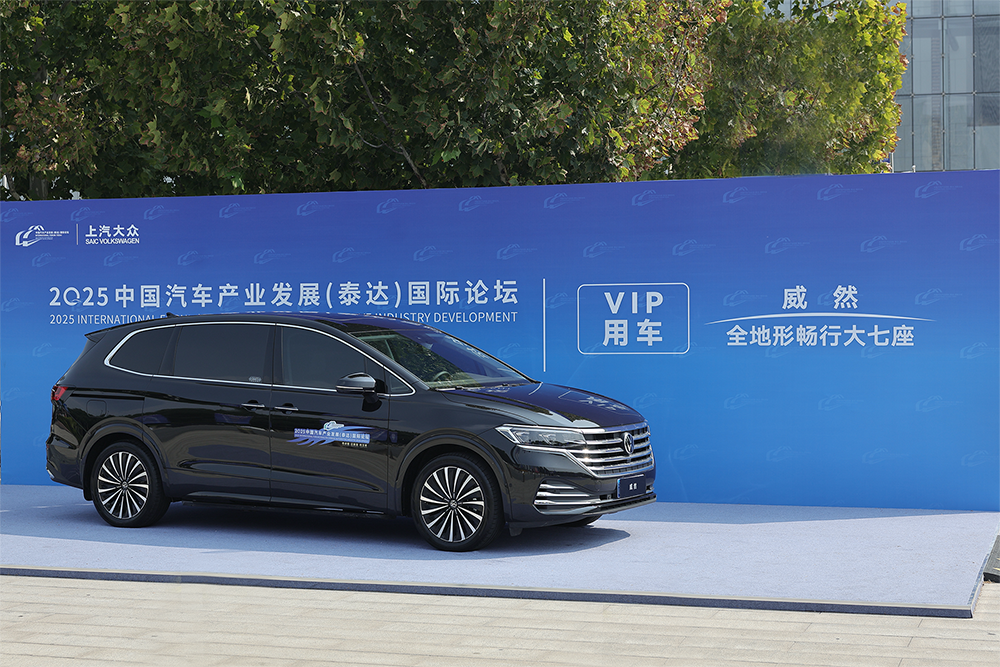
上汽大众油电同进战略稳步推进
Huan Qiu Wang· 2025-09-15 10:12
Core Viewpoint - The Chinese automotive market is transitioning towards a more rational development with a diversified energy landscape, where both fuel and electric vehicles coexist, reflecting a maturation of consumer purchasing behavior [3][6][9]. Group 1: Market Trends - The market share of fuel vehicles is stabilizing, indicating a mature automotive market where consumer decisions are becoming more rational [3][6]. - As of January to August 2025, SAIC Volkswagen's retail sales for the Volkswagen brand reached 662,500 units, with a fuel vehicle market share of 8.76%, maintaining the top position for 14 consecutive months since July 2024 [5][6]. Group 2: Strategic Initiatives - SAIC Volkswagen is implementing a dual-track strategy of "oil and electricity advancing together," focusing on both fuel and electric vehicle development to enhance product competitiveness [6][7][9]. - The company plans to launch six new energy products next year, covering various segments including fuel, pure electric, and hybrid vehicles [7]. Group 3: Consumer Behavior - Consumers are increasingly considering the total lifecycle cost of ownership, making fuel vehicles a stable choice for many users despite the rapid development of electric vehicles [8][9]. - The shift in consumer behavior reflects a broader trend in the Chinese automotive market, where practicality, reliability, and long-term costs are prioritized over merely adopting new technologies [9].

上汽大众:油电同智战略打造“全势能”竞争力
Zhong Guo Qi Che Bao Wang· 2025-09-14 15:09
Core Viewpoint - The traditional fuel vehicle market in China is experiencing a stabilization and growth phase, with companies like SAIC Volkswagen demonstrating resilience and competitiveness through innovation and strategic product offerings [1][3][8]. Group 1: Market Trends - Traditional fuel passenger vehicles have shown positive growth for three consecutive months, indicating a shift in the competitive landscape against new energy vehicles [1]. - The market share decline of fuel vehicles is slowing, reflecting a more mature market where consumers are making rational purchasing decisions [3]. - Fuel vehicles still hold approximately 50% market share, showcasing their ongoing relevance despite the rise of new energy vehicles [3]. Group 2: Company Performance - SAIC Volkswagen's retail sales for the Volkswagen brand reached 662,500 units in the first eight months of the year, with a fuel vehicle market share of 8.76% [4]. - The company has maintained the number one position in fuel vehicle market share for 14 consecutive months, indicating strong brand performance [4]. - The introduction of the fifth-generation EA888 engine and the "Pro family" product series has significantly enhanced the competitiveness and intelligence of fuel vehicles [4]. Group 3: Strategic Initiatives - SAIC Volkswagen employs a comprehensive product strategy, covering nearly every price segment with popular fuel vehicle models [7]. - The company plans to launch six new energy products next year, aiming for a dual-track development approach that encompasses fuel, electric, and hybrid markets [7]. - The "oil-electric synergy" strategy is being implemented to integrate intelligent technologies from electric vehicles into fuel vehicles, enhancing overall product competitiveness [3][8].

都2025年了,全新揽境为什么还死磕燃油?
2 1 Shi Ji Jing Ji Bao Dao· 2025-08-18 13:27
Group 1 - The core viewpoint of the articles highlights that despite the rapid development of new energy vehicles, fuel vehicles still hold a significant market position in China, with a notable increase in the appeal index for fuel vehicles in 2025 compared to 2024 [1] - According to data from the China Passenger Car Association, the market share of fuel vehicles in China fell below 50% in the first half of 2025, leading to concerns among many joint venture brands about the shrinking fuel vehicle market [1] - FAW-Volkswagen's sales of fuel vehicles reached 436,100 units in the first half of 2025, representing a year-on-year growth of 3.5%, with a market share of 7.6%, indicating that 1 in every 12 fuel vehicles sold in the market comes from FAW-Volkswagen [1] Group 2 - The all-new SUV model, the "Zhangjing," launched by FAW-Volkswagen, features the fifth-generation EA888 engine, with a maximum power output of 200 kW and peak torque of 400 N·m, achieving 0-100 km/h acceleration in 7.5 seconds despite weighing 2.18 tons [2] - The high-power version of the vehicle has a combined fuel consumption of only 8.33 L/100 km under WLTC testing conditions, showing a 3.7% reduction in fuel consumption and a 3.2 g/km decrease in CO2 emissions, meeting stringent emission standards [2] - FAW-Volkswagen views fuel and electric vehicles as complementary rather than opposing options, emphasizing the importance of fuel vehicle technology development to support its new energy strategy [2]
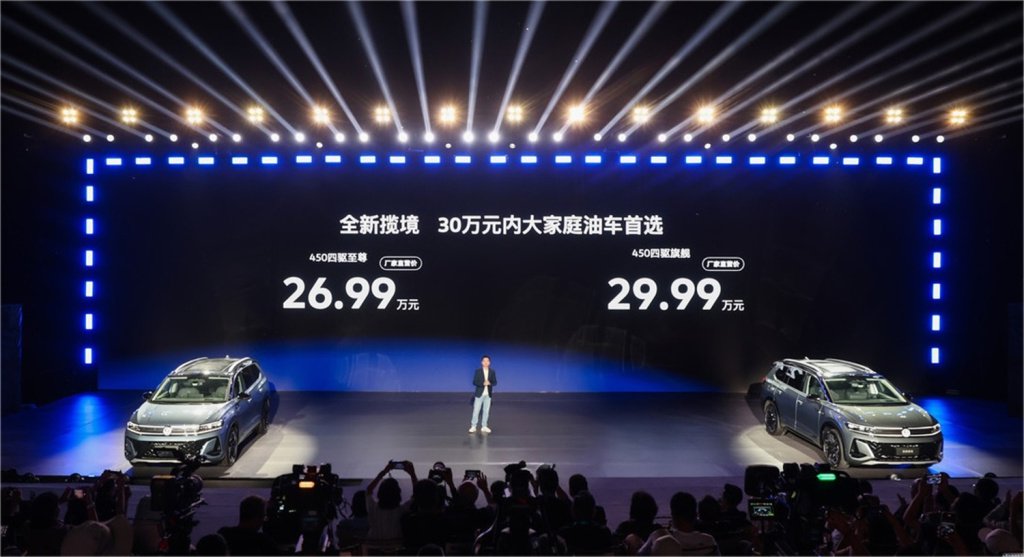
中大型SUV市场的务实之选,一汽-大众全新揽境正式上市
Xin Lang Cai Jing· 2025-08-15 15:37
Core Viewpoint - The new FAW-Volkswagen model, the "Lanjing," stands out in the mid-to-large SUV market by focusing on practical value, product strength, and sincere pricing, rather than flashy features and trends [1][10] Product Features - The Lanjing is the largest SUV in the Volkswagen brand globally, measuring 5168mm in length and 2980mm in wheelbase, achieving a remarkable 87.2% "usable space rate" [3] - It offers two models priced at 269,900 yuan and 299,900 yuan, with both 6-seat and 7-seat configurations available at the same price [4] - The vehicle's design accommodates family travel, with the ability to fit two 24-inch and two 20-inch suitcases in the trunk even with the third-row seats in use [5] Powertrain - The Lanjing is equipped with the fifth-generation EA888 2.0T high-power engine, delivering a maximum power of 200kW and peak torque of 400N·m, making it the strongest 2.0T engine in the Volkswagen system [7] - The engine features advanced technologies such as an electronic water pump, lightweight pistons, low-friction coatings, and a 500bar fuel injection system, enhancing fuel efficiency and performance [7] Intelligent Features - The Lanjing includes the IQ.Pilot enhanced driving assistance system, developed in collaboration with DJI, focusing on safety and practicality with features like precise ramp navigation and complex traffic light recognition [8] - The vehicle is competitively priced, starting at 269,900 yuan, with high-end models not exceeding 300,000 yuan, offering substantial standard features without unnecessary upselling [8] Market Positioning - The Lanjing is designed specifically for Chinese families, emphasizing practical aspects such as space, power, and usability, rather than competing on technology gimmicks or efficiency alone [10]