
粉丝粉条

Search documents
我国米面油等抽检不合格率连续5年下降
Xin Lang Cai Jing· 2025-12-27 16:36
Core Insights - The overall food safety situation in China is stable, with low non-compliance rates for major food items over the past five years [3] Group 1: Food Safety Compliance - The non-compliance rate for edible vegetable oil due to illegal addition of ethyl maltol has significantly improved, dropping from 2.08% in 2020 to 0.08% this year [3] - The non-compliance rate for aflatoxin B1 in peanut oil has decreased for four consecutive years [3] - The non-compliance rates for vermicelli, homemade oil cakes, and fried dough sticks due to aluminum residue have continuously declined over five years [3] Group 2: Infant Formula Safety - The compliance rate for domestic infant formula products has remained above 99.95% for four consecutive years [3] - The inspection of infant formula covers all registered production and sales enterprises, ensuring adherence to national food safety standards [3] Group 3: Regulatory Actions - A total of 190,000 cases of non-compliant food have been investigated and dealt with this year, resulting in fines and confiscations amounting to 451 million yuan [3] - Over 57,540 inspections of school canteens and off-campus catering units have been conducted, leading to 12,067 cases of violations being filed, with fines totaling 46.96 million yuan [3] - 40 entities have been included in the serious violation and dishonesty list due to food safety violations [3]

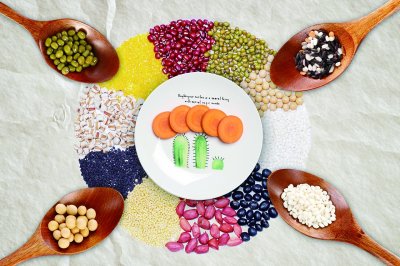
截至11月底,完成监督抽检617.69万批次——构建无死角食品安全监管体系
Jing Ji Ri Bao· 2025-12-24 22:37
Core Viewpoint - The overall food safety situation in China has improved significantly, with a notable decrease in the rate of non-compliant food products and enhanced regulatory measures across various sectors [1][2][3]. Group 1: Food Safety Improvements - The illegal addition of "one drop of fragrance" in edible vegetable oils has shown significant improvement, and the non-compliance rate for aluminum residues in fan noodles and self-made fried foods has continued to decline [1] - As of November this year, the national market supervision system completed 6.1769 million batches of supervision and inspection, detecting 172,300 non-compliant samples, resulting in a non-compliance rate of 2.79% [1] - Key indicators of food safety have shown significant improvement, with a focus on rural areas, school food safety, and new online food business models [1][2]. Group 2: Regulatory Measures - The State Administration for Market Regulation has conducted 1,000 batches of special supervision and inspection for rural food safety, detecting 36 non-compliant samples [2] - A total of 349.12 million inspections of food production and operation entities were conducted, leading to 129,600 cases filed and the closure of 916 online stores for violations [2] - New regulations have been introduced to enhance food safety management in live-streaming e-commerce, requiring operators to ensure compliance and safety in their products [4][5]. Group 3: School Food Safety - Food safety work has been integrated into the responsibilities of school principals, with regular monitoring becoming a common practice [3] - By the end of November, 223,000 food safety supervisors and 370,000 food safety personnel were appointed in schools, ensuring compliance with safety standards [3] - A series of guidelines and regulations have been established to address gaps in school food safety, leading to improved inspection pass rates in the fourth quarter [3]. Group 4: Chain Food Sales Responsibility - New regulations require food sales chain enterprises to take responsibility for food safety, ensuring that they do not merely charge fees without accountability [5][6] - Enterprises must establish a unified mechanism for supplier access, evaluation, and exit, as well as maintain records of food safety management [6] - Violations of these regulations will result in severe penalties, including potential suspension of operations or revocation of business licenses [6].
一问到底丨如何守护舌尖上的安全?聚焦食品添加剂、校园餐、直播售卖等
Yang Shi Wang· 2025-12-23 15:48
Core Viewpoint - The National Market Supervision Administration (NMSA) has conducted a comprehensive food safety inspection, revealing a stable overall food safety situation in China, with specific focus on meat products and edible oils, and has implemented new regulations to enhance food safety in various sectors, including e-commerce and school cafeterias [1][4][11]. Group 1: Food Safety Inspection Results - As of November this year, the NMSA completed 6.1769 million batches of food safety inspections, detecting 172,300 non-compliant batches, resulting in a non-compliance rate of 2.79% [1] - Among 39 categories of inspected foods, 24 categories had a non-compliance rate of less than 1%, with staple foods like rice, flour, oil, meat, and milk showing low non-compliance rates of 0.17%, 0.01%, 0.66%, 0.52%, and 0.08% respectively [1][3]. Group 2: Special Rectification of Meat Products and Edible Oils - The NMSA has focused on rectifying issues related to adulteration in meat products and edible oils, inspecting 2.45 million meat production and operation entities, leading to 35,529 cases filed and 1,511 cases referred for criminal investigation [4] - For edible oils, 1.892 million entities were inspected, resulting in 2,581 cases being filed, indicating significant progress in addressing these issues [4]. Group 3: Improvement in Infant Formula Safety - The compliance rate for domestic infant formula has remained above 99.95% for four consecutive years, with inspections covering all registered production and sales enterprises [3]. Group 4: Issues with Food Additives and Counterfeit Products - The NMSA has intensified efforts against counterfeit and substandard food products, filing 129,600 cases and seizing 2,071 tons of counterfeit food, while also addressing the misuse of food additives with 13,180 cases investigated and fines totaling 90.38 million yuan [7]. Group 5: Enhancements in Campus Food Safety - New measures have been implemented to strengthen food safety in schools, including the establishment of a dual food safety supervisor system for contracted school cafeterias to prevent management responsibility from being shifted [10][11]. Group 6: New Regulations for E-commerce and Chain Stores - The NMSA is set to release new regulations for live-streaming e-commerce, clarifying the food safety responsibilities of platforms and streamers, and enhancing consumer protection against substandard products [11][17] - Regulations for chain stores require headquarters to manage food safety across all branches, ensuring accountability and compliance with safety standards [19][21].
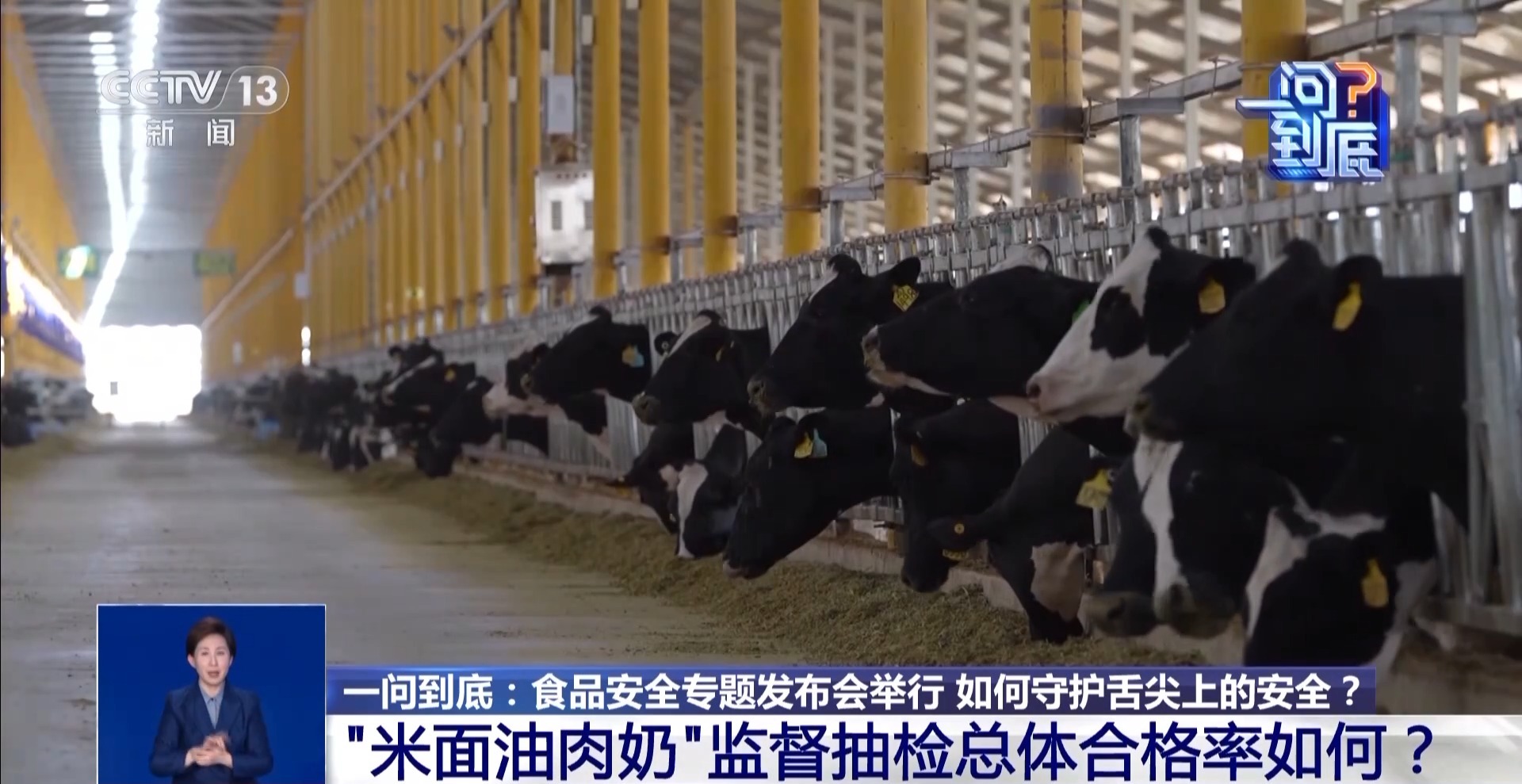
我国米面油等大宗食品抽检不合格率连续5年处于低位
Xin Hua Wang· 2025-12-23 11:39
Core Insights - The overall food safety situation in China is stable, with low non-compliance rates for major food categories over the past five years [1] - Significant improvements have been observed in the non-compliance rates for specific food safety indicators, particularly in edible oils and infant formula [1] Group 1: Food Safety Status - Major food categories such as rice, flour, oil, meat, and milk have maintained low non-compliance rates for five consecutive years [1] - The non-compliance rate for ethyl maltol (commonly known as "one drop fragrance") in edible vegetable oils decreased from 2.08% in 2020 to 0.08% in 2023 [1] - The non-compliance rate for aflatoxin B1 in peanut oil has dropped from 3.33% in 2021 to 0.76% in 2023 [1] Group 2: Regulatory Actions - The State Administration for Market Regulation has completed 190,000 cases of non-compliant food investigations this year, with fines totaling 451 million yuan [2] - A total of 57,540 inspections of school canteens and off-campus catering units were conducted, resulting in 12,067 legal cases filed [2] - The regulatory body has intensified efforts against counterfeit and substandard food in rural areas and has taken action against fraudulent practices in meat products and edible oils [2]
今年前11个月食品监督抽检超600万批次 不合格率2.79%
Yang Shi Xin Wen· 2025-12-23 10:36
Summary of Key Points Core Viewpoint - The overall food safety situation in the country remains stable, with a low rate of non-compliance in food safety inspections, indicating effective regulatory measures and improvements in food quality. Group 1: Food Safety Inspection Results - As of the end of November this year, the national market supervision system completed 6.1769 million batches of food safety inspections, detecting 172,300 non-compliant samples, resulting in a non-compliance rate of 2.79% [1] - Out of 39 major categories of inspected food, 35 categories had a non-compliance rate lower than the overall rate, and 24 categories had a non-compliance rate below 1% [1] Group 2: Status of Bulk Food Products - Major food products such as rice, flour, oil, meat, and milk have maintained a low non-compliance rate for five consecutive years, with this year's rates being 0.17%, 0.01%, 0.66%, 0.52%, and 0.08% respectively [1] Group 3: Infant Formula Quality - The compliance rate for domestic infant formula products has remained high, consistently above 99.95% for four consecutive years, covering all registered and on-sale enterprises and all indicators of national food safety standards [1] Group 4: Improvement in Key Indicators - The non-compliance rate for edible vegetable oil containing ethyl maltol, known as the "one drop of fragrance" issue, has improved significantly, dropping from 2.08% in 2020 to 0.08% this year [2] - The non-compliance rate for aflatoxin B1 in peanut oil has decreased for four consecutive years, from 3.33% in 2021 to 0.76% this year [2] - The non-compliance rates for aluminum residues in vermicelli and homemade fried dough sticks have also shown a continuous decline over five years, from 2.56% and 9.65% in 2020 to 0.86% and 2.71% this year respectively [2]
市场监管总局:今年以来完成不合格食品核查处置任务19万件
Ren Min Ri Bao· 2025-12-23 10:18
Group 1 - The core viewpoint of the articles highlights improvements in food safety in China, with a significant reduction in the rate of non-compliant food products detected through inspections [1][2] Group 2 - As of the end of November this year, the national market supervision system completed 6.1769 million batches of inspections, detecting 172,300 non-compliant samples, resulting in a non-compliance rate of 2.79% [1] - Key indicators have shown significant declines, such as the non-compliance rate for edible vegetable oil containing ethyl maltol dropping from 2.08% in 2020 to 0.08% this year [1] - The non-compliance rate for aflatoxin B1 in peanut oil has decreased for four consecutive years, from 3.33% in 2021 to 0.76% this year [1] - The non-compliance rates for vermicelli and homemade fried dough sticks have also decreased over five years, from 2.56% and 9.65% in 2020 to 0.86% and 2.71% this year, respectively [1] - Overall food safety status remains stable, with 35 out of 39 food categories having non-compliance rates lower than the overall rate, and 24 categories below 1% [1] - Major food items such as rice, flour, oil, meat, and milk have maintained low non-compliance rates for five consecutive years, with rates of 0.17%, 0.01%, 0.66%, 0.52%, and 0.08% this year [1] Group 3 - The compliance rate for domestic infant formula food has remained above 99.95% for four consecutive years, covering all registered and on-sale enterprises [2] - The market supervision department has completed 190,000 tasks related to the verification and disposal of non-compliant food this year, with fines totaling 451 million yuan and over 900 cases referred to public security [2] - Risk alerts regarding food safety issues have been communicated to relevant departments such as agriculture and customs, enhancing regulatory collaboration [2]