红旗EHS5

Search documents
擎旗奋进 智领新程——中国一汽“十四五”转型发展观察
Xin Hua Wang· 2025-12-29 02:16
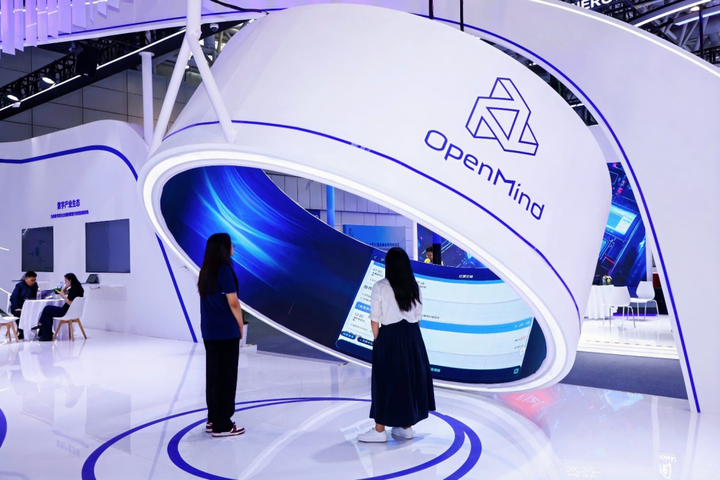
Core Viewpoint - During the "14th Five-Year Plan" period, China FAW Group has focused on technological innovation to drive industrial upgrades, showcasing the development of the national automotive industry through the establishment of independent brands, digital transformation, and expansion into overseas markets [1]. Group 1: Independent Brand Development - The national automotive brands have transitioned from catching up to leading, with "Hongqi" achieving over 2 million users and maintaining annual sales of over 400,000 vehicles [2]. - The "Jiefang" brand has achieved cumulative sales of 9 million vehicles, leading the domestic medium and heavy truck market [2]. - The "Benteng" brand has focused on the new energy vehicle market, with its first micro pure electric model, "Benteng Xiaoma," surpassing 170,000 units in sales within two years [2]. Group 2: Technological Innovation - China FAW has developed three major technology platforms: "Hongqi·Tiangong" for pure electric, "Hongqi·Honghu" for hybrid, and "Hongqi·JiuZhang" for intelligent systems [2]. - The company has launched the first domestic advanced process multi-domain integrated chip "Hongqi No. 1" and introduced the first heavy-duty commercial vehicle with in-cylinder direct injection hydrogen engine, achieving a thermal efficiency of over 55% [2]. - The energy density of the all-solid-state battery system has reached 350Wh/kg, and the new generation smart electric drive system has achieved an efficiency of 96% [2]. Group 3: Collaborative Innovation - China FAW has undertaken over 110 national and provincial major projects, establishing a global R&D layout with 12 innovation centers [3]. - The company has broken through more than 1,500 key technologies through collaborative innovation initiatives [3]. Group 4: Digital Transformation - China FAW is accelerating its transformation into a smart enterprise, with the "OpenMind" intelligent operational system achieving a 94.3% accuracy rate in responses and a response time of 6.2 seconds [4][6]. - The production facilities have implemented smart manufacturing processes, with an average daily output of approximately 1,000 new energy vehicles [7]. - The "FAW·Qixing Cloud Workbench" integrates seven major systems to enhance operational efficiency and has been recognized as a typical case of digital integration by the Ministry of Industry and Information Technology [7]. Group 5: International Expansion - China FAW has actively participated in the Belt and Road Initiative, expanding its international presence to over 100 countries and regions, with cumulative exports reaching approximately 400,000 vehicles during the "14th Five-Year Plan" period [8]. - The company has established a global sales and service network, with "Hongqi" models entering the European high-end new energy market [8]. - The launch of the China FAW China-Europe freight train has facilitated the transportation of high-end components, enhancing the connection between the Eurasian automotive industry [8].

“十四五”收官 中国一汽拿下“关键之年”
Zhong Guo Qi Che Bao Wang· 2025-12-10 04:05
Core Insights - The article highlights the significant achievements of China FAW Group (China First Automobile Works) in the automotive industry as it approaches the end of the 14th Five-Year Plan, showcasing its sales growth and strategic advancements in technology and product innovation [1][2][24]. Sales Performance - In November, China FAW sold 306,000 vehicles, with 85,000 from its own brands, and a total of 2.995 million vehicles sold from January to November, marking a 4.8% year-on-year increase [1]. - The Hongqi brand achieved notable success, selling 40,506 units in November, with a 60.8% year-on-year increase in sales of its new energy products [1]. Strategic Development - China FAW is committed to the "SUCCEED (成事) 531" strategic plan, focusing on deep integration into the domestic and international dual circulation development pattern, emphasizing self-innovation, product iteration, digital transformation, and green development [2][24]. - The company aims to transition from "scale expansion" to "quality improvement" in the automotive industry, positioning itself as a leader in the sector [2]. Technological Innovation - China FAW emphasizes self-innovation as a core strategy to overcome international technological barriers, focusing on key areas to build a complete innovation chain [3][6]. - The company has made significant advancements in technology, including the development of the first domestically produced automotive-grade advanced process chip and a hydrogen engine with a thermal efficiency exceeding 55% [4][6]. Collaborative Ecosystem - China FAW has established a global R&D network with a "1+12+X" model, enhancing collaboration with universities and research institutions to foster innovation [5][23]. - The company has engaged in partnerships to develop core components and technologies, contributing to a collaborative innovation ecosystem [23]. Product Development - During the 14th Five-Year Plan, China FAW has expanded its product matrix across various segments, including passenger and commercial vehicles, to meet changing consumer demands [7][27]. - The Hongqi brand is set to achieve significant sales milestones, with plans to sell over 400,000 units in 2024 and expand its presence in the European market with new electric models [11][17]. International Expansion - China FAW actively participates in the "Belt and Road" initiative, with overseas operations covering over 100 countries and regions, enhancing its global supply chain [17][29]. - The company has successfully launched the "Changchun-Manzhouli-Europe" international freight train service, improving delivery times for its products to Europe [19][29]. Sustainable Development - China FAW is committed to green development, implementing strategies to reduce carbon emissions and enhance energy efficiency in its manufacturing processes [22][28]. - The company has integrated low-carbon practices into its operations, with several factories recognized as national green factories [22][28].

“新”潮涌动积厚势 动能转换育先机
Sou Hu Cai Jing· 2025-11-01 23:04
Core Insights - Jilin's industrial economy showed robust growth in the first three quarters of 2025, with a year-on-year increase of 8.4% in industrial added value, ranking 6th in the country and exceeding the national average by 2.2% [1][2] Group 1: Industrial Growth and Performance - The manufacturing sector performed particularly well, with a 9.3% increase in added value, surpassing the overall industrial growth rate by 0.9% [2] - All eight key industries in Jilin achieved positive growth, with significant contributions from the pharmaceutical, electronic manufacturing, equipment manufacturing, and petrochemical industries, all showing double-digit growth [2][4] - The food and metallurgy industries also demonstrated steady growth, with increases of 8.6% and 7.3%, respectively [2] Group 2: Transformation and Upgrading - Jilin is actively implementing "smart transformation and digital upgrade" initiatives, with 81 projects supported and numerous digital transformation service providers recognized [2][3] - The province has established a robust green manufacturing system, with 71 national-level and 341 provincial-level green factories, promoting low-carbon transformation in manufacturing [3] Group 3: Regional Collaboration and Large Enterprises - All nine regions in Jilin, including Meihekou, reported positive growth in industrial added value, with Jilin City leading at 18.3% [4] - Major enterprises like Hongqi and Jilin Chemical have shown significant growth, with Hongqi's product sales increasing by 23.6% year-on-year [4][5] Group 4: Emerging Industries and Innovations - Strategic emerging industries and high-tech manufacturing sectors are thriving, with electronic manufacturing growing by 15.0% and pharmaceuticals by 17.1% [6][7] - Jilin is supporting collaborations between leading enterprises and key universities to tackle industry challenges, resulting in significant innovations in various fields [7]


中国一汽9月销量达30.2万辆 同比增长6.3%
第一财经网· 2025-10-04 13:09
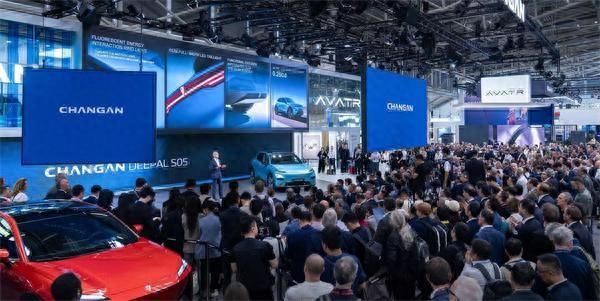
Core Insights - China FAW Group reported a total vehicle sales of 302,000 units in September, representing a year-on-year increase of 6.3%. Cumulative sales from January to September reached 2.383 million units, indicating continuous improvement in operational quality [3][5] - The sales of self-owned brands in September reached 88,000 units, with new energy vehicle sales at 38,900 units, maintaining a rapid growth trend. Joint venture brands sold 213,900 units in September, solidifying their market leadership [3] Group 1 - The significant growth in sales of China FAW's self-owned brand new energy vehicles and energy-saving cars is highlighted, with notable increases in sales figures [3] - The launch of innovative products from brands like Hongqi, Jiefang, and Benteng is emphasized, including the debut of the Hongqi HS6 PHEV at the 2025 Changchun Aviation Expo and the Hongqi H5 winning the 2025 China Automotive Product Quality Experience Award for self-owned brand sedans [3] - Jiefang's Eagle series of all-energy vehicles received 1,858 intention orders upon launch, showcasing strong market interest [3] Group 2 - The successful completion of foreign affairs reception tasks by Hongqi ceremonial vehicles during the 80th anniversary of the victory in the Chinese People's Anti-Japanese War and the World Anti-Fascist War is noted, along with the recognition received from the joint command of the military parade [4] - The export of the first batch of 554 Magotan and Sagitar vehicles from Shanghai to overseas marks a historic breakthrough for FAW-Volkswagen, recognized as a typical innovative achievement in advanced manufacturing [4] - The global debut of the new pure electric SUV EHS5 by Hongqi at the International Automobile and Smart Mobility Expo in Germany signifies the full launch of Hongqi's localization strategy in Europe [4]
展商数量超百家 中国汽车在慕尼黑书写出海新篇章
Zhong Guo Qing Nian Bao· 2025-09-21 23:07
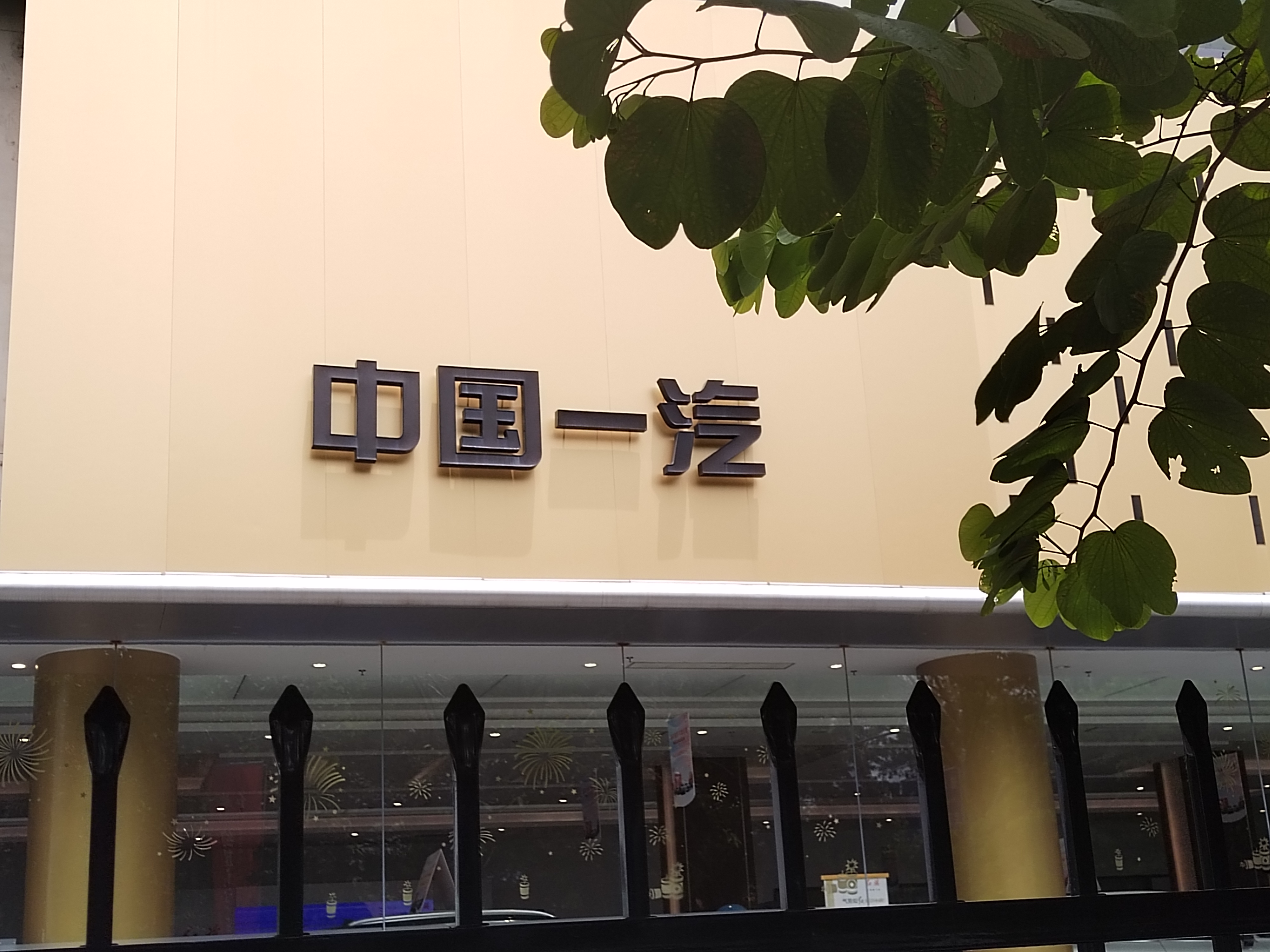
Core Insights - The 2025 Munich International Motor Show showcased a significant presence of Chinese automotive manufacturers and suppliers, with 116 exhibitors, the highest among international participants, indicating a strong shift in the global automotive landscape [2][14] - Chinese automotive companies are transitioning from exploratory participation to establishing a solid foothold in the European market, demonstrating a comprehensive representation of the entire automotive supply chain [2][9] Group 1: Chinese Automotive Brands - BYD launched its Dolphin Surfing Edition at the Munich Motor Show, priced at €37,990 (approximately ¥316,000), marking its first mass-produced model from its upcoming European factory in Hungary [3] - Xpeng Motors gained attention through its collaboration with Volkswagen, showcasing five new models and advanced technologies, including humanoid robots and flying cars [4][5] - Leap Motor's B10, a global model, has seen over 50,000 deliveries since its launch in China, with plans for European delivery starting in October [6] Group 2: Technological Innovations - CATL introduced the NP3.0 technology platform, the highest safety level in battery technology, and launched the Shining Pro lithium iron phosphate battery, responding to the European market's demand for electric vehicle safety and efficiency [9] - Lightyear showcased its NOA intelligent driving and L4 autonomous driving solutions, announcing a global strategy and a partnership with Qualcomm to enhance its technological capabilities [10] - Momenta presented its AI technology and deep collaborations with over 20 global automakers, including plans for L4 autonomous Robotaxi operations in Munich by 2026 [11] Group 3: European Automotive Industry Response - European automakers like BMW and Mercedes are emphasizing collaboration with Chinese companies to enhance battery performance and meet the demands of the Chinese market [13][14] - Audi's CEO acknowledged China's advancements in automotive intelligence and electrification, highlighting the importance of partnerships with Chinese tech firms [14] - The Munich Motor Show illustrated a dual dynamic of competition and cooperation between Chinese and European automotive industries, driving innovation and transformation in the sector [14][15]
慕尼黑车展:德国分量和中国力量
汽车商业评论· 2025-09-10 05:28
Core Insights - The 2025 Munich Auto Show highlights the competition between Germany and China in the electric vehicle sector, with a significant presence of Chinese exhibitors [3][11][26] - The event showcases the rapid growth of electric vehicles in Europe, driven by EU regulations and the slower pace of local automakers in transitioning to electrification [3][26] Group 1: Event Overview - The Munich Auto Show, officially known as the IAA Mobility, emphasizes a broader theme of mobility, including electrification and smart transportation [4] - The event features two main venues: an indoor exhibition center for B2B interactions and an outdoor space open to the public [6] Group 2: Chinese Exhibitors - Chinese exhibitors dominate the show with 116 companies participating, accounting for nearly one-third of all overseas exhibitors [3][26] - Notable Chinese brands include BYD, Xpeng, and Hongqi, with plans for significant market expansion in Europe, including the introduction of multiple electric and hybrid models [11][13][20] Group 3: European Market Dynamics - The European automotive market is the third largest globally, with annual sales stable between 12 million and 14 million vehicles [3] - The penetration rate of electric vehicles in the EU is expected to exceed 20% by 2024, creating opportunities for Chinese brands to enter the market [3] Group 4: Major Automaker Highlights - Volkswagen Group introduced several new models, including the ID. Polo and ID. Cross concept cars, showcasing their scale advantages [29][31] - BMW launched the iX3, marking a new phase in their electrification strategy, with plans to release 40 new or upgraded models by 2027 [34][36] - Mercedes-Benz unveiled the GLC 400 4MATIC electric model, emphasizing its commitment to luxury and advanced technology in its electric lineup [40][42] Group 5: Competitor Analysis - South Korean automakers like Hyundai and Kia showcased their electric vehicle strategies, with multiple new models and concepts [46][49] - Japanese automakers were less prominent, with a focus on suppliers rather than vehicle manufacturers, indicating a shift in strategy in the European market [49][50]