美团AI管家小团

Search documents
元宵“情绪价值”消费走热 超10万人在美团搜索“有钱花汤圆”
Guang Zhou Ri Bao· 2026-03-03 13:39
Core Insights - The 2026 Lantern Festival sees a significant increase in sales of "wealthy" tangyuan, with a notable rise in interest in local lantern festivals due to the occurrence of a total lunar eclipse on the same day [2][3][6] Group 1: Sales Trends - Sales of "wealthy" tangyuan have surged, with a 168% increase in popularity as consumers search for keywords like "have money" and "success" [3] - The number of merchants selling tangyuan on the Meituan platform has increased by 85% in the past week, with sales of "wealthy" tangyuan rising sixfold [4] - The overall search volume for Lantern Festival-related products has grown by 470% compared to the previous week [4] Group 2: Consumer Behavior - Young consumers are increasingly valuing "emotional value" in their purchases, leading to a trend of "dessertification" where traditional tangyuan are being transformed into creative dessert options [5] - Nearly 50,000 users have utilized AI to plan their Lantern Festival activities, indicating a shift towards technology-assisted decision-making for event planning [6] Group 3: Lantern Festival Events - The search interest for local lantern festivals has increased significantly, with the top five festivals being in cities like Zigong and Chengdu, surpassing major cities like Beijing and Shanghai [8] - Specific lantern festival locations, such as Tangshan and Meizhou, have seen their search volumes increase by 10 times and 6 times respectively compared to last year [9]


决策在线上,增长在线下
美团· 2026-03-03 08:50
Investment Rating - The report does not explicitly state an investment rating for the industry Core Insights - The industry is experiencing significant growth in various sectors, particularly in travel and leisure, with a notable increase in consumer spending during the Spring Festival period [3][4][40] - There is a shift in consumer behavior, with younger generations prioritizing emotional experiences and unique offerings when traveling [8][40] - The demand for local experiences and cultural immersion is rising, as evidenced by the growth in searches for local cuisine and non-material experiences [12][15] Summary by Sections Travel and Leisure Growth - Orders for luxury hotels increased by 44% year-on-year in Shenzhen, indicating a strong demand for high-end accommodations [31] - The overall hotel night volume saw a year-on-year increase of 19% [34] - The number of cities visited per person has risen to an average of 2.2 [2] Consumer Behavior Changes - There is a 70% year-on-year increase in multi-city consumption orders, reflecting a trend towards more diverse travel experiences [2] - The popularity of unique dining experiences is highlighted by a 40% increase in searches for local food [12] - The trend of "reverse reunion" is emerging, with top destinations for returning home during the Spring Festival including major cities like Beijing and Shanghai [28] Emerging Trends - The sales of DIY and experiential activities have surged, with orders for DIY workshops increasing by 120% [45] - The gaming and esports sectors are also thriving, with a 165% year-on-year increase in related transactions [4] - The demand for pet-friendly accommodations and dining options has seen significant growth, with searches increasing by 106% [44]
从春节消费副本里,刷出几条对购物中心有用的BUFF
Sou Hu Cai Jing· 2026-02-27 17:41
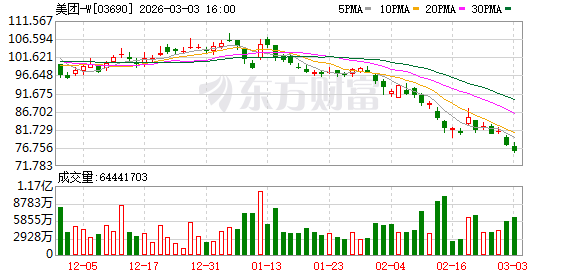
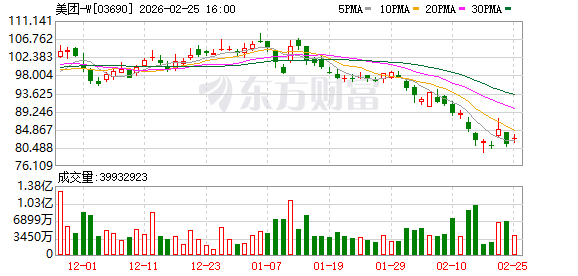
Core Insights - The market performance after the extended holiday reveals new consumer behavior trends influenced by AI technology in decision-making processes [1][10] Group 1: AI Influence on Consumer Behavior - Over 100 million users utilized Meituan's AI assistant "Xiaotuan" for planning their consumption during the Spring Festival, with AI orders on Fliggy increasing by over 800% compared to pre-holiday levels [2] - The use of AI for decision-making is not limited to younger consumers; over 4 million users aged 60 and above successfully used the "one-sentence order" feature on Alibaba's Qianwen app [2] - AI is becoming a key decision-making tool for consumers, indicating a shift in how they plan trips and make purchases [2][4] Group 2: Changing Service Demand - There is a significant increase in demand for professional services, with searches for "pet sitting" rising nearly 60% and "dog walking" more than doubling [6] - Consumers are willing to pay for convenience and professional services, suggesting a shift from basic errands to more specialized offerings [6] - Shopping centers need to adapt their service offerings to meet these emerging consumer demands, potentially incorporating home services and health care into their business models [6] Group 3: Immersive Experience Trends - The sales of "intangible cultural heritage + market" group purchases increased by 764%, with traditional cultural experiences transitioning from "check-in" to "immersive" [8] - Consumers are increasingly seeking deeper engagement with experiences, preferring activities that allow for participation and learning rather than mere observation [8][9] - Shopping centers should focus on creating content-rich experiences that encourage repeat visits, rather than relying solely on visual appeal [9][10]
美团:春节期间超亿人次使用“小团”规划吃喝玩乐
Bei Jing Shang Bao· 2026-02-25 13:17
Core Insights - Meituan's AI assistant "Xiaotuan" reported that over 100 million users utilized the service for planning consumption during the Spring Festival holiday [2] - The most frequently inquired scenarios included leisure activities, dining, and short-distance travel [2] - Over 30% of inquiries mentioned keywords related to "parents" and "elderly-friendly" services, indicating a focus on family-oriented consumption [2] User Engagement - Users posed questions covering more than 20 local consumption scenarios, with nearly 50% of inquiries exceeding 30 characters being voice inputs [2] - 30% of users who first used "Xiaotuan" continued to rely on it for local consumption needs within a week [2]
互联网大厂消费报告里的春节:AI助手、开封样本,与文旅大年
3 6 Ke· 2026-02-25 12:23
Core Insights - The integration of AI into traditional Chinese New Year celebrations has transformed consumer behavior, with platforms like WeChat and Meituan reporting significant increases in transaction volumes and user engagement during the holiday period [1][3][5] - The shift towards a more fluid and exploratory approach to celebrating the New Year is evident, as families are increasingly opting for travel and experiences over traditional homebound festivities [7][10][11] Group 1: AI Integration in Consumer Behavior - AI has become a central part of the consumer experience during the Spring Festival, with WeChat reporting that users frequently utilized AI for common queries related to the holiday [3][4] - Meituan's AI assistant "Xiao Tuan" facilitated over 1 billion user interactions, helping to streamline local consumption planning and enhance transaction reliability [3][4] - The use of AI for planning and decision-making has reduced the friction in holiday preparations, allowing for more efficient and enjoyable experiences [5][6] Group 2: Changing Consumption Patterns - There was a 216% increase in group meal package orders on Douyin, indicating a shift towards more convenient dining options during the holiday [2][9] - The number of users visiting multiple cities during the holiday increased by 50%, reflecting a trend towards travel and exploration rather than staying in one location [1][8] - The rise of public spaces as venues for holiday celebrations has led to a more communal and less labor-intensive experience for families [10][11] Group 3: The Role of Smaller Cities - Smaller cities and towns have seen significant growth in consumer activity, with group buying sales in third-tier cities increasing by 66% [2][15] - Cities like Kaifeng have emerged as popular destinations, benefiting from the influx of returning residents and the demand for local experiences [12][13][17] - The trend of "reverse New Year" celebrations, where families seek out local cultural experiences, has gained traction, with related searches on social media platforms skyrocketing [16][17]

春节出游数据出炉:有人跟着春晚旅行,有人用AI规划过年
Di Yi Cai Jing· 2026-02-24 08:20
Group 1 - During the Spring Festival, Didi's orders from users aged 55 and above in third-tier cities to first-tier and new first-tier cities increased by 45% year-on-year [1][2] - The Ministry of Transport reported that the total cross-regional population flow reached 5.08 billion person-times in the first 20 days of the Spring Festival travel season [1] - Meituan's report indicated that travel demand surged during the holiday, with family outings becoming a significant driver of consumption in cultural tourism [1] Group 2 - The trend of "reverse Spring Festival" is becoming more prominent, with many families opting for parents to visit their children's work locations instead of the traditional model of children returning home [2] - Didi's data showed that orders for intercity rides from third-tier cities increased by 95% compared to regular days during the holiday [3] - In first-tier cities, the demand for taxi services surged, with intercity ride orders increasing by 20% year-on-year during the Spring Festival [2][3] Group 3 - Shenzhen experienced a significant increase in cultural tourism consumption during the Spring Festival, with bookings rising by 77% compared to last year [3] - The trend of "multi-generational travel" was evident, with family travel spending increasing by 79% year-on-year during the holiday [9] - Meituan's data indicated that the booking volume for double tickets and parent-child tickets increased by 91% and 76% respectively during the Spring Festival [9] Group 4 - The Spring Festival Gala influenced travel patterns, with cities hosting gala venues seeing a rise in tourism, such as Yibin's bookings increasing by 56% [4] - Long-distance travel became popular, with a 70% increase in the proportion of travelers choosing destinations over 300 kilometers away [9] - Didi's rental car orders grew by 80% year-on-year during the Spring Festival, with an average rental period exceeding six days [10]
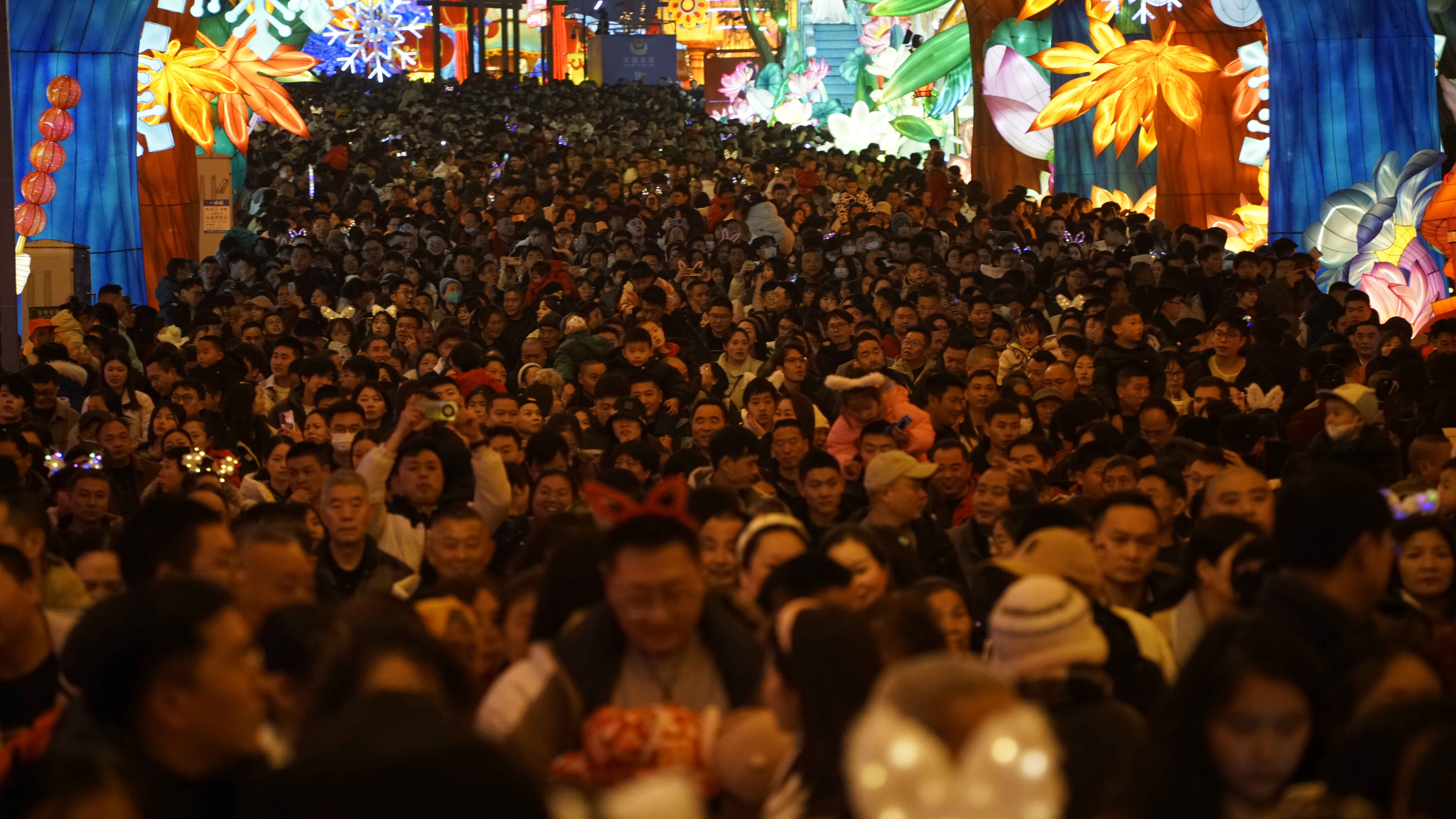
春节旅游市场迎结构性转变 AI入局成为新亮点
Zhong Guo Zheng Quan Bao· 2026-02-23 20:29
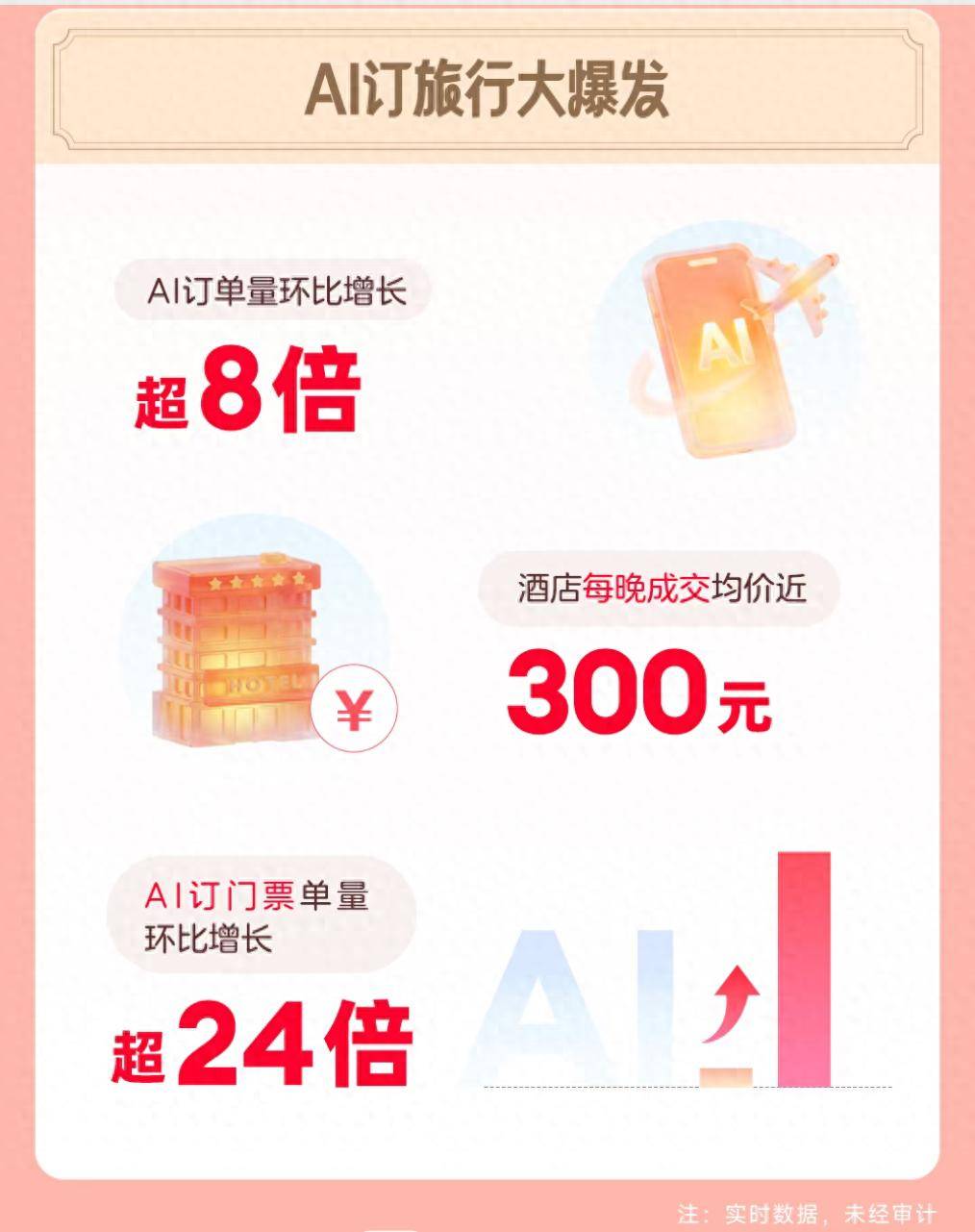
Core Insights - The Chinese tourism market during the Spring Festival has shown significant growth, with record-high domestic travel orders and hotel stays, alongside structural changes in travel patterns [1][2] Group 1: Family Travel Trends - "Multi-generational travel" has emerged as a new trend, with a 76% year-on-year increase in parent-child ticket bookings, indicating younger generations are taking the lead in family travel [2][3] - The "reverse New Year" trend is gaining traction, with 18% of travelers to major cities being over 50 years old, and a 10% increase in travelers aged 60 and above, contributing to the growth of urban tourism markets [2][3] - Families are increasingly seeking quality experiences, as evidenced by a 140% year-on-year increase in popular theme park and attraction package orders, with high-end hotel bookings averaging nearly three nights [3] Group 2: County Tourism Activation - The intersection of "returning home for the New Year" and "tourism" has activated county-level tourism, with hotel occupancy in non-tourist counties increasing by over 60% during the Spring Festival [4] - Traditional population-exporting counties have seen hotel bookings double, as young people opt for hotel stays to maintain independence while visiting family [4] - Popular county destinations like Huangshan and Yangshuo have experienced over 400% growth in hotel booking popularity, indicating a trend of rediscovering local attractions [4] Group 3: AI Integration in Tourism - The application of AI in tourism has surged, with a significant increase in AI ticket booking orders for popular attractions during the Spring Festival [5][6] - AI is evolving from a simple tool to a decision-making assistant, with nearly 50% of users seeking AI help for finding the best flight deals, reflecting a shift in user behavior [6][7] - AI's role in travel planning is becoming more prominent, with over half of users in major cities utilizing AI for local consumption planning, indicating its potential as a bridge for intergenerational communication [7]
美团:今年春节亲子票预订量增76%,近5成用户问AI找优惠机票
Guang Zhou Ri Bao· 2026-02-23 09:19
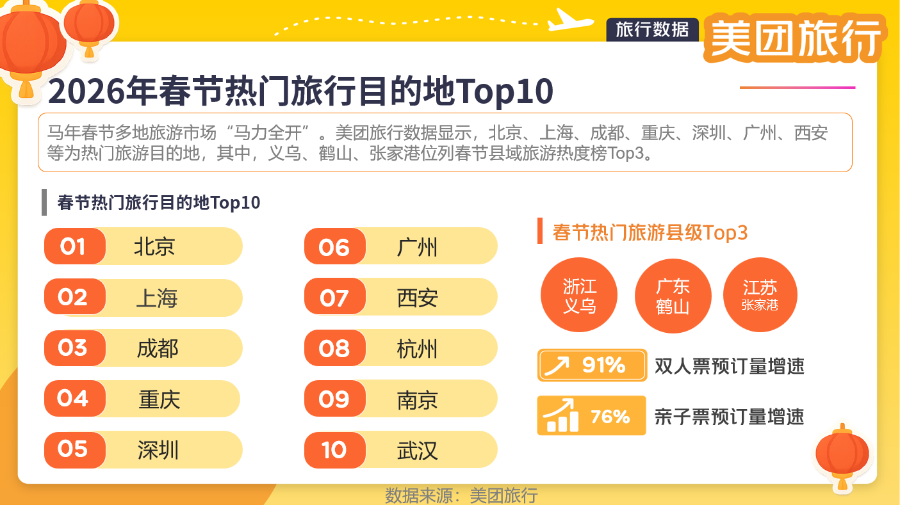
Core Insights - The longest Spring Festival holiday is concluding, with various regions experiencing a surge in tourism activity driven by family reunions and travel demand [1] Group 1: Travel Trends - Major tourist destinations during the Spring Festival include Beijing, Shanghai, Chengdu, Chongqing, Shenzhen, Guangzhou, Xi'an, Hangzhou, Nanjing, and Wuhan, with Yiwu, Heshan, and Zhangjiagang being the top three county-level tourism hotspots [1] - Guangdong's travel bookings for the Spring Festival increased by 24%, with Guangzhou ranking in the top 10 travel destinations nationwide [3] - The trend of "multi-generational travel" is emerging, with family travel becoming a significant driver of tourism consumption, as evidenced by a 76% increase in parent-child ticket bookings [4][6] Group 2: AI and Consumer Behavior - AI is increasingly being utilized as a travel assistant, with the Meituan AI assistant "Xiaotuan" verifying merchant information 550 million times and recalibrating user needs during the holiday [4] - The use of AI for local dining and entertainment planning is particularly popular among younger users, with over half of the inquiries mentioning keywords related to parents and older generations [7] Group 3: Regional Highlights - The Spring Festival Gala has boosted tourism in cities like Yibin, Hefei, and Yiwu, with Yibin's tourism bookings rising by 56% and Hefei's by 30% [5] - Long-distance travel is favored, with a 70% increase in the proportion of travelers choosing destinations over 300 kilometers away [5] Group 4: Local Consumption and Hotel Stays - The trend of "reverse Spring Festival" is notable, with cities like Shenzhen seeing a 77% increase in tourism bookings during the holiday [7] - Hotel stays in third to fifth-tier cities increased by nearly 20%, with family suites being particularly popular [7] Group 5: Cultural and Culinary Experiences - Night tours and intangible cultural heritage events saw a 21% and 34% increase in search volume, respectively, highlighting the growing interest in cultural experiences during the holiday [8] - Local cuisine has become a significant factor in travel decisions, with searches for must-try restaurants increasing by 60% during the Spring Festival [9]
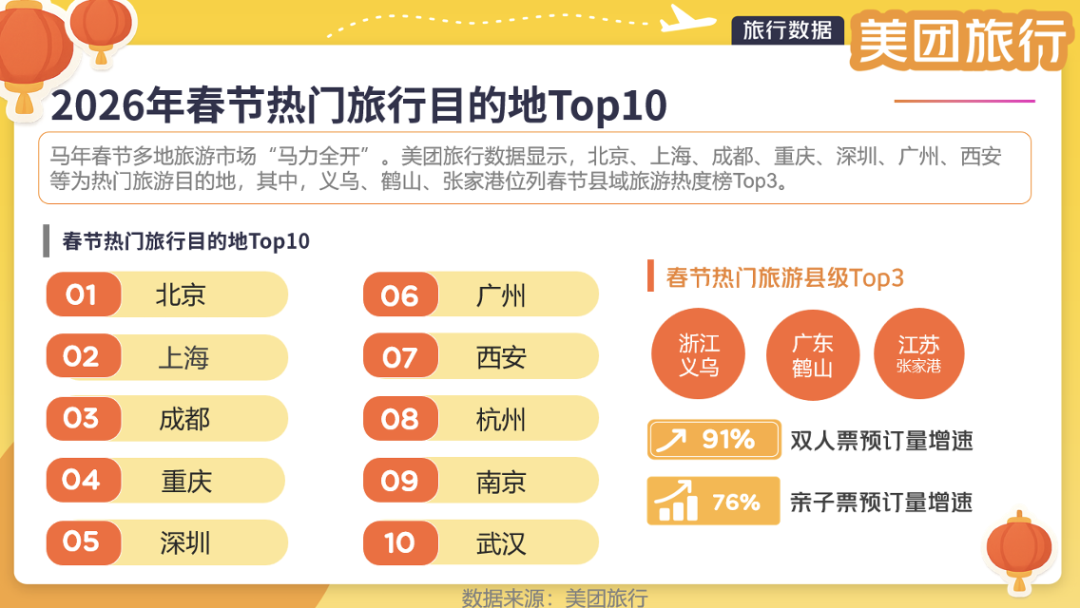
美团旅行:深圳、广州跻身春节热门旅游目的地前十
2 1 Shi Ji Jing Ji Bao Dao· 2026-02-23 07:44
Core Insights - The 2026 Spring Festival consumption report by Meituan indicates a significant increase in travel and tourism activities during the longest Spring Festival holiday, with major cities like Beijing, Shanghai, and Chengdu being top destinations [1][2] Group 1: Travel Trends - Family travel has emerged as a key driver of Spring Festival tourism consumption, with a 76% year-on-year increase in parent-child ticket bookings [1][5] - The trend of "multi-generational travel" is gaining popularity, with total spending on group vacations increasing by 79% compared to last year [5] - Long-distance travel is favored, with a 70% increase in the proportion of travelers choosing destinations over 300 kilometers away [4] Group 2: Regional Highlights - Cities like Yibin, Hefei, and Yiwu saw substantial growth in tourism bookings, with Yibin's bookings up 56% and Hefei's up 30% during the Spring Festival [3] - Yiwu became the top county-level city for tourism heat, featuring 10 "Spring Festival Gala" themed check-in points that attracted visitors [3] - Guangdong's tourism bookings increased by 24%, with popular attractions including the Guangdong Dragon Mother Temple and Guangzhou Chimelong Safari Park [3] Group 3: AI and Consumer Behavior - AI tools are increasingly being used as travel assistants, with Meituan's AI service "Xiaotuan" verifying merchant information 550 million times and helping users find the best flight deals [1][6] - Young users are leveraging AI to plan local experiences for their families, indicating a shift in how families approach the Spring Festival [6] Group 4: Local Experiences and Cuisine - Local specialty foods have become a significant part of travel choices, with searches for must-try restaurants increasing by 60% during the Spring Festival [9] - The search volume for "Cantonese morning tea" and "Haizhu Flower Market" surged by 402% and 566% respectively, highlighting the cultural experiences sought by travelers [3][9] Group 5: Overall Market Growth - The overall tourism market experienced a comprehensive increase during the extended Spring Festival holiday, with non-heritage tourism and family travel continuing to rise [9] - The report indicates that the flow of people in major cities will peak from the seventh to the tenth day of the new year, as return travelers converge [9]