
阿里巴巴千问App

Search documents
从春节消费副本里,刷出几条对购物中心有用的BUFF
Sou Hu Cai Jing· 2026-02-27 17:41
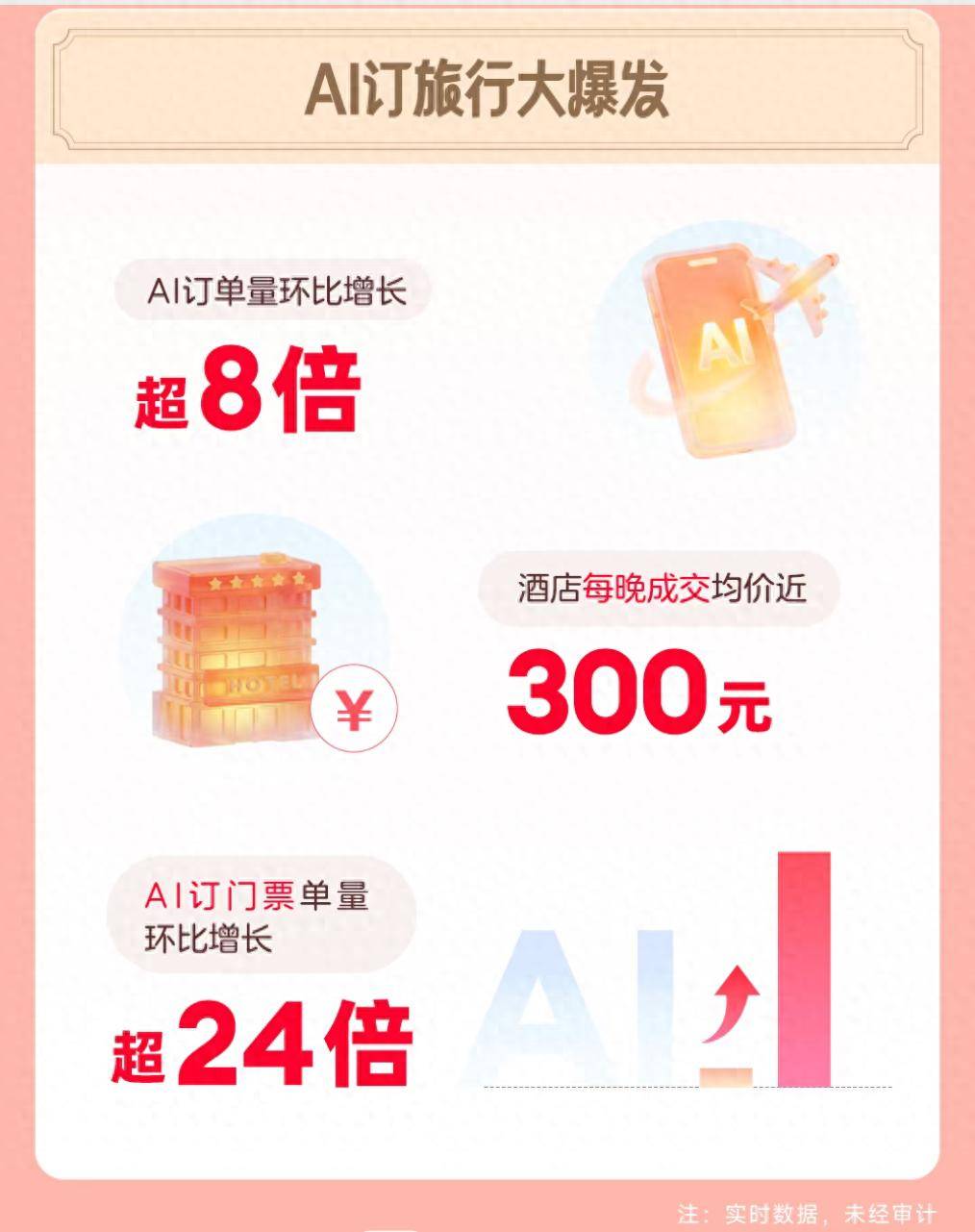
Core Insights - The market performance after the extended holiday reveals new consumer behavior trends influenced by AI technology in decision-making processes [1][10] Group 1: AI Influence on Consumer Behavior - Over 100 million users utilized Meituan's AI assistant "Xiaotuan" for planning their consumption during the Spring Festival, with AI orders on Fliggy increasing by over 800% compared to pre-holiday levels [2] - The use of AI for decision-making is not limited to younger consumers; over 4 million users aged 60 and above successfully used the "one-sentence order" feature on Alibaba's Qianwen app [2] - AI is becoming a key decision-making tool for consumers, indicating a shift in how they plan trips and make purchases [2][4] Group 2: Changing Service Demand - There is a significant increase in demand for professional services, with searches for "pet sitting" rising nearly 60% and "dog walking" more than doubling [6] - Consumers are willing to pay for convenience and professional services, suggesting a shift from basic errands to more specialized offerings [6] - Shopping centers need to adapt their service offerings to meet these emerging consumer demands, potentially incorporating home services and health care into their business models [6] Group 3: Immersive Experience Trends - The sales of "intangible cultural heritage + market" group purchases increased by 764%, with traditional cultural experiences transitioning from "check-in" to "immersive" [8] - Consumers are increasingly seeking deeper engagement with experiences, preferring activities that allow for participation and learning rather than mere observation [8][9] - Shopping centers should focus on creating content-rich experiences that encourage repeat visits, rather than relying solely on visual appeal [9][10]

当AI成为“学伴” 好问题胜过好答案
Ren Min Wang· 2026-02-02 01:21
Group 1 - The core viewpoint of the articles is that the integration of AI tools in education is reshaping learning dynamics, raising concerns about children's critical thinking and creativity while also presenting opportunities for educational equity [1][2] - Experts suggest that children, as "AI natives," should not be overly restricted in their use of AI, as it can enhance their learning experience and creativity [1] - There is a concern that families who do not utilize AI may fall behind, creating a new divide in educational opportunities and talent selection [1][2] Group 2 - The role of teachers is being redefined in the AI era, with a focus on how they assess and support students rather than just delivering knowledge [2] - AI is seen as a tool that can alleviate teachers' workloads, allowing them to concentrate more on individual student development [2] - The release of the "Eight Insights of Education in the AI Era" by Qianwen highlights the shift towards more autonomous learning and the evolving relationship between teachers and students [2]
传媒行业人工智能专题:从“生产力”到“变现力”,GEO重构流量入口与AI商业化拐点
Guoxin Securities· 2026-01-16 07:03
Investment Rating - The report maintains an "Outperform" rating for the media industry [2] Core Insights - AI is reshaping user entry points and the distribution of internet traffic, marking a transition from traditional search engines to generative search engine optimization (GEO) [4] - The commercialization of AI in China is accelerating, with a significant trust level of 80% among consumers, which is higher than in the US (35%) and Europe (40%) [5] - The content industry is evolving with AI-generated content (AIGC) not only reducing costs but also creating new supply [6] Summary by Sections AI Reshaping Entry Points - AI is transforming user interaction from keyword-based searches to natural language queries, significantly shortening the information retrieval process [4][11] - The shift to AI-driven search is leading to a "zero-click" trend, where users can satisfy their information needs without navigating away from the AI interface [4] Commercialization Acceleration - By 2026, the global GEO market is projected to reach $24 billion, with the domestic market expected to hit 11.1 billion yuan, indicating exponential growth [5][52] - Marketing service providers are evolving to leverage AI technologies, focusing on optimizing data structures and enhancing brand visibility in AI models [5] Content Industry Upgrade - AI is enabling full-process production in video content, significantly lowering production costs and expanding audience demographics [6] - The gaming industry is also seeing AI applications enhance user engagement through intelligent non-player characters (NPCs) [6] Investment Recommendations - The report suggests focusing on the GEO direction, particularly in marketing services and high-quality content, while also considering potential rebounds in content sectors like film and gaming [7]
AI需求旺盛,台积电Q4业绩远超预期!云计算ETF汇添富(159273)回调超1%,资金逢跌踊跃布局!算力需求井喷,云厂商资本开支或加码!
Sou Hu Cai Jing· 2026-01-16 03:30
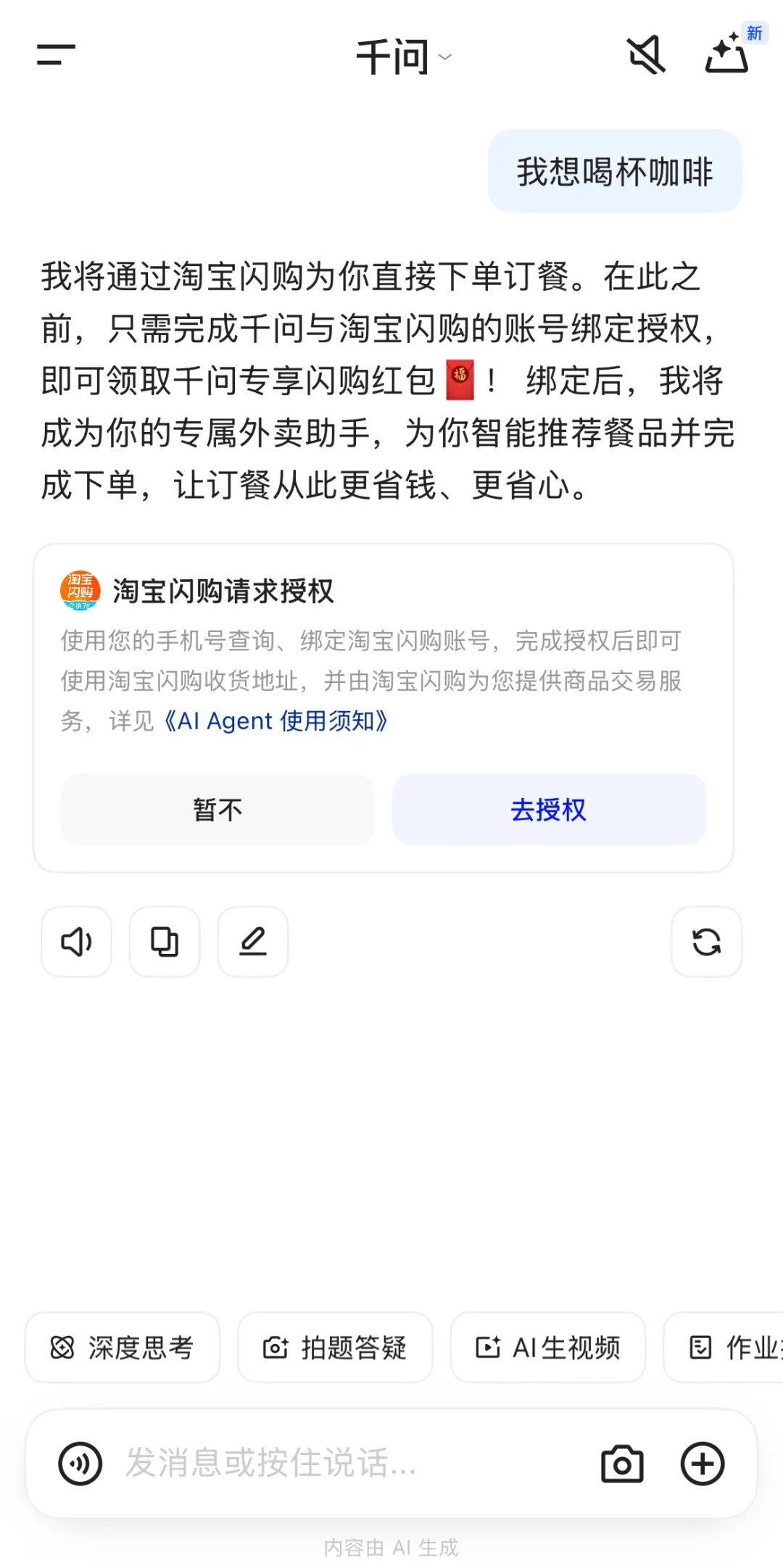
Core Insights - The AI computing sector is experiencing a pullback, with the cloud computing ETF Huatai (159273) dropping over 1% and recording a trading volume exceeding 300 million yuan, indicating a second consecutive day of capital inflow [1][3] Group 1: AI Demand and Financial Performance - Strong demand for artificial intelligence is evident, with TSMC's Q4 2025 earnings significantly exceeding expectations, achieving a net profit increase of 35% year-on-year to approximately 16 billion USD, marking a historical high with a gross margin surpassing 60% [3] - TSMC has raised its 2026 capital expenditure guidance to 52-56 billion USD, nearly 40% higher than previous expectations [3] Group 2: Market Movements and Stock Performance - The majority of the index-weighted stocks in the cloud computing ETF Huatai (159273) are showing declines, with notable drops including Hengsheng Electronics down over 2% and Tencent Holdings slightly down [3] - Conversely, stocks such as Zhongji Xuchuang and Alibaba-W have seen increases of over 1% [3] Group 3: Future Projections and Investment Opportunities - According to CITIC Securities, the demand for computing power is shifting from a single "training-driven" model to a "training + inference" dual-driven model, which is expected to maintain rapid growth [5] - The report predicts that by 2030, global token consumption could increase to 100-340 times that of 2025, with inference computing power potentially growing to 65-220 times [6] - The domestic cloud service providers (CSPs) are expected to accelerate their investments in computing power, driven by advancements in domestic computing chips and the introduction of super nodes [7]

阿里甩出王炸,千问打通电商外卖,流量格局要变天?
3 6 Ke· 2026-01-15 11:38
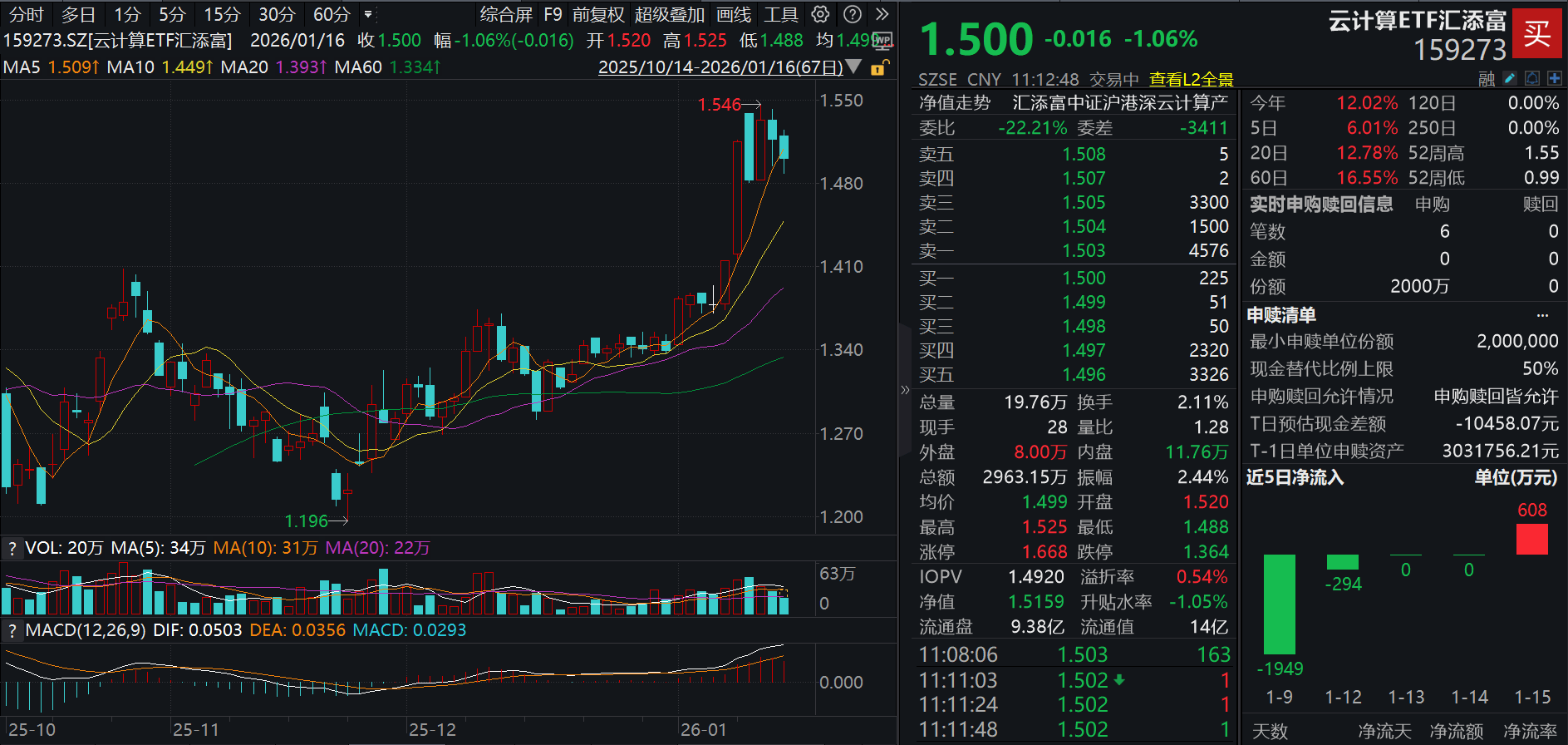
Core Insights - Alibaba's Qianwen App has launched "AI shopping" capabilities, integrating with various Alibaba ecosystem services like Taobao, Alipay, and Fliggy, allowing users to order food, shop, and book flights [1] - Qianwen App is positioned as the "world's first AI assistant capable of completing complex real-life tasks," surpassing previous AI shopping functionalities introduced by ChatGPT and Gemini [1] - The app has achieved over 100 million monthly active users within two months of launch, indicating strong user engagement and adoption [1] Group 1: AI Shopping Functionality - Qianwen App allows users to place orders directly through Taobao Flash Purchase, providing a seamless experience for ordering items like coffee [2][21] - The app can generate personalized shopping recommendations based on user needs, utilizing Alibaba's extensive product database and review system [22] - Users can complete the entire shopping process, from decision-making to payment, within the app, enhancing convenience [22] Group 2: Market Position and Strategy - The launch of Qianwen App is part of Alibaba's strategy to establish a new AI super entry point in the competitive landscape of e-commerce and consumer services [1] - The app's capabilities are designed to address complex consumer scenarios, such as planning trips or selecting products based on specific needs, thereby transforming shopping into a natural outcome of solving life scenarios [27] - The integration of AI with Alibaba's existing services aims to create a comprehensive "life operating system," enhancing user experience and operational efficiency [33] Group 3: Competitive Landscape - Other major players like OpenAI and Google are also developing AI shopping functionalities, with OpenAI introducing product recommendations and instant checkout features [29][30] - The competitive response from companies like JD.com and Douyin indicates a trend towards integrating AI capabilities within existing ecosystems to enhance user engagement and transaction efficiency [32] - The current AI e-commerce landscape is characterized by two main approaches: open protocols and ecosystem-based enhancements, with Alibaba focusing on the latter [33]

狂飙!新“AI链”全面引爆
Sou Hu Cai Jing· 2025-11-26 10:31
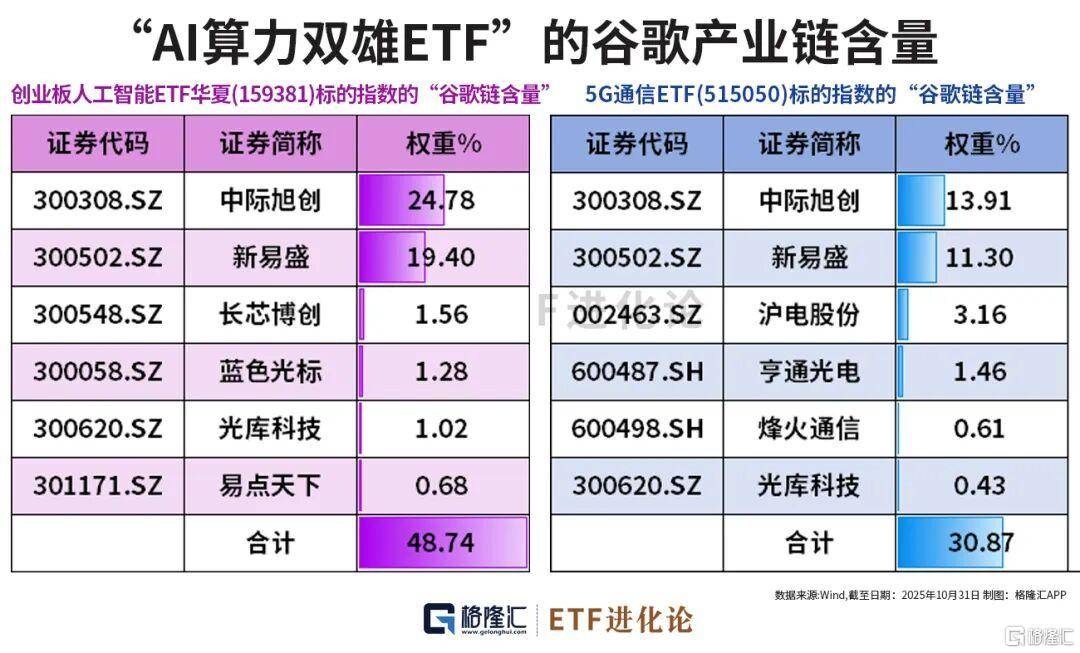
Group 1: Core Insights - The article highlights a significant shift in the AI computing market driven by Google's TPU and Gemini 3, which has led to a surge in related ETFs, particularly the 5G Communication ETF and the Huaxia AI ETF [1][2] - The TPU chip release and its integration with OCS and CPO architectures have revitalized the AI hardware narrative, indicating a robust demand for AI computing power [2][20] - The performance of the AI computing sector is reflected in the substantial gains of ETFs, with the 5G Communication ETF rising 77.65% year-to-date and the Huaxia AI ETF increasing 71.09% since its launch [1][2] Group 2: Market Dynamics - The competitive landscape for AI chips has been altered, with Google posing a challenge to Nvidia, leading to a notable drop in Nvidia's stock price, which fell nearly 7% before recovering to a 2.59% decline [5][6] - Despite the challenges, Nvidia reported strong financial results, with revenues of $57.006 billion, a 62% year-over-year increase, and a net profit of $31.91 billion, reflecting robust demand for its data center business [6][7] - Alibaba's cloud division also showed impressive growth, with revenues of 39.82 billion yuan, a 34% increase year-over-year, driven by AI-related products [10][11] Group 3: Investment Opportunities - The article emphasizes the ongoing demand for AI computing power, supported by substantial investments from companies like Alibaba, which has committed approximately 120 billion yuan to AI and cloud infrastructure over the past four quarters [11][20] - The integration of high-speed optical interconnects (CPO) is crucial for both Google's and Nvidia's architectures, positioning Chinese companies favorably within the global supply chain [21] - The article suggests that the AI computing sector is experiencing a positive feedback loop, where model upgrades drive demand for computing power, which in turn fosters further innovation [16][20]


软件ETF等率先反弹,或预示着AI主线的变化?
Ge Long Hui· 2025-11-25 04:28
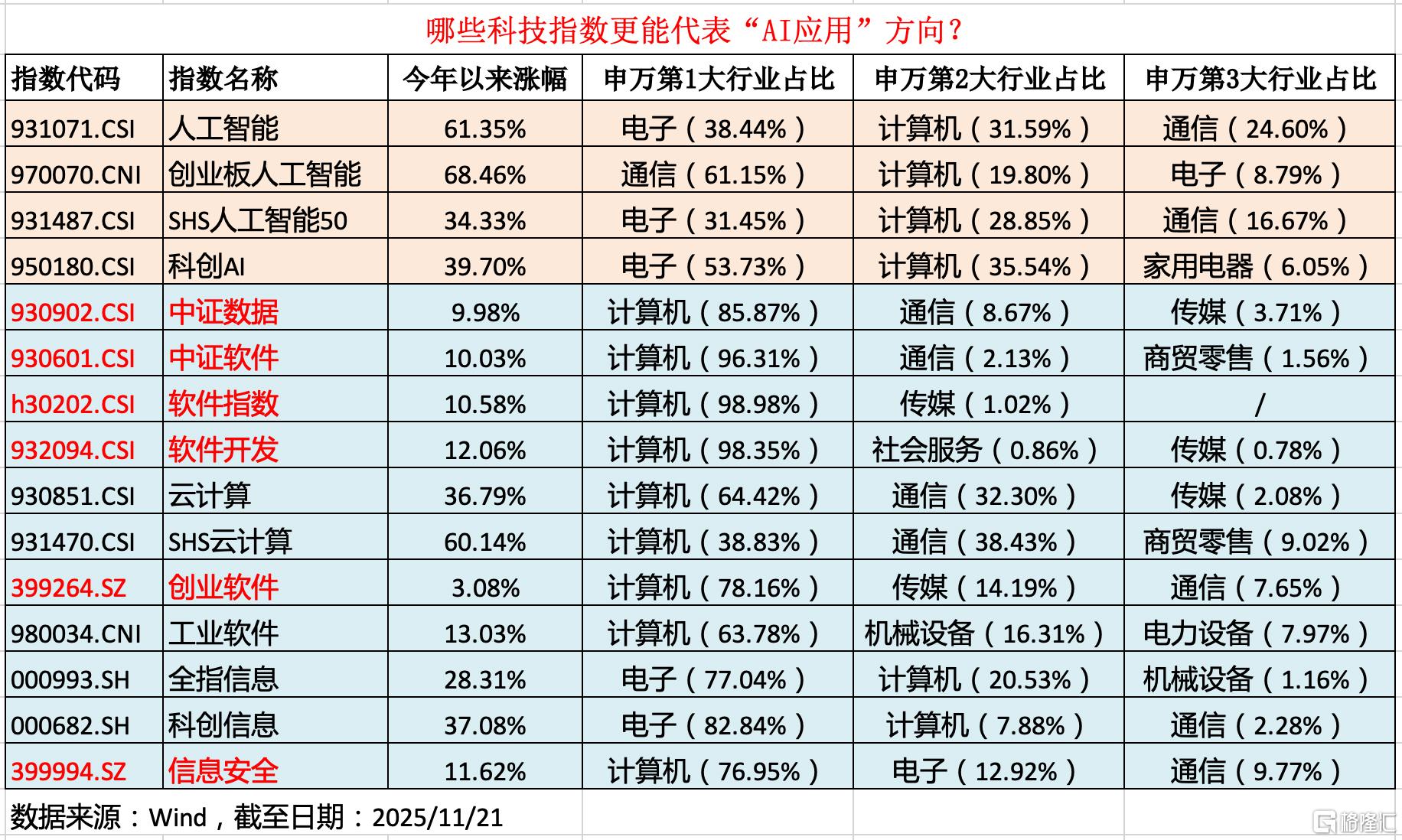
Core Viewpoint - The recent decline in major tech stocks, such as Nvidia, has led to a correction in the A-share technology sector, intensifying discussions about an "AI bubble" in global markets. Concerns stem from the fact that the demand for computing power from AI giants exceeds their free cash flow growth, leading to cash flow consumption and debt expansion [1][2]. Group 1: AI Industry Dynamics - The AI industry is currently viewed as being at the bottom of the Kondratiev wave cycle, suggesting that it is still in a developmental phase rather than a bubble [1]. - There is a prevailing opinion that the market focus may shift from "AI computing power" to "AI applications," indicating a potential new phase in AI investment opportunities [1][4]. Group 2: AI Applications Across Industries - AI applications are penetrating various sectors, including finance (e.g., smart risk control, intelligent investment advisory), healthcare (e.g., AI-assisted diagnosis, drug development), education (e.g., personalized learning), manufacturing (e.g., quality inspection, supply chain optimization), and more [1][2]. - The application of AI is not limited to a specific industry but is a cross-industry theme, highlighting its broad relevance [1]. Group 3: Investment Opportunities in AI - Companies providing AI applications are seen as essential "enablers" across industries, while semiconductor and chip companies are considered the foundational "builders" of the AI ecosystem [2]. - Several indices, such as the Artificial Intelligence Index and the ChiNext AI Index, have seen significant gains exceeding 60% this year, while other indices related to software and computing have underperformed [2][3]. Group 4: Recent Developments and Market Reactions - Notable recent developments include Google's launch of the Gemini3 model and Alibaba's introduction of the Qianwen app, both of which have generated positive market responses despite broader tech stock declines [3][4]. - In the recent market rebound, sector-specific ETFs related to media, gaming, software, and big data have outperformed hardware-focused indices, indicating a shift in investor sentiment towards AI applications [4].
国泰海通|AI应用· 合集
国泰海通证券研究· 2025-11-21 08:46
Core Insights - The release of Google's Gemini 3 marks a new leap in large model technology, showcasing significant advancements in reasoning, multi-modal understanding, and code generation capabilities [8][9][10] - Alibaba has launched the "Qianwen App," an AI assistant based on the Qwen model, aiming to compete directly with ChatGPT [5][28] - The Chinese government has issued guidelines to accelerate the cultivation and application of high-value AI scenarios, indicating strong support for AI development [5][24] Group 1: AI Applications and Market Trends - The AI application theme is gaining traction, with a focus on domestic consumption, infrastructure in Xinjiang, and AI applications in various sectors [5][8] - The Chinese government aims for over 70% penetration of new-generation intelligent terminals and agents by 2027, and over 90% by 2030, highlighting the urgency of AI integration [5][8] - The financial sector is identified as a prime testing ground for AI applications, with significant potential for transformation through AI technologies [13][14] Group 2: Technological Advancements - Gemini 3 has achieved a significant leap in reasoning capabilities, scoring 37.5% in the Humanity's Last Exam, a notable increase from its predecessor [8] - The model's multi-modal understanding has set new benchmarks in complex scientific chart analysis and dynamic video comprehension [9] - Innovations in code generation and front-end design have positioned Gemini 3 as a leader in programming competitions, enhancing its commercial viability [9][10] Group 3: Competitive Landscape - Alibaba's "Qianwen App" is positioned to leverage its strong model performance to create a high user engagement platform, potentially accelerating the profitability of large model vendors [28][29] - The competition in the AI space is intensifying, with major players like Google and Alibaba making significant strides in consumer-facing AI applications [34][35] - The AI ecosystem is evolving rapidly, with companies like OpenAI and Nvidia pushing the boundaries of AI capabilities and applications [51][56] Group 4: Policy and Regulatory Environment - The Chinese government's recent policies are designed to foster AI development, emphasizing the importance of high-quality data governance and infrastructure [24][25] - The issuance of guidelines for AI deployment in government sectors indicates a structured approach to integrating AI into public services [24][25] - The focus on AI in governance is expected to create substantial market opportunities, with projections estimating the AI+ government service market to reach 2.54 billion RMB by 2024 [25]

三大期指普跌;金价连跌四日,一度跌破4000美元;OpenAI被票选为“最有可能失败初创公司”第二名【美股盘前】
Mei Ri Jing Ji Xin Wen· 2025-11-18 13:04
Group 1 - Major U.S. stock index futures are experiencing declines, with Dow futures down 0.26%, S&P 500 futures down 0.29%, and Nasdaq futures down 0.38% [1] - Chinese concept stocks show mixed performance in pre-market trading, with Alibaba up 0.71% and Baidu up 3% after reporting Q3 revenue of 31.2 billion yuan, marking over 50% growth in AI business revenue [1] - Xpeng Motors shares fell 1.92% as the company reported a narrower Q3 loss of 381 million yuan, with adjusted losses of 150 million yuan, and projected Q4 revenue of 21.5 to 23 billion yuan, which is below market expectations [1] Group 2 - Gold prices have fallen for four consecutive days, reaching a low of $3,999.2 per ounce, a decline of 1.14% [2] - Amer Sports, the parent company of Arc'teryx, saw a pre-market increase of over 2.3% as analysts expect Q3 earnings per share to reach $0.25, up from $0.14 year-on-year, with revenue projected at $1.73 billion, a growth of over 28% [2] - OpenAI was ranked second in a survey of startups most likely to fail, conducted at the Cerebral Valley Summit [2] Group 3 - Dubai Air has placed an order for 150 Airbus A321neo aircraft, challenging Boeing's monopoly in the Middle Eastern aviation market, leading to a 0.3% drop in Boeing's shares [3] - The U.S. Department of Labor reported that initial jobless claims for the week ending October 18 totaled 232,000, with continuing claims at 1.957 million, an increase from the previous week [3] - GlobalFoundries announced the acquisition of Singapore-based Advanced Micro Foundry (AMF), positioning itself as the largest silicon photonics foundry by revenue [3] Group 4 - Bitcoin has fallen below the $90,000 mark for the first time in seven months, reaching a low of $89,673.47, marking a nearly 30% decline since hitting a historical high of $126,250 in early October [4]

【美股盘前】比特币近七个月来首度失守9万美元;金价连跌四日,一度跌破4000美元;OpenAI被票选为“最有可能失败初创公司”第二名;迪拜航空订购150...
Mei Ri Jing Ji Xin Wen· 2025-11-18 10:36
Market Overview - Major U.S. index futures are experiencing declines, with Dow futures down 0.26%, S&P 500 futures down 0.29%, and Nasdaq futures down 0.38% [1] Chinese Stocks Performance - Chinese stocks are mixed in pre-market trading, with Alibaba up 0.71% following the public testing of its Qianwen App, and Baidu rising 3% after reporting Q3 revenue of 31.2 billion yuan, with AI business revenue showing over 50% growth [1] - Xiaopeng Motors fell 1.92% after reporting a narrower Q3 loss of 381 million yuan, with adjusted losses of 150 million yuan, and projected Q4 revenue of 21.5 to 23 billion yuan, which is below market expectations [1] Gold Price Movement - Gold prices have fallen for four consecutive days, dipping below $4,000 per ounce, with a decline of 1.14% on November 18 [1] Company Earnings and Forecasts - Amer Sports, the parent company of Arc'teryx, is expected to report Q3 earnings with an anticipated EPS of $0.25, up from $0.14 year-on-year, and revenue projected at $1.73 billion, reflecting over 28% growth [2] AI Industry Insights - OpenAI has been ranked as the second most likely startup to fail at the Cerebral Valley Summit, indicating concerns within the AI sector [2] Aerospace Industry Developments - Dubai Airlines has placed an order for 150 Airbus A321neo aircraft, challenging Boeing's dominance in the Middle Eastern aviation market, leading to a 0.3% drop in Boeing's stock [2] Employment Data - The U.S. initial jobless claims for the week ending October 18 totaled 232,000, with continuing claims at 1.957 million, reflecting a slight increase from the previous week [3] Semiconductor Industry News - GlobalFoundries has announced the acquisition of Singapore-based Advanced Micro Foundry (AMF), positioning itself as the largest silicon photonics foundry by revenue [3] Cryptocurrency Market Update - Bitcoin has fallen below the $90,000 mark for the first time in seven months, reaching a low of $89,673.47, marking a nearly 30% decline since its peak in early October [3]