菇勇者传说

Search documents
中国玩家,为何不再青睐韩国网游?
3 6 Ke· 2026-01-14 07:13
Core Viewpoint - The article discusses the decline of Korean online games in the Chinese market, which were once dominant but have lost their appeal among younger players, leading to a significant shift in the gaming landscape [1][3][12]. Group 1: Historical Context - Korean online games, such as "Dungeon & Fighter," generated 94% of their sales from Chinese players in 2019, amounting to 6.2 billion RMB [2]. - The peak of Korean online games in China occurred around the early 2000s, with titles like "Legend of Mir" and "MapleStory" becoming immensely popular [6][8]. - By 2002, Korean games had already earned 600 million RMB from Chinese internet users [7]. Group 2: Reasons for Decline - The primary reason for the decline is the conflict over profit-sharing between Korean game developers and Chinese agents, leading to a breakdown in collaboration [12][21]. - Korean game companies often require Chinese agents to invest heavily in marketing and localization, which has led to dissatisfaction and disputes over revenue sharing [21][22]. - Recent legislative changes in South Korea have made it more difficult for Chinese companies to act as agents, increasing operational costs and prompting many to develop their own games instead [22][23]. Group 3: Market Dynamics - In 2017, Korean game exports to China accounted for 60% of total exports, reaching 3 to 4 billion USD [24]. - The deterioration of Sino-Korean relations, particularly due to geopolitical tensions, has further restricted the entry of Korean games into the Chinese market, allowing local companies to thrive [25]. - Chinese gaming companies have begun to dominate the Korean market, with titles like "The Last War: Survival" generating significant revenue in Korea, indicating a reversal of fortunes [30][33]. Group 4: Financial and Operational Challenges - Korean game developers face significant financial constraints, limiting their ability to innovate and compete with Chinese firms that have stronger capital backing [30][31]. - The success of Chinese games like "Black Myth: Wukong" highlights the disparity in capital and operational capabilities between Chinese and Korean gaming companies [27][29]. - Many smaller Korean companies struggle to survive, as failed game projects can lead to immediate financial crises due to their limited resources [33].



开启“买买买”模式 游戏厂商“抄底”房地产?
Zhong Guo Jing Ying Bao· 2025-11-14 20:33
Core Viewpoint - Game companies are increasingly engaging in real estate acquisitions, leveraging their substantial cash flow to invest in properties as a strategic move to diversify their assets and mitigate risks [2][3][6]. Group 1: Real Estate Acquisitions - Yanqu Game's subsidiary, Quanzhou Yanqu Network Technology Co., successfully acquired the Quanzhou Puxi Wanda Plaza commercial complex for 331 million yuan, which is approximately 70% of its market value [3]. - This acquisition marks Yanqu Game's second real estate purchase in 2025, following a 31 million yuan acquisition of land in Xiamen for their global headquarters [3][4]. - Other game companies, such as Feiyu Technology and 4399, are also making similar real estate investments, indicating a trend among gaming firms to diversify their portfolios [6]. Group 2: Financial Performance - Yanqu Game's successful titles, such as "Call Me the Shopkeeper" and "Seek the Dao," have contributed to its financial strength, with the former achieving monthly revenues exceeding 500 million yuan [4]. - Feiyu Technology reported a significant revenue increase of 343.58% in the first half of 2025, reaching 451 million yuan, and turned a profit with a net income of 57.52 million yuan [6]. - 4399's acquisition of land for its headquarters in Guangzhou for 603 million yuan reflects its growth strategy, supported by its successful game "Mushroom Hero Legend," which generated approximately 2.63 billion yuan in annual revenue [7]. Group 3: Industry Trends - The Chinese gaming industry is entering a new golden decade, with game companies increasingly looking to diversify into real estate and other sectors as a strategic move [6][7]. - The small program game market in China saw a 40.2% year-on-year revenue growth in the first half of 2025, indicating a robust market environment for gaming companies [7]. - The trend of gaming companies investing in real estate is seen as a way to solidify their asset base and prepare for future uncertainties [2][6].



中国游戏,正在“攻占”日本
投中网· 2025-11-04 07:04
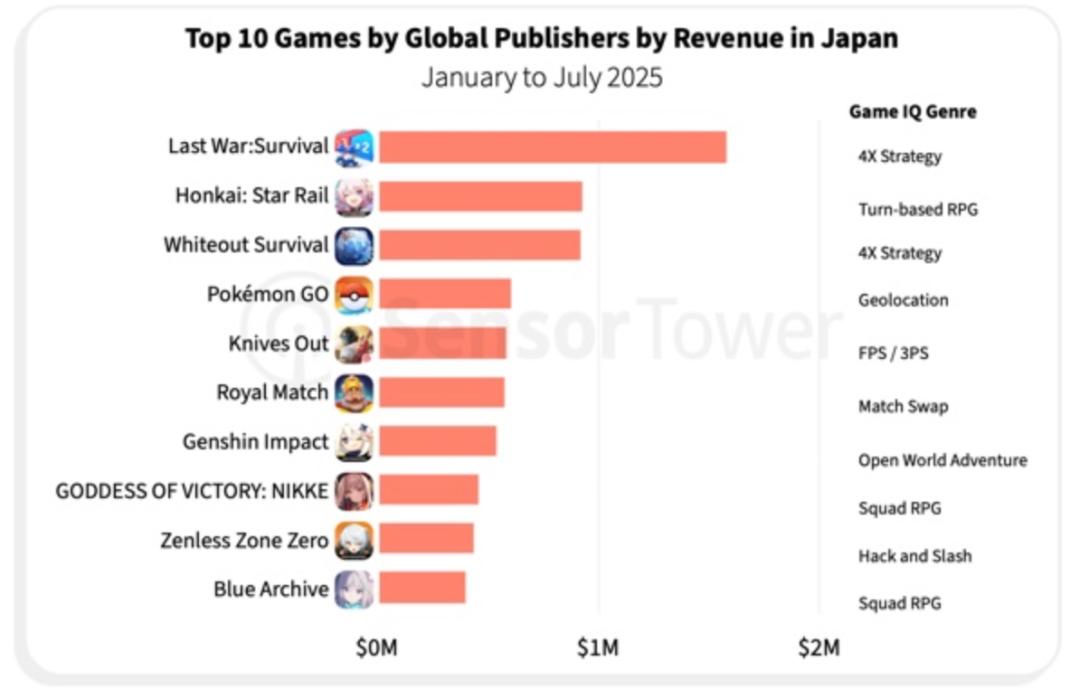
Core Viewpoint - The Japanese gaming industry, once a dominant force, is now facing significant challenges as Chinese companies increasingly capture market share and innovate in game development [5][8][26]. Group 1: Current State of the Japanese Gaming Industry - The Tokyo Game Show (TGS) 2025 showcased a significant presence of Chinese companies, with nearly half of the 299 exhibitors being from China, indicating a shift in the gaming landscape [5][6]. - Since the resumption of TGS in 2022, the growth in exhibition scale has largely been driven by Chinese firms, highlighting their successful expansion into the Japanese market [6][8]. - Sensor Tower's report indicates that as of July 2025, six out of the top ten mobile games in Japan by revenue are from Chinese developers, showcasing their dominance [6][21]. Group 2: Historical Context and Decline - The Japanese gaming industry thrived in the 1980s and 1990s, capturing 70% of the global market share by the end of the century, but has since seen a decline to 30% by 2015 [10][19]. - The industry's reliance on console gaming has hindered its ability to adapt to the rise of PC and mobile gaming, leading to a gradual decline in competitiveness [19][20]. - The aging population in Japan, with 29.4% of the population over 65, has contributed to a shrinking user base and a lack of innovation in game development [24][25]. Group 3: Chinese Companies' Success - Chinese games like "Genshin Impact" have achieved significant success in Japan, marking a turning point for Chinese developers in the Japanese market [27][28]. - The revenue projections for 2024 indicate that several Chinese games are expected to generate over 10 billion RMB, reflecting their growing influence [29]. - Chinese developers are leveraging advanced technology and innovative gameplay strategies, such as high welfare and low-pressure models, to attract Japanese gamers [30][31]. Group 4: Market Dynamics and Future Outlook - The Japanese gaming market is experiencing a shift as traditional gaming habits evolve, with younger audiences gravitating towards mobile and service-based games [21][24]. - The success of casual games like "Mushroom Hero" demonstrates the potential for Chinese developers to penetrate non-traditional gaming segments in Japan [32][33]. - The demand for mobile games in Japan remains high, with a significant gap between download numbers and in-app purchase revenues, indicating a lucrative opportunity for Chinese firms [33].

中国游戏,正在“攻占”日本
凤凰网财经· 2025-11-02 11:52
Core Viewpoint - The Japanese gaming industry, once a global leader, is now facing significant challenges as Chinese companies gain a strong foothold in the market, particularly highlighted by the recent Tokyo Game Show (TGS) 2025 where Chinese firms dominated participation and popularity [3][4][5]. Group 1: Japanese Gaming Industry Decline - The Japanese gaming market, historically seen as a closed fortress, is experiencing a decline due to its insular nature and inability to adapt to global trends [7][19]. - The market share of Japanese games in the global gaming industry has decreased from 70% in 1995 to 30% in 2009, indicating a significant loss of influence [19]. - The aging population in Japan, with 29.4% of the population over 65 years old, is contributing to a shrinking user base and a lack of innovation in the gaming sector [25][26]. Group 2: Rise of Chinese Gaming Companies - Chinese games, such as "Genshin Impact," have successfully penetrated the Japanese market, with significant revenue generation, marking a turning point for Chinese firms in global gaming [28][30]. - The success of Chinese games is attributed to superior technology and innovative gameplay, contrasting with the traditional approaches of Japanese developers [30][31]. - Chinese companies are effectively leveraging high-quality graphics and engaging gameplay to attract Japanese gamers, who are increasingly open to new gaming experiences [31][36]. Group 3: Market Dynamics and Consumer Behavior - The shift in consumer behavior in Japan, with a growing preference for mobile and service-oriented games, is reshaping the gaming landscape [22][24]. - The traditional gaming audience in Japan is evolving, with younger players gravitating towards free-to-play models and mobile gaming, further challenging local developers [22][25]. - The high loyalty and retention rates of Japanese gamers present an opportunity for Chinese companies to capitalize on, as they introduce innovative gaming experiences [36][37].

中国游戏,正在“攻占”日本
3 6 Ke· 2025-10-30 06:52
Core Insights - The Japanese gaming industry, once dominant, is now facing significant challenges as Chinese companies gain a strong foothold in the market, particularly highlighted during TGS 2025 where nearly half of the exhibitors were from China [1][2] - The growth of Chinese gaming companies in Japan is evidenced by their presence in the top ten mobile game revenue rankings, where six out of ten are Chinese titles [2][4] Group 1: Historical Context - The rise of Japanese gaming began in the 1980s, particularly after the "Atari Shock," which allowed companies like Nintendo to dominate the market, capturing 70% of the global gaming market by the end of the 20th century [5][6] - Japan's gaming industry thrived due to a unique cultural environment that fostered a "lonely economy," where societal changes led to increased individualism and a focus on gaming as a form of escapism [6][7][11] Group 2: Current Market Dynamics - Since the 2010s, Japan's gaming industry has been in decline, with its global market share dropping from 70% in 1995 to 30% in 2009, as the industry struggled to adapt to new technologies and market trends [16][19] - The aging population in Japan, with 29.4% of the population over 65 years old, has contributed to a stagnation in the gaming industry, as older developers may resist innovation and younger demographics shrink [21][22] Group 3: Chinese Market Penetration - Chinese games like "Genshin Impact" have successfully penetrated the Japanese market, showcasing advancements in technology and gameplay that appeal to both traditional and new audiences [24][26] - The success of Chinese games is attributed to their ability to offer high-quality graphics and gameplay experiences that resonate with Japanese players, alongside effective marketing strategies [26][29] Group 4: Future Outlook - The demand for mobile games in Japan remains high, with a significant opportunity for Chinese developers to capitalize on this market, as evidenced by the increasing revenue from Chinese titles [29] - The contrast between Japan's low mobile game downloads and high in-app purchase revenue indicates a strong market potential that Chinese companies are well-positioned to exploit [29]
库洛收入大涨23%,Top10已被腾讯独占7席,一家SLG黑马厂商杀进前八——暴风雨真要来了?
3 6 Ke· 2025-06-11 08:11
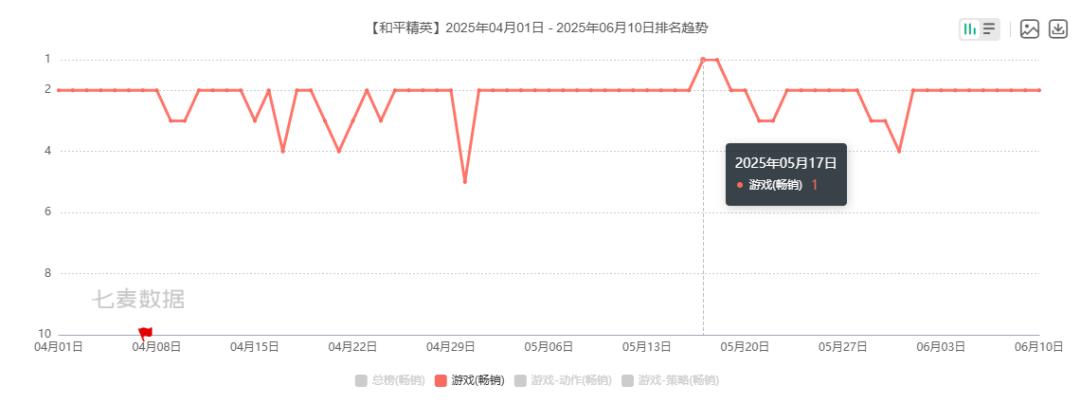
Group 1 - The core viewpoint of the articles highlights the performance of Chinese mobile game publishers in the global market, with Tencent leading the revenue rankings and several other companies showing significant growth [1][2][3]. - Tencent remains at the top of the revenue rankings, with its games like "Honor of Kings" and "Peacekeeper Elite" dominating the top spots in the App Store [2][3]. - Florere Game has seen a 12% increase in revenue, driven by the success of its titles "Dark War Survival" and "Last Z: Survival Shooter," which have shown consistent growth [1][14]. Group 2 - Pointing to the competitive landscape, companies like Lilith and Kuro have also demonstrated strong performance, with Lilith's revenue increasing by 12% and Kuro's by 23% [17][18]. - Joy Net Games has successfully entered the market with its new RPG title, showing promising results in overseas markets [21][24]. - The article notes that the overall revenue of Chinese mobile game publishers in the global top 100 reached $2.02 billion, accounting for 36.6% of the total revenue [1]. Group 3 - The government is encouraging the expansion of Chinese games into overseas markets, which is expected to become a key focus for many game developers [29][32]. - The article emphasizes the potential for growth in the overseas gaming market, with various companies actively recruiting and forming teams to enhance their international presence [29][32]. - The competitive dynamics in the global market are evolving, with new products and companies emerging to challenge existing players [29][32].