豆本豆豆奶

Search documents
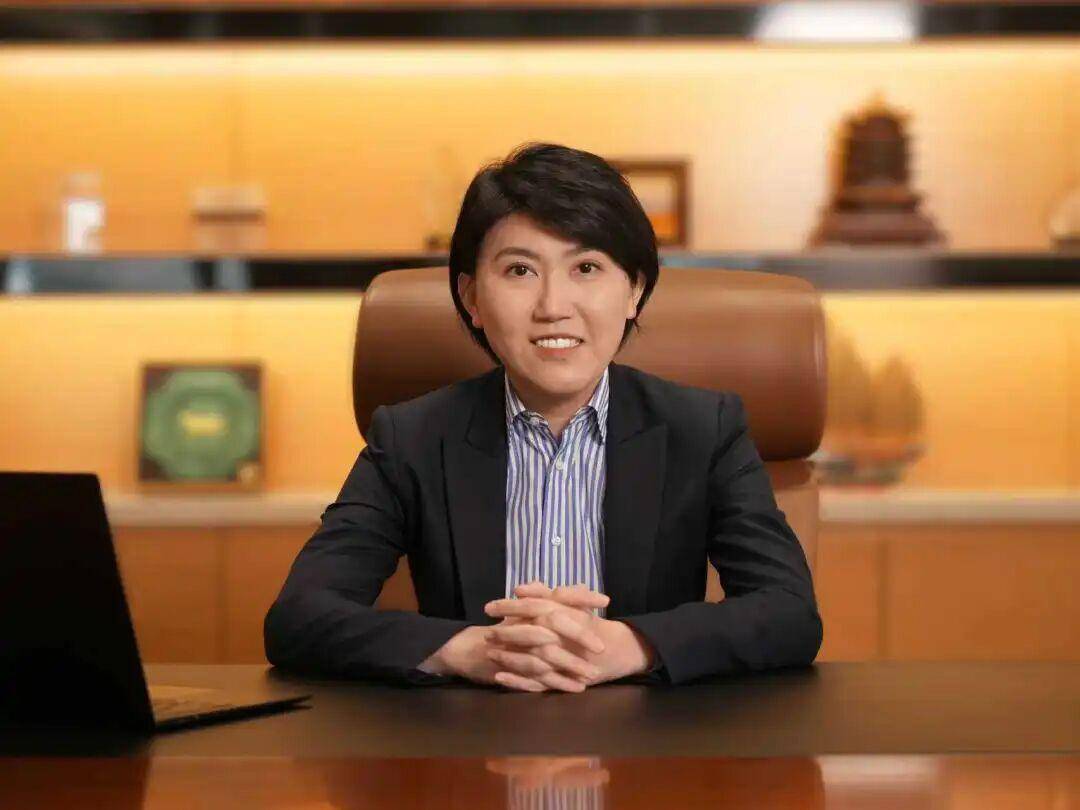
福建女首富,接班180亿食品王国
创业家· 2025-11-17 10:20
Core Viewpoint - The appointment of Xu Yangyang as the new president of Dali Food Group marks a significant transition in leadership for a major player in the food industry, with her extensive experience within the company positioning her to tackle current challenges and drive future growth [7][14]. Group 1: Company Overview - Dali Food Group, founded in 1989 by Xu Shihui, has grown from a small factory to a food giant with annual revenues exceeding 18 billion yuan, featuring six major brands including Dali Garden and Kexi [11]. - The company successfully launched its IPO in Hong Kong in 2015, becoming the largest IPO in the global consumer goods sector that year, with a peak market value nearing 100 billion HKD [11]. - From 2016 to 2019, Dali Food's revenue increased from 17.84 billion yuan to 21.37 billion yuan, while the Xu family maintained their status as the richest in Fujian for four consecutive years [11][12]. Group 2: Succession Path - Xu Yangyang's succession was a result of a long-term, systematic training process, starting from her grassroots experience in various roles within the company [14]. - She played a crucial role in Dali's strategic decisions, including leading the company to its successful IPO and launching the "Douben Dou" soy milk brand, which achieved over 1 billion yuan in sales within a year [14][16]. - Under her leadership, Dali is pursuing an international expansion strategy, establishing production bases in Southeast Asia, including Indonesia, Thailand, Vietnam, and Saudi Arabia [15]. Group 3: Challenges Ahead - Dali Food has faced declining revenue and profit from 2020 to 2022, with revenues of 20.96 billion yuan, 22.29 billion yuan, and 19.96 billion yuan, and net profits of 3.85 billion yuan, 3.73 billion yuan, and 2.99 billion yuan respectively [16]. - The company's stock performance has been lackluster, leading to its privatization announcement in 2023, with shares dropping nearly 50% from the IPO price [16]. - Dali's established brands are experiencing aging issues, and adapting to the rising health-conscious consumer trends poses additional challenges for Xu Yangyang [16]. Group 4: Industry Context - Xu Yangyang and her counterpart, Zong Fuli, are often compared as prominent successors in the food industry, both having similar educational backgrounds and career paths [18]. - The transition of leadership in family-owned businesses is becoming increasingly common in China, with many founders reaching retirement age [19]. - Successful business succession requires a well-planned process, as demonstrated by Xu Yangyang's gradual rise through the ranks, contrasting with other family business transitions that have faced challenges [19].

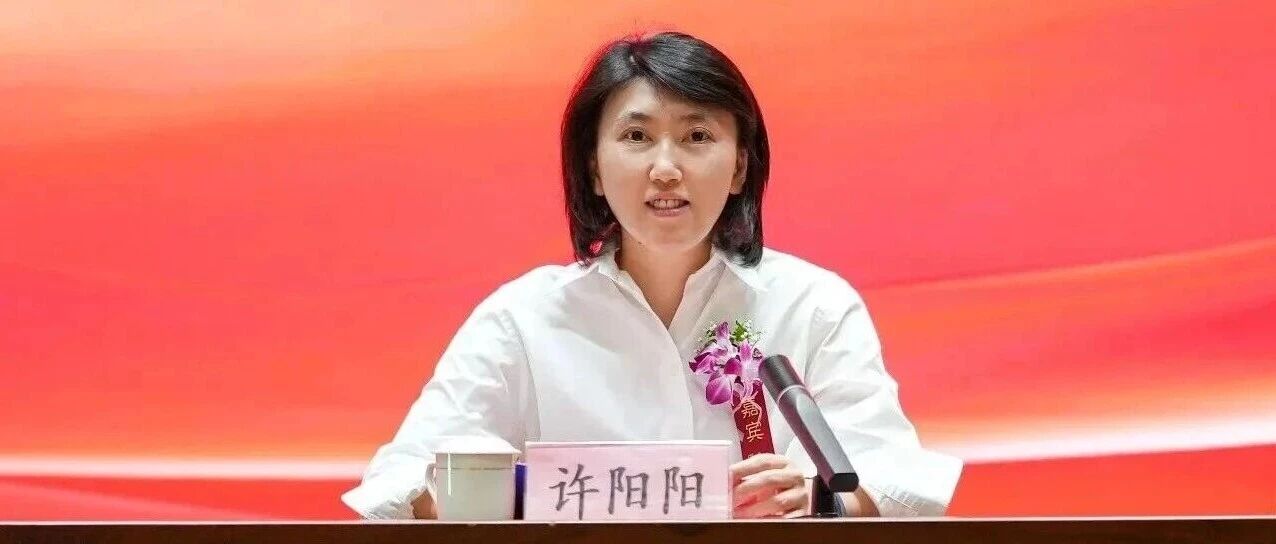
达利食品创始人之女许阳阳接任总裁:“80后”毕业于厦大,从基层做起曾主导公司上市
Sou Hu Cai Jing· 2025-11-14 09:18
Core Viewpoint - Dali Food Group has successfully completed a generational transition with Xu Yangyang officially taking over as president, following the legacy of her father Xu Shihui, amidst challenges in performance and market dynamics [1][5]. Group 1: Company Overview - Dali Food Group, founded in 1989, has evolved into a major player in the food industry with nearly 20 billion yuan in annual revenue, focusing on both food and beverage sectors [1]. - The company’s brand portfolio includes well-known names such as "Dali Garden" pastries, "Haochidian" biscuits, "Kebike" chips, and "Heqizheng" herbal tea [1]. - Dali Food was listed on the Hong Kong Stock Exchange in 2015, and the Xu family was recognized as the richest in Fujian province from 2016 to 2019 [1]. Group 2: Leadership Transition - Xu Yangyang, born in 1983, has been with Dali Food for 17 years, gaining extensive experience across various roles, including management, production, and brand operations [1][3]. - She has been instrumental in significant company milestones, including leading the successful IPO in 2015, which was the largest consumer goods IPO that year [3]. Group 3: Strategic Challenges and Opportunities - Dali Food has faced declining revenue from 2020 to 2022, with figures of 20.96 billion yuan, 22.29 billion yuan, and 19.96 billion yuan respectively, alongside a drop in net profits [5]. - The company is now focusing on revitalizing its brand image and exploring new growth avenues to overcome stagnation, particularly in light of a recent decline in revenue to 18.07 billion yuan in 2024 [5]. - Xu Yangyang is tasked with executing the company's overseas expansion strategy, which has established production bases in Indonesia, Thailand, Vietnam, and Saudi Arabia [3].
前福建首富交棒80后女儿,宗馥莉该羡慕了
3 6 Ke· 2025-11-14 03:57
Core Insights - Dali Food Group has successfully transitioned leadership to the second generation, with Xu Yangyang, daughter of founder Xu Shihui, officially taking over as president [1][7] - The company, founded in 1989, has established itself as a major player in the Chinese snack food industry, with annual revenues exceeding 20 billion yuan from 2018 to 2021 [1][6] - Xu Yangyang's leadership journey mirrors that of other second-generation heirs in the industry, particularly in her gradual rise through various roles within the company [7][8] Company Background - Dali Food Group originated from Xu Shihui's establishment of Meili Food Factory in 1989, focusing on high-quality packaged biscuits during a time of limited snack options [2][4] - The company gained significant market share by launching competitive products, such as Dali Garden's egg yolk pie, which was priced lower than its Korean competitor [4][5] - By 2012, Dali Food had entered the 10 billion yuan revenue club, with a notable market share in various snack categories [5][6] Financial Performance - From 2016 to 2019, Dali Food's revenue grew from 17.84 billion yuan to 21.37 billion yuan, with the Xu family being recognized as the richest in Fujian province during this period [6] - However, the company faced challenges post-2020, with revenues declining to 19.96 billion yuan in 2022 due to reliance on offline distribution and brand aging [6][9] - In June 2023, Dali Food announced plans for privatization after a significant drop in stock price, leading to its delisting from the Hong Kong Stock Exchange [6][9] Leadership Transition - Xu Yangyang, born in 1983, has been with Dali Food since 2008, working her way up through various positions before becoming president [1][7] - Her leadership style and approach to business development are seen as more stable compared to other industry counterparts, such as Zong Fuli of Wahaha [8][9] - Under Xu Yangyang's guidance, Dali Food is expected to focus on international expansion and revitalizing its core brands to address market challenges [9]
前福建首富许世辉交棒,80后女儿成新“零食大王”,宗馥莉该羡慕了
Sou Hu Cai Jing· 2025-11-13 23:53
Core Viewpoint - Dali Food Group has successfully transitioned leadership to the second generation, with Xu Yangyang, daughter of founder Xu Shihui, officially taking over as president, marking a significant milestone for the company established over 30 years ago [1] Company Overview - Dali Food Group was founded in 1989 by Xu Shihui in Quanzhou, Fujian, and has developed into a major player in the food and beverage industry with brands like "Dali Garden," "Haochidian," "Kebike," "Hezheng," "Lehu," and "Douben Dou" [1][3] - The company achieved annual revenues exceeding 20 billion yuan from 2018 to 2021, and the Xu family was recognized as the richest in Fujian from 2016 to 2019 [1][5] Leadership Transition - Xu Yangyang, born in 1983, has been with Dali Food since 2008, starting from the production line and working her way up through various roles, including executive director and vice president [1][6] - The leadership transition is compared to that of Zong Fuli of Wahaha, highlighting the similarities in their paths as second-generation leaders in their respective companies [1][6][7] Business Strategy and Growth - Dali Food's growth strategy involved launching competitive products at lower prices than established brands, which helped the company capture significant market share [3][4] - The company entered the 100 billion yuan revenue club in 2012, with revenues of 108.12 billion yuan, 128.27 billion yuan, and 148.94 billion yuan from 2012 to 2014, alongside increasing net profit margins [4] Recent Challenges - From 2020 to 2022, Dali Food faced declining revenues and profits due to reliance on offline distribution channels and signs of brand aging, with revenues of 209.62 billion yuan, 222.94 billion yuan, and 199.57 billion yuan during these years [5] - In June 2023, the company announced plans for privatization due to long-term stock price underperformance, leading to its delisting from the Hong Kong Stock Exchange in September 2023 [5] Future Directions - Xu Yangyang is expected to focus on revitalizing aging brands and exploring overseas markets as part of the company's growth strategy moving forward [8]
告别同质化“内卷”,以创新品质引领市场新风尚
Sou Hu Cai Jing· 2025-08-06 23:07
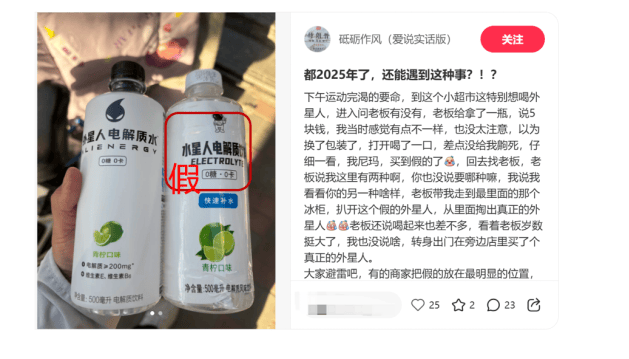
Core Viewpoint - The recent "anti-involution" topic has gained significant attention from regulatory bodies and industry players, emphasizing the need for innovation in emerging fields and transformation in traditional sectors to avoid low-level homogeneous competition [1] Group 1: Market Dynamics - The rise of imitation products, often referred to as "shanzhai," has become a focal point, misleading consumers and disrupting market order [2] - Consumers have shared experiences of mistakenly purchasing imitation products due to similar packaging, highlighting the prevalence of pixel-level imitation in the fast-moving consumer goods (FMCG) sector [1] - Legal actions against imitation products are increasing, with courts imposing significant penalties to protect innovation and deter infringement [2] Group 2: Brand Protection and Legal Actions - The case of Yuanqi Forest's "Alien Electrolyte Water" illustrates the swift legal response to trademark infringement, with the court ruling in favor of Yuanqi Forest and awarding damages of 5 million yuan [2] - The judicial system is sending a clear message about the importance of protecting original brands and punishing counterfeiters [2] Group 3: Innovation and Quality - Original brands that focus on quality and technological innovation are gaining consumer trust, while imitators struggle to replicate the intrinsic value of these products [4][5] - Companies like Yuanqi Forest and Dali Food Group have successfully differentiated themselves through innovation, leading to a positive market reputation [5] - The emphasis on quality control and unique value propositions is essential for companies to thrive in a competitive landscape [5]