企业出海战略

Search documents
大胜达泰国项目引入新加坡企业投资 战投者背后股东与国内竹木制品业企业家同名
Mei Ri Jing Ji Xin Wen· 2026-01-16 12:19
Core Viewpoint - The company Shengda plans to increase capital for its Thailand packaging box production base project by introducing strategic investor SENDA INTERNATIONAL, aligning with its "going global" strategy [1][4]. Group 1: Investment Details - Hainan Shengda Investment intends to invest 721 million Thai Baht (approximately 160 million RMB) in the project, while SENDA INTERNATIONAL will contribute 127.7 million Thai Baht (approximately 28.38 million RMB) [2]. - After the capital increase, the registered capital of Great Shengda Technology Development (Thailand) Co., Ltd. will rise from 3 million Thai Baht to approximately 852 million Thai Baht, with the company holding 85% and SENDA INTERNATIONAL holding 15% [2]. Group 2: Strategic Importance - The project is a key part of Shengda's "going global" strategy, aimed at enhancing local production and customized service capabilities in response to Southeast Asian customer demands for efficient packaging solutions [4]. - The total investment for the Thailand packaging box project is estimated at 188 million RMB, indicating the company's commitment to expanding its overseas market presence [4]. Group 3: Background of Strategic Investor - SENDA INTERNATIONAL was established on January 8, 2021, with a registered capital of 100,000 Singapore Dollars, and its major shareholder is Shan Yonggen, who holds 70% of the shares [2]. - The financial status of SENDA INTERNATIONAL shows no revenue for the previous year, with a net asset value of 63,500 Singapore Dollars at year-end [2].

多家外资机构看好2026年中国市场表现
Di Yi Cai Jing Zi Xun· 2026-01-08 15:52
Group 1 - The A-share market has shown a strong start in 2026, with the Shanghai Composite Index remaining above 4000 points for four consecutive trading days [2] - UBS and Goldman Sachs have expressed optimism about the Chinese market in 2026, highlighting that the current valuation levels are not overheated and that the market is driven by long-term investment rather than speculative trading [2][6] - UBS predicts a 14% or higher earnings growth for the MSCI China Index in 2026, driven by sectors such as internet platforms, high-end manufacturing, and companies with global expansion capabilities [4] Group 2 - In 2025, the A-share market outperformed expectations, with major indices showing significant increases: the Shanghai Composite Index rose by 18.41%, the Shenzhen Component Index by 29.87%, and the ChiNext Index by 49.57% [3] - The valuation of the MSCI China Index is approximately 13 times earnings, slightly above the ten-year average, indicating room for growth [3] - International investors have shifted from a passive to an active approach in the Chinese market, with a notable increase in capital inflow [4] Group 3 - Goldman Sachs forecasts a 20% increase in the MSCI China Index and a 12% increase in the CSI 300 Index for 2026, with growth driven by earnings rather than valuation expansion [6] - The technology, media, and telecommunications (TMT) sector is expected to see a profit growth of around 20% in 2026, supported by artificial intelligence and corporate strategies [6] - High levels of interest from foreign investors in Chinese technology and AI companies are noted, with a significant gap in valuation compared to similar U.S. firms [5][6] Group 4 - Goldman Sachs anticipates record net inflows of $200 billion from southbound capital in 2026, alongside a potential 3 trillion RMB increase in domestic asset reallocation [7] - Investment themes to focus on include companies benefiting from AI development, export leaders, and those with substantial shareholder returns [7] - High valuations are seen in sectors such as technology hardware, insurance, materials, media/entertainment, and internet retail, which are rated as overweight by Goldman Sachs [7]



多家外资机构看好2026年中国市场表现
第一财经· 2026-01-08 15:36
Core Viewpoint - The article highlights a positive outlook for the Chinese market in 2026, driven by valuation recovery and structural changes in corporate fundamentals, with foreign investment showing increased interest and participation [3][5][8]. Market Performance in 2025 - In 2025, major A-share indices saw significant gains, with the Shanghai Composite Index rising by 18.41%, the Shenzhen Component Index by 29.87%, and the ChiNext Index by 49.57% [4]. - The overall performance of the Chinese capital market in 2025 was described as "comprehensive and exceeding expectations" [5]. Factors Supporting Market Growth - Valuation levels are currently reasonable, with the MSCI China Index trading at a price-to-earnings ratio of approximately 13, slightly above the past decade's average [5]. - Investor participation remains below historical highs, indicating potential for further growth [5]. - External factors, including global economic shifts and supportive domestic policies, are expected to benefit the Chinese market [5]. Structural Changes in Corporations - Chinese companies are shifting their operational focus from "scale first" to "internal improvement," emphasizing profitability quality, technological barriers, long-term value, and innovation [5]. - UBS forecasts a potential earnings growth of 14% or higher for the MSCI China Index in 2026, driven by sectors such as internet platforms, high-end manufacturing, and companies with global expansion capabilities [5][6]. Foreign Investment Trends - Foreign investors' attitudes towards Chinese assets have shifted from cautious observation to active participation, with a noticeable influx of capital [5][6]. - Despite a significant recovery in foreign investment in 2025, there remains considerable room for increased allocation compared to the averages from 2017 to 2021 [6]. Predictions for 2026 - Goldman Sachs maintains an overweight rating for A-shares and H-shares, predicting a 20% increase in the MSCI China Index and a 12% increase in the CSI 300 Index in 2026 [8]. - The market's growth momentum is expected to transition from valuation expansion to earnings-driven growth, particularly in the TMT sector, which is projected to see earnings growth of around 20% [8][9]. Investment Themes and Recommendations - Goldman Sachs suggests focusing on four key investment themes: companies benefiting from AI development, sectors supported by the "14th Five-Year Plan," leading export companies, and firms with substantial shareholder returns [9]. - The firm has assigned overweight ratings to sectors including technology hardware, insurance, materials, media/entertainment, and internet retail [9].

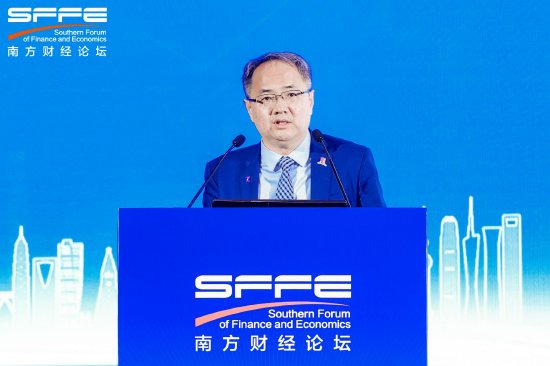
香港中文大学马旭飞:呼吁内地企业“拼船香港”,利用好香港特色优势
Xin Lang Cai Jing· 2025-12-05 07:15
Core Insights - The "Southern Finance Forum 2025" will be held on December 5-6 in Guangzhou, focusing on the theme "The Power of Consensus - Innovation Surge, China's Asset Revaluation" [1][6] Group 1: Outbound Strategy - The concept of "not going abroad means going out of business" has gained traction since early last year, emphasizing the importance of outbound strategies for companies [3][8] - Outbound strategies can be categorized into two models: light and heavy. Notable shifts include a transition from light to heavy models, from product export to production capacity export, and from individual to cluster exports [3][8] - Data indicates that 60% of companies have chosen Hong Kong as their destination for outbound expansion, with many not only listing there but also investing directly [3][8] Group 2: Hong Kong as a Strategic Hub - Hong Kong is identified as the primary choice for outbound enterprises, serving as a center or headquarters for many companies over the past decade [3][8] - In October, the Hong Kong government established a dedicated task force for mainland enterprises going abroad, providing a "one-stop" service to facilitate their expansion, not just in Southeast Asia but globally [3][8] - Hong Kong's advantages include being a "three-center and one-highland," leveraging the "one country, two systems" policy to enhance its status as an international financial, shipping, and trade center, as well as a hub for high-end talent [3][8] Group 3: Talent Acquisition - Companies are encouraged to "set sail for Hong Kong" and recruit local talent, with over 1,000 outstanding students graduating annually from the Chinese University of Hong Kong's business school, making them ideal candidates for recruitment [4][9] - It is emphasized that Chinese enterprises have reached a strategic phase for outbound expansion and should leverage the unique advantages of the Greater Bay Area and Hong Kong [4][9]
前福建首富许世辉交棒,80后女儿成新“零食大王”,宗馥莉该羡慕了
Sou Hu Cai Jing· 2025-11-13 23:53
Core Viewpoint - Dali Food Group has successfully transitioned leadership to the second generation, with Xu Yangyang, daughter of founder Xu Shihui, officially taking over as president, marking a significant milestone for the company established over 30 years ago [1] Company Overview - Dali Food Group was founded in 1989 by Xu Shihui in Quanzhou, Fujian, and has developed into a major player in the food and beverage industry with brands like "Dali Garden," "Haochidian," "Kebike," "Hezheng," "Lehu," and "Douben Dou" [1][3] - The company achieved annual revenues exceeding 20 billion yuan from 2018 to 2021, and the Xu family was recognized as the richest in Fujian from 2016 to 2019 [1][5] Leadership Transition - Xu Yangyang, born in 1983, has been with Dali Food since 2008, starting from the production line and working her way up through various roles, including executive director and vice president [1][6] - The leadership transition is compared to that of Zong Fuli of Wahaha, highlighting the similarities in their paths as second-generation leaders in their respective companies [1][6][7] Business Strategy and Growth - Dali Food's growth strategy involved launching competitive products at lower prices than established brands, which helped the company capture significant market share [3][4] - The company entered the 100 billion yuan revenue club in 2012, with revenues of 108.12 billion yuan, 128.27 billion yuan, and 148.94 billion yuan from 2012 to 2014, alongside increasing net profit margins [4] Recent Challenges - From 2020 to 2022, Dali Food faced declining revenues and profits due to reliance on offline distribution channels and signs of brand aging, with revenues of 209.62 billion yuan, 222.94 billion yuan, and 199.57 billion yuan during these years [5] - In June 2023, the company announced plans for privatization due to long-term stock price underperformance, leading to its delisting from the Hong Kong Stock Exchange in September 2023 [5] Future Directions - Xu Yangyang is expected to focus on revitalizing aging brands and exploring overseas markets as part of the company's growth strategy moving forward [8]

36氪出海·中东|IFZA自由区解读:如何选择合适的国际市场?
3 6 Ke· 2025-10-20 10:00
Core Insights - IKEA's global expansion is not just about scale but also strategic market selection, which is crucial for achieving exponential growth and avoiding resource wastage [3][4]. Market Selection Factors - **Market Size and Consumer Demand**: The primary consideration is the target market's size and actual demand for products or services, requiring in-depth analysis of demographics, income levels, and consumer behavior [5][6]. - **Regulatory Environment and Business Convenience**: Legal and compliance issues can be significant barriers, with differences in registration processes, tax policies, and intellectual property protection across countries [7][8]. - **Macroeconomic Stability and Growth Potential**: A country's economic fundamentals, including GDP growth trends and political stability, directly impact business viability, with emerging markets offering high growth potential but also volatility [9]. - **Cultural Compatibility and Local Preferences**: Cultural factors significantly influence consumer behavior, necessitating localized marketing strategies to ensure product acceptance [10][11]. - **Competitive Landscape and Industry Trends**: Understanding the competitive environment and identifying unmet needs or market gaps are essential for positioning brand differentiation [12]. - **Infrastructure and Logistics Maturity**: A mature logistics system is critical for operational efficiency, with factors like transportation networks and digital infrastructure playing a key role [13][14]. Tools and Strategies for Market Evaluation - **Data Research and Market Analysis**: Data-driven decision-making is essential, utilizing both quantitative and qualitative analyses to assess market feasibility [15][16]. - **Local Partnerships and Expert Networks**: Collaborating with local entities can provide valuable market insights and resources, facilitating smoother market entry [17]. Dubai as an Ideal Expansion Hub - Dubai serves as a global gateway for businesses looking to expand into the Middle East, Africa, Asia, and Europe, offering a low-risk, high-reward environment for international growth [18][19]. - The IFZA Free Zone provides strategic advantages for companies entering the Dubai market, including simplified registration processes and comprehensive business support services [20][23].
国泰海通:首予西部水泥“增持”评级 目标价3.73港元
Zhi Tong Cai Jing· 2025-10-15 08:31
Core Viewpoint - Cathay Pacific Haitong has initiated coverage on Western Cement (02233) with a "Buy" rating, projecting net profit for 2025-2027 to be 1.143 billion, 1.422 billion, and 2.015 billion yuan respectively, with EPS of 0.21, 0.26, and 0.37 yuan [1] Group 1: Company Overview - The largest shareholder, Mr. Zhang, holds approximately 32.3% of shares directly and indirectly, while Conch Cement holds 29.0% [2] - The company is expected to sell 15.74 million tons of cement domestically in 2024, generating revenue of about 5.2 billion yuan and a profit of approximately 350 million yuan, alongside overseas sales of 4.03 million tons, yielding revenue of about 3.2 billion yuan and a profit of 890 million yuan [2] Group 2: Industry Context - China's cement production has been declining annually since 2022, with a rapid decrease in demand leading to a significant drop in domestic cement prices, making overseas expansion a necessity [3] - The company began its overseas strategy in 2020, establishing its first production line in Mozambique and expanding into four countries by the end of 2024, including the Democratic Republic of the Congo, Ethiopia, and Uzbekistan [3] Group 3: Strategic Moves - The company achieved a high overseas gross profit of 288 yuan per ton in 2024, significantly exceeding the domestic gross profit of 42 yuan per ton, demonstrating a strong commitment to high-margin overseas expansion [4] - In June 2025, the company announced plans to sell its Xinjiang cement assets for 1.65 billion yuan, which is expected to alleviate debt pressure and support ongoing overseas expansion projects [4]

旺季来临!钛白粉再涨价,10月底存下跌预期
Hua Xia Shi Bao· 2025-09-27 06:18
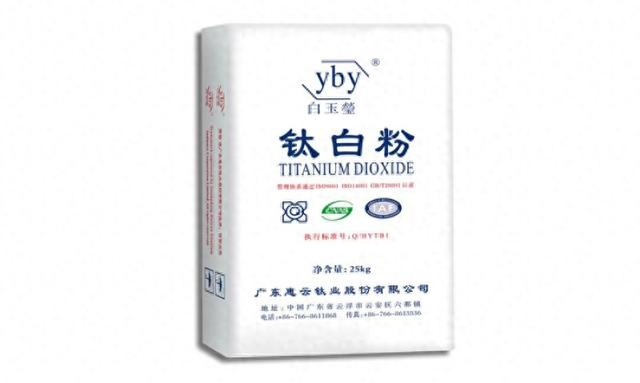
Core Viewpoint - The titanium dioxide industry is experiencing a price increase, with companies raising prices by 500 RMB/ton for domestic customers since September 15, marking the fifth price hike this year [2][3]. Price Adjustments - Several companies, including Yibin Tianyuan and Ti Hai Technology, have announced price increases for titanium dioxide products, with domestic prices rising by 500 RMB/ton and international prices by 30-70 USD/ton [3][4]. - The price adjustments are driven by the traditional peak season and the need to stimulate downstream inventory demand, as well as to implement previous price increases from August [2][4]. Market Conditions - The current price hikes are cautious due to weak downstream demand and the potential for increased inventory levels as production rates rise [4]. - The titanium dioxide industry has faced a decline in prices due to reduced downstream market demand and increased production costs, leading to a situation of excess inventory [5][6]. Financial Performance - Major companies like Longbai Group reported a decline in revenue and net profit for the first half of 2025, with revenue dropping to 13.33 billion RMB, a decrease of 3.34% year-on-year, and net profit down by 19.53% [5]. - Other companies, such as Zhonghe Titanium and Huiyun Titanium, showed mixed results, with revenue increases but significant drops in net profit [5]. Industry Challenges - The titanium dioxide market is currently at a five-year low due to supply-demand mismatches, with rapid domestic capacity expansion and weakened demand linked to the real estate sector [6]. - Companies are responding to these challenges by seeking to expand into international markets, with Longbai Group and Huiyun Titanium actively pursuing overseas strategies to mitigate the impact of anti-dumping investigations [7]. Future Outlook - There are expectations of continued downward pressure on titanium dioxide prices due to weak domestic and international demand, with predictions of price declines by the end of October [7].


卧龙电驱筹划赴港上市 深化全球化战略布局
Zheng Quan Shi Bao Wang· 2025-06-18 09:42
Group 1: Company Overview - Wolong Electric Drive (卧龙电驱) has announced plans to list on the Hong Kong Stock Exchange to enhance its global strategy and international competitiveness [1] - The company reported projected revenue of 16.247 billion yuan and a net profit of 793 million yuan for 2024 [1] - Wolong Electric Drive's total market capitalization was approximately 30 billion yuan as of the latest closing, down from over 40 billion yuan earlier this year [1] Group 2: Strategic Initiatives - The company aims to fully implement its overseas strategy by 2025, focusing on personnel, products, supply chains, and capital going abroad [2] - Wolong Electric Drive plans to leverage its overseas factories to strengthen coordination between domestic and international operations [2] - The company has achieved over 30% of its revenue from international markets, indicating a strong global presence [1] Group 3: Market Context - The Hong Kong IPO market is experiencing a surge, with over 160 companies waiting to list, including nearly 20 companies seeking to raise over 1 billion USD [2] - The average daily trading volume of the Hang Seng Index has increased significantly, reaching 240.916 billion HKD in 2025 up to early June, compared to 131.775 billion HKD for the entire year of 2024 [3] - A-share companies that complete H-share listings tend to see an average increase of 2.61% in their A-share prices within 30 trading days post-listing [3]

会员金选丨教授公开课:中美关税松绑背后的深层博弈,寻找企业的破局之道
第一财经· 2025-06-16 03:18
Group 1 - The article highlights the significance of the US-China tariff battle as a decisive force in reshaping the global economic order, emphasizing the competition for control over industrial chains, technological standards, and development models [1] - The dynamic tariff system under Trump's administration is seen as a strategy to segment high-end manufacturing chains, while China is countering with strategic resources like rare earths, impacting 42% of the global intermediate goods supply chain and increasing uncertainty in global supply chains [1] - Professor Hu Jie from Shanghai Jiao Tong University aims to decode the implications of tariffs and provide insights for companies to navigate the challenges posed by the US-China rivalry, focusing on how Chinese enterprises are restructuring supply chains and localizing operations through international expansion [1] Group 2 - The event featuring Professor Hu Jie is scheduled for June 21, focusing on the deeper implications behind the potential easing of US-China tariffs, with a structured agenda including a public lecture and interactive Q&A session [2] - Professor Hu Jie has extensive experience in financial economics and policy analysis, having worked at the Federal Reserve and in investment banking in Hong Kong and Singapore, before transitioning to entrepreneurship and management roles in software and fintech [3][4] - His research interests encompass financial markets, US macroeconomics, fintech innovations, and the internationalization of Chinese enterprises, indicating a strong focus on contemporary financial challenges and opportunities [3]