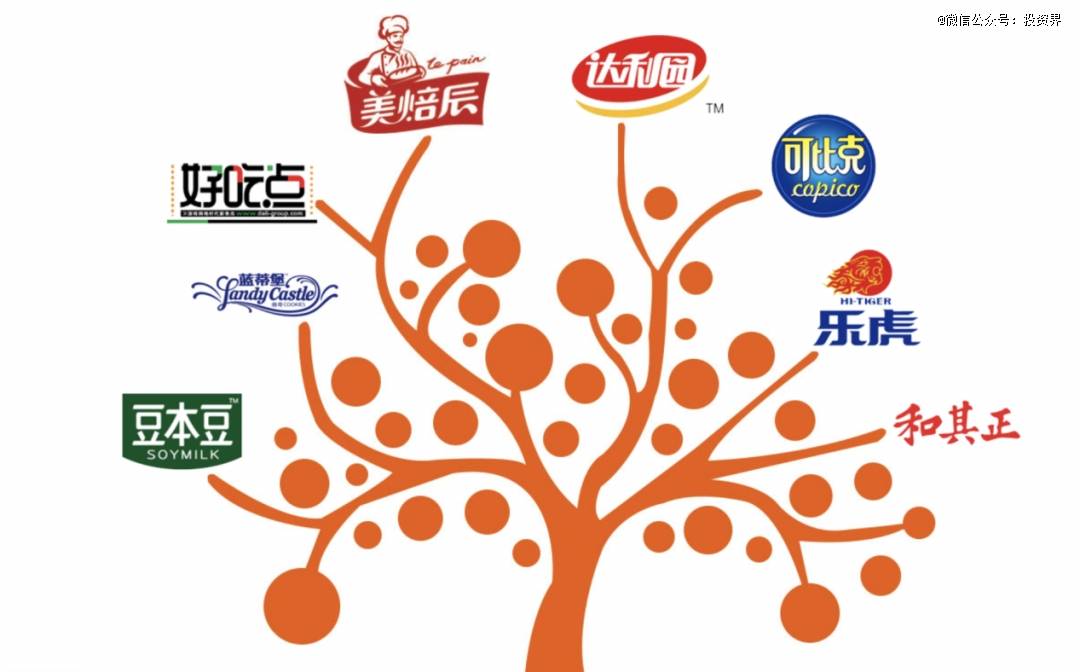
可比克薯片

Search documents
福建“豪门”,打响继承之战
创业家· 2026-02-04 10:35
Core Viewpoint - The article discusses the generational transition in family businesses, particularly among Fujian entrepreneurs, highlighting the challenges faced by the second generation as they take over their family enterprises amidst a changing economic landscape and societal expectations [5][8]. Group 1: Succession Battles - The transition of leadership is becoming a reality among Fujian private enterprises, with notable examples including Xu Yangyang taking over Dali Group and Cao Hui succeeding his father at Fuyao Group [7][8]. - The second generation faces dual pressures from familial expectations and societal reputation, often leading to comparisons with their predecessors [5][9]. - The traditional method of succession in Fujian remains focused on blood relations, with the eldest son often seen as the most suitable successor [9][11]. Group 2: Individual Case Studies - Xu Yangyang's journey at Dali Group began with her education and gradual rise through the ranks, ultimately leading to her role as president after her father's retirement [16][23]. - Cao Hui's path to leadership at Fuyao Group involved significant preparation, including international education and hands-on experience in the family business [12][26]. - Xu Lianjie of Hengan Group faced challenges in finding a successor, as his sons initially showed little interest in the family business, but eventually, his eldest son Xu Qingliu took over [13][16]. Group 3: Business Performance and Challenges - Dali Group's revenue peaked at 22.294 billion yuan in 2021 but has since declined, with 2023 revenue reported at 18.86 billion yuan [22][24]. - Hengan Group's paper towel business aims for significant growth, with Xu Qingliu setting ambitious targets despite industry challenges [26]. - Fuyao Group continues to experience growth, with a reported revenue of 21.45 billion yuan and a net profit exceeding 4.8 billion yuan in the first half of 2025 [26][27]. Group 4: Cultural and Strategic Adaptations - The article highlights the importance of adapting to changing consumer preferences, with younger generations needing to innovate beyond traditional business models [24][32]. - Fujian entrepreneurs are increasingly forming family offices to manage wealth and address succession issues, reflecting a blend of traditional and modern approaches to business continuity [30][31]. - Marriages between the second generation of Fujian entrepreneurs are seen as a strategy to strengthen business alliances and create a supportive network [28][29].




福建“豪门”,打响继承之战
创业邦· 2026-02-01 10:09
Core Viewpoint - The article discusses the generational transition in family businesses, particularly among Fujian entrepreneurs, highlighting the challenges faced by the second generation as they take over leadership roles amidst changing market conditions and societal expectations [5][16]. Group 1: Succession in Fujian Enterprises - Xu Shihui, founder of Dali Food Group, has retired, passing leadership to his daughter Xu Yangyang, who has been groomed for this role for years [7][14]. - Cao Dewang, founder of Fuyao Group, has also stepped down, with his son Cao Hui taking over, marking a trend of succession among Fujian entrepreneurs [7][11]. - The transition of leadership is becoming a reality in Fujian's private enterprises, with several second-generation leaders stepping into their roles [7][8]. Group 2: Challenges Faced by Successors - The new generation faces a more challenging business environment and intense competition, along with the pressure of living up to their predecessors' legacies [16][18]. - Many successors, despite having better resources and education, struggle with the dual identity of being both children and inheritors, leading to potential conflicts [8][16]. - The decision to take over family businesses can lead to significant generational "wars," as seen in the case of Fuyao Group, where Cao Hui initially resisted taking over [11][12]. Group 3: Performance and Expectations - Dali Group's revenue peaked at 22.294 billion yuan in 2021 but has since declined, with 2023 revenue reported at 18.86 billion yuan, presenting a significant challenge for Xu Yangyang [20][21]. - Xu Yangyang aims to innovate beyond her father's established "imitator" strategy, which has become less effective in the current market [21][23]. - In contrast, Fuyao Group, under Cao Hui, is experiencing growth, with 2025 fiscal year revenue reaching 21.45 billion yuan, indicating a different set of challenges focused on maintaining market leadership [23][24]. Group 4: Strategies for Business Continuity - The article highlights the trend of inter-family marriages among Fujian entrepreneurs as a strategy to strengthen business alliances and ensure continuity [26][29]. - Establishing family offices has become a common practice among Fujian businesses to manage wealth and address succession issues proactively [27][30]. - The emphasis on collaboration and mutual support among family businesses reflects a cultural approach to navigating risks and uncertainties in the market [30][31].

福建「豪门」,打响继承之战
3 6 Ke· 2026-01-31 09:22
Core Insights - The article discusses the generational transition in family-owned businesses in Fujian, China, highlighting the challenges faced by the second generation as they take over leadership roles in a competitive and changing market environment [3][4][5]. Group 1: Leadership Transition - Xu Shihui, the founder of Dali Food Group, has retired, passing the presidency to his daughter Xu Yangyang, marking a significant leadership change in the company known for brands like "Dali Garden" and "Kebike" [3][4]. - Similarly, Cao Dewang, founder of Fuyao Group, has stepped down as chairman, with his son Cao Hui taking over, indicating a broader trend of leadership transitions among Fujian entrepreneurs [3][4]. - Other notable transitions include Xu Lianjie of Hengan Group handing over to his son Xu Qingliu, and Fu Guangming of Shennong Group passing control to his daughter Fu Fenfang [4]. Group 2: Challenges of Succession - The second generation faces intense pressure to meet the expectations set by their predecessors, often leading to comparisons in capability and performance [4][12]. - The decision to take over leadership roles is fraught with internal conflict, as many heirs express reluctance to step into their parents' shoes, preferring to pursue their own entrepreneurial paths [5][12]. - The article highlights the contrasting experiences of successors, with some like Cao Hui initially resisting the idea of taking over, while others like Xu Yangyang have been groomed for leadership from a young age [8][12]. Group 3: Market Dynamics and Performance - Dali Group's revenue peaked at 22.294 billion yuan in 2021 but has since declined, with 2023 revenue reported at 18.86 billion yuan, presenting a significant challenge for Xu Yangyang as she takes over [17][19]. - Hengan Group's Xu Qingliu aims to double the paper product business revenue target to 30 billion yuan, facing challenges such as raw material price fluctuations and industry competition [22]. - Fuyao Group, under Cao Hui's leadership, reported a revenue of 21.45 billion yuan in the first half of 2025, with a net profit exceeding 4.8 billion yuan, indicating a strong market position but also the need for continued innovation and growth [22]. Group 4: Cultural and Strategic Considerations - The article emphasizes the traditional approach of bloodline succession in Fujian businesses, where the eldest son is often seen as the most suitable successor [5][12]. - The concept of family alliances through marriage is highlighted as a strategy to strengthen business ties among Fujian entrepreneurs, reflecting a long-standing cultural practice [25][26]. - The establishment of family offices by Fujian businesses is noted as a modern approach to managing wealth and addressing succession issues, allowing for better risk management and strategic collaboration [26][28].

达利迎来“80后”二代掌舵 “跟随战略”将迎转变?
Xin Lang Cai Jing· 2025-11-21 21:20
Core Viewpoint - Dali Food Group has officially entered the "second-generation leadership" era with the appointment of Xu Yangyang, daughter of founder Xu Shihui, as president, amid challenges such as declining revenue and market competition [3][4]. Group 1: Leadership Transition - Xu Yangyang has 17 years of experience within the company, starting from grassroots positions and rising to executive director and vice president [4]. - She played a crucial role in Dali's IPO in 2015, which was the largest in the global consumer goods sector that year [4]. - Xu Yangyang's international education and experience in capital markets are expected to bring a forward-looking strategic vision to Dali [4][5]. Group 2: Strategic Challenges - Dali has faced a decline in revenue, with a drop from 222.94 billion yuan in 2021 to an estimated 180.73 billion yuan in 2024, indicating a loss of over 42 billion yuan [7]. - The company's traditional sales channels are under pressure from e-commerce and new retail formats, necessitating a shift in strategy [5][7]. - Dali's core brands are experiencing aging and slower product iteration, which poses a challenge in meeting the demands of younger consumers [7][8]. Group 3: Market Position and Future Directions - Dali's historical success relied on a "follow strategy" rather than innovation, which may not suffice in the current fragmented market [6][9]. - The company is urged to focus on creating a few competitive product categories to regain market confidence and performance [9]. - Dali plans to initiate a global strategy by 2025, but faces significant competition from established multinational brands and local players [9].
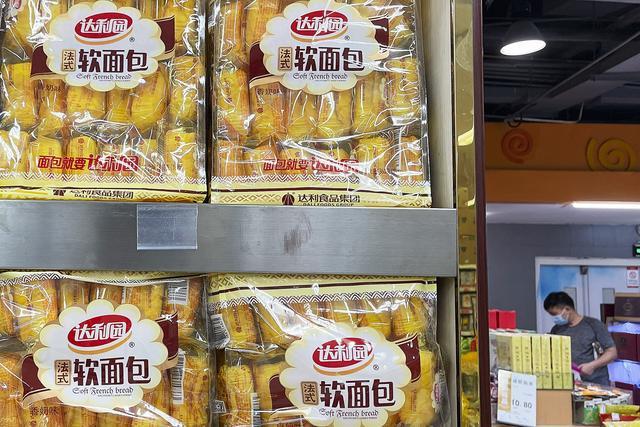
福建女首富接班了
首席商业评论· 2025-11-19 03:34
Core Viewpoint - The article discusses the succession of Xu Yangyang as the new president of Dali Food Group, highlighting her journey from grassroots positions to leadership and the broader trend of second-generation entrepreneurs taking over family businesses in Fujian province [5][16]. Group 1: Succession of Xu Yangyang - Xu Yangyang, daughter of founder Xu Shihui, has officially taken over as president of Dali Food Group, marking a significant transition in leadership [5]. - Xu Yangyang joined the family business in 2008 after studying abroad, starting from basic positions and gradually moving up to key roles, including board member and strategic decision-maker [6][7]. - Under her leadership, Dali Food successfully went public in Hong Kong in 2015, significantly increasing her wealth and establishing her as a prominent figure in the industry [7][15]. Group 2: Business Development and Innovation - Xu Yangyang has been instrumental in launching the "Dou Ben Dou" brand of soy milk, which achieved sales of 2.266 billion yuan by 2022, positioning Dali Food as a leader in the health and nutrition sector [7]. - The company has shifted its focus from imitation to innovation, with Xu Yangyang emphasizing the need for the next generation to drive qualitative changes in the business [7][8]. - Dali Food is expanding its international presence, with strategic plans to establish production bases in Southeast Asia, including Indonesia, Thailand, Vietnam, and Saudi Arabia [8]. Group 3: Broader Trends in Fujian Business Succession - The article notes a trend of second-generation entrepreneurs in Fujian taking over their family businesses, with several notable examples, including the successors of major companies like Fuyao Glass and Sanan Group [16][19]. - This generational transition reflects a broader pattern in Fujian, where family ties and regional connections play a significant role in business operations and collaborations [20]. - The article highlights the unique characteristics of Fujian's business culture, where familial and regional bonds have fostered a network of successful enterprises across various sectors [20].
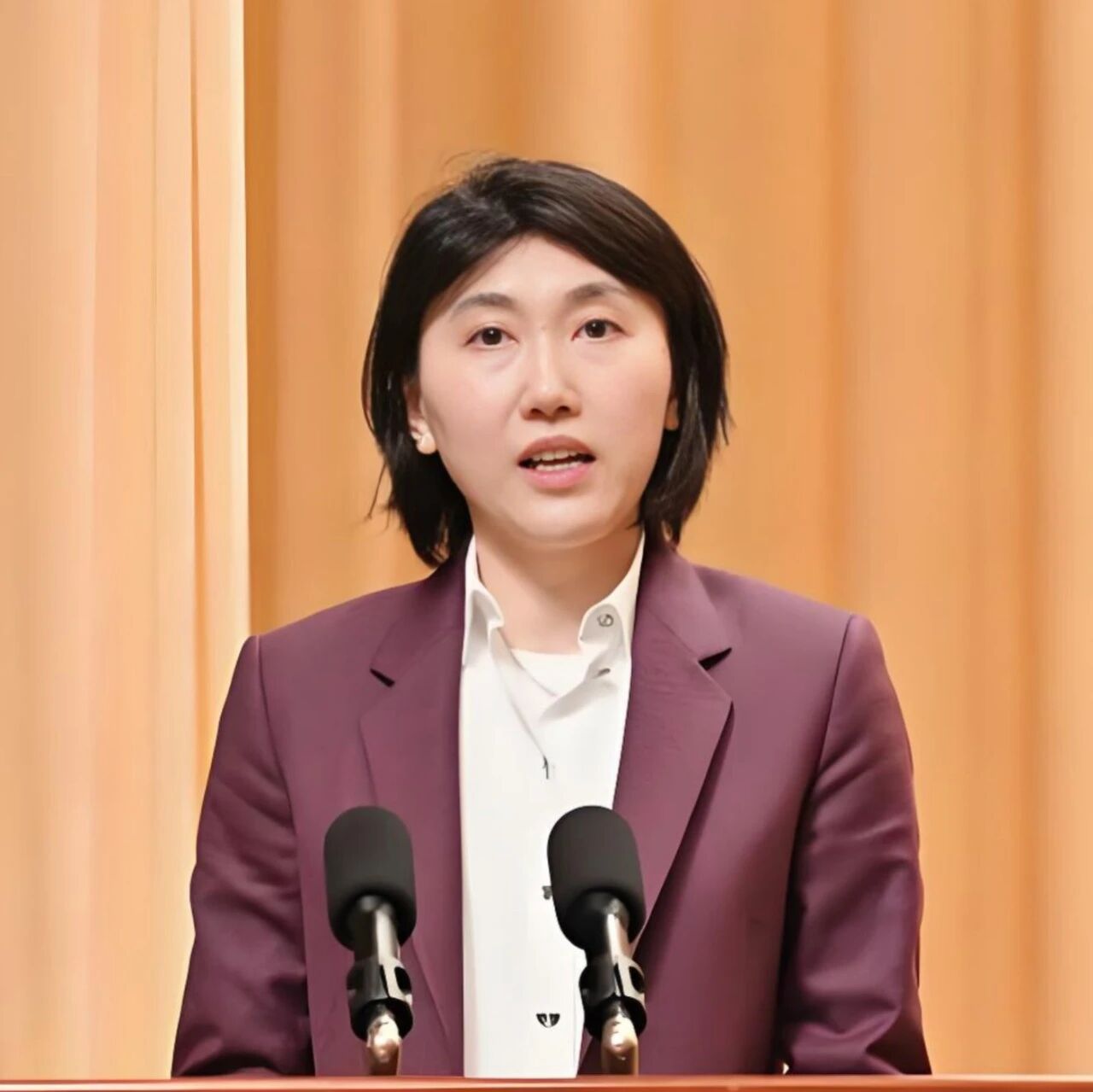
福建女首富,接班180亿食品王国
创业家· 2025-11-17 10:20
Core Viewpoint - The appointment of Xu Yangyang as the new president of Dali Food Group marks a significant transition in leadership for a major player in the food industry, with her extensive experience within the company positioning her to tackle current challenges and drive future growth [7][14]. Group 1: Company Overview - Dali Food Group, founded in 1989 by Xu Shihui, has grown from a small factory to a food giant with annual revenues exceeding 18 billion yuan, featuring six major brands including Dali Garden and Kexi [11]. - The company successfully launched its IPO in Hong Kong in 2015, becoming the largest IPO in the global consumer goods sector that year, with a peak market value nearing 100 billion HKD [11]. - From 2016 to 2019, Dali Food's revenue increased from 17.84 billion yuan to 21.37 billion yuan, while the Xu family maintained their status as the richest in Fujian for four consecutive years [11][12]. Group 2: Succession Path - Xu Yangyang's succession was a result of a long-term, systematic training process, starting from her grassroots experience in various roles within the company [14]. - She played a crucial role in Dali's strategic decisions, including leading the company to its successful IPO and launching the "Douben Dou" soy milk brand, which achieved over 1 billion yuan in sales within a year [14][16]. - Under her leadership, Dali is pursuing an international expansion strategy, establishing production bases in Southeast Asia, including Indonesia, Thailand, Vietnam, and Saudi Arabia [15]. Group 3: Challenges Ahead - Dali Food has faced declining revenue and profit from 2020 to 2022, with revenues of 20.96 billion yuan, 22.29 billion yuan, and 19.96 billion yuan, and net profits of 3.85 billion yuan, 3.73 billion yuan, and 2.99 billion yuan respectively [16]. - The company's stock performance has been lackluster, leading to its privatization announcement in 2023, with shares dropping nearly 50% from the IPO price [16]. - Dali's established brands are experiencing aging issues, and adapting to the rising health-conscious consumer trends poses additional challenges for Xu Yangyang [16]. Group 4: Industry Context - Xu Yangyang and her counterpart, Zong Fuli, are often compared as prominent successors in the food industry, both having similar educational backgrounds and career paths [18]. - The transition of leadership in family-owned businesses is becoming increasingly common in China, with many founders reaching retirement age [19]. - Successful business succession requires a well-planned process, as demonstrated by Xu Yangyang's gradual rise through the ranks, contrasting with other family business transitions that have faced challenges [19].
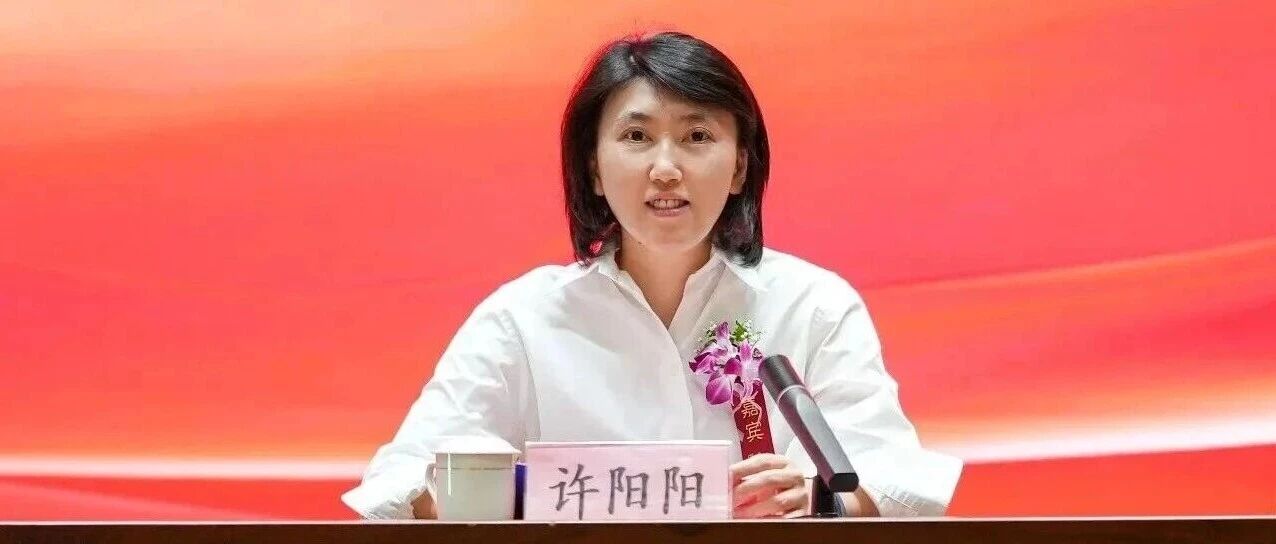
福建前首富交棒“80后”女儿,需面对业绩逐年下滑考验
Sou Hu Cai Jing· 2025-11-17 09:57
Core Insights - Dali Food Group has officially transitioned to the second generation leadership with Xu Yangyang, daughter of founder Xu Shihui, taking over as president [1][2] - The company, founded in 1989, has seen a decline in performance, with revenue dropping from a peak of 222.94 billion yuan in 2021 to an estimated 180.7 billion yuan in 2024 [2][12] Leadership Transition - Xu Yangyang, born in 1983, has a strong educational background and extensive experience within the company, having worked her way up from grassroots positions to executive roles [4] - She played a key role in Dali's IPO in Hong Kong in 2015, which was the largest in the global consumer goods sector that year [4] - Xu Yangyang aims to drive the company from "1 to N" in terms of growth and transformation, contrasting with her father's focus on initial entrepreneurship [4][11] Company Performance - Dali Food's revenue has been on a downward trend since 2021, with a reported revenue of 199.57 billion yuan in 2022, marking a 10.5% decline year-on-year [12] - The company announced its privatization in 2023 due to poor stock performance, with shares dropping nearly 50% since the IPO [12] - The estimated revenue for 2023 is around 188.6 billion yuan, continuing the downward trend [12] Market Challenges - Dali Food faces significant challenges due to changing consumer preferences, with traditional products losing popularity [2][13] - The rise of health-conscious and differentiated snack brands has intensified competition, making it difficult for Dali to maintain its market position [13] - Issues with channel management and distributor relationships have emerged, leading to inventory problems and reduced trust among distributors [13][14] Strategic Focus - The company is expected to focus on digitalization, youth engagement, and international expansion to adapt to market changes [14] - Dali Food's historical success was built on a "copy and low-price" strategy, but this approach is becoming less effective in the current market landscape [7][13]
福建女首富接班了
3 6 Ke· 2025-11-17 00:07
Core Viewpoint - Dali Food Group has announced the succession of Xu Yangyang, daughter of founder Xu Shihui, as the new president of the company, marking a significant transition in leadership for the food giant [1]. Group 1: Leadership Transition - Xu Yangyang, born in 1983, has been groomed for leadership since childhood, joining the family business in 2008 after completing her studies abroad [4][6]. - She started from grassroots positions, gaining experience in various roles including production management and brand operations, before becoming a board member in 2014 [4][6]. - Under her leadership, Dali Food successfully went public in Hong Kong in 2015, significantly increasing her wealth and establishing her as a prominent figure in the industry [5][12]. Group 2: Company Growth and Strategy - Dali Food began with a second-hand biscuit production line in 1989 and has grown to become a leading brand in the snack food industry, with a peak market value exceeding 100 billion [7][10]. - The company has launched successful products like "Dali Garden" and "Kebike," leveraging low-price strategies and effective advertising to dominate the market [8]. - Xu Yangyang has initiated a new phase of innovation with the launch of the "Douben Dou" soy milk brand, aiming to position the company as a leader in health and nutrition [6][8]. Group 3: Industry Context - The transition of leadership among second-generation entrepreneurs in Fujian is part of a broader trend, with many companies seeing young leaders take over from their parents [2][13]. - This generational shift is characterized by a close-knit community of Fujian entrepreneurs, who often collaborate despite being in competitive industries [15][16]. - The recent succession events among various Fujian companies highlight a significant moment in the region's business landscape, marking the end of one era and the beginning of another [17].
达利食品二代接班
Bei Jing Shang Bao· 2025-11-16 15:52
Core Viewpoint - Dali Foods Group has officially transitioned leadership to Xu Yangyang, daughter of founder Xu Shihui, marking a significant generational change after 36 years of operation [1] Company Background - Dali Foods was founded in 1989 by Xu Shihui in Quanzhou, Fujian, initially as Huian Meili Food Factory [3] - The company became a leading player in the domestic food and beverage industry by imitating successful products and adopting a low-price strategy to reach a broader consumer base [3] Leadership Transition - Xu Yangyang has 17 years of experience within Dali Foods, having held various key positions and participated in significant company developments [3] - She led the company to a successful IPO on the Hong Kong Stock Exchange in 2015, which was the largest IPO in the global consumer goods sector that year [3] - In 2023, Xu Yangyang was tasked with executing a global expansion strategy, focusing on Southeast Asia with production bases in Indonesia, Thailand, Vietnam, and Saudi Arabia [3] Financial Performance - Dali Foods experienced a decline in revenue after reaching a peak of 22.294 billion yuan in 2021, with projected revenues of 19.957 billion yuan in 2022, 18.86 billion yuan in 2023, and 18.07 billion yuan in 2024 [4] - The company has faced challenges with its stock price and trading volume, leading to its delisting from the Hong Kong Stock Exchange on September 1, 2023 [4] Product Innovation and Market Challenges - Xu Yangyang has introduced innovative brands such as "Dou Ben Dou" and "Mei Bei Chen," which were seen as potential turning points for the company [4] - However, the revenue growth for these brands has slowed significantly, with the family consumption segment growing only 1.9% to 3.705 billion yuan in 2022, compared to a 22.7% growth in 2021 [4] - The snack food segment saw a 9.2% decline in revenue to 9.03 billion yuan, while the ready-to-drink beverage segment experienced a 22.3% drop to 5.123 billion yuan [4] New Product Launches - Dali Foods has followed industry trends by launching new health-oriented products, including "Chao Ye" sugar-free tea and "Yi Ji Shui" wellness water [5] - Despite these efforts, the new products have not yet demonstrated significant market success, with sales of these items remaining below 1,000 units in the past 30 days [5] Strategic Insights - Industry analysts suggest that Xu Yangyang's leadership comes at a critical juncture for Dali Foods, as the company needs to better understand and meet the core demands of new-generation consumers [6] - Experts recommend that Dali Foods should shift its strategy to enhance R&D investment, develop unique core products, strengthen brand identity, and optimize market positioning to cater to diverse consumer needs [6]

福建女首富,达利食品许阳阳接班了
Sou Hu Cai Jing· 2025-11-15 08:14
Core Insights - The core point of the news is the succession of Xu Yangyang as the new president of Dali Food Group, taking over from her father Xu Shihui, marking a significant transition in leadership for the company that has grown from a small operation to a well-known food brand with a peak market value exceeding 100 billion [1][12]. Company Overview - Dali Food Group was founded by Xu Shihui in 1989, starting with a second-hand biscuit production line and a small factory, and has since become a leading player in the snack food industry [9][10]. - At its peak, Dali Food's market value surpassed 100 billion HKD, and Xu Shihui became the richest person in Fujian with a fortune of over 60 billion [1][12]. Leadership Transition - Xu Yangyang, born in 1983, has been groomed for leadership since childhood, joining the family business in 2008 after studying abroad and starting from grassroots positions [5][2]. - She played a crucial role in Dali Food's IPO on the Hong Kong Stock Exchange in 2015, which significantly increased her wealth and established her as a prominent figure in the business community [7][2]. - Xu Yangyang's leadership is characterized by a focus on innovation, exemplified by the successful launch of the "Dou Ben Dou" soy milk brand, which generated sales of 2.266 billion in 2022 [8][6]. Strategic Vision - Under Xu Yangyang's leadership, Dali Food is pursuing an international expansion strategy, establishing production bases in Southeast Asia, including Indonesia, Thailand, Vietnam, and Saudi Arabia [8][12]. - The company aims to transition from a focus on survival and growth to achieving qualitative changes in its operations, emphasizing innovation and global perspectives [8][6]. Industry Context - The news highlights a broader trend of second-generation leaders taking over family businesses in Fujian, with several prominent companies undergoing similar transitions [15][20]. - This generational shift reflects the close-knit nature of Fujian's business community, where familial ties and collaborative efforts have historically driven success [18][20].