
豆豉

Search documents
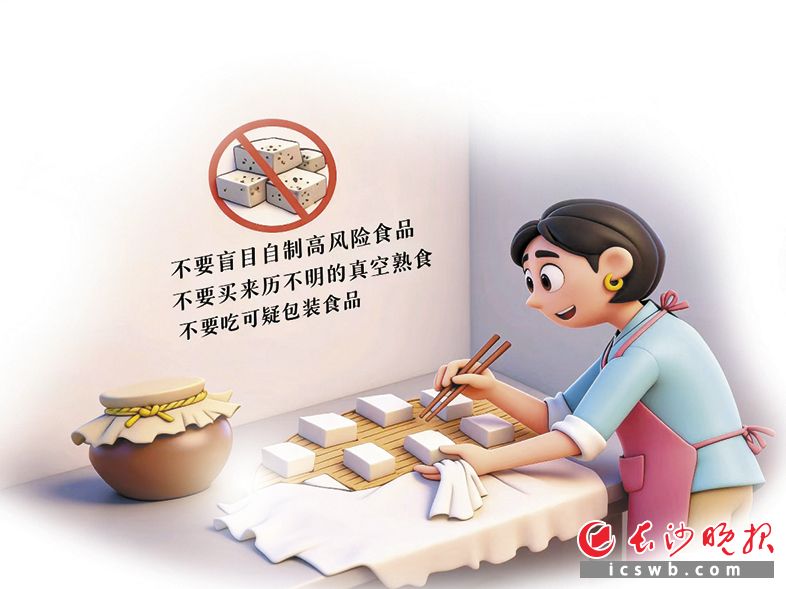
全网跟风自制霉豆腐?别忽视食品安全
Xin Lang Cai Jing· 2026-02-07 23:55
Core Viewpoint - The recent trend of homemade "moldy tofu" has gained popularity on social media, but it poses significant health risks due to potential bacterial contamination, particularly from botulinum toxin [1][3][7]. Group 1: Health Risks of Homemade Moldy Tofu - Homemade "moldy tofu" can lead to bacterial infections if not prepared under strict conditions, including temperature, humidity, and the use of appropriate fermentation agents [3][4]. - Improper handling can introduce harmful bacteria such as E. coli, Salmonella, and Clostridium botulinum, which can cause severe food poisoning symptoms [3][6]. - Botulinum toxin, produced by Clostridium botulinum, is one of the most potent toxins known, with a lethal dose as low as 1 microgram [3][6]. Group 2: Symptoms and Diagnosis of Botulinum Toxin Poisoning - Symptoms of botulinum toxin poisoning may include difficulty swallowing, muscle weakness, and respiratory issues, typically appearing 12 to 72 hours after consuming contaminated food [8]. - A case study highlighted a patient who experienced severe symptoms after consuming homemade sausage, leading to a diagnosis of botulinum toxin poisoning [6][8]. Group 3: Prevention and Safety Measures - To prevent botulinum toxin poisoning, individuals should avoid making high-risk fermented foods at home and ensure cleanliness in preparation [9][10]. - It is crucial to purchase vacuum-packed foods from reputable sources and to check for any signs of spoilage before consumption [9][10]. - In case of suspected poisoning, immediate medical attention is necessary, and retaining samples of the suspicious food can aid in diagnosis [10][11].

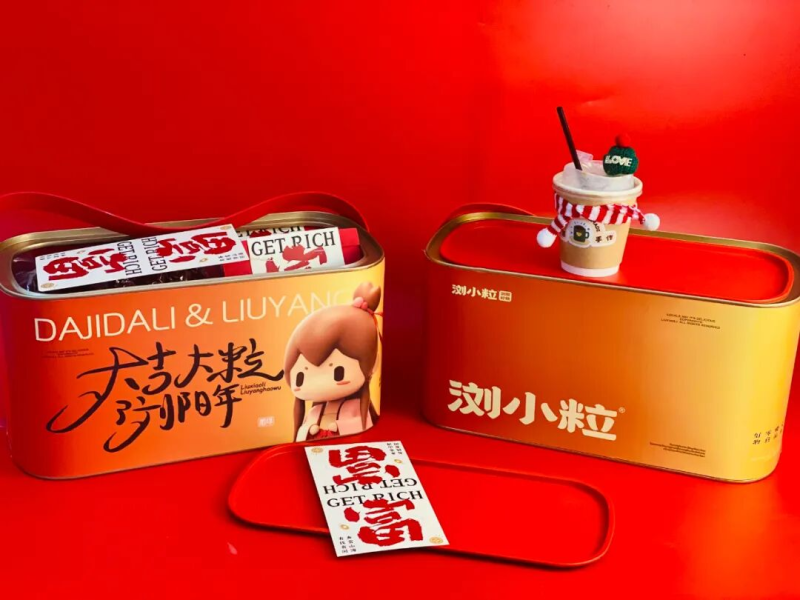
下周来红星,品尝记忆里的浏阳味道丨“工”筑精品 惠享万家
Xin Lang Cai Jing· 2026-01-10 17:26
Group 1 - The event "Shared Plan" will take place from January 16 to 18 at the Changsha Hongxing International Convention and Exhibition Center, showcasing local products and brands from Liuyang [1] - The "Jinyang Goodies" exhibition area will feature well-known local brands and products, highlighting the craftsmanship of "Liuyang manufacturing" [1][9] - The event aims to present the rich culinary culture of Liuyang, emphasizing local flavors and traditional food items [2] Group 2 - Local companies such as Hunan Daowushan Food Co., Ltd. and Hunan Dewang Agricultural Technology Development Co., Ltd. will present traditional dishes that evoke nostalgia and local flavors [2] - Hunan Xianola Agricultural Development Co., Ltd. and Hunan Xiangnuo Food Co., Ltd. will showcase unique local products like pickled vegetables and smoked bamboo shoots, which are integral to local cuisine [2] - The event will also feature innovative food solutions, including pre-packaged meals from Hunan Xincongchu Food Co., Ltd., making it easier for families to prepare festive meals [5] Group 3 - The Liuyang food industry is providing new solutions for traditional cooking, allowing for easier meal preparation with high-quality pre-cooked dishes [5] - Local beverage companies like Hunan Aosili Food Technology Co., Ltd. will offer refreshing drinks to complement the festive meals [7] - The "Jinyang Goodies" platform aims to enhance the brand image of Liuyang manufacturing by ensuring quality and traceability for over 20 local enterprises [9]
这样的真空包装食物可能存在卫生隐患,中疾控提示
Ren Min Wang· 2025-10-10 01:21
Core Viewpoint - The article highlights the potential health risks associated with ready-to-eat chicken products, particularly the presence of botulinum toxin, which can arise from improper production and transportation processes [1][5]. Group 1: Source of Toxin - Botulinum toxin is produced by Clostridium botulinum, a bacterium commonly found in nature, which can become dangerous in anaerobic environments [2]. - The A type of botulinum toxin is particularly potent but can be destroyed by heating above 80°C for 30 minutes [2]. - The bacterium thrives in temperatures between 18°C and 30°C and can be inhibited by low pH or extreme temperatures [2]. Group 2: Routes of Poisoning - Foodborne ingestion is a primary route for botulinum toxin poisoning, requiring specific conditions for the bacteria to thrive [4]. - Infants are at risk due to their underdeveloped gut flora, which can allow the bacteria to proliferate if they consume contaminated foods like honey [6]. - Improper use of botulinum toxin in cosmetic procedures can also lead to poisoning if the source is unverified or the procedure is mishandled [7]. - Rarely, the toxin can enter the body through deep wounds contaminated with the bacteria [8]. Group 3: Symptoms of Poisoning - Symptoms typically appear within 1-4 days, with a shorter incubation period indicating more severe illness [10]. - Initial symptoms may include fatigue, dizziness, and gastrointestinal distress, which can be mistaken for common ailments [10]. - As the toxin spreads, neurological symptoms emerge, including blurred vision, difficulty swallowing, and respiratory distress, which can lead to life-threatening situations [10]. Group 4: Prevention Measures - Consumers are advised to choose reputable brands for canned and ready-to-eat products and to check packaging integrity [11]. - Home fermentation and canning should involve thorough sterilization to prevent toxin production [11]. - Infants should not be given honey, and vulnerable populations should avoid unsterilized homemade fermented foods [11]. - For cosmetic procedures involving botulinum toxin, it is crucial to select licensed medical facilities [12]. - Proper wound care is essential to prevent bacterial contamination and subsequent toxin production [13].
湖南省湘乡市市场监督管理局食品监督抽检信息通告(2025年8月第2期)
Zhong Guo Zhi Liang Xin Wen Wang· 2025-08-22 07:38
Summary of Key Points Core Viewpoint - The Xiangxiang Market Supervision Administration announced that all 66 batches of food products sampled in the recent food safety supervision inspection met national food safety standards, indicating a positive trend in food safety compliance in the region [2]. Group 1: Food Safety Compliance - A total of 66 batches of food products were tested, and all were found to comply with national food safety standards [2]. - The announcement was made by the Xiangxiang Market Supervision Administration on August 15, 2025 [2]. Group 2: Sampled Products - The sampled products included various categories such as egg products, dairy products, edible agricultural products, and processed foods [2][3]. - Specific products sampled included flavored yogurt, preserved eggs, and various fruits like grapes and dragon fruit [2][3]. Group 3: Production and Distribution - The products were sourced from multiple producers across different provinces, including Jiangsu and Fujian, and were sold in local stores in Xiangxiang [2][3]. - Notable producers included Gaoyou Sanhu Egg Products Co., Ltd. and Taizhou Weigang Dairy Co., Ltd. [2][3].
“热伤风”吃什么好得快?中医教你这样调理
Ren Min Wang· 2025-08-05 02:11
Core Viewpoint - The article discusses the concept of "heat cold" (热伤风) in traditional Chinese medicine, emphasizing its causes, symptoms, and recommended dietary adjustments during the summer season to prevent and treat this condition [1][3]. Group 1: Causes and Symptoms - "Heat cold" is classified as a type of summer damp cold caused by the invasion of summer heat and humidity into the body [1]. - Symptoms include body aches, chest fullness, loss of appetite, diarrhea, and prolonged low fever [5][4]. Group 2: Dietary Recommendations - It is advised to avoid excessive consumption of cold drinks and greasy foods, as they can aggravate internal dampness and stimulate gastrointestinal discomfort [6][7]. - Recommended foods include green leafy vegetables and fruits high in vitamin C, while maintaining a light and easily digestible diet [7][8]. Group 3: Environmental Considerations - It is suggested to keep indoor and outdoor temperature differences within 8 to 10 degrees Celsius, with air conditioning set around 26 degrees Celsius [8]. - After exercise, it is important to hydrate with warm water and avoid direct exposure to cold air [8].

寻找杭州的酱园弄
Hang Zhou Ri Bao· 2025-07-01 03:03
Core Viewpoint - The article discusses the historical significance of "酱园弄" (Jiangyuan Alley) in Hangzhou, highlighting its connection to the famous writer Lu Xun and the cultural importance of traditional sauce shops in the region [13][14][17]. Group A: Historical Significance - Jiangyuan Alley in Hangzhou was historically significant as it was where Lu Xun temporarily resided during his teaching years in 1909 [14][18]. - The only remaining building associated with Jiangyuan Alley is located at No. 12, which now serves as the South Song Coin Museum [15][18]. - The original name of the building was the Huzhou Guild Hall, built by Huzhou merchants for community gatherings [16]. Group B: Traditional Sauce Shops - Historically, Hangzhou had a vibrant culture of sauce shops, with 322 shops recorded before the war [19]. - These shops not only sold soy sauce but also pickled vegetables, which were essential for food preservation before refrigeration [19]. - Notable sauce shops included "惟和" and "恒泰," which have left a lasting legacy in the local culinary scene [20]. Group C: Cultural Legacy - The tradition of purchasing pickled vegetables continues, with places like 景阳观 (Jingyangguan) still attracting long lines of customers [22]. - Elderly residents recall fond memories of visiting sauce shops, emphasizing the cultural significance of these establishments in their daily lives [22].

16种食物自带胶原滤镜 吃出嘭嘭水光肌
Bei Jing Qing Nian Bao· 2025-06-30 22:46
Core Insights - The article emphasizes the importance of diet in maintaining skin health, highlighting that collagen is crucial for skin elasticity and smoothness. As people age, their natural collagen production declines due to various factors, including stress and poor diet [1] Food Sources of Collagen - Bone broth is rich in collagen, gelatin, and essential amino acids, promoting collagen production and skin health [2] - Fatty fish like salmon and tuna are excellent sources of omega-3 fatty acids and marine collagen, which enhance skin elasticity and hydration [3] - Eggs, while not containing collagen directly, are rich in proline and lysine, amino acids vital for collagen synthesis [4] - Citrus fruits are high in vitamin C, essential for stabilizing and generating collagen molecules [5] - Berries contain antioxidants and vitamin C, which are important for collagen production and skin protection [6] - Leafy greens are nutrient-dense and support collagen synthesis while protecting the skin from damage [7] - Nuts and seeds provide omega-3 fatty acids and zinc, crucial for collagen production and skin repair [8] - Garlic contains sulfur, which is necessary for collagen production and helps rebuild damaged collagen fibers [9] - Tomatoes are rich in lycopene, an antioxidant that protects the skin from UV damage and supports collagen synthesis [10] - Avocados provide healthy fats and vitamins E and C, essential for collagen production and skin health [11] - Soy products are excellent sources of plant protein and isoflavones, supporting collagen production and improving skin elasticity [12] - Kiwi has a high vitamin C content, aiding in collagen formation and providing antioxidants for skin health [13] - Pumpkin seeds are rich in beta-carotene, vitamin C, and zinc, all important for collagen synthesis and skin repair [14] - Cashews are high in copper, which is vital for collagen connection and maintaining skin elasticity [15] - Colorful bell peppers are rich in vitamin C and antioxidants, helping to reduce inflammation and protect the skin [16] - Mushrooms, especially sun-exposed varieties, are a rare plant source of vitamin D, crucial for collagen integrity [17]
小满吃的什么“苦”?
Bei Jing Ri Bao Ke Hu Duan· 2025-05-21 13:00
Core Points - The article discusses the significance of wild vegetables in Chinese culture, particularly during the "Xiao Man" festival, which emphasizes the consumption of bitter vegetables [2][3] - It highlights the historical context of wild vegetable consumption, referencing classical texts and the evolution of the understanding of "bitter vegetables" [2][11] - The article also explores the various interpretations and uses of bitter vegetables in ancient literature, including their role in rituals and culinary practices [7][10][21] Group 1 - The term "bitter vegetable" has been consistently associated with "Ku Cai" (苦菜), particularly in the context of historical texts and folk traditions [2][11] - The article references the "Wild Vegetable Manual" by Wang Pan, which documents various wild vegetables and their uses, indicating a long-standing cultural appreciation for these plants [2][10] - The consumption of bitter vegetables is linked to traditional beliefs, such as the idea that eating them during "Xiao Man" can lead to good fortune in the following year [22] Group 2 - The article mentions the historical significance of wild vegetable gathering as a ritualistic practice, often associated with offerings to deities and ancestors [7][8] - It discusses the various types of bitter vegetables mentioned in classical literature, including their names and characteristics, which reflect the diversity of wild plants in Chinese cuisine [10][12] - The cultural narrative around bitter vegetables also includes anecdotes and poetry from historical figures, illustrating their importance in both culinary and literary contexts [19][21]

南农晨读 | 阳江海鲜 巴适得板
Nan Fang Nong Cun Bao· 2025-04-30 03:04
Group 1 - The article highlights a promotional event in Chengdu, Sichuan, showcasing seafood products from Yangjiang, including local specialties like oysters, lychees, and crabs, aimed at attracting consumers from Sichuan [3][12][18] - The event emphasizes the combination of fresh seafood from the South China Sea with the spicy flavors of Sichuan cuisine, appealing to local taste preferences [3][12] - The initiative is part of a broader strategy to promote regional agricultural products and enhance brand recognition for Yangjiang's seafood [3][12][18] Group 2 - The article discusses the impact of global trade protectionism on Guangdong's foreign trade, highlighting the challenges faced by local enterprises [28][29] - It mentions the use of e-commerce platforms to create a new dual circulation model for trade, enabling Guangdong to adapt and innovate in response to international market uncertainties [30][31] - The "Foreign Trade Quality Products China Tour - Guangdong Guangzhou Tour" event is noted as a significant opportunity for supply-demand matching and observing the transformation strategy of Guangdong's foreign trade [30][31][32]
