
辅助驾驶芯片

Search documents
全球产业格局变在哪里?
Sou Hu Cai Jing· 2026-02-26 10:48
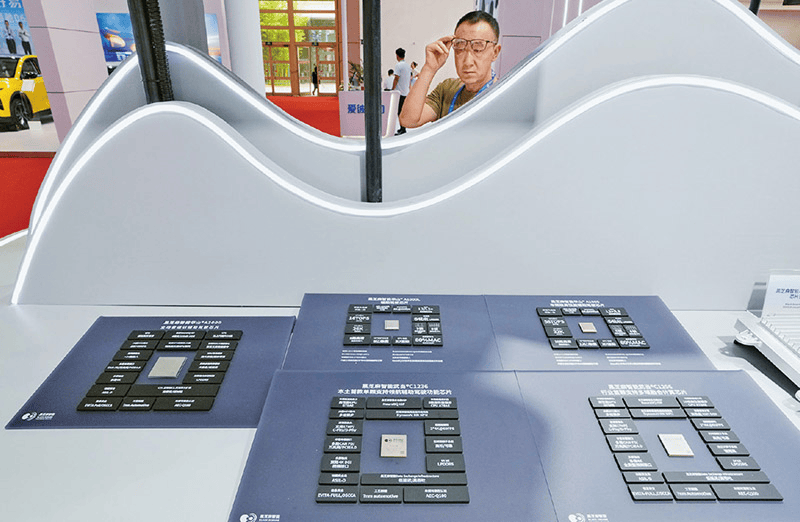
来源:求是网 百年变局加速演进,世界经济版图深度调整,全球产业格局正经历一场系统性重构。这一进程中,以美国为代表 推行的单边主义与保护主义政策加剧了全球经贸体系的不确定性,迫使许多国家重新审视并调整其产业布局,纷 纷推动产业本土化以规避外部风险,特别是主要经济体之间围绕半导体、人工智能等新兴产业的战略性竞赛日趋 白热化。深入剖析当前全球产业格局重构的核心特征、深层动因,进而制定精准有效的应对策略,对于我国统筹 发展和安全、实现产业高质量发展具有重大战略意义。 2025年7月16日至20日,第三届中国国际供应链促进博览会在北京举行,30余家中外企业和机构在智能汽车链展区 集中展示产业链上中下游的关键技术和产品。图为7月19日,参观者在观看展出的辅助驾驶芯片产品。 新华社记 者 鞠焕宗/摄 当前产业格局重构,绝非局部环节的调整,而是涵盖空间布局、价值结构、技术迭代、组织模式的多维度变革, 其本质是对经济全球化分工的调整,呈现出四大鲜明特征。 空间之变:从全球一体化到区域化与"1+N"多点布局。传统"哪里成本低就布局哪里"的全球化生产网络,在日益 凸显的地缘政治冲突与突发性供应链中断风险面前,其脆弱性暴露无遗。一些 ...

怎么看全球产业格局之变
Sou Hu Cai Jing· 2026-02-16 03:16
Core Insights - The global industrial landscape is undergoing a systematic restructuring driven by unilateralism and protectionism, particularly from the U.S., leading countries to reassess and localize their industrial strategies to mitigate external risks [2][3]. Group 1: Characteristics of Industrial Restructuring - The restructuring is characterized by a shift from global integration to regionalization and a "1+N" multi-point layout, as countries seek to diversify production bases to enhance supply chain resilience. For instance, China's share of U.S. imports decreased from 21.6% in 2017 to 13.4% in 2024, while Mexico and Vietnam saw increases [3]. - The industrial value creation is transitioning from traditional manufacturing to service-oriented and green industries, with high-value services becoming integral to the industrial value chain. China's exports of new energy vehicles, lithium batteries, and photovoltaic products surged from 284.4 billion yuan in 2020 to 1.28 trillion yuan by 2025, a 3.5-fold increase [4]. - The technological innovation landscape is shifting from a unipolar to a multipolar model, with the U.S. leading in AI and high-end semiconductors, while the EU excels in green technology. This has led to a complex competitive environment where countries must invest heavily in independent R&D due to increasing technological barriers [7][12]. Group 2: Organizational and Regulatory Changes - The role of state intervention in industrial organization is becoming more pronounced, with countries employing strategic policies to influence industrial layouts. The U.S. and EU are using subsidies and regulations to shape their industrial ecosystems, leading to a competitive model centered around "chain master" enterprises [8][13]. - The weakening of traditional multilateral frameworks like the WTO is giving rise to a proliferation of regional trade agreements, which often include specific provisions for critical sectors like semiconductors and renewable energy, embedding values and standards into trade rules [8][13]. Group 3: Implications for China - To adapt to these profound changes, China must enhance its resilience and competitiveness by establishing itself as an indispensable hub in the global supply chain, leveraging its vast domestic market to attract high-end production factors [14]. - The focus should be on developing new productive forces and optimizing industrial structures, particularly by integrating productive services into the entire value chain to increase added value and expanding green exports [14][15]. - Strengthening technological advantages through foundational and original innovations is crucial, particularly in key areas like chip design, to overcome technological barriers and establish leadership in international standards [15][16].
11月26日热门路演速递 | AI革命、10亿机器人、量化择时……理想汽车千亿现金如何布局未来?
Wind万得· 2025-11-25 22:40
Group 1 - The core focus of the China Galaxy Securities annual strategy conference is the transition to new productive forces, with artificial intelligence expected to be a key driver in 2026 [2] - The conference will feature macroeconomic scholars and industry experts discussing investment themes, particularly in AI, new energy, and quantum technology [2] - The event aims to unlock wealth opportunities for the start of the 14th Five-Year Plan [2] Group 2 - The CICC Quantitative and ESG team will provide authoritative insights into the 2026 quantitative strategy outlook, focusing on timing signals and practical applications of options volatility [5] - The session will share cutting-edge quantitative timing models to help accurately gauge market rhythms [5] Group 3 - UBS's outlook for 2026 discusses the potential reality of humanoid robots once technical and regulatory barriers are removed, highlighting the implications for the industry and what investors need to know [7] - The session will feature insights from UBS's research leaders in Taiwan and China [7] Group 4 - The CITIC Construction Investment report will explore how the electric new energy, military industry, and building materials sectors will evolve in the new cycle leading into 2026 [10] - It will discuss the impact of global energy storage growth and the AI electricity revolution on the electric new energy sector, as well as military trade and digital transformation in the building materials industry [10] Group 5 - Li Auto's Q3 2025 earnings call will address challenges related to slower responses compared to competitors and the potential of the i6 electric model to set new standards in the mid-to-large 5-seat SUV market [12] - The discussion will also cover the self-developed VLA large model and driver assistance chip's role in enhancing product capabilities, alongside the company's cash reserves supporting its technology breakthroughs and international expansion strategy [12]

华为拿下激光雷达供应商装机量第一
是说芯语· 2025-10-23 02:07
Core Insights - The Chinese lidar market is showing significant head concentration, with Huawei and Hesai Technology together holding a market share of 73.9%, an increase of 8.7 percentage points from 65.2% in the first five months of the year, solidifying a "dual oligopoly" structure [1][6]. Group 1: Company Performance - Huawei ranks first with an installation volume of 643,800 units, achieving a market share of 41.1%. Its lidar is a core component of its smart automotive solutions, primarily supplied to the Hongmeng Intelligent Driving ecosystem and HI model partners, covering brands like AITO, Zhiji, and others [5]. - As of August, Huawei's QianKun lidar cumulative shipments exceeded 1 million units, with its intelligent driving system supporting 22 different models, including those capable of L3 level autonomous driving [5]. - Hesai Technology ranks second with an installation volume of 514,200 units and a market share of 32.8%. The company has established competitive barriers through self-developed chips and scaled production, becoming the first lidar manufacturer globally to exceed an annual production of 1 million units [6]. Group 2: Market Dynamics - The remaining market positions are relatively fragmented, with Suteng Juchuang holding a 19.5% market share and Tudatong at 6.7%, while other manufacturers collectively account for less than 1% [6]. - The overall market for lidar in China is expected to exceed 5 billion yuan by 2025 and grow to over 20 billion yuan by 2030, with a compound annual growth rate of 18.5%. The autonomous driving sector is projected to account for 45% of this market by 2030 [6]. - Analysts indicate that the differences in technological paths among leading companies are key drivers of the increasing concentration, with Huawei leveraging ecosystem integration and Hesai focusing on chip development and capacity expansion [6][7].


多股涨停!创新药 又爆了
Shang Hai Zheng Quan Bao· 2025-10-15 05:01
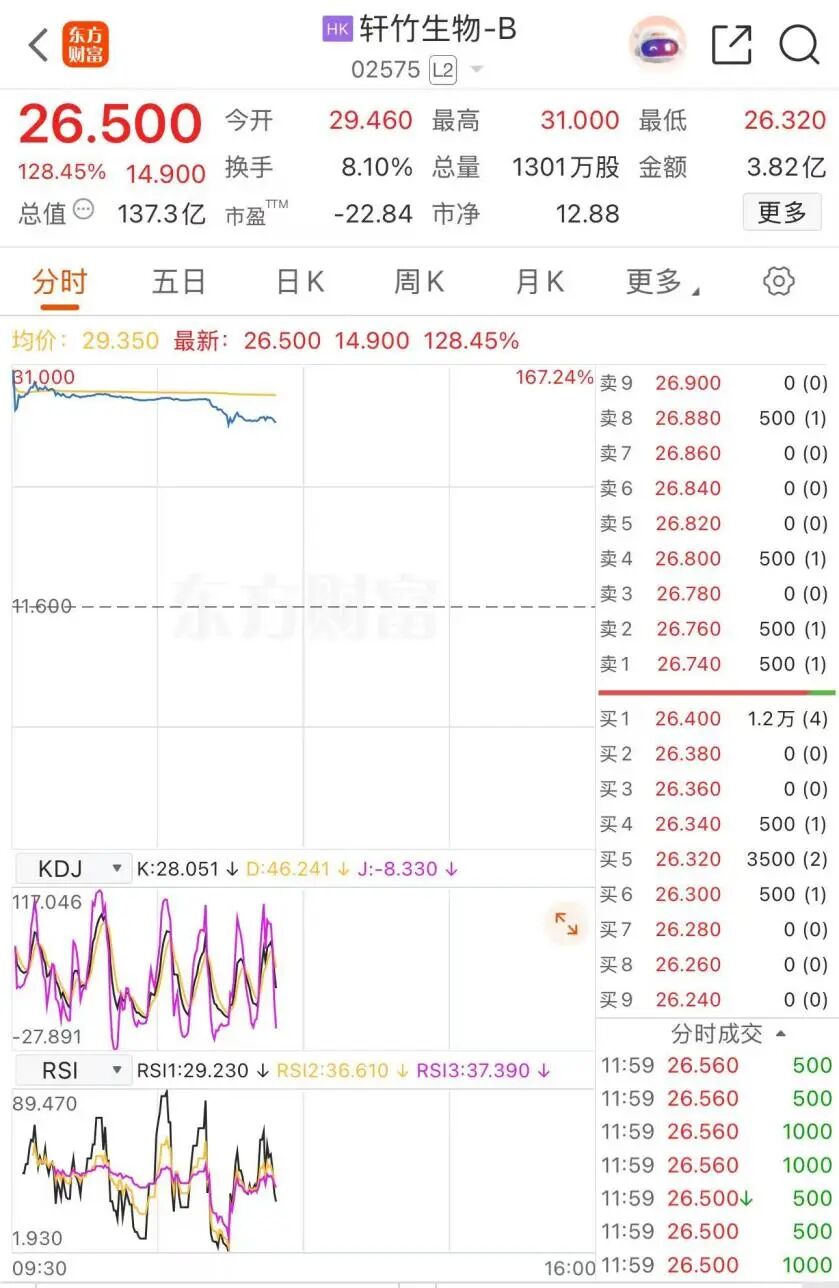
Market Overview - On October 15, A-shares saw a slight increase with the Shanghai Composite Index up by 0.1%, Shenzhen Component unchanged, and ChiNext Index up by 0.22%. The total trading volume in the Shanghai and Shenzhen markets was 1.2805 trillion yuan, a decrease of 401 billion yuan from the previous day [1] - Over 3,200 stocks in the market experienced gains, with significant rebounds in innovative drug stocks and consumer sectors [1] Innovative Drug Sector - The innovative drug sector showed strong performance, with Guangsheng Tang hitting the daily limit up by 20%, and other companies like APT Pharma and Anglikang also reaching the limit up [3] - APT Pharma announced a share transfer agreement involving 14.61% of its shares at a price of 8.26 yuan per share, totaling 900 million yuan, changing its controlling shareholder [3] - The European Society for Medical Oncology (ESMO) annual meeting is set to take place from October 17 to 21 in Berlin, which is expected to showcase significant clinical research results and may lead to new business development (BD) opportunities for Chinese pharmaceutical companies [3][4] Automotive Sector - The automotive sector saw a notable rise, with companies like Hai Ma Auto and others hitting the daily limit up [5][6] - The China Association of Automobile Manufacturers reported that the production and sales of new energy vehicles exceeded 11 million units in the first three quarters, with a year-on-year growth of over 30% [6] New Listings and Performance - Xuan Zhu Bio-B debuted on the Hong Kong Stock Exchange, opening at 29.46 HKD, a 153.97% increase from its issue price, with a market capitalization exceeding 15 billion HKD [10] - The company has a robust pipeline with over ten drug assets under development, focusing on digestive diseases, tumors, and non-alcoholic fatty liver disease [10][11] Consumer Sector - Mixue Group's stock rose nearly 8%, with a total market value approaching 170 billion HKD. The company has seen an 18% increase since October 8 [16] - The company reported a revenue of 14.87 billion yuan for the first half of 2025, a year-on-year increase of 39.3% [16] - Mixue Group is expanding its product line to include fresh beer, which is expected to enhance its market presence [17] Technology Sector - Black Sesame Intelligence saw its stock rise over 10%, with a market capitalization nearing 15 billion HKD. The company reported a 40.4% year-on-year increase in revenue for the first half of the year [19][21] - The company is collaborating with leading automotive brands to enhance its advanced driver-assistance systems, which are becoming crucial in consumer purchasing decisions [21]
传Momenta将回港IPO,官方回应:尚未作出任何最终决定
Ju Chao Zi Xun· 2025-10-09 09:19
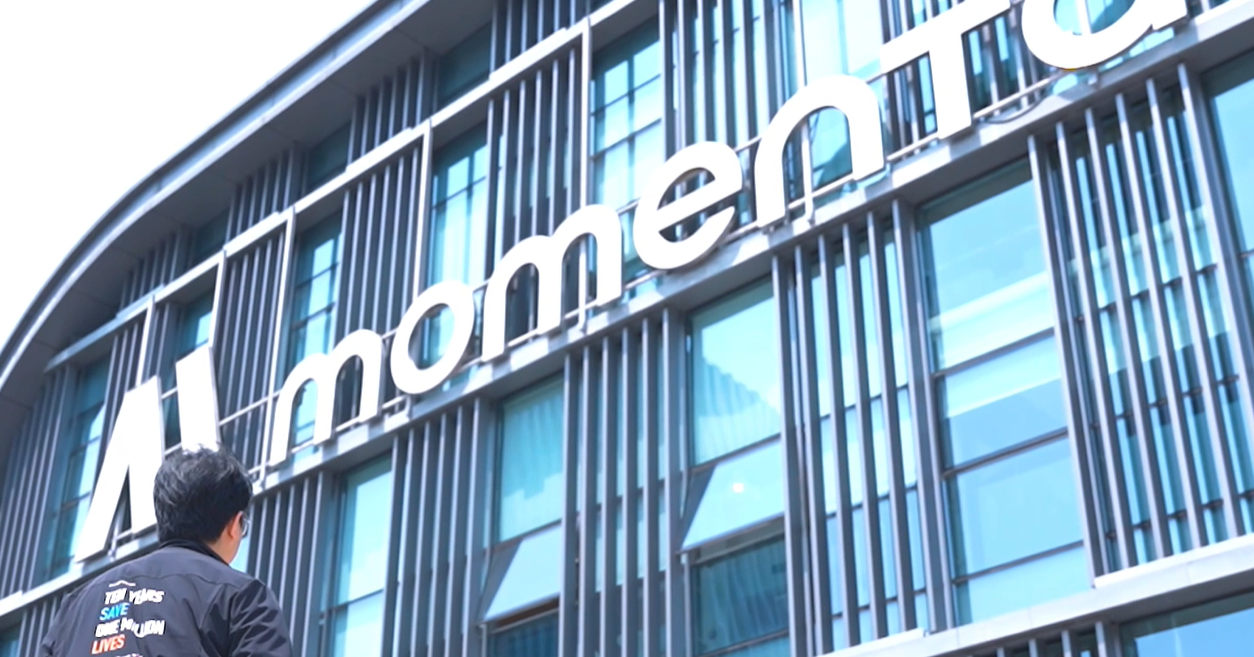
Group 1 - Momenta is considering changing its IPO location from New York to Hong Kong due to ongoing tensions in US-China trade relations and threats from US lawmakers regarding the delisting of Chinese companies from US exchanges [2] - The regulatory approval for Momenta's US IPO, obtained in mid-2024, has expired as of June this year, which may have influenced the decision to consider a different listing location [2] - Momenta has not made any final decisions regarding its IPO plans, including the listing location, timing, fundraising scale, and valuation [2] Group 2 - Momenta is recognized as a leading supplier of advanced driver-assistance systems in China, with technology comparable to Tesla's autonomous driving technology [3] - The company has achieved a significant breakthrough with its self-developed driver assistance chip, which has been tested in vehicles and is competitive with industry-leading chips from Nvidia and Qualcomm [3] - As of April this year, Momenta has partnered with over 130 vehicle models and various automotive brands, including Nissan, BMW, and Volkswagen, and is also collaborating with major investors like Tencent and Toyota [3]
汽车行业专题报告:辅助驾驶的AI进化论:站在能力代际跃升的历史转折点
Guohai Securities· 2025-07-22 11:26
Investment Rating - The report maintains a "Recommended" rating for the autonomous driving industry [1] Core Insights - The autonomous driving industry is at a pivotal point of capability evolution, with advancements in AI and high-performance computing driving the development of autonomous driving solutions [5][8] - The report identifies that the differentiation in autonomous driving capabilities among automakers is diminishing as the industry matures, leading to a focus on safety features and user experience [5][8] Summary by Sections 1. Industry Overview - The report outlines the current state of the autonomous driving industry, highlighting the convergence of technology paths and the need for enhanced safety features as the industry transitions to higher levels of automation [5][6] 2. Corporate Strategy and Organization - Companies are adjusting their organizational structures and research focuses to improve R&D efficiency and commercialization pace, with a notable shift towards AI applications [6][52] - The report emphasizes the importance of maintaining product strength and long-term operational capabilities in a price-sensitive competitive landscape [6][52] 3. Technical Capabilities - **Sensors**: The report discusses the parallel development of multiple sensing solutions, including LiDAR, cameras, and radar, to meet safety and reliability requirements [7] - **Computing Power**: It highlights the establishment of cloud-based computing centers for model training and algorithm iteration, with Tesla leading at over 75 Eflops and some Chinese automakers achieving around 10 Eflops [7] - **Vehicle-Cloud Models**: The report notes a shift from rule-based to data-driven models, enhancing decision-making capabilities through the integration of multimodal data [7] 4. Consumer Perception - The report indicates that autonomous driving products are becoming increasingly recognized by consumers, with features such as parking assistance and safety enhancements being continuously optimized [7][49] 5. Investment Recommendations - The report suggests focusing on automakers making significant advancements in R&D and functional deployment, including Tesla, Xpeng, Li Auto, NIO, and Xiaomi, as well as leading third-party solution providers like Momenta and Horizon Robotics [8][50]


