量化系统

Search documents
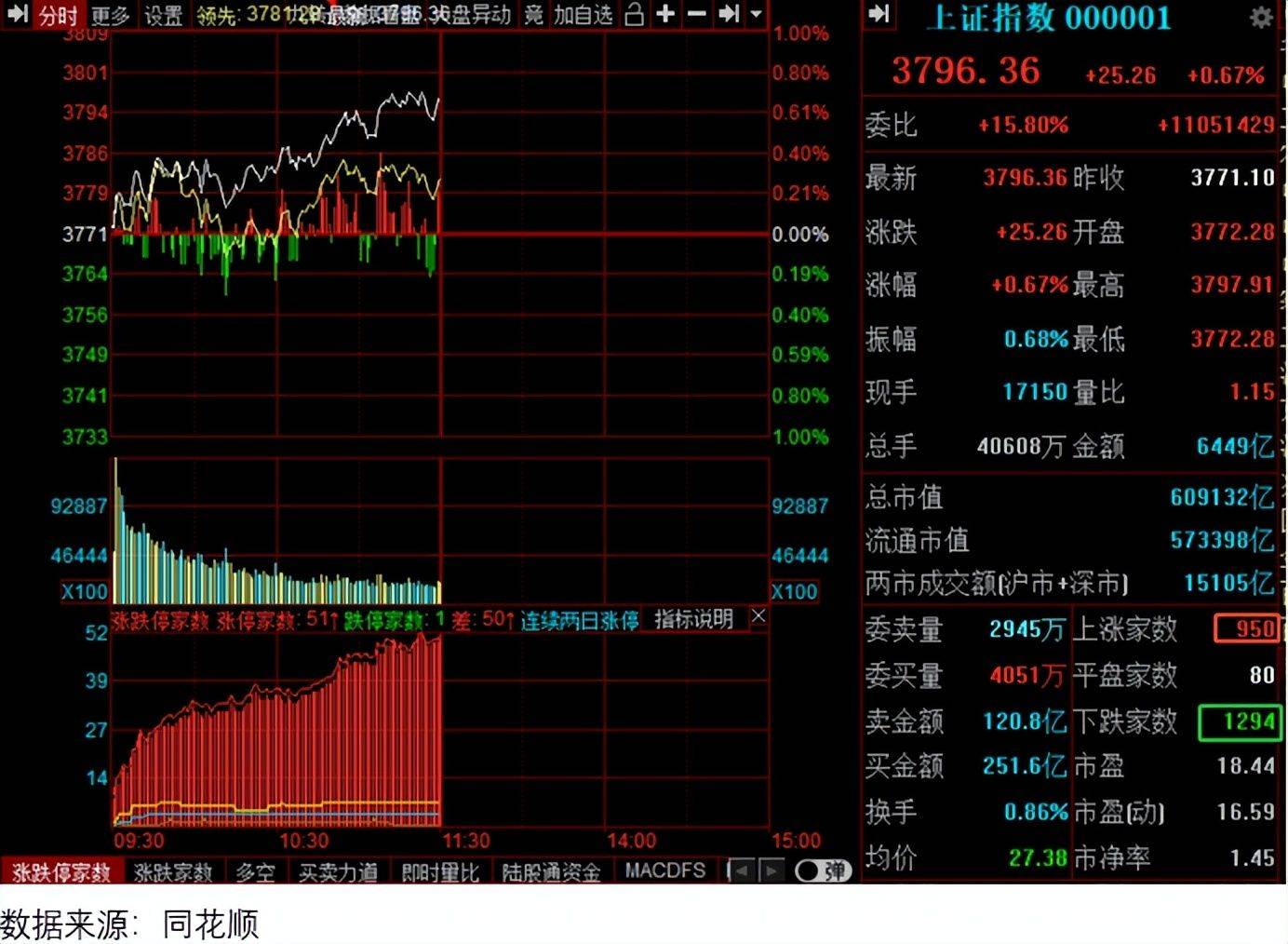
上市首日振幅30%,量化系统提前三天预警
Sou Hu Cai Jing· 2025-12-12 13:07
Group 1 - The core viewpoint of the article highlights the potential pitfalls for retail investors in the context of the IPO of Xidi Zhijia, emphasizing the disparity between impressive revenue growth and significant net losses [1][3] - Xidi Zhijia's IPO showcases a textbook example of capital operation, with notable institutional backing from investors like Sequoia and Baidu, indicating a strong institutional support model [3][10] - The article draws parallels between the current market conditions and past IPOs, warning that retail investors may be drawn to the hype without recognizing underlying risks, as seen in the case of NIO [3][4] Group 2 - The article discusses the "bull market adjustment" phenomenon, where the Hang Seng Tech Index experiences significant fluctuations while institutions continue to buy on dips, suggesting a complex market dynamic [4][10] - It notes that despite Xidi Zhijia's overall losses, projections for revenue in the first half of 2024 are nearly equal to the total revenue for 2023, indicating potential turning points hidden in financial reports [7][10] - The article emphasizes that true stock price trends are driven by capital behavior rather than technical analysis, advocating for a quantitative approach to understanding market movements [8][10] Group 3 - Xidi Zhijia's market share in the autonomous mining truck sector is reported at 16.8%, but the marginal efficiency improvement of only 104% raises concerns about potential "high open low walk" scenarios for institutional arbitrage [10][11] - The article draws a comparison between the operational needs of autonomous mining trucks and the necessity for continuous monitoring in quantitative trading, suggesting that investors should adopt similar vigilance [11][13] - It concludes with three key pieces of advice for investors: be wary of "scene limitations," understand the "mining efficiency" of capital, and establish a personal monitoring system for trading behaviors [13]

机构资金暗战:散户如何不当炮灰?
Sou Hu Cai Jing· 2025-12-11 02:41
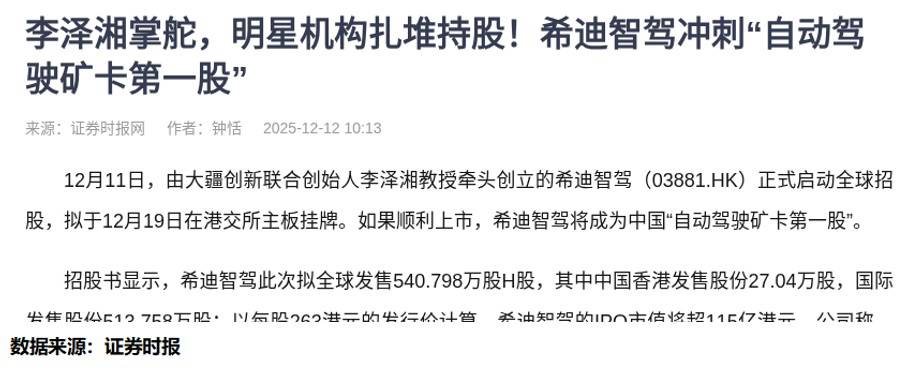
Group 1 - The core point of the article highlights the impressive growth of FOF funds, which have surpassed 186.9 billion, with several products doubling their returns, contrasting with the underperformance of over 60% of individual stocks against the market [1][3] - The article discusses the "Matthew Effect" in capital markets, where professional players benefit significantly while retail investors struggle to gain from market movements, often buying at peak points [3][5] - It emphasizes that the success of FOF products is attributed to their professional asset allocation capabilities, which allow them to capture institutional fund flows accurately, unlike ordinary investors who often make poor timing decisions [3][10] Group 2 - The article explains that market dynamics involve a constant "cat and mouse" game, where public funds are now primarily trading-oriented rather than strictly value-investing [5][10] - It points out that ordinary investors perceive volatility as risk, while institutions view it as an opportunity, highlighting a shift in fund structures due to external factors like a strong dollar affecting foreign capital inflow [5][9] - The article provides examples of poor investment decisions made by individuals who fail to track institutional fund movements, illustrating the importance of understanding market dynamics [7][9] Group 3 - The article suggests that the key to FOF success lies in establishing a scientific evaluation system, encouraging retail investors to rely on data rather than blindly following trends [10][11] - It concludes that the 186.9 billion FOF scale represents not just a profit effect but a strategic advantage of professional investors over retail investors, urging individuals to find their own perspective and tools for investment [10][11] - The article offers three key strategies for retail investors: recognizing genuine institutional behavior, distinguishing between allocation and trading funds, and identifying critical moments for short covering [11]
量化数据揭秘:为何总有人提前知道行情?
Sou Hu Cai Jing· 2025-12-08 11:13
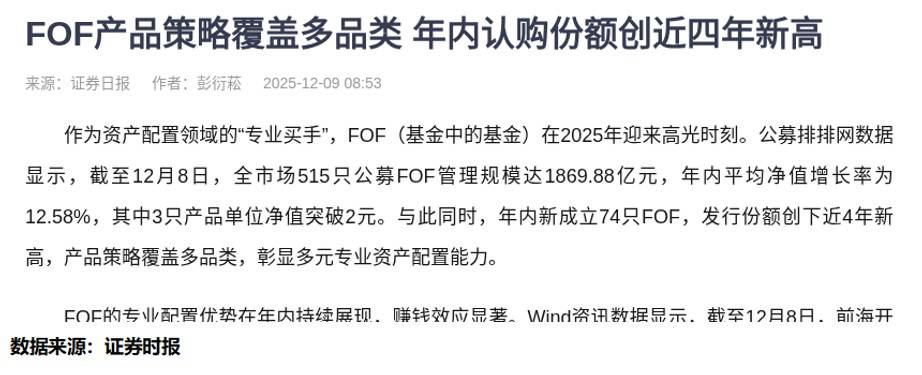
Core Insights - The article discusses the disconnect between the Federal Reserve's discussions on interest rate cuts and the actual market activities, particularly in the context of a $6.5 trillion balance sheet manipulation by the Fed [1] - It highlights how institutional investors, particularly hedge funds, are already positioning themselves in the oil futures market, indicating a proactive approach to market movements [3] - The article emphasizes the prevalence of algorithmic trading in the market, which accounts for 80% of trading volume, and how this impacts stock movements beyond traditional analysis [6][15] Group 1: Market Dynamics - The Federal Reserve's discussions on interest rate cuts are perceived as a facade while they manage a substantial balance sheet [1] - Institutional investors are leveraging quantitative models to anticipate market movements, as evidenced by their early positioning in oil futures [3] - The article critiques the reliance on traditional technical analysis in a market dominated by algorithmic trading, suggesting that understanding liquidity arbitrage is crucial [6][15] Group 2: Trading Behavior - The trading behavior of stocks is influenced by institutional inventory data, which reveals patterns that are not visible through conventional analysis [4][14] - The article illustrates that the market operates like a battlefield, where understanding the underlying dynamics is essential for success [14] - The mention of abnormal institutional inventory in treasury futures indicates a strategic approach to trading based on anticipated Federal Reserve actions [15]
8%大阴线后:创业板为何还能创新高?
Sou Hu Cai Jing· 2025-12-07 09:42
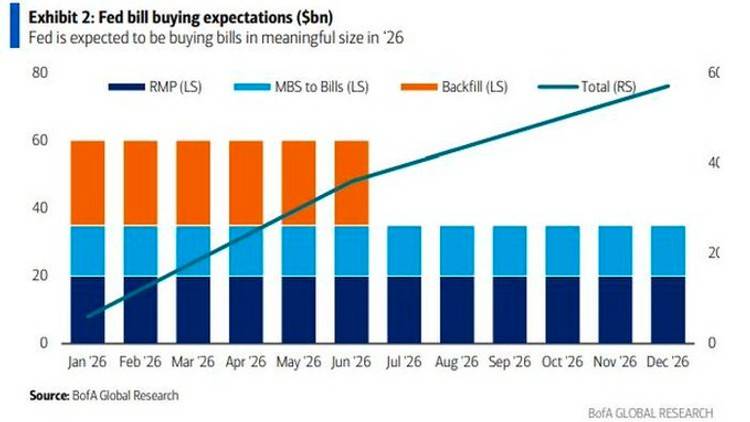
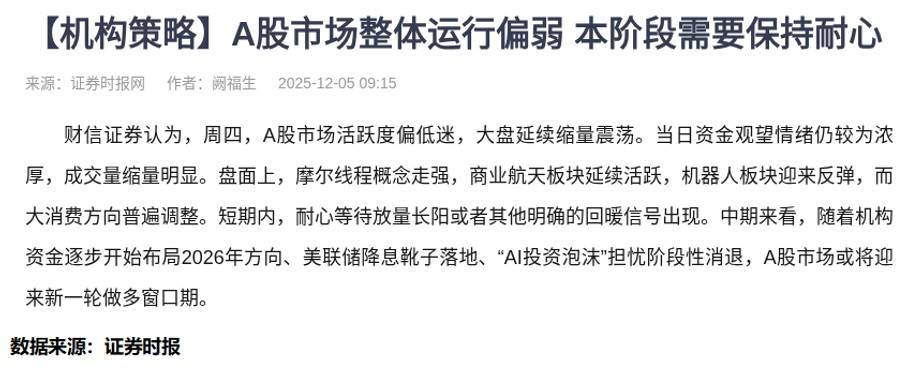
Core Insights - The A-share market is experiencing a split, with technology stocks performing well while consumer stocks are lagging behind [1] - Brokers remain optimistic, citing terms like "AI investment bubble deflation," "Federal Reserve interest rate cut expectations," and "institutional layout for 2026" [3] Market Dynamics - Despite being in a bull market, sudden drops of up to 8% can occur, reminiscent of past market behaviors in 2019 and 2020 [3] - Large funds may need to induce significant market corrections to acquire shares from retail investors, leading to varied outcomes for different investors [3] K-Line Analysis - A quantitative system can reveal the true intentions behind trading behaviors, distinguishing between institutional accumulation and retail buying [7][9] - The analysis shows that institutional buying leads to significant price increases, while retail buying often results in further declines [11] Liquidity Outlook - There are indications of potential foreign capital inflows in December, contingent on the Federal Reserve's actions [11] - Recent trends show a slight recovery in newly issued funds, suggesting an influx of real incremental capital [11] Recommendations for Investors - Investors should not rush into technology stocks solely based on surface-level excitement; the presence of institutional backing is crucial [12] - It is important to differentiate between "false dips" and "real declines" to make informed decisions [13] - Monitoring quantitative data can provide insights into the actual flow of funds in the market [14]

机构暗中布局三年,散户还在猜顶底
Sou Hu Cai Jing· 2025-11-26 06:40
Market Overview - The market appears to be thriving with major indices rising, particularly the ChiNext index which surged nearly 3% [1] - Over 2,800 stocks increased in value, with 66 stocks hitting the daily limit up [1] Market Dynamics - Despite the apparent market rally, only about 40% of stocks outperformed the index during a previous rally, indicating that many investors are lagging behind in relative returns [3] - The phrase "the most dangerous thing in a bull market is earning too little" highlights the risk of not accumulating enough gains before market corrections occur [3] Investment Strategies - Many investors mistakenly believe stock trading is merely about guessing price movements, often chasing trends without understanding institutional positioning [4] - Institutional investors have been quietly accumulating stocks since 2022, leading to significant price increases over three years, contrary to public sentiment [6] Market Signals - The market often misleads with K-line patterns and delayed news; however, monitoring fund flows provides a more accurate picture of market sentiment [8] - The presence of sustained institutional buying is crucial, as single-day surges may be driven by speculative trading rather than genuine interest [11] Survival Guidelines for Investors - Investors should disregard personal biases regarding stock valuations, as market movements are not influenced by individual opinions [9] - Continuous funding consensus is essential; significant price increases without ongoing capital inflow may not be sustainable [11] - Utilizing quantitative tools for analysis is recommended, as they provide objective insights into market conditions [11]

99元,就能买量化系统?
财联社· 2025-11-26 06:16
Core Viewpoint - The article discusses the rise of low-cost quantitative systems promoted by third-party advisory companies through live streaming, highlighting the potential risks and misleading nature of these products [2][9][11]. Group 1: Market Trends - A surge in the popularity of low-priced quantitative systems has been observed, with promotional strategies like "low-price lead generation" and "limited-time offers" being commonly employed [4][3]. - Live streaming sessions often attract large audiences, with some broadcasts reporting viewership exceeding 140,000 [3][7]. Group 2: Product Characteristics - These quantitative systems are marketed as tools that utilize AI algorithms to track market trends and main capital flows, but their actual functionality is often limited to stock recommendations without substantial analytical backing [9][10]. - The systems typically offer a simple purchasing process, emphasizing ease of use for novice investors, and often include promises of full refunds if the service does not meet expectations [7][9]. Group 3: Comparison with Traditional Tools - There is a significant distinction between these third-party quantitative systems and legitimate AI advisory tools provided by brokerage firms, which offer comprehensive investment support and personalized wealth management services [10]. - The third-party systems primarily focus on stock recommendations, lacking the depth and analytical rigor of professional tools, which are designed to assist investors throughout the entire investment process [10]. Group 4: Consumer Feedback and Risks - Many user testimonials in live streams appear to be fabricated or from accounts with no prior activity, raising concerns about the authenticity of positive feedback [11]. - Numerous investors have reported negative experiences with these systems, describing them as scams and expressing dissatisfaction with the lack of transparency regarding the underlying algorithms [11].

牛市三大陷阱正在吞噬散户
Sou Hu Cai Jing· 2025-11-12 17:12
Core Insights - The ongoing debate within the Federal Reserve, referred to as the "hawk-dove battle," is drawing significant attention on Wall Street, reflecting broader market sentiments and potential investment implications [1] - The recent market dynamics show a stark contrast between the rising Shanghai Composite Index and the quietness among retail investors, indicating a potential disconnect between market performance and investor sentiment [1] - The analysis highlights three major traps for investors: chasing popular stocks, the illusion of high-frequency trading, and the passive waiting trap, which can lead to missed opportunities and losses [2][1] Investment Traps - The first trap identified is the tendency to chase popular stocks, which can lead to significant performance discrepancies within the same sector, with differences reaching up to 300% [1] - The second trap is the misconception that daily small gains can lead to substantial annual returns, as evidenced by the fact that during a recent index rise, over 2,000 stocks still experienced declines [1] - The third trap is the passive waiting trap, where over 300 stocks declined despite the overall market rising from 3,000 to 4,000 points, illustrating the dangers of inaction [2] Institutional Behavior - The analysis of institutional inventory data reveals that despite active institutional participation, stock prices may remain suppressed, indicating potential underlying issues in market dynamics [6] - The case studies of specific stocks show that institutions are engaging in a "stealth game," where they accumulate positions without immediate price movements, suggesting a strategic approach to investing [14] Macro and Micro Insights - The divergence in opinions among Federal Reserve officials is reflected in specific funding flow patterns, which can provide early signals for market movements [14] - The emphasis is placed on the importance of data-driven decision-making over emotional responses, highlighting that the truth often lies within the data [14][15] Key Takeaways - Establishing a benchmark awareness is crucial, as failing to outperform the index is considered a loss [16] - Focusing on behavioral patterns rather than verbal statements from officials is essential, as actual fund flows are more indicative of market trends [16] - Continuous tracking of institutional footprints can provide valuable insights for investors, akin to a hunter tracking its prey [16]
寒武纪16亿融资狂欢:你看懂机构布局了吗?
Sou Hu Cai Jing· 2025-11-09 17:23
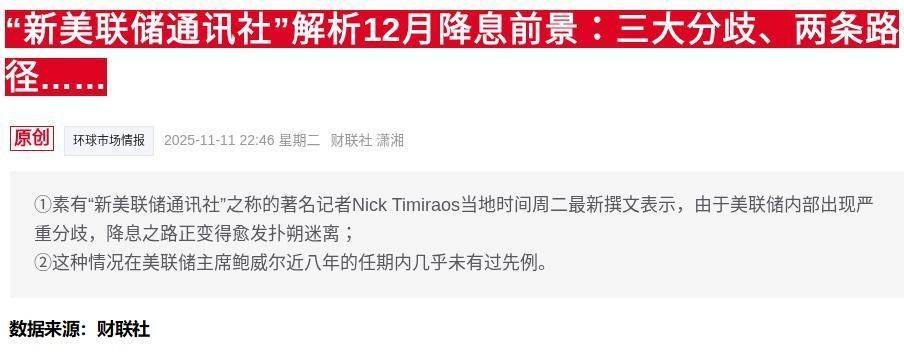
Core Insights - The electronic industry has seen a significant net inflow of 4.468 billion yuan, with Cambrian's financing amounting to 1.64 billion yuan, indicating a strong market sentiment [1] - Historical market trends suggest that retail investors often miss out on actual gains despite initial excitement, highlighting the importance of understanding market dynamics rather than merely holding stocks [3][5] - Institutional behavior is crucial in identifying investment opportunities, as large funds exhibit distinct characteristics such as continuity, scale, and repetitiveness [5][7] Industry Analysis - The data shows that while some stocks experience price rebounds, the lack of institutional activity can lead to poor performance, emphasizing the need to track institutional inventory levels [5] - The case of Jinling Sports illustrates how early institutional investment can lead to significant gains before widespread market awareness [7] - A quantitative approach to analyzing institutional behavior can provide more reliable insights than relying solely on emotional market reactions [7][8] Investment Strategy - Investors should focus on stocks with sustained institutional inventory and compare financing data with institutional actions to gauge market health [9] - It is advised to abandon the mindset of trying to time the market for bottom buying, as institutional accumulation is a gradual process [9] - Establishing a quantitative mindset can help investors navigate emotional market fluctuations and make more informed decisions [9]

18年经验:看懂这组数据少走十年弯路
Sou Hu Cai Jing· 2025-11-04 15:40
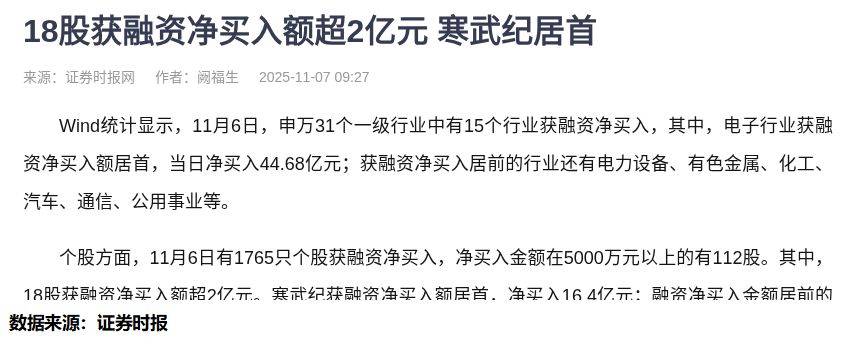
Core Insights - The recent Federal Reserve survey indicates a recovery in loan demand from U.S. businesses, yet bank credit remains tight, suggesting a complex economic landscape rather than a straightforward recovery [1] Group 1: Loan Demand Dynamics - Demand for loans from large and medium-sized enterprises has reached a three-year high, while small businesses show little change, reflecting a divergence similar to trends observed in the A-share market [2] - The report highlights that despite the recovery in loan demand, banks are maintaining a cautious stance, which may dampen the positive implications of the demand increase [2][4] Group 2: Market Behavior and Investment Strategies - The behavior of institutional investors remains active even during market downturns, indicating that underlying market dynamics may not align with surface-level indicators like loan demand [4][7] - The importance of data-driven analysis is emphasized, suggesting that market movements are influenced by a variety of factors rather than single narratives, reinforcing the need for a robust decision-making framework [7][8]
局部行情又来了,2个重点看不清后面吃大亏!
Sou Hu Cai Jing· 2025-08-22 08:11
Group 1 - The market is experiencing significant divergence, with the Shanghai Composite Index slightly up by 0.13% while the ChiNext Index down by 0.47%, indicating a mixed performance among individual stocks [2][4] - Certain sectors like agriculture, oil, and petrochemicals are leading the gains, while the technology sector is seeing an overall decline, highlighting the ongoing sector rotation [2][4] - The A-share market often reacts to news with a time lag, where positive news can coincide with peak stock prices, contrasting with foreign markets that trade based on known information [4][10] Group 2 - Historical data suggests that the white liquor sector faced a crisis in May 2025, with a significant drop of over 6% in 20 trading days following a liquor restriction announcement, indicating that market warnings were present before the event [5][9] - The "institutional inventory" data shows that institutional investors had already exited before the downturn, suggesting that the decline was not unexpected but rather a predictable outcome [9][12] - The case of Nuotai Biotech, which saw a 25% increase after being designated as ST (special treatment), illustrates that institutional trading patterns can lead to unexpected stock performance, where negative news can serve as a tool for market manipulation [10][12] Group 3 - The analysis of market trends reveals that sectors experiencing gains are often backed by prior institutional investments, while those declining show low institutional inventory, indicating a lack of sustained interest from institutional investors [12][14] - The importance of observing real-time capital flows and utilizing quantitative tools is emphasized for investors to navigate the current market effectively [14]