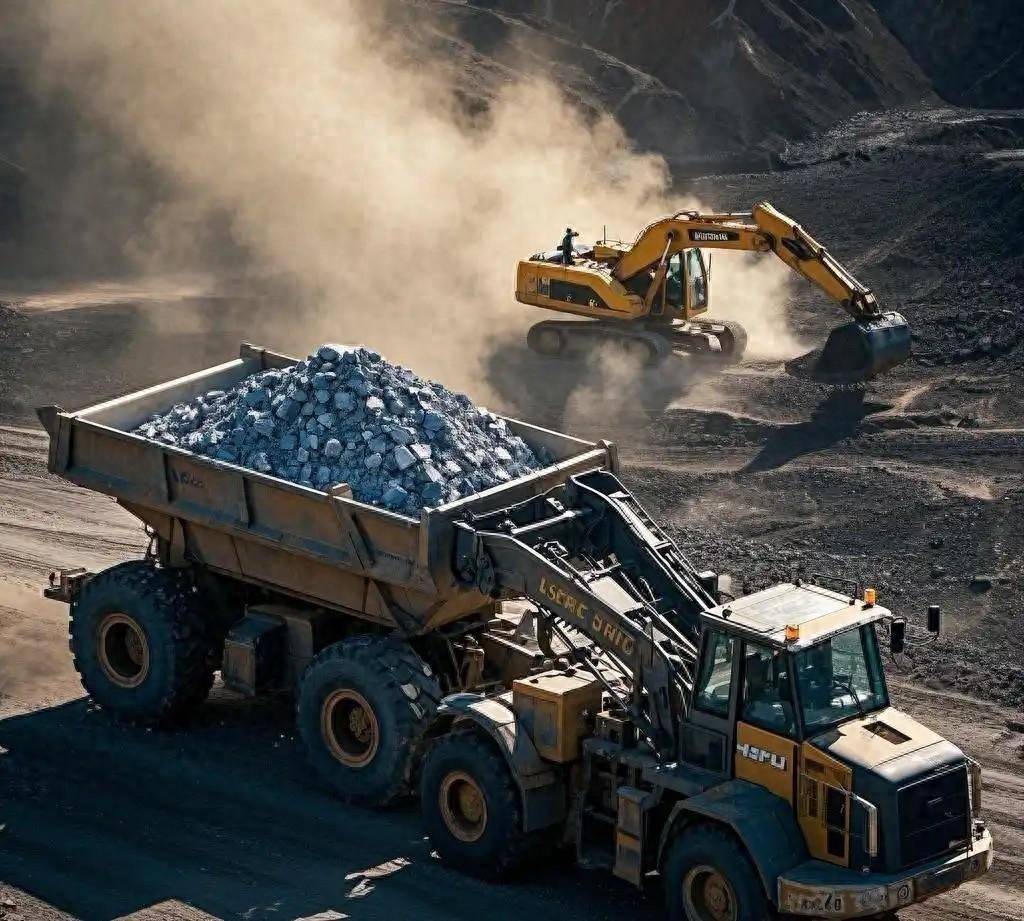
钍

Search documents
北方稀土:公司控股股东包钢(集团)公司拥有白云鄂博矿的独家开采权
Zheng Quan Ri Bao Zhi Sheng· 2026-02-12 10:11
Core Viewpoint - The company Northern Rare Earth announced that its controlling shareholder, Baotou Steel (Group) Co., holds exclusive mining rights to the Baiyun Obo mine, which is rich in various mineral resources [1] Group 1: Resource Richness - The Baiyun Obo mine contains over 180 types of mineral resources and 71 mineral elements [1] - The mine's resource reserves rank first in the world for rare earth elements and fluorite, and second for niobium and thorium reserves [1] - Additionally, the potassium-rich slate reserves are among the top in the world [1]

老天爷赏饭!内蒙神山亮出战略王牌,超级核矿现身,美方坐立难安
Sou Hu Cai Jing· 2026-01-25 08:13
Core Insights - The Baiyun Obo mine in Inner Mongolia is of significant strategic importance, particularly with the recent discovery of the Zuo Lin Niobium Mine and Hong Rui Mine, which are crucial for high-end manufacturing and energy security [1][20] Group 1: Niobium Resource - Niobium is essential in modern military applications, such as in the engines of the F-35 fighter jet, where it helps withstand extreme temperatures [3] - The United States has a 100% reliance on foreign niobium resources, primarily from Brazil, highlighting the strategic importance of domestic niobium supply [6] - The newly discovered niobium mines in Baiyun Obo have a niobium oxide content of up to 52.9%, indicating a breakthrough in resource extraction and processing [6][20] Group 2: Thorium Resource - Baiyun Obo also holds the world's second-largest thorium reserves, with 22,000 tons out of a total of 28,000 tons of industrial reserves, which could transform the global energy landscape [13] - Thorium is considered a superior fuel for thorium-based molten salt reactors, offering enhanced safety and efficiency compared to traditional uranium-based nuclear power [14] - The energy produced from 1 ton of thorium is equivalent to that from 200 tons of uranium or 3.5 million tons of coal, showcasing its potential as a sustainable energy source [14] Group 3: Strategic Implications - The discoveries at Baiyun Obo represent a long-term strategic effort, dating back to the initial discovery of rare earth elements in 1934, emphasizing the importance of sustained scientific research [8][10] - The recent advancements in thorium technology, including successful experiments in Gansu, position China to achieve energy self-sufficiency, potentially altering the dynamics of global energy supply and geopolitical tensions [16][17] - Baiyun Obo's resources are not just valuable for their immediate applications but also symbolize a shift in the balance of power in global resource management and technological competition [19][20]


老天都站在中国这边,中美博弈最激烈时刻,内蒙发现超级核矿
Sou Hu Cai Jing· 2026-01-24 11:52
Core Insights - The discovery of high-grade niobium and thorium resources in the Baiyun Obo mine is a significant development for China's strategic resource capabilities, potentially altering the balance of power in global geopolitics [1][3][5] - The niobium found is crucial for military applications, particularly in advanced technologies like the F-35 fighter jet, while the thorium reserves could provide a sustainable energy source, reducing reliance on oil imports [3][8][12] Niobium Resource - The newly discovered Lin Niobium Mine and Hongrui Mine are expected to enhance China's niobium supply, which is critical for military and aerospace applications [3][5] - The United States has a 100% dependency on foreign niobium, making this discovery a strategic advantage for China [3][5] - The extraction efficiency of niobium is expected to double due to the high-grade nature of the new deposits, which will streamline the processing and utilization of this resource [5][17] Thorium Resource - Baiyun Obo is estimated to have 28,000 tons of identified thorium reserves, with potential future estimates exceeding 100,000 tons [12][14] - Thorium-based molten salt reactors are considered a safer and more efficient alternative to traditional uranium reactors, with the potential to meet China's energy needs for thousands of years [12][14] - The energy produced from thorium is significantly higher than that from uranium or coal, with 1 ton of thorium capable of producing energy equivalent to 200 tons of uranium or 350,000 tons of coal [14] Strategic Implications - The dual discovery of niobium and thorium positions China favorably in the context of global resource competition, particularly against the backdrop of U.S. attempts to restrict China's access to advanced technologies [19][20] - The Baiyun Obo mine is viewed as a critical asset for China's future energy independence and technological advancement, reinforcing the notion of resource sovereignty [22] - The historical context of the mine's discovery highlights the contributions of Chinese scientists and the importance of sustained investment in geological exploration and technological innovation [17][19]
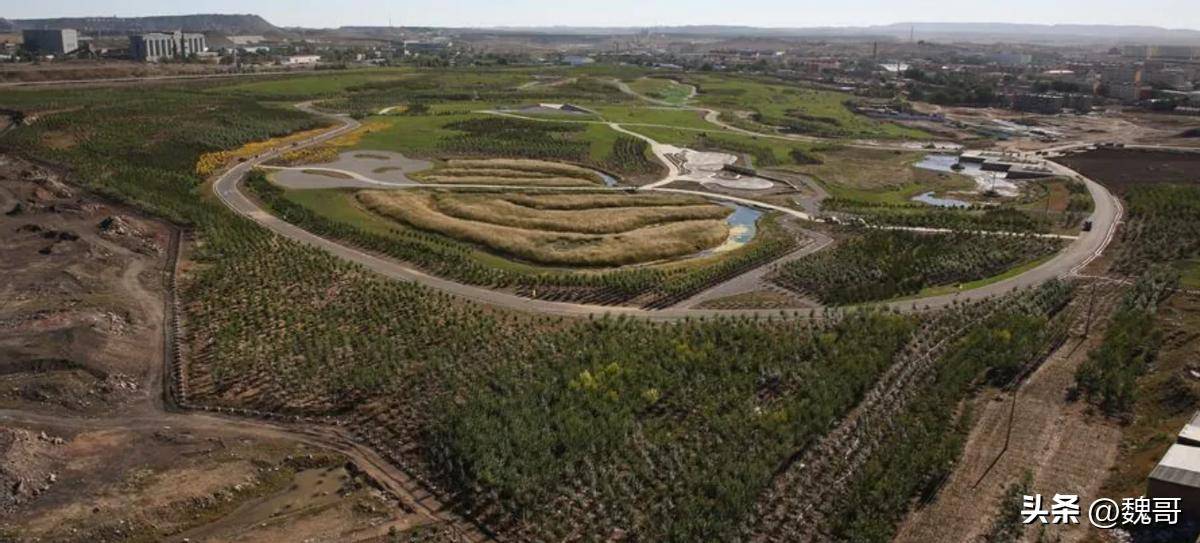
中国铀业:目前公司独居石资源综合利用业务会形成氯化稀土及铀、钍产品
Mei Ri Jing Ji Xin Wen· 2025-12-31 01:25
Core Viewpoint - The company, China Uranium Corporation (001280.SZ), confirmed its involvement in thorium mining alongside uranium extraction, indicating a diversification in its resource utilization strategy [1] Group 1: Company Operations - The company currently engages in the comprehensive utilization of unique stone resources, which will lead to the production of chlorinated rare earths, uranium, and thorium products [1]
周期团队联合展望 - 2026年度策略报告汇报会议
2025-12-03 02:12
Summary of Key Points from Conference Call Records Industry Overview - **Copper Market**: Expected price increase to 120,000 CNY/ton due to lower global copper mine production growth compared to demand growth, leading to a persistent supply-demand gap. A weak dollar environment is favorable for copper's financial attributes [1][4][3] - **Aluminum Market**: Benefiting from domestic supply-side reforms and strong demand, with projected consumption growth of 1.5% to 2.3% for electrolytic aluminum by 2028. Raw material prices are relatively weak, but product prices remain strong, leading to substantial profits [1][4][5] - **Precious Metals Market**: Long-term outlook remains positive due to global financial order restructuring, dollar credit issues, and geopolitical factors supporting gold prices. Silver has seen rapid price increases, and attention is drawn to the gold-silver ratio recovery [1][6] - **Minor Metals**: Thorium and tantalum show investment potential, with thorium's supply-demand mismatch due to global energy shortages and nuclear power development. Tantalum prices are expected to recover due to export controls [1][7] - **New Materials**: Fields such as AI chips, inductors, capacitors, and new materials for robotics have significant growth potential, driven by expanding applications of emerging technologies [1][7] Steel Industry Insights - **Challenges and Opportunities**: The steel industry faces a contradiction between the increasing proportion of high-end products and supply surplus. Attention is needed on production restriction policies, new iron ore capacity releases, and cost changes. High-end special steel is expected to see development opportunities [1][13] - **Demand Structure Changes**: The demand for construction steel has significantly declined, with manufacturing becoming the primary growth point, accounting for over 50% of demand. Key sectors include machinery, automotive, and energy [1][21][22] - **Profit Influencing Factors**: Steel industry profits are influenced by cost factors (iron ore and coking coal prices), demand from real estate and manufacturing, and the effectiveness of production restriction policies [1][28] Market Projections - **Iron Ore Market**: Supply is expected to increase significantly in 2026, with new projects contributing substantial increments. Iron ore prices are projected to be under pressure, potentially dropping from approximately 101 USD to around 90 USD [2][26] - **Coking Coal Market**: Expected to remain stable in 2026 after significant fluctuations in 2025, with supply gradually recovering from various regions [2][27] Investment Strategies - **Investment Recommendations**: Investors are advised to focus on high-dividend, high-return leading companies across various sectors. Continuous monitoring of real estate sales and construction starts is crucial, along with the development potential in special steel [1][30]
比稀土牌还厉害?中国独霸74%份额,废料变身“能源金矿”
Sou Hu Cai Jing· 2025-10-07 07:05
Core Insights - China holds significant leverage in the global rare earth market, particularly with its control over rare earth refining technology, which is crucial for processing resources from other countries [3][6] - Thorium, previously considered waste, is now recognized as a valuable energy resource, with China controlling 74% of global thorium production [6][8] - The use of thorium in energy generation can drastically reduce electricity costs for consumers, with projections indicating potential future prices as low as 0.05 yuan per kilowatt-hour [12][14] Rare Earth Market - China possesses approximately 38% of the world's rare earth resources, making it a dominant player in the market [3] - Despite the U.S. efforts to establish its own rare earth facilities, the lack of refining technology means that most rare earth materials will still need to be processed in China [3][6] Thorium as an Energy Resource - Thorium can generate electricity equivalent to that produced by 350,000 tons of coal, highlighting its potential as a powerful energy source [5] - China's thorium reserves are abundant, with known reserves in Inner Mongolia sufficient to supply energy for over 200 years for the entire population [8][12] - The country has been utilizing thorium for energy production long before other nations, giving it a technological edge [8][9] Technological Advancements - China is applying advanced thorium technology in significant projects, such as its third aircraft carrier, which is expected to use thorium-based molten salt reactor technology [9] - The operational advantages of thorium reactors include higher safety, efficiency, and lower maintenance costs compared to traditional nuclear power [9][12] Economic Impact - The implementation of thorium energy has already led to a significant reduction in electricity costs in regions like Inner Mongolia, benefiting consumers [12] - Future projections suggest that electricity prices could decrease further, enhancing the economic well-being of households [12][14]
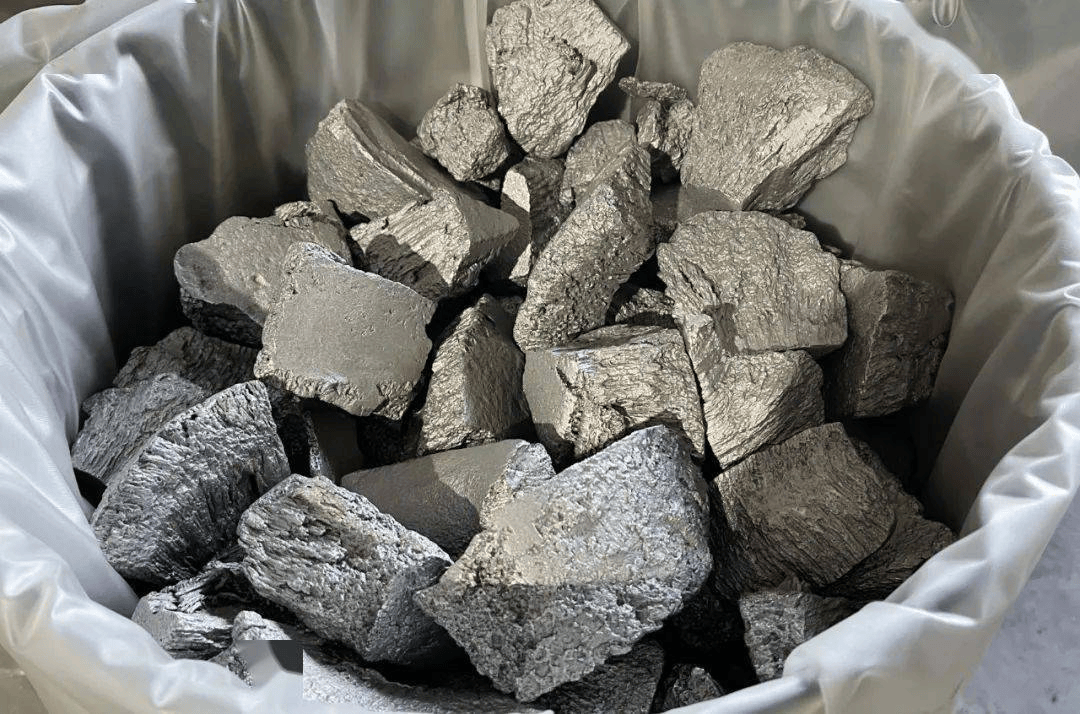
中方早已布局另一张王牌,其储量超140万吨,特朗普连发推都不敢
Sou Hu Cai Jing· 2025-10-06 12:33
Core Insights - Thorium is emerging as a strategic asset for China, potentially more significant than rare earth elements, due to its high energy density and low extraction costs [1][3]. Resource Potential - Thorium has an energy density so high that 1 ton can produce electricity equivalent to 3.5 million tons of coal [3]. - China's proven thorium reserves of 220,000 tons could sustain energy needs for approximately 14 billion people for thousands of years, while the total national reserves of 1.4 million tons could meet energy demands for nearly 20,000 years [3]. Technological Advancements - China has developed a technological advantage by successfully operating thorium-based molten salt reactors, which could potentially lower electricity prices to 0.05 yuan per kilowatt-hour [5]. - The country is currently the only one capable of stable operation of thorium-based molten salt reactors [5]. Strategic Implications - The U.S. has historically researched thorium but has since fallen behind in both mining and extraction technology, making it difficult for them to catch up [7]. - Thorium reactors can be built in arid regions, are inherently safe, and can also produce green hydrogen for electric vehicles [8]. Geopolitical Context - The U.S. has shifted its rhetoric regarding China, indicating a recognition of the strategic importance of thorium and its implications for energy independence [9]. - China's advancements in thorium technology position it favorably in the global clean energy race, addressing both energy security and green transition [9]. Long-term Strategy - China's focus on developing rare earth and thorium technologies is aimed at strengthening its position on the international stage, rather than undermining others [11]. - The strategy emphasizes that true international influence is built on genuine capabilities rather than mere rhetoric [11].