
AI家电

Search documents
国内政策VS消费-26年最新政策导向和消费机会解读
2026-03-06 02:02
Summary of Key Points from Conference Call Records Industry and Company Overview - The conference call discusses the macroeconomic policies and consumption opportunities in China for 2026, focusing on the government's growth targets and policy directions. Core Insights and Arguments 1. **Growth Target and Policy Shift**: The growth target for 2026 is set at 4.5% to 5%, with a shift from speed to quality, emphasizing sustainable growth. The expected growth rate over the next five years is projected to remain above 4% [1][3]. 2. **Unified Market Construction**: The construction of a unified market is accelerating, with policies against "involution" and monopolies. Price governance has been initiated, particularly in the automotive sector, aiming to stabilize and gradually increase the Consumer Price Index (CPI) [1][4]. 3. **Consumption Promotion Tools**: The government plans to establish a special fund of 100 billion yuan to stimulate consumption, alongside new school holiday systems to boost cultural and tourism consumption [1][6]. 4. **Service Consumption Focus**: Service-oriented consumption is identified as a key investment theme, with the restaurant industry expected to benefit from the easing of overcapacity and price recovery in 2026 [1][8]. 5. **Tax Reform and Consumption Tax**: Fiscal reforms will focus on shifting the consumption tax collection process, which may impact high-end consumer goods like liquor. This is expected to strengthen the competitive advantage of leading companies with pricing power [1][5][15]. 6. **Export Opportunities**: The logic of going abroad is evolving from manufacturing to branding, with expectations of a beta market starting in May 2026 as currency pressures ease [1][14]. Additional Important Insights 1. **Policy Integration**: The 2026 government work report and the 15th Five-Year Plan outline a more integrated approach to policy, with a clearer framework compared to 2021 [2]. 2. **Investment and Employment Goals**: The investment sector is expected to support a positive cycle of investment, employment, income, and consumption, with a target of creating over 12 million new jobs in 2026 [6]. 3. **Traditional and New Industries**: The 2026 policy emphasizes the importance of traditional industries while also highlighting new sectors like AI and smart economy, indicating a balanced approach to economic development [7]. 4. **Downstream Market Dynamics**: The report notes that the consumption capacity in lower-tier cities is relatively healthy, with lower debt burdens and a strong acceptance of new consumption models [12][13]. 5. **Consumer Behavior Trends**: There is a structural shift in consumption from goods to services, with significant potential in sectors like tourism, dining, and education [8][11]. This summary encapsulates the key points from the conference call, providing insights into the macroeconomic landscape and consumption trends in China for 2026.
出行旺消费暖,“流动中国”尽显活力
Xin Lang Cai Jing· 2026-02-25 15:52
Group 1: Travel and Tourism - The Spring Festival holiday saw a record high of 28 billion cross-regional personnel movements, with daily averages reaching 3.11 billion, marking an 8.2% year-on-year increase [1][3] - The number of inbound and outbound travelers during the Spring Festival is expected to exceed 2.05 million daily, a 14.1% increase compared to the previous year [2] - Popular tourist destinations included traditional cultural sites and events, showcasing China's rich heritage and attracting both domestic and international visitors [1][7] Group 2: Retail and Consumption - Key retail and catering enterprises reported an 8.6% increase in average daily sales during the first four days of the holiday compared to the previous year [5] - E-commerce platforms like Douyin saw a significant rise in sales, with orders for reunion dinner packages increasing over 210% and sales of intangible cultural heritage performances growing over 100% [5] - Hainan's duty-free shopping during the first seven days of the holiday reached 2.07 billion, a 16.8% increase from the previous year [4] Group 3: Technology and Innovation - Sales of smart wearable devices and AI home appliances surged, with new products featuring AI experiences accounting for over 50% of sales [6] - The shift in consumer spending is moving from quantity to quality, driven by new technologies and business models that enhance market potential [6] Group 4: Cultural Exchange - The Spring Festival is increasingly recognized globally, with celebrations and cultural events occurring in various countries, highlighting China's growing influence [8][9] - The festival's significance has transcended regional boundaries, becoming a global cultural symbol [9]


中国科技“大放异彩”赋能米兰冬奥会全场景 “屏宇宙”重构观众观赛体验
Yang Shi Wang· 2026-02-22 07:41
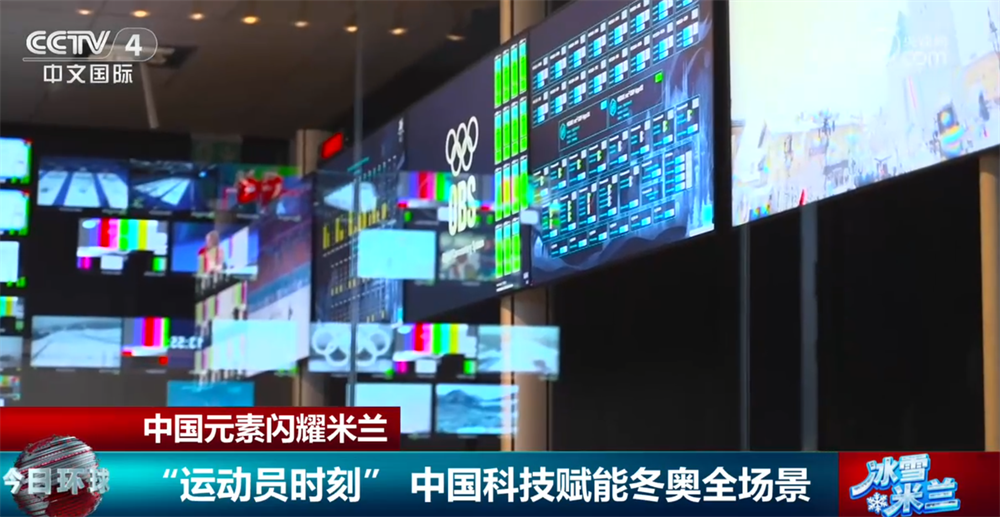
Core Viewpoint - The Milan Winter Olympics showcases Chinese technology products, enhancing both the viewing experience and the overall event atmosphere through advanced display technologies and smart devices [1][6]. Group 1: Technology and Innovation - The International Broadcasting Center (IBC) at the Milan Winter Olympics operates 24/7, providing reliable broadcasting services with display technologies sourced from Chinese companies [1]. - Chinese enterprises are prominently featured in the "Snow Velvet Wonderland" exhibition, displaying smart terminal products and cutting-edge display technologies that merge technology with culture [3]. - Chinese sponsors have set up devices at various Olympic venues, allowing athletes to connect with friends and family immediately after their events [4]. Group 2: Environmental Initiatives - The Milan Winter Olympics aims to be the "greenest Winter Olympics," with local operators deploying 5,000 shared electric bicycles and scooters for sustainable transportation [6]. - The shared electric bicycles, developed and manufactured by Chinese companies, feature sensors that enhance power output for a comfortable riding experience, contributing to a greener event [9]. Group 3: Comprehensive Deployment - Chinese display products are fully integrated across all venues, including opening and closing ceremonies, competition sites, and media centers, as well as in the Olympic Village where AI appliances and smart glasses support athletes' daily lives and training [7].
有人预测:今明两年,如果不出意外,社会有可能发生4大变化
Sou Hu Cai Jing· 2026-02-20 23:53
Group 1: Real Estate Market Changes - The real estate market has shifted from a "buy and hold" mentality to a focus on the intrinsic value of properties, emphasizing that only "good properties in good locations" retain value [3][5] - In 2025, national real estate development investment is projected to be 8.28 trillion yuan, a decrease of 17.2% from the previous year, with residential investment down by 16.3% [5] - There is a significant market differentiation, with core areas in first and second-tier cities maintaining stable prices due to quality schools and hospitals, while third-tier cities face oversupply issues, leading to 7.66 billion square meters of unsold properties by the end of 2025 [7] Group 2: Employment Market Dynamics - The employment market is undergoing a transformation, with a record number of college graduates in 2025 and traditional sectors contracting, leading to increased pressure on job availability [9] - The rise of AI and digitalization is replacing some repetitive jobs but also creating new roles in data labeling and smart operations, while the aging population is driving demand for jobs in rehabilitation and community care [11] - Flexible employment has surged, exceeding 230 million in 2025, with roles such as delivery personnel and online consultants becoming more common [12] Group 3: Consumer Behavior Shifts - Consumers are becoming more discerning, with overall consumption growth slowing, but service consumption is increasing at a faster rate, indicating a shift towards experiences that provide emotional satisfaction [15] - Policies are adapting to these changes, with expanded subsidies for upgrading to AI appliances and age-friendly products, and encouragement for service consumption and offline experiences [17] - The market is responding with revitalized shopping environments that combine shopping, entertainment, and social interaction, reflecting a transformation in consumer habits [19] Group 4: Demographic and Social Changes - The demographic landscape is changing, with a decline in birth rates to 7.92 million in 2025 and an increase in the elderly population, which is projected to reach 15.9% [19][21] - The demand for socialized elderly care services is rising, driven by an increase in single-person households and a growing need for small housing units and personalized services [21] - These demographic shifts are interconnected, influencing housing preferences, consumption patterns, and employment market dynamics, ultimately reflecting a transition towards high-quality economic development [23]

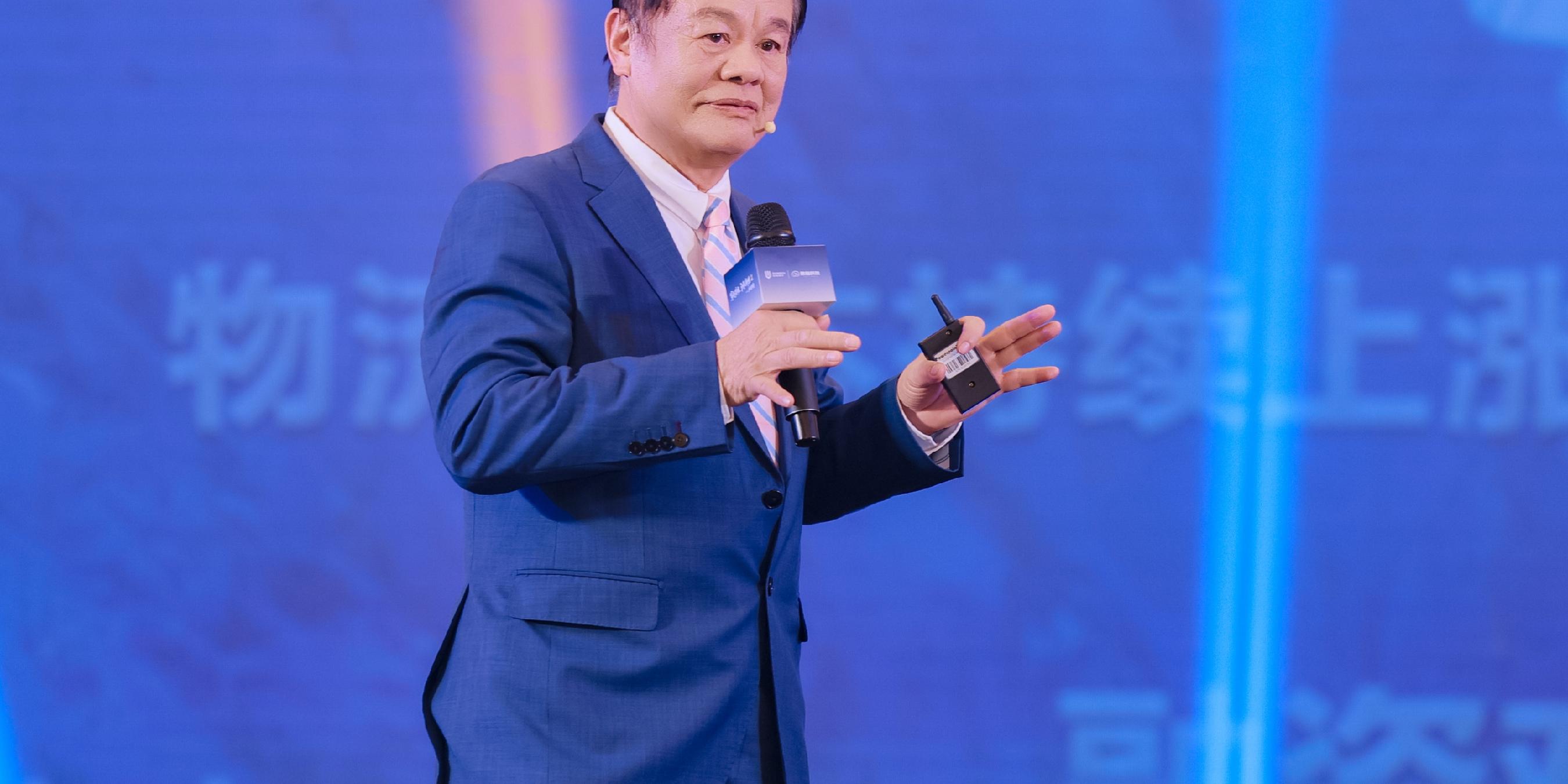
创维集团创始人黄宏生:38年只做“电”这一件事,从造“用电”的机器,到干“发电”的生意|2026商业新愿景
Jing Ji Guan Cha Wang· 2026-02-12 16:09
Core Insights - The global geopolitical and economic shifts have created significant pressure on businesses and households, leading to a more divided world where traditional market expansion strategies face unprecedented challenges [2][3]. Group 1: Challenges and Strategies - Companies must adapt their overseas expansion strategies to focus not only on market share but also on benefiting local economies and building trust with local partners [3][4]. - The traditional aggressive market penetration approach of Chinese companies is encountering resistance, necessitating a shift towards a "mutual benefit" model that emphasizes local workforce development and technology transfer [4][5]. Group 2: Technological Innovation - The company has initiated the "AI Living Room Revolution," leveraging data from 200 million households to enhance user experience through proactive AI applications, moving beyond traditional command-based smart appliances [6][12]. - The lack of integration of smart technology in products has been identified as a critical factor in the decline of major Japanese electronics firms, serving as a warning for Chinese companies to innovate [5][6]. Group 3: Energy Sector Expansion - The company's photovoltaic business now accounts for one-third of its revenue, reflecting a strategic pivot into the energy sector, utilizing existing manufacturing and distribution capabilities [7][9]. - The focus will extend to energy storage solutions in 2026, with an emphasis on optimizing energy usage through AI algorithms that can manage electricity pricing effectively [10][11]. Group 4: Health and Well-being - The company is exploring the automotive sector with a focus on creating vehicles that provide a "mobile rest space," addressing the health concerns of a significant portion of the population [12]. - The overarching goal across all sectors—home appliances, energy, and automotive—is to enhance human health and quality of life [12]. Group 5: Future Outlook - Companies must prioritize technological innovation, remain humble in strategy, and focus on results to navigate uncertainties in 2026, ensuring they are rooted in user needs and global partnerships [13].
创维集团创始人黄宏生:38年只做“电”这一件事,从造“用电”的机器,到干“发电”的生意
Jing Ji Guan Cha Wang· 2026-02-12 16:08
Core Insights - The global geopolitical and economic shifts have created significant pressure on businesses and households, leading to a challenging environment for both industrial and financial sectors [1] - The traditional aggressive market expansion strategies of Chinese companies are facing unprecedented obstacles, necessitating a shift towards a more symbiotic approach that benefits local economies [1][2] - The decline of Japanese electronics giants serves as a warning for Chinese companies to embrace smart technology and software integration to remain competitive [3][4] Group 1: Business Strategy - The company has adopted a "altruistic value symbiosis" approach, focusing on local partnerships and retaining local workforce while establishing R&D centers in foreign markets [1] - The company has acquired factories in South Africa and Indonesia, emphasizing the importance of contributing to local industrial capabilities and technology standards [1] - The company is leveraging its user data from 200 million households to drive its AI initiatives, aiming to create smart appliances that proactively respond to user needs [5] Group 2: Industry Trends - The company's solar energy business now accounts for one-third of its revenue, showcasing a strategic pivot towards renewable energy [6] - The company has built over 800,000 household power stations in five years, targeting markets with high electricity prices and significant unmet energy needs [7] - The company plans to expand into the energy storage sector, utilizing AI algorithms to optimize energy usage and profitability for users [8] Group 3: Future Outlook - The company emphasizes the importance of being rooted in user needs, technological innovation, and global partnerships to navigate uncertainties in the coming years [8] - The company is exploring the automotive sector, focusing on health and wellness features in vehicles to address the needs of a large population facing health challenges [8]
新华社:从“贡献超四成”读懂现代产业的分量
Xin Hua She· 2026-01-27 05:58
Core Insights - The contribution of the industrial and information sectors to China's economic growth exceeds 40%, highlighting the importance of these sectors in the modernization of the industrial system [1] - In 2025, China's industrial added value is projected to reach 41.7 trillion yuan, contributing 35% to economic growth, an increase of 1.8 percentage points from the previous year [1] - The manufacturing sector continues to dominate, maintaining the world's largest added value for 16 consecutive years, while the information transmission, software, and IT services sector achieved a value of 7.06 trillion yuan, showing double-digit growth [1] Group 1 - The industrial sector's core components include traditional industries and digital economy-related sectors, emphasizing the need for a modernized industrial system [1] - In response to international trade changes, Chinese industrial enterprises are diversifying market layouts and upgrading product structures, showcasing resilience amid external challenges [2] - The growth of advanced manufacturing and the optimization of industrial structure are evident, with significant increases in new energy vehicle sales and industrial robot production [3] Group 2 - The integration of information technology and industrialization is a key path for building a modern industrial system, with 5G and industrial internet technologies being widely adopted across various economic sectors [3] - Recent initiatives, such as the "Industrial Internet and Artificial Intelligence Integration Empowerment Action Plan," aim to deepen the integration of digital technologies with the real economy [4] - The focus on solidifying the foundation of the real economy and seizing opportunities for digital transformation is crucial for maintaining a competitive edge in the global market [4]
从“贡献超四成”读懂现代产业的分量
Xin Hua She· 2026-01-26 14:21
Group 1 - The contribution of the industrial and information sectors to China's economic growth exceeds 40%, highlighting the importance of modern industrial systems [1][2] - In 2025, China's industrial added value is projected to reach 41.7 trillion yuan, contributing 35% to economic growth, an increase of 1.8 percentage points from the previous year [2] - The manufacturing sector continues to expand, maintaining its position as the world's largest for 16 consecutive years, while the information transmission, software, and IT services sector achieved a value of 7.06 trillion yuan with double-digit growth [2] Group 2 - Advanced manufacturing is accelerating, with significant growth in sectors such as new energy vehicles, industrial robots, and the photovoltaic industry [3] - The integration of information technology and industrialization is emphasized, with 5G and industrial internet technologies covering a wide range of economic categories [3] - The construction of a modern industrial system is a key strategic task during the 14th Five-Year Plan, with initiatives launched to promote the integration of AI and manufacturing [4]
湾财周报 | 人物 姚振华实名举报;贾国龙罗永浩“开战”;董宇辉带货的麻黄鸡遭打假?
Nan Fang Du Shi Bao· 2026-01-18 15:28
Group 1: Guanzhi Automobile and Baoneng Group - Guanzhi Automobile's core assets were auctioned for the second time but failed to attract any bids, highlighting a significant issue in asset valuation and judicial processes [6][7] - Baoneng Group's chairman, Yao Zhenhua, publicly accused local authorities of illegal actions regarding Guanzhi's debt issues, including excessive seizures and forced auctions [6][7] - Baoneng has invested over 26 billion yuan in Guanzhi since 2018, while the court's assessed value of the assets was only 1.5 billion yuan, significantly lower than the third-party valuation of 8 billion yuan [6][7] Group 2: Leadership Changes in Companies - Zhang Yong, the founder of Haidilao, has resumed the role of CEO after nearly four years, indicating a strategic shift in the company's management [13][14] - Zhao Changjiang, a former executive at BYD, has joined Zhijie Automobile as an executive director and vice president, emphasizing a focus on user-centered innovation in the automotive sector [15] - Hu Li has taken over as the chairman of China Resources Beverage, following the resignation of Zhang Wei, amid concerns over declining revenue and profit [17] Group 3: Industry Trends and Innovations - He Xiaopeng, chairman of Xiaopeng Motors, expressed optimism about the future of flying cars, aiming for them to become accessible to households within 5 to 10 years [11] - Huang Hongsheng, founder of Skyworth, announced a strategic shift towards AI and renewable energy, predicting that revenue from solar energy will surpass that from traditional appliances by 2025 [12]
“新国补”政策落地 汽车、家电等消费需求持续升温
Yang Shi Xin Wen· 2026-01-16 06:25
Group 1 - Ningxia's "old for new" policy for automobiles and home appliances has been officially implemented, stimulating consumer demand for cars, home appliances, and digital products [1] - The policy features a more precise implementation method, with subsidies for scrapping and updating cars requiring consumers to obtain qualification through the "My Ningxia" app, and the subsidy for purchasing new energy vehicles can reach up to 12% of the vehicle price, capped at 20,000 yuan [1] - The first phase of the automobile "old for new" program saw over 7,600 registrations, with 4,226 winners selected through a lottery, and home appliance purchases have led to a direct consumption boost of 31.9 million yuan [2] Group 2 - In Anhui's Linquan County, government-issued consumption vouchers have significantly stimulated market activity, with digital product sales increasing as a result [3][4] - The local government has issued consumption vouchers applicable to digital products, leading to a notable rise in sales, with one consumer saving 500 yuan on a smartphone purchase [3][4] - The trend towards quality and smart products is evident, with a shift from traditional goods to intelligent products in rural areas, facilitated by improved supply chains and logistics [4] Group 3 - Guangdong's "Guangdong Goods Go Global" spring consumption promotion event has been launched, aiming to invigorate consumer activity through online and offline collaboration [5] - The first promotional event in Foshan showcased AI home appliances and energy-saving products, with over 6,000 enterprises and major commercial platforms participating in upcoming promotional activities [6] - The government is leveraging subsidies and partnerships with platforms and enterprises to ensure good products are available at competitive prices, enhancing sales channels [6]