
马币

Search documents
马钞跌、银币飞!春节前最后一次收藏投资机会,到底选哪个?
Sou Hu Cai Jing· 2026-02-10 03:42
Group 1 - The market for commemorative banknotes and coins is experiencing a significant divergence, with the market for the Year of the Horse banknotes and coins showing weakness, while precious metals are witnessing a surge in prices [3][5][11] - The Year of the Horse banknotes have seen a decline in trading activity, with sellers eager to cash out before the Spring Festival, but there are few buyers, indicating a lack of upward momentum in the short term [5][11] - In contrast, the precious metals market, particularly gold and silver, has seen a dramatic increase in prices, which has positively impacted the market for silver commemorative coins, making them the current focus of collectors [7][11] Group 2 - The current purchase price for the Year of the Horse banknote is 30 yuan per piece, while the Year of the Horse coin is priced at 13.5 yuan each, indicating a significant price disparity [8] - The average transaction price for a 150-gram colored silver coin has stabilized above 11,500 yuan, while the 30-gram panda silver coin has seen a price drop to 750 yuan, still reflecting a 70% increase from previous levels [9] - The analysis suggests that the Year of the Horse banknotes remain weak, while precious metals are performing strongly, and collectors should consider purchasing high-quality commemorative coins for long-term investment [11][13]

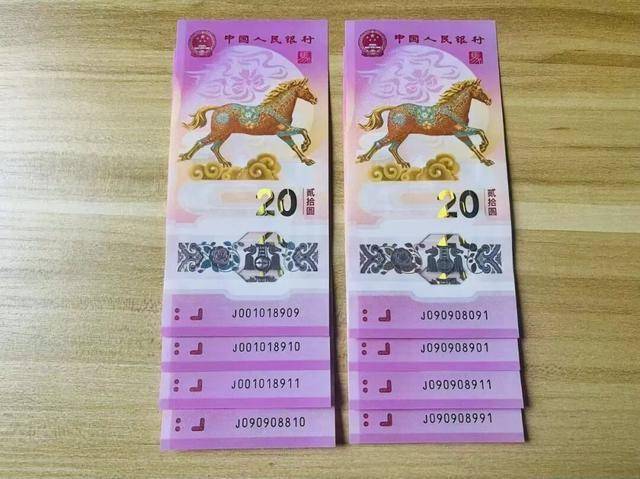
马钞1月13号晚上开始预约,期货已超35.5元!附最新预约入口
Sou Hu Cai Jing· 2026-01-13 07:39
Core Viewpoint - The eagerly anticipated Malaysian banknotes, known as "Ma Chao," will be available for exchange starting January 13, with a significant demand expected for both the Malaysian banknotes and coins [1]. Group 1: Exchange Arrangement - The reservation period for the exchange is from January 13 to January 14, with verification from January 17 to January 19, and the actual exchange period from January 20 to January 26 [3]. - The Malaysian banknote has a face value of 10 MYR, with a total issuance of 100 million pieces, and each individual can reserve up to 20 pieces [3]. - The Malaysian coin has a face value of 20 MYR, also with a total issuance of 100 million pieces, and each individual can reserve up to 20 coins [4]. Group 2: Reservation Guidelines - Reservations can be made through major banks' official platforms, including WeChat, apps, and websites, with limited offline reservation options available [6]. - Each individual can only reserve at one bank location using their ID number, but multiple reservations can be made using the same phone number [7]. - No bank account or card is required for the reservation process [8]. Group 3: Exchange Process and Market Insights - Individuals can choose any day within the exchange period to complete their exchange, as it is not strictly tied to the reservation date [9]. - The current market price for the Malaysian coin is over 35.5 MYR, while the banknote is around 14.1 MYR, indicating potential profits and high interest in participation [9]. - The article highlights the importance of professional grading for collectibles, noting that a graded banknote can significantly increase in value, exemplified by a banknote valued at approximately 150,000 MYR rising to 205,000 MYR after grading [9]. Group 4: Reservation Access - Several major banks are listed as options for making reservations, including Bank of China, Industrial and Commercial Bank of China, Agricultural Bank of China, and others [10].
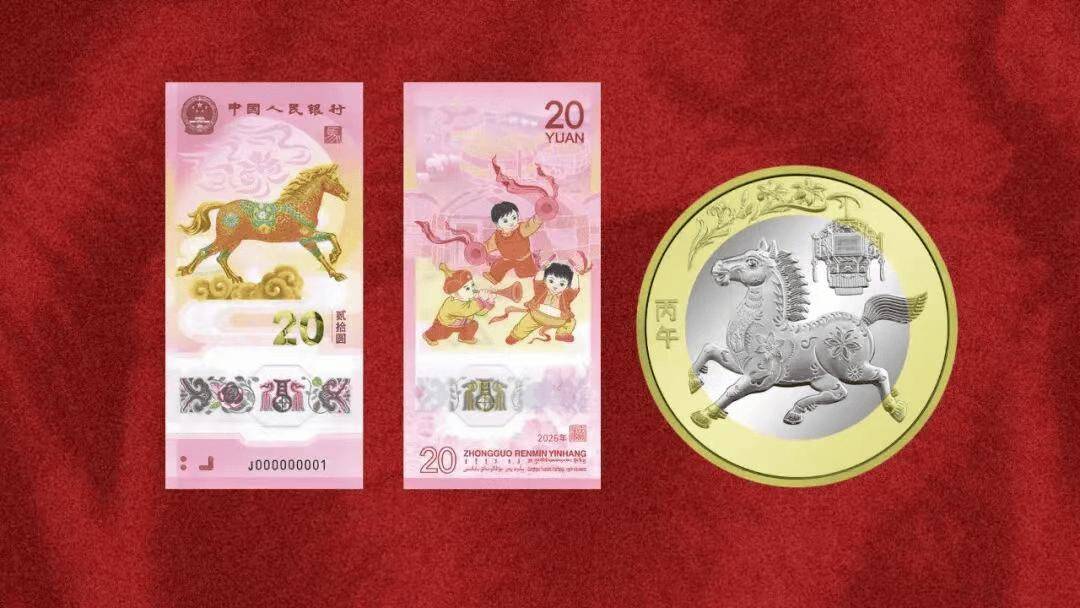
【早间看点】MPOA马棕9月前20日产量料环比减4.26%美豆当周出口销售净增72.45万吨符合预期-20250926
Guo Fu Qi Huo· 2025-09-26 03:04
Report Summary 1. Report Industry Investment Rating No relevant information provided. 2. Core Viewpoints The report provides a comprehensive overview of the futures market, including spot prices, fundamental information, supply - demand dynamics, macro news, fund flows, etc. It shows the current situation and trends in the agricultural and energy futures markets, as well as the impact of international and domestic economic data on the market. 3. Summary by Directory 01 Spot Quotes - Closing prices and price changes of various futures such as Malaysian palm oil, Brent crude oil, US crude oil, US soybeans, etc. are presented. For example, the closing price of Malaysian palm oil 12 (BMD) is 4453.00, with a previous - day decline of 1.37% and an overnight decline of 0.29%. [1] - Latest prices and price changes of various currencies are also given, like the US dollar index at 98.44 with a 0.61% increase. [1] 02 Spot Quotes (Continued) - Spot prices, basis, and basis changes of DCE palm oil 2601, DCE豆油 2601, and DCE豆粕 2601 in different regions are provided. For instance, the spot price of DCE palm oil 2601 in North China is 9340, with a basis of 100 and no change in basis compared to the previous day. [2] - CNF quotes and CNF premium information for imported soybeans from different regions are included, such as the CNF premium of Brazilian soybeans being 289 cents per bushel and the CNF quote being 477 dollars per ton. [2] 03 Important Fundamental Information - **产区天气** - The future weather outlook (September 30 - October 4) for US soybean - producing states shows that temperatures are generally high and precipitation varies. Some states have above - normal temperatures and above - median precipitation. [3][4] - The weather in the US Midwest will become dry over the weekend and next week, which will help with the harvest. However, scattered showers in the south and east may delay the harvest in the short term but improve drought conditions. [5] - **国际供需** - MPOA estimates that Malaysian palm oil production from September 1 - 20 decreased by 4.26% compared to the same period last month, with different changes in different regions. [7] - ITS and AmSpec data show that Malaysian palm oil exports from September 1 - 25 increased by 12.9% and 11.3% respectively compared to the same period last month. [7][8] - USDA reports show that US soybean, soybean meal, and soybean oil export sales from September 1 - 18 met expectations, with different trends in current - year and next - year sales. [9][10] - Deral estimates that the soybean production in Paraná state in the 2025/26 season is 2194 tons, slightly lower than the August forecast. [10] - Argentina re - implemented export withholding taxes on grains, beef, and poultry after reaching a sales limit. After a three - day suspension of soybean export taxes, Argentina's soybean exports reached a seven - year high. [9][10] - India purchased 300,000 tons of soybean oil from Argentina in two days, with delivery from October to March next year. [11] - **国内供需** - On September 25, the total trading volume of soybean oil and palm oil was 2300 tons, a 91% decrease compared to the previous day. [13] - On September 25, the trading volume of soybean meal in major domestic oil mills was 12.39 tons, a decrease of 12.49 tons compared to the previous day. The operating rate of oil mills was 59.79%, a 1.49% increase from the previous day. [13] - On September 25, the "农产品批发价格200指数" and the "菜篮子" product wholesale price index remained unchanged. The average price of pork decreased by 0.8% and the price of eggs decreased by 0.1% compared to the previous day. [14] 04 Macro News - **国际要闻** - CME's "美联储观察" shows that the probability of the Fed keeping interest rates unchanged in October is 14.5% and the probability of a 25 - basis - point rate cut is 85.5%. [14] - US economic data such as initial jobless claims, durable goods orders, trade deficit, GDP, PCE, and personal consumption expenditure show different trends compared to expectations and previous values. [14][15] - The eurozone's M3 money supply annual growth rate in August was 2.9%, lower than expected. [15] - **国内要闻** - On September 25, the US dollar/Chinese yuan exchange rate was 7.1118, up 41 points (yuan depreciation). [16] - On September 25, the Chinese central bank conducted 4835 billion yuan of 7 - day reverse repurchase operations and 6000 billion yuan of MLF operations, with a net investment of 2965 billion yuan. [16] - The Chinese Ministry of Commerce decided to launch a trade and investment barrier investigation against Mexico's relevant China - related restrictive measures on September 25. [16] 05 Fund Flows On September 25, 2025, the futures market had a net capital outflow of 5.357 billion yuan, including a net outflow of 630 million yuan from commodity futures and 5.276 billion yuan from stock index futures, while treasury bond futures had a net inflow of 564 million yuan. [19] 06 Arbitrage Tracking No relevant information provided.
高盛 :人民币走强,台币暴涨,下一轮异动的又是哪个
Zhi Tong Cai Jing· 2025-05-13 13:20
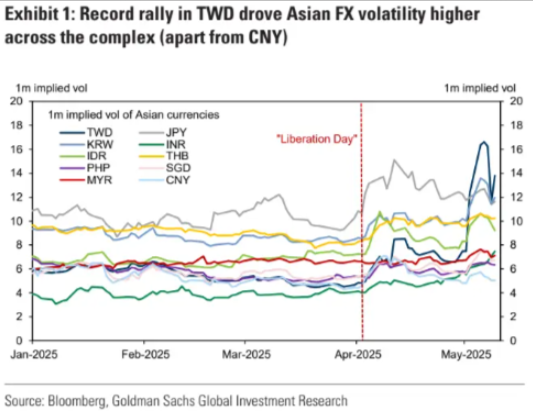
Group 1 - The Taiwanese dollar (TWD) experienced a significant appreciation, with the USD/TWD exchange rate dropping 7-8% over two consecutive days in early May, marking a historical volatility record that affected overall Asian currency fluctuations [1] - The Central Bank of Taiwan stated that the appreciation was not due to pressure from the US, but rather driven by exporters concentrating their foreign exchange settlements [1] - Taiwanese life insurance companies are unlikely to sell off their US dollar assets in the short term, despite the pressure from TWD appreciation and rising hedging costs, as US Treasury bonds remain a scarce long-duration asset [1][5] Group 2 - The next potential focus for currency movements in Asia includes the TWD and Malaysian ringgit (MYR), which are expected to benefit from high dollar deposit ratios and strong export settlement potential [2] - The South Korean won (KRW) is anticipated to have room for appreciation due to its high correlation with USD/CNY amid a downward trend in both currencies [2] - The Singapore dollar (SGD) is expected to perform solidly in the long term, supported by diversified asset allocation by the central bank and its AAA credit rating [2] Group 3 - The Chinese yuan (CNY) is projected to remain stable with a slight strengthening trend, as policymakers prefer a stable exchange rate path despite tariff pressures and capital outflow risks [2] - The Hong Kong dollar (HKD) is expected to maintain a strong position within its linked exchange rate system, bolstered by robust southbound capital inflows and significant liquidity injections by the Monetary Authority [2] - The Indian rupee (INR) faces pressure from geopolitical tensions and potential foreign exchange reserve accumulation by the Reserve Bank of India, making it difficult to outperform other high-yield currencies in the short term [2] Group 4 - The Indonesian rupiah (IDR) is considered undervalued, with expectations for a rebound due to manageable fiscal deficit risks and lower oil prices reducing subsidy expenditures [2]
美元走弱背景下的亚洲货币异动简析
BOCOM International· 2025-05-07 13:33
Global Macro Overview - The report discusses the recent appreciation of Asian currencies against the backdrop of a weakening US dollar, highlighting significant increases in currencies such as the Korean won, Singapore dollar, Malaysian ringgit, and Thai baht during the "May Day" holiday period [2][3]. Currency Movements in Asia - The reversal of carry trade positions has contributed to the recent currency movements, as the pressure from Trump's "reciprocal tariff" policy has eased, leading to a rebound in Asian currencies and triggering short-covering by market participants [3][4]. - Increased demand for risk hedging has emerged, as major Asian economies have accumulated substantial US dollar reserves, primarily invested in US Treasury securities. The recent rise in credit risk associated with dollar assets has prompted institutions to enhance their hedging operations, accelerating the appreciation of local currencies [4][5]. Implications of Currency Appreciation - The rapid appreciation of Asian currencies poses dual challenges for export-oriented economies. While it mitigates the risk of capital outflows, it may exacerbate trade challenges due to increased export costs. Additionally, the appreciation impacts the net value of dollar-denominated overseas assets, particularly for financial institutions with a "local currency liability, dollar asset" structure, potentially affecting their capital adequacy ratios [5][6]. Hong Kong Dollar Liquidity - The Hong Kong Monetary Authority (HKMA) has intervened to stabilize the currency by purchasing USD 6 billion on May 2, 2025, in response to the strengthening of the Hong Kong dollar. The overall liquidity remains relatively robust, with expectations of manageable liquidity pressures in the short term [8][9]. Future Outlook - The report anticipates a gradual improvement in the liquidity situation for the Hong Kong dollar, driven by a potential slowdown in the inflow of southbound capital and the possibility of the Federal Reserve implementing interest rate cuts in the near term, which could alleviate global dollar liquidity pressures [9].