AI管家

Search documents
“双十一”十七年 今年有啥新变化
Sou Hu Cai Jing· 2025-11-13 11:40
Core Insights - The "Double 11" shopping festival has evolved into a longer event, with major platforms extending the promotional period to over 30 days, reflecting a shift towards more rational consumer behavior [2][5] - AI technology is enhancing the shopping experience, with platforms like Taobao and JD.com utilizing AI to provide personalized shopping lists and improve customer service efficiency [5][6] - Instant retail is gaining traction, with over 30,000 brands and 400,000 stores participating in platforms like Taobao Flash Purchase, demonstrating the integration of online and offline resources [6][7] Group 1: Changes in Consumer Behavior - This year's "Double 11" is characterized by a more rational approach to shopping, with consumers focusing on quality over price sensitivity [2] - Promotional strategies have shifted to simpler discount formats, moving away from complex calculations to more straightforward offers [2] Group 2: AI Integration - AI tools like "AI Universal Search" and "AI Order" are addressing millions of consumer needs and providing customized shopping experiences [5] - The shift in traffic logic from "hot product recommendations" to "target audience matching" allows smaller businesses to gain visibility through well-defined product information [5] Group 3: Instant Retail Development - Instant retail has become a significant highlight, with local platforms facilitating rapid delivery from nearby stores, enhancing consumer convenience [6][7] - The integration of online and offline resources through instant retail is expected to invigorate the retail sector by optimizing supply chains and local delivery [7]

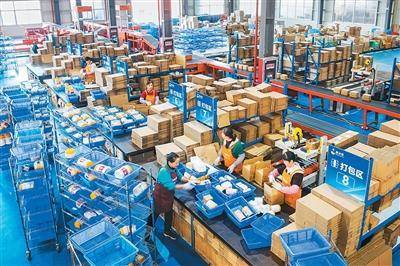
“双十一”17年,今年有哪些新变化?
Zhong Guo Jin Rong Xin Xi Wang· 2025-11-11 23:05
Core Insights - The "Double Eleven" shopping festival has evolved into a longer event, with major platforms extending the promotional period to over 30 days, reflecting a shift towards more rational consumer behavior [1][2] - AI technology is enhancing the shopping experience, allowing for personalized recommendations and improved efficiency for merchants, leading to the rise of niche markets [2][3] - Instant retail is becoming a significant trend, integrating online and offline resources to improve delivery efficiency and consumer satisfaction [3][5] Group 1: Changes in Consumer Behavior - This year's "Double Eleven" has seen a shift towards rational consumption, with consumers focusing more on quality rather than just price sensitivity [1] - Promotional strategies have simplified, moving away from complex calculations to more straightforward discounts, indicating a change in consumer expectations [1] - The use of professional knowledge and deep experiences in live streaming has become a competitive advantage for e-commerce platforms [1] Group 2: AI's Role in the Market - AI tools like "AI万能搜" and "AI清单" are addressing millions of consumer needs and providing customized shopping lists, significantly enhancing the shopping experience [2] - The shift in traffic logic from "explosive product recommendations" to "target audience matching" allows smaller merchants to gain visibility [2] - AI is also optimizing operational strategies for merchants, improving both service quality and efficiency [2] Group 3: Instant Retail Development - Instant retail has gained traction, with platforms like Meituan and Douyin facilitating rapid delivery from local stores, enhancing consumer convenience [3][4] - Over 30,000 brands and 400,000 stores have joined platforms like Taobao Flash Sale, demonstrating the integration of online and offline retail [5] - The collaboration between e-commerce platforms and physical retailers is creating a synergistic effect, driving digital transformation in the retail sector [5]
AI医疗迈向“深水区”:资本加码、技术深耕,多元场景加速落地
Cai Jing Wang· 2025-11-06 13:29
Core Insights - The enthusiasm for AI in the healthcare sector is evident as multiple companies, including Wavebio, Optain Health, and Baidu Health, secure new rounds of financing, with Baidu Health's "AI Butler" and a 70% year-on-year revenue increase in AI business from Meinian Health [1][5] - AI is increasingly playing a significant role across various medical subfields, including drug development, surgical robots, AI medical assistants, and intelligent healthcare management [1] - The AI pharmaceutical sector is rapidly growing, with companies like Eli Lilly investing heavily in AI platforms to shorten drug development cycles [2][3] Investment and Market Trends - Eli Lilly announced the establishment of a comprehensive platform integrating AI, high-performance computing, and biopharmaceutical data, following a $1.3 billion acquisition of AI pharmaceutical company Superluminal [2] - The AI pharmaceutical market is projected to see a significant increase, with a forecasted growth from 8.8 billion yuan in 2023 to 315.7 billion yuan by 2033, reflecting a compound annual growth rate of 43.1% [3] - The number of AI pharmaceutical companies in China is expected to reach 105 by the end of 2024 [3] Technological Advancements - AI is transforming traditional drug discovery processes, improving efficiency and accuracy in antibody discovery, and potentially reducing overall drug development time and costs [3] - Companies like Wavebio are integrating conversational AI into healthcare, enabling 24/7 online consultations and significantly reducing operational costs for healthcare institutions [4] - AI applications in disease screening and diagnostics are also advancing, with Optain Health focusing on early detection of diseases through AI and retinal imaging technology [4] Industry Collaboration and Ecosystem - The development of AI in healthcare requires collaboration across the entire industry chain, with technology giants providing foundational models and specialized companies focusing on specific medical applications [7] - The integration of AI into healthcare is moving from auxiliary tools to essential components of medical services, addressing traditional healthcare challenges [4][6] - Data security and privacy are critical considerations in the deployment of AI in healthcare, necessitating robust measures to protect patient information and ensure compliance with regulations [6][8]





从技术工具升级为国家战略 未来有AI伴随的一天是什么样的?
Yang Shi Xin Wen· 2025-08-28 14:14
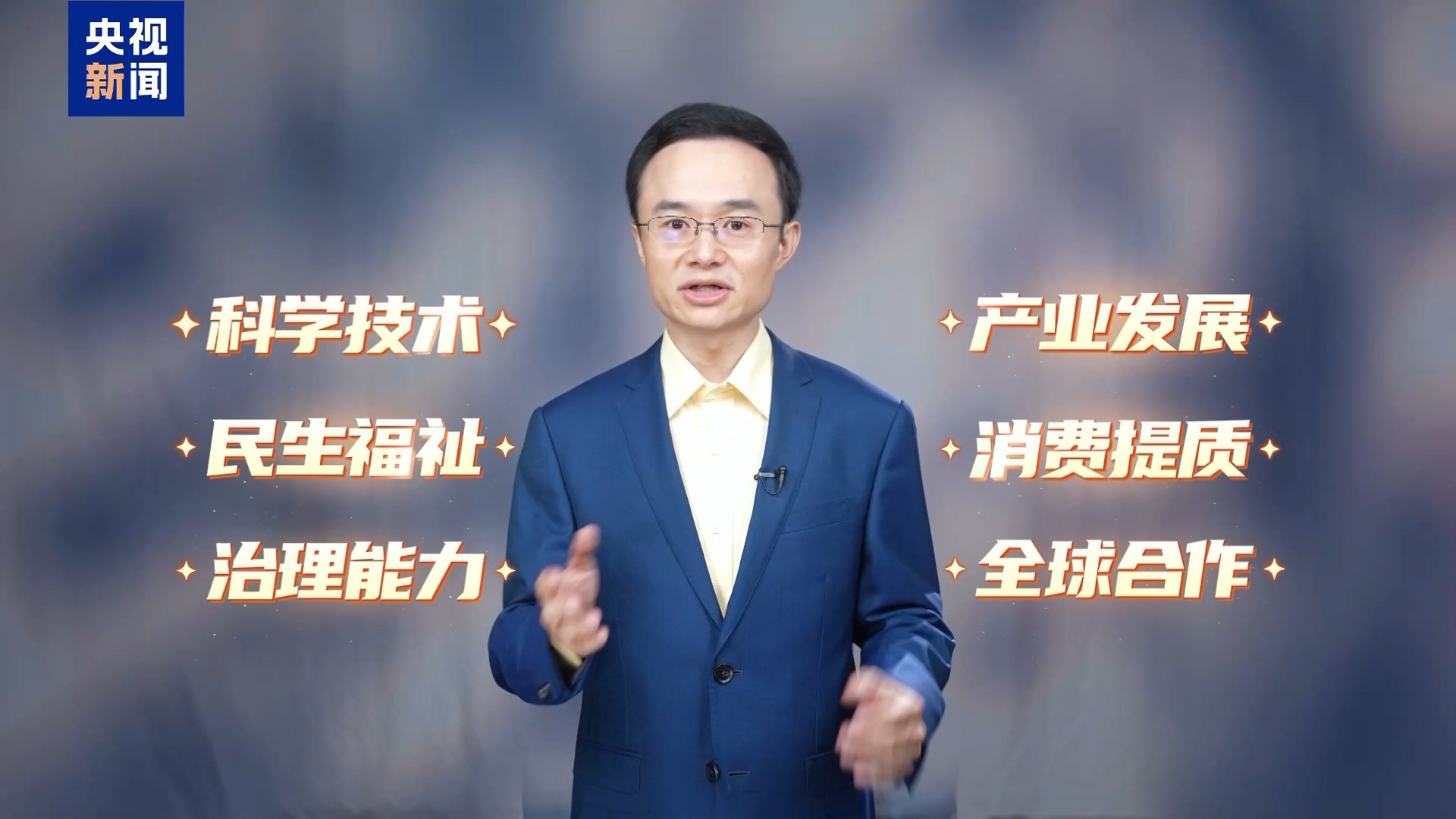
Core Insights - The State Council of China issued the first comprehensive document on AI, outlining the development path for "Artificial Intelligence +" over the next decade [1] - By 2027, the goal is to achieve widespread integration of AI in six key areas, with over 70% application penetration of new intelligent terminals and systems [1][3] Group 1: Key Areas of AI Integration - The six key areas for deep integration of AI include scientific technology, industrial development, quality improvement in consumption, welfare for the public, governance capabilities, and global cooperation [3] - AI is expected to be widely applied in various sectors such as research, education, healthcare, and elderly care, with a particular focus on consumer and public welfare [3] Group 2: Future Projections - By 2035, it is anticipated that over 90% of essential services will incorporate AI technology, transforming AI from a technical tool into a national strategy and a fundamental infrastructure akin to utilities [5] - The current phase is seen as a critical window for application deployment, comparable to the internet boom in the 1990s and the smartphone revolution in the early 21st century [7]
手机里的数字金融
3 6 Ke· 2025-08-08 03:57
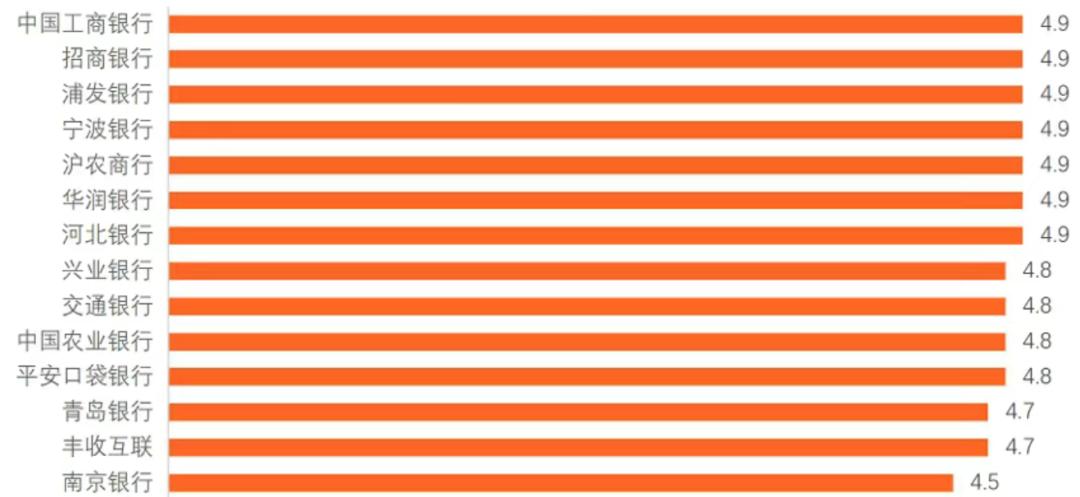
Core Insights - Mobile banking is identified as a pivotal point for driving technological innovation and financial services in the banking industry, serving as a "super entrance" that significantly influences a bank's level of digitalization [1] - The 2024 China Digital Banking Survey indicates that among five retail digital channels, only mobile banking users have shown year-on-year growth, while other channels have either stagnated or declined [1] - Mobile banking serves as a key platform for assessing banks' digital capabilities, AI model capabilities, infrastructure, and data asset innovation and application [1] Group 1: Mobile Banking Development - Since 2009, Chinese banks have been developing their banking apps, with 14 out of 18 national banks completing their app development from scratch between 2009 and 2013 [2] - The evolution of banking apps has transitioned from a rapid growth phase (2.0) to a refined operational phase (3.0), currently moving towards an AI-driven phase (4.0) [4] - Key trends in mobile banking app updates include deepening intelligence, extending scenarios, promoting inclusivity, and enhancing security [4][6] Group 2: AI and User Experience - AI technology is being fully applied in high-frequency scenarios, shifting services from passive responses to proactive predictions, exemplified by initiatives like ICBC's "AI Butler" and CMB's "AI Translation Assistant" [4] - User experience is prioritized, with banks focusing on simplifying interfaces and providing personalized services, such as ICBC's "embracing" homepage design and CMB's new desktop widget features [10][14] - The integration of AI in mobile banking is not limited to customer service but extends to enhancing user experience through personalized recommendations and streamlined operations [17][20] Group 3: Specialized Services and Ecosystem Integration - Some banks are offering customized services for specific demographics, such as ICBC's "Xinjiang Uygur version" for elderly clients [7] - Mobile banking apps are increasingly integrating non-financial services, enhancing their role in daily life, as seen with Ningbo Bank's addition of local services and ICBC's support for WeChat integration [6] - The future of mobile banking will see intensified competition among banks, particularly as smaller banks merge and upgrade their technological capabilities [22]






氪星晚报 |沃尔沃汽车美国工厂因供应链问题暂停生产;五粮液:暂无计划在香港上市
3 6 Ke· 2025-05-28 11:15
Group 1: Corporate Developments - Didi Enterprise Edition has become the first travel service provider for 3M in China, offering efficient and sustainable travel management solutions [1] - Samsung Medical is expected to win a procurement project from State Grid with a total estimated value of approximately 213 million yuan [2] - Weir Shares is reportedly preparing for an IPO in Hong Kong, aiming to raise no more than 1 billion USD [3] - ExxonMobil is in exclusive negotiations to sell its majority stake in its French subsidiary Esso to a Canadian energy group, with a share price of 149.19 euros [4] - Lenovo has upgraded its Tianxi personal super-intelligent system to create a comprehensive human-machine collaboration ecosystem [4] - Volvo has temporarily halted production at its South Carolina plant due to supply chain issues related to a hardware component [5] - Midea Group has established a new retail company in Foshan with a registered capital of 10 million yuan [5] - Wuliangye has stated that it has no plans to list in Hong Kong [6] - Xiaohongshu e-commerce has launched the "Friendly Market," providing over 1 billion traffic support for selected products [7] - Suning.com has started its 618 sales event, offering various discounts and subsidies [8] - Kingsoft reported a revenue of 2.338 billion yuan for Q1 2025, a 9% year-on-year increase [9] - Ant Group showcased its focus on applications and exploration of AI capabilities during its technology open day [10] Group 2: Investment and Financing - Hangzhou Daka Technology Group has completed a 20 million yuan Series A financing round, aimed at enhancing its smart IoT platform and AI applications [11] - Jiangsu Eslong Holdings has completed a 50 million yuan Series A financing round, focusing on new energy technology and green technology commercialization [12] Group 3: New Products and Market Trends - DJI is set to enter the robotic vacuum market with its first product expected to launch in June [13] - The China Passenger Car Association reported that retail sales of passenger cars from May 1-25 reached 1.358 million units, a 16% year-on-year increase [15] - Retail sales of new energy vehicles during the same period reached 726,000 units, a 31% year-on-year increase, with a penetration rate of 53.5% [15]