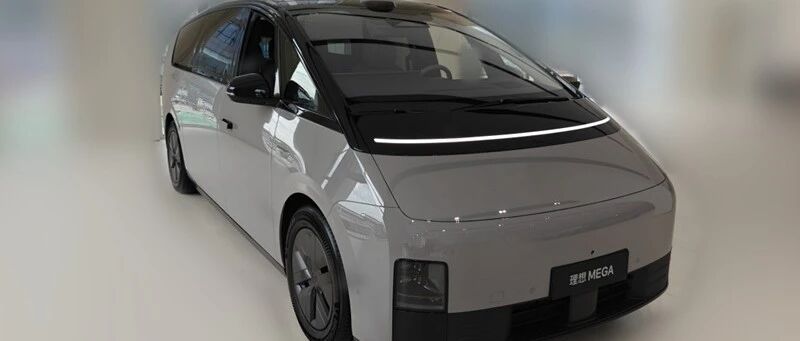
D9

Search documents
整车东南亚专家交流
2026-03-24 01:27
Summary of Conference Call Records Industry Overview - The conference call discusses the electric vehicle (EV) market in Southeast Asia, focusing on countries such as Thailand, Indonesia, Malaysia, Singapore, Vietnam, and the Philippines. The overall target for ASEAN's terminal sales in 2026 is set at 180,000 units, representing a 30% increase from previous figures [1][13]. Key Insights and Arguments Market Dynamics - **Thailand** is identified as the core growth market, with monthly orders reaching 7,000-8,000 units. Indonesia and Malaysia follow, with monthly orders of approximately 3,000 and over 2,000 units, respectively [2][1]. - The geopolitical situation has led to a 20% increase in oil prices, resulting in a 20%-30% increase in foot traffic and intention orders at dealerships [1][2]. - The Thai government has introduced a second wave of subsidies (10,000-30,000 THB) that equalizes the price of electric vehicles (EVs) with Japanese fuel vehicles [1][3]. Pricing and Product Strategy - The average price of vehicles is expected to rise above 200,000 RMB by 2026, driven by a shift towards high-end models such as the Tengshi Z9 and Yangwang U7, while new small car models are being deprioritized [1][15]. - In Singapore, the price difference between gasoline and electricity is significant, with gasoline costing about 15 RMB per liter compared to electricity at 1.5 RMB per kWh, leading to a projected EV penetration rate of 30%-40% [4][5]. Regional Market Characteristics - **Vietnam** is shifting from protecting local brand VinFast to a more open market, with plans to export through KD factories and supercharging technology [1][9]. - **Australia** has seen BYD surpass Tesla with a market share of about one-third, driven by the introduction of pickup trucks and ongoing government subsidies [1][17]. - The **Indian market** is focused on commercial vehicles, particularly electric buses, with limited growth in private passenger vehicles due to infrastructure and subsidy challenges [1][16]. Competitive Landscape - In Vietnam, the company plans to leverage local partnerships and KD factories to navigate the competitive landscape dominated by VinFast [9][11]. - The Philippines faces high energy costs, with gasoline prices around 10 RMB per liter and electricity costs nearing 2 RMB per kWh, limiting the growth of EVs despite some recent tax incentives [12][13]. Additional Important Insights - The average selling price in the ASEAN market for 2025 is projected at 180,000 RMB, with expectations for an increase in 2026 due to a shift towards higher-value models [15][16]. - The company is focusing on standardizing channel management and enhancing local service capabilities to compete with established brands like Toyota [13][14]. - The potential for growth in the Indian market is significant, but challenges remain due to a lack of strong policy support and infrastructure [16][18]. Conclusion - The Southeast Asian EV market is poised for growth, driven by government subsidies, changing consumer preferences, and competitive pricing strategies. However, regional differences in oil and electricity prices, along with varying government policies, will significantly influence market dynamics and company strategies moving forward [1][19][20].

中国车企深入巴西腹地
Cai Jing Wang· 2026-01-06 13:38
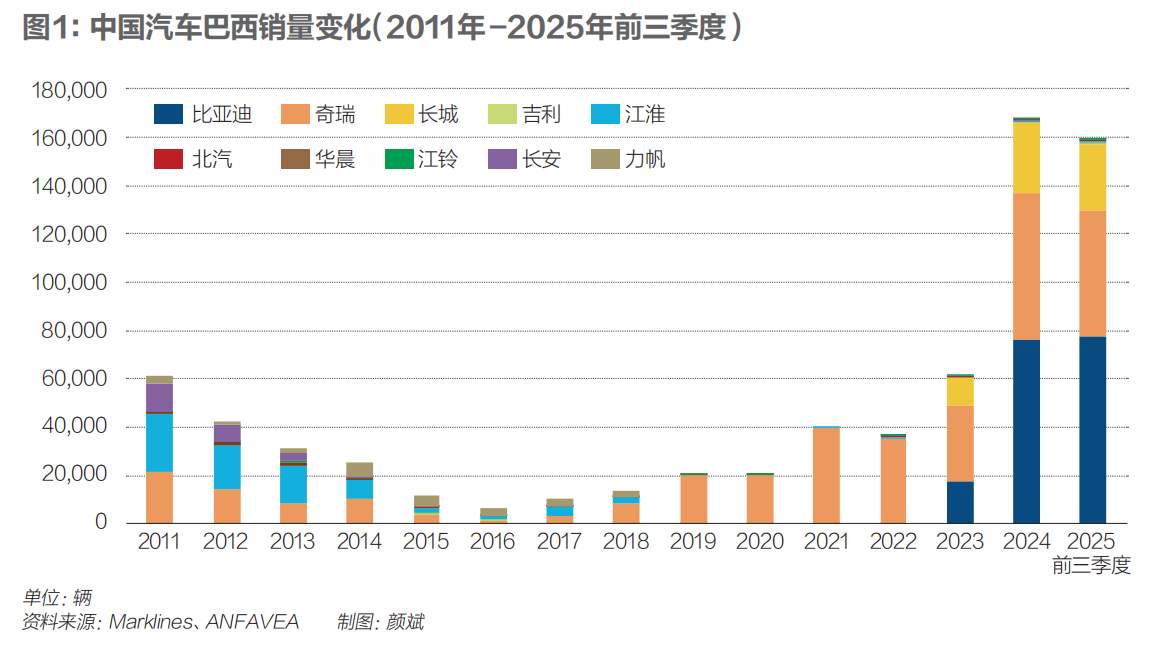
Core Insights - Chinese automotive brands are rapidly establishing a foothold in the Brazilian market, with nearly 40% representation at the São Paulo International Motor Show, showcasing a significant shift in market dynamics [1][3] - The success of Chinese companies in Brazil hinges on their ability to localize supply chains and enhance after-sales services, addressing past shortcomings [1][4] Group 1: Market Presence and Strategy - The São Paulo International Motor Show marked a collective appearance of Chinese brands, with notable participation from companies like BYD, Great Wall, and Chery, indicating a strong market presence [1][2] - Chinese brands are adopting high pricing strategies, with BYD's Tang L model priced at 399,900 reais (approximately 530,000 RMB), reflecting a shift towards the premium segment [1] - The overall market share of Chinese automotive companies in Brazil has surpassed 10%, establishing them as emerging players in the local automotive industry [3] Group 2: Historical Context and Evolution - The journey of Chinese automotive companies in Brazil can be divided into distinct phases: the initial wave from 2009 to 2014, a rebuilding phase from 2015 to 2020, and a resurgence starting in 2021 [7] - The first wave (2009-2014) was characterized by low-cost strategies and heavy marketing, but faced challenges due to a lack of localization and subsequent government policies that increased import taxes on non-localized vehicles [8][11] - The second phase saw companies like Chery pivoting to local partnerships, which helped improve brand perception and sales, with CAOA Chery achieving a 122% sales increase by 2018 [12] Group 3: Technological and Market Adaptation - The current wave (2021 onwards) is marked by significant capital investment and a focus on local production, with companies like Great Wall acquiring existing factories to establish a manufacturing base [13] - Chinese companies are leveraging advanced technologies in electric and hybrid vehicles, with BYD and Great Wall forming a duopoly in the Brazilian new energy vehicle market [14][20] - The adaptation to local market conditions includes developing vehicles that cater to Brazil's unique energy structure, particularly the prevalence of ethanol as a fuel source [27][28] Group 4: Challenges and Opportunities - The Brazilian automotive market presents challenges such as a highly unequal income distribution and specific consumer preferences for smaller vehicles due to parking constraints [23][24] - Chinese brands are addressing these challenges by offering compact, technologically advanced vehicles that appeal to middle-class consumers, moving away from the low-cost strategy of the past [25] - The Brazilian government's "MOVER" plan aims to stimulate local investment in high-efficiency vehicles, providing a framework for Chinese companies to align their strategies with national goals [29][32] Group 5: Future Outlook - The success of Chinese automotive companies in Brazil will depend on their ability to integrate technology transfer, deepen local market engagement, and enhance supply chain capabilities [33] - The potential for Chinese brands to act as a catalyst for innovation in the Brazilian automotive sector is recognized by the government, which seeks to leverage their presence for broader industrial upgrades [19][32]


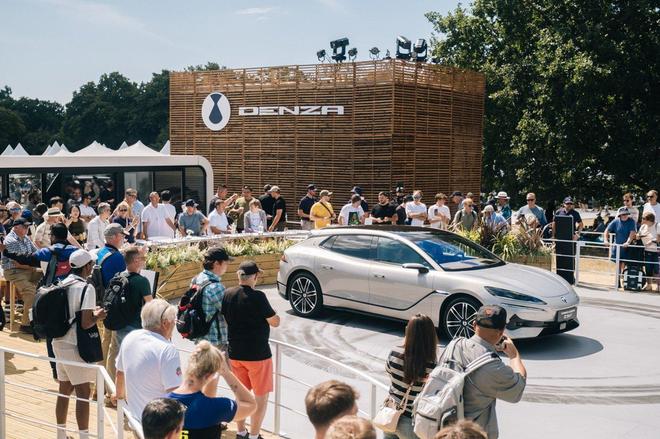
从全年销量看腾势:一个跑通的高端品牌样本
Tai Mei Ti A P P· 2026-01-03 09:57
Core Viewpoint - Tengshi's performance in 2025 reflects a stable growth trajectory in the high-end electric vehicle market, distinguishing itself from competitors who rely on aggressive pricing strategies and promotions [2][6][20]. Sales Performance - In December 2025, Tengshi achieved a monthly sales volume of 18,139 units, representing a month-on-month increase of 36.8% and a year-on-year increase of 20.5%. The total annual sales reached 157,134 units, marking a year-on-year growth of 24.7% [2]. - The average transaction price for the brand remained high at 361,000 yuan, indicating a strong position in the high-end market segment [2][23]. Market Dynamics - The Chinese electric vehicle market is experiencing a clear segmentation: the low-end market is declining post-subsidy, the mid-range market is engaged in price wars, and the high-end market is showing significant differentiation [6][20]. - Tengshi's strategy diverges from the prevalent market trend by focusing on stable growth without resorting to frequent model updates or short-term incentives [7][8]. Brand Positioning - Tengshi has transitioned from being a new brand in the growth phase to a more mature brand with predictable growth capabilities in the high-end price range [8][20]. - The brand's ability to maintain a stable average transaction price without relying on price reductions signifies a robust underlying technology and market validation [8][24]. Product Strategy - The D9 model serves as a pivotal point in Tengshi's high-end strategy, successfully redefining the MPV market and establishing a new commercial logic [9][12]. - The introduction of the N8L model indicates Tengshi's capability to replicate its success in the competitive family SUV market, which is characterized by a multitude of choices and cautious consumer decision-making [13][16]. Business Model Evolution - Tengshi is moving towards a dual-core strategy with both D9 and N8L models, enhancing its resilience against market fluctuations [18]. - The brand's diversified product line improves its risk structure and supports long-term performance through stable channel confidence and inventory strategies [18][26]. User Engagement - Tengshi's user base is shifting from price sensitivity to a focus on suitability, indicating a maturation in consumer decision-making processes [25]. - The brand's channels are evolving into long-term partners rather than mere sales conduits, reflecting confidence in product stability and pricing [26]. Technological Foundation - Tengshi has developed a comprehensive technological brand matrix, emphasizing sustainable and verifiable user experiences, which is crucial for long-term brand trust [27]. - The ongoing investment in technology and product development is establishing a solid foundation for Tengshi's high-end positioning [27][29]. Global Expansion - With a firm foothold in the high-end market, Tengshi is now poised to explore international opportunities, challenging the notion that high-end status can be achieved through rapid scaling or subsidies [28][29]. - The brand's stable growth model may serve as a benchmark for other Chinese brands aiming to establish themselves in the high-end market without relying on low pricing strategies [29].
“金九银十”在即,1-8月比亚迪以286万销量领先锁定年度车市冠军
Xin Lang Cai Jing· 2025-09-23 21:10
Group 1: Market Performance - In the first eight months of 2025, China's automotive market continued its growth trend, with both production and sales exceeding 20 million units. The penetration rate of new energy vehicles (NEVs) reached 55.3%, and the market share of domestic brands hit 64% [1] - BYD sold 374,000 NEVs in August, with cumulative sales of 2.864 million units from January to August, representing a year-on-year growth of 23%, significantly outpacing the industry average [1] - BYD's single-brand sales reached 2.63 million units from January to August, maintaining its position as the top seller in the market [1] Group 2: Technological Advancements - BYD's continuous sales growth is supported by strong technological capabilities and product offerings, with the "Heavenly Eye" driver assistance system having sold over 1.4 million units since its launch [1] - In August, BYD's sales of intelligent driving assistance models reached 263,700 units, surpassing the combined sales of brands ranked second to tenth [1] - Innovations such as the Lingyuan drone system and the super e-platform with megawatt fast charging technology have contributed to BYD's sales momentum [1] Group 3: Global Expansion - BYD's overseas market performance is also impressive, with 80,464 units of passenger cars and pickups sold abroad in August, marking a year-on-year increase of 146.4% [2] - Cumulative overseas sales for 2025 reached 630,728 units, a year-on-year growth of 135.7%, accounting for 22% of total sales [2] - At the recent Munich Motor Show, BYD showcased several key models and announced that its factory in Hungary will commence production within the year [3] Group 4: Future Outlook - Moving forward, BYD aims to leverage continuous technological innovation, an expanding product matrix, and deeper global integration to drive the new energy vehicle industry towards greater efficiency, intelligence, and environmental sustainability [4]
理想MEGA:买这车不对比竞品,能来到店里的就是高意向客户
车fans· 2025-09-23 00:30
Core Viewpoint - The success of the MEGA model, achieving monthly sales of over 3,000 units, highlights the importance of product strength despite initial controversies regarding its pricing and appearance [1]. Group 1: Customer Traffic and Sales Performance - In a third-tier city, the local delivery center experiences daily foot traffic of over 200 customers, with weekends seeing around 500 [2]. - Last month, the store sold 86 vehicles, with 4 MEGA units delivered, indicating a steady demand [3]. Group 2: Customer Demographics and Preferences - The majority of MEGA buyers are families, particularly those with two children, making up 70% of the customer base [5]. - Customers are generally well-informed and come specifically to purchase the MEGA, often without needing extensive sales pitches [5][7]. Group 3: Competitive Landscape - MEGA customers rarely mention competitors, indicating a strong brand loyalty and direct interest in the MEGA model [10]. - While some competitors like GL8 and D9 are occasionally referenced, they are not the primary focus for MEGA buyers [10]. Group 4: Vehicle Configuration and Pricing - The MEGA is available in two versions, Home and Intelligent Renewal, with no significant issues regarding sellability of configurations [12]. - The pricing strategy includes a down payment starting at ¥15.98 million, with various financing options available [13]. Group 5: Customer Feedback - Customers have praised the intelligent driving assistance system, especially after the introduction of VLA [17]. - Positive feedback also includes spaciousness, comfort, and the convenience of the charging network [19][20]. Group 6: Maintenance Costs - Routine maintenance costs are relatively low, averaging around ¥300 for standard services [22]. Group 7: Customer Sentiment - Customers are encouraged to purchase vehicles they genuinely like, rather than succumbing to external opinions [24].