HUAWEI Mate 80系列

Search documents
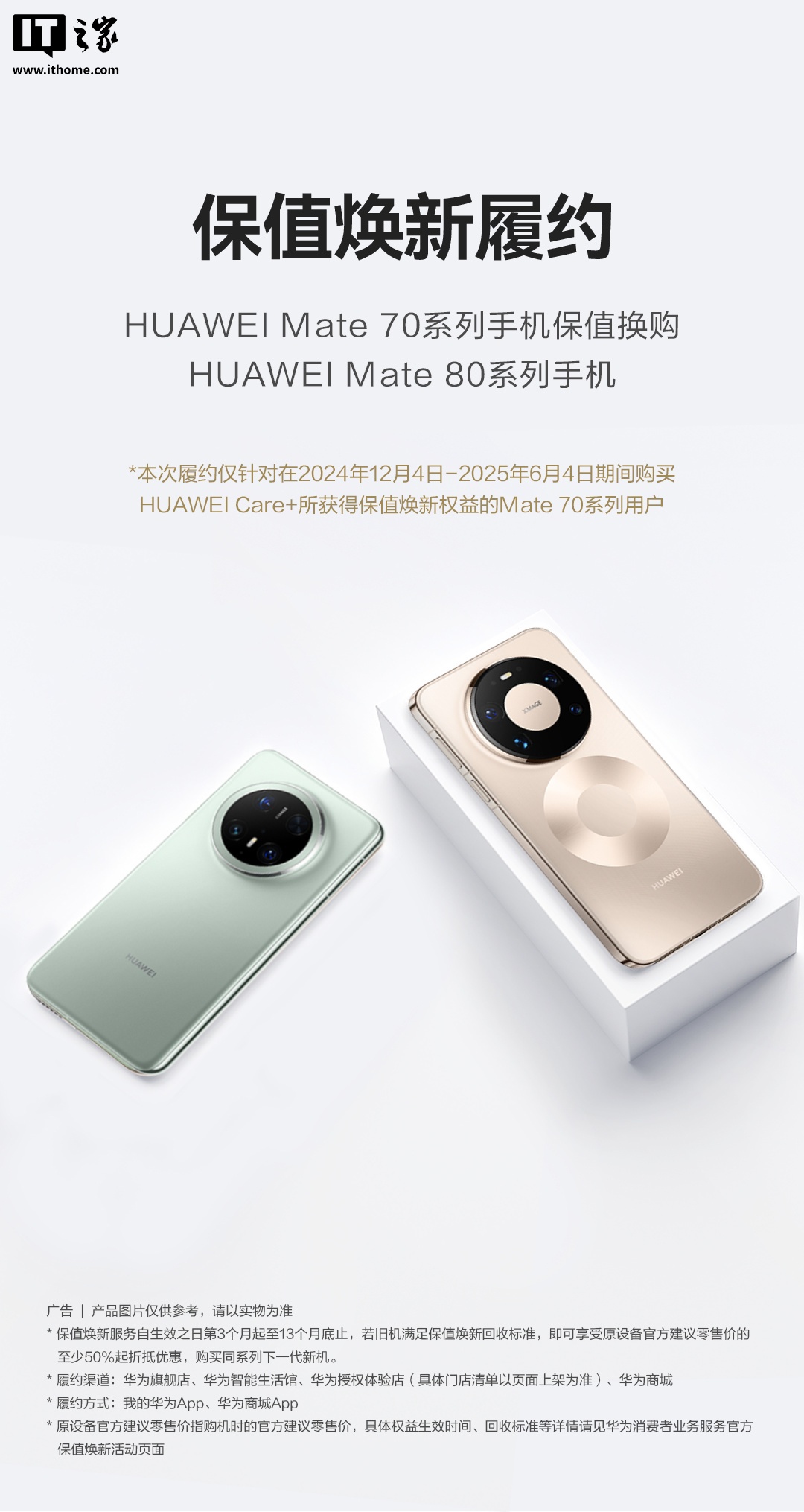
华为 Mate 70 手机保值焕新服务进入履约期:至少保值 50%,提供 80 系列专属换机通道
Xin Lang Cai Jing· 2026-01-08 11:43
Core Points - Huawei has announced the launch of the Mate 70 series phone's value preservation renewal service, which allows users to enjoy a discount of at least 50% on the original device's suggested retail price when trading in for the next generation of the same series [1][13] Group 1: Service Details - The value preservation renewal service is available for users who purchase HUAWEI Care+ between December 4, 2024, and June 4, 2025, specifically for the Mate 70 series [4][16] - The service is effective from the third month after the rights take effect until the end of the thirteenth month, provided the original device meets the recycling standards [4][22] - Users can access a dedicated renewal channel through the Huawei Mall and My Huawei App, specifically for those who purchased HUAWEI Care+ [5][17] Group 2: Eligible Devices - The eligible devices for the value preservation renewal service include the HUAWEI Mate 70 series and the upcoming HUAWEI Mate 80 series [5][11] - The renewal options for the Mate 70 series include the next generation of the HUAWEI Mate 80 series, excluding foldable models [5][11] Group 3: Recycling Standards - The recycling standards for the original device include criteria for appearance and functionality, such as no damage to the frame or screen, and all features must be operational [6][20] - Specific conditions include that the device must power on, charge properly, and have no signs of water damage or unauthorized repairs [6][20]

鸿蒙生态如何打造出境服务新体验?解决出境游"三大难"
经济观察报· 2025-12-26 12:23
Core Viewpoint - Huawei aims to enhance outbound travel experiences by leveraging its HarmonyOS capabilities and fostering partnerships to create a comprehensive service ecosystem for travelers [1][24]. Group 1: Market Trends - By 2025, China's outbound tourism market is projected to experience a robust recovery with an average annual growth rate of 44.3% [2]. - The traditional group travel model is declining, with over 70% of travelers now opting for independent travel, particularly among the "digital natives" of Generation Z [3]. Group 2: User Experience Challenges - Travelers face significant "experience degradation" when transitioning from a highly integrated domestic digital ecosystem to fragmented services abroad [4][5]. - The mismatch in service distribution mechanisms between domestic and international contexts leads to difficulties in accessing essential services while traveling [5]. Group 3: Structural Gaps in Outbound Services - There are three major structural gaps in outbound travel services: 1. **Infrastructure Connection Gap**: Variability in network standards and roaming agreements across countries creates technical barriers [8]. 2. **Information Gap**: The lack of a unified digital intermediary complicates information access and decision-making for travelers [10]. 3. **Local Service Access Gap**: Travelers face high "digital identity costs" when trying to access local services, which are often distributed through traditional app-based models [12][14]. Group 4: Comprehensive Service Integration - Huawei proposes a solution that integrates pre-trip, in-trip, and post-trip services into a seamless experience, addressing the identified gaps [17][18]. - The integration includes features like itinerary management, local service recommendations, and AI-enhanced photo sharing to enhance user satisfaction [20][22]. Group 5: Ecosystem Development - Huawei is building a robust ecosystem by empowering partners and developers to enhance outbound travel services, as seen with the integration of services like Grab and Keeta [25][26]. - The HarmonyOS has launched over 120 outbound service cards, covering essential travel needs such as dining, accommodation, and shopping [27]. - The installed base of HarmonyOS devices has surpassed 32 million, indicating a significant market opportunity for global partners [28].
鸿蒙生态如何打造出境服务新体验?解决出境游"三大难"
Jing Ji Guan Cha Wang· 2025-12-26 11:32
Core Insights - The outbound tourism market in China is experiencing a strong recovery with an average annual growth rate of 44.3% by 2025 [1] - The traditional group tours are declining, with over 70% of travelers now opting for independent travel, primarily driven by the "digital natives" of Generation Z [2] Group 1: Industry Challenges - There is a significant "experience downgrade" for travelers accustomed to a highly integrated digital lifestyle in China when they travel abroad [2][3] - The outbound tourism experience is hindered by three major structural gaps: infrastructure connectivity, information exchange, and local service access [4] - The "infrastructure connectivity gap" arises from differences in network standards, complex roaming agreements, and varying levels of communication infrastructure across countries [5] - The "information exchange gap" is characterized by increased decision-making costs due to fragmented information sources and language barriers, making it difficult for travelers to navigate unfamiliar environments [7] - The "local service access gap" reflects the challenges faced by short-term visitors in establishing a digital identity to access local services, which often requires extensive setup [9][10] Group 2: Solutions Proposed by Huawei - Huawei aims to address these gaps by providing a comprehensive solution that integrates services across the entire travel experience, from pre-trip planning to post-trip sharing [11][12] - The proposed solution includes a unified service platform that aggregates travel information, visa updates, personalized itinerary suggestions, and easy booking options [14] - During the trip, Huawei's services will offer seamless connectivity, navigation, and local recommendations, enhancing the overall travel experience [15][16] - Huawei is also focusing on upgrading its core technologies and services, such as the Petal Maps and Tianji Tong app, to support global connectivity and enhance user experience [17] Group 3: Ecosystem Development - Huawei is building a collaborative ecosystem by empowering partners and developers to enhance outbound travel services, ensuring users have access to high-quality offerings [18][20] - The integration of services like Grab and Keeta into Huawei's ecosystem has significantly improved user experience, with Grab reporting an 18-fold increase in monthly orders after joining [18][19] - As of now, over 120 outbound service cards have been launched within the HarmonyOS ecosystem, covering essential travel needs such as dining, accommodation, and shopping [20] - The number of devices equipped with HarmonyOS has surpassed 32 million, indicating a substantial market opportunity for global partners [21]
苹果放下身段、华米攻入腹地,高端手机战场为何更焦灼了?
Xin Lang Cai Jing· 2025-12-08 01:32
Core Insights - The introduction of the "Doubao AI Assistant" by Nubia aims to revolutionize mobile interaction and system permissions, positioning itself as a potential supplier of smart driving systems for smartphones [2][39] - The competition in the high-end smartphone market is expected to intensify in 2024, with Apple accelerating its integration into China's social and content e-commerce ecosystem [2][24] Group 1: Market Dynamics - Domestic smartphone brands are actively positioning themselves in the high-end market, with a notable shift towards premium models priced above 6000 yuan, which is the only segment showing growth [7][42] - According to Counterpoint Research, the market share of high-end smartphones priced at $600 and above has increased from 11% in 2018 to 28% in 2024, driven primarily by Huawei's resurgence [8][43] - Huawei's market share in the high-end segment rose from 20% to 29% within a year, making it the fastest-growing domestic smartphone manufacturer [8][43] Group 2: Product Innovations - The Huawei Mate 80 series has successfully ended Apple's dominance in the high-end market, featuring significant technological advancements and achieving strong sales shortly after launch [12][47] - Xiaomi's 17 series has also gained traction, with a notable sales figure of 2.34 million units, and is positioned to compete directly with Apple's iPhone 17 [6][41][49] - OPPO and Vivo have introduced competitive models, such as the Find X9 series and X200 series, which have shown strong sales performance and contributed to the overall growth in the high-end market [52][54] Group 3: Competitive Landscape - Apple remains a significant competitor in the high-end smartphone market, with its iPhone 17 series experiencing a resurgence in sales, capturing 25% of the market share by October [20][59] - The introduction of the iPhone 17 series has prompted domestic brands to adjust their product strategies in response to Apple's aggressive market tactics [55][60] - The competition is expected to escalate further with the anticipated release of the iPhone 18 series, which aims for a production target of 95 million units, reflecting Apple's confidence in maintaining its market position [25][60] Group 4: Challenges and Future Outlook - The reduction in government subsidies and rising prices have negatively impacted the entry-level high-end market, leading to a 9% decline in sales in that segment [27][65] - The challenges faced by the Doubao AI phone highlight the broader difficulties in the high-end smartphone market, particularly regarding the integration of AI capabilities within existing app ecosystems [30][32][67] - The future of high-end smartphone competition will hinge on the ability of brands to navigate ecological barriers and establish a competitive edge through technological innovation and user experience [68][69]


重塑数字生活边界:华为亮相2025数智科技生态大会,描绘全场景互联生活蓝图
Sou Hu Cai Jing· 2025-12-07 21:14
Core Insights - The 2025 Smart Technology Ecological Conference showcased Huawei's vision for a seamless smart living space, moving beyond traditional hardware performance discussions to focus on breaking physical barriers between devices [3][10] - Huawei's exhibition highlighted a mature and cohesive ecosystem, emphasizing the integration of hardware and software to enhance user experience and eliminate fragmentation in digital life [10] Group 1: Office and Creation - Huawei's Mate 80 series demonstrated deep collaboration between smartphones, tablets, and PCs, enabled by the new HarmonyOS NEXT, allowing for instantaneous cross-device content transfer through intuitive gestures [4][6] - This innovation simplifies the sharing process, enhancing efficiency by allowing data and creativity to flow freely across different screen sizes without being confined to a single device [6] Group 2: Perception and Flow - The exhibition featured Huawei's FreeClip 2, which showcased high sensitivity and seamless audio switching between devices, compatible with both iOS and Android [7] - The Huawei WATCH Ultimate 2 advanced health monitoring by synchronizing data in real-time across devices, creating a comprehensive digital health profile for users [7] Group 3: Travel as Life - The highlight of the exhibition included the HarmonyOS Smart Travel section, featuring models like the Wanjie M9 and Xiangjie S9, demonstrating the "unconscious relay" of navigation information from smartphones to car displays [8][10] - Since its launch in November 2023, HarmonyOS Smart Travel has achieved a family of ten vehicles and surpassed one million deliveries, leading the high-end luxury car market in China with over 80,000 units sold in November alone [10]
一则消息!地产龙头跳水大跌,股债双杀!发生了什么?利好不断,固态电池掀起涨停潮...
雪球· 2025-11-27 08:06
Market Overview - The market experienced a mixed performance with the Shanghai Composite Index rising by 0.29% while the Shenzhen Component and ChiNext Index fell by 0.25% and 0.44% respectively. The total trading volume in the Shanghai and Shenzhen markets was 1.71 trillion yuan, a decrease of 73.6 billion yuan compared to the previous trading day [2] - Over 2,700 stocks in the market saw an increase, with sectors such as organic silicon, batteries, and consumer electronics leading the gains, while sectors like Hainan, film and television, and AI applications faced declines [2] Real Estate Sector - Vanke A experienced a significant decline, with its stock price dropping by 7.13% to 5.47 yuan, resulting in a total market capitalization of 65.2 billion yuan [6] - In the bond market, Vanke's bonds also suffered, with "21 Vanke 02" dropping over 70%, "21 Vanke 06" down over 23%, and "23 Vanke 01" down over 32% [9] - Vanke announced a creditors' meeting to discuss the extension of its "22 Vanke MTN004" notes, scheduled for December 10 [9] Technology Sector - The technology sector showed strong performance, particularly in the semiconductor, consumer electronics, and computing power industries [10] - The consumer electronics sector saw a boost following Huawei's product launch event, which introduced several new devices [14] - The AI-driven consumer electronics sector reported a 19% year-on-year increase in revenue for Q3, with a 26.5% quarter-on-quarter growth, and a 26% increase in net profit year-on-year [14] Battery Industry - The lithium battery sector experienced a surge, particularly in solid-state batteries, with companies like Yishitong and Haike New Energy hitting the 20% daily limit [17][19] - Recent reports highlighted advancements in solid-state battery production, with expectations for global shipments to reach 614 GWh by 2030, and significant growth in the Chinese market anticipated [20] - The industrialization of solid-state batteries is accelerating, with large-scale production expected to begin around 2030 [20]


A股收评 | 创指冲高回落跌0.44% 消费电子全天强势 当下行情怎么看?
智通财经网· 2025-11-27 07:32
Market Overview - The market experienced a mixed performance with the Shanghai Composite Index rising by 0.29%, while the Shenzhen Component Index and the ChiNext Index fell by 0.25% and 0.44% respectively [1] Key Sectors Consumer Electronics - The consumer electronics sector showed strong performance, driven by the launch of new products from Huawei, including the HUAWEI Mate 80 series and other devices [2][5] - The sector is expected to benefit from AI technology integration, with a focus on high-end markets and a structural recovery rather than a broad-based rebound [5] Semiconductor - The semiconductor sector saw significant gains, with companies like Saiwei Electronics rising over 15% [7] - Google's push to challenge NVIDIA's dominance in AI chips is expected to drive demand for AI-related semiconductor products [7] Solid-State Batteries - Solid-state battery stocks experienced a surge, with companies like Yishitong hitting the daily limit [9] - The global solid-state battery market is projected to exceed 700 GWh by 2030, with full solid-state batteries expected to enter a critical testing phase between 2026 and 2027 [9] Organic Silicon - The organic silicon sector showed upward movement, with companies like Jinyinhe and Chenguang New Materials seeing significant gains [14] - Price increases of 10-20% for major products in the organic silicon business are expected to support industry profitability [14] CPO (Co-Packaged Optics) - The CPO concept gained traction, with Cambridge Technology rising over 5% [12] - Meta's plans to utilize Google Cloud's TPU for AI capabilities are anticipated to boost demand in the AI computing supply chain [12] Market Sentiment - Analysts suggest that the overall market fundamentals remain stable, with short-term adjustments likely to set the stage for future growth [4][16] - The market is expected to continue a "slow bull" trend, with potential for a narrow upward movement in December [17]

“纪连海”“易中天”联手大涨,发生了什么?
天天基金网· 2025-11-27 05:19
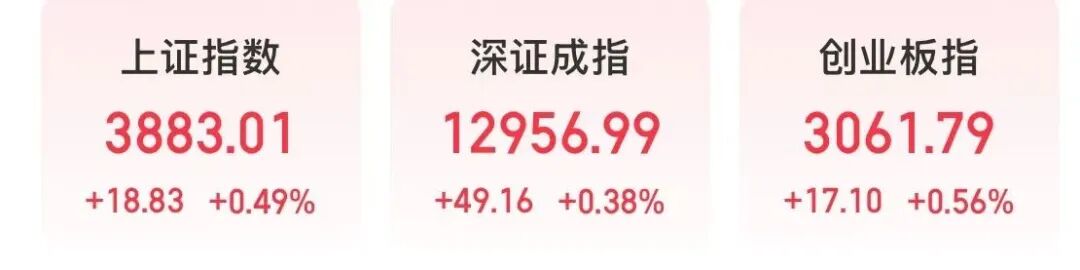
Group 1: Technology Sector Performance - The technology sector saw a significant rise, particularly in the computing power industry chain, with stocks like New Yisheng, Zhongji Xuchuang, and Tianfu Communication experiencing notable gains [2][4] - The Shanghai Composite Index rose by 0.49%, the Shenzhen Component Index increased by 0.38%, and the ChiNext Index went up by 0.56% [2] Group 2: Semiconductor and Consumer Electronics - The semiconductor industry chain and consumer electronics concepts also showed strong performance, with a notable increase in the consumer electronics sector, which saw a 19% year-on-year revenue growth and a 26.5% quarter-on-quarter growth in Q3 [8] - Huawei's recent product launch event showcased several new devices, contributing to the positive sentiment in the consumer electronics market [6][8] Group 3: Lithium Battery Industry - The lithium battery industry experienced a rebound, particularly in the solid-state battery segment, with companies like Yishitong and Huazi Technology seeing significant stock price increases [10][12] - The establishment of a large-capacity solid-state battery production line by GAC Group marks a significant advancement, with the potential for batteries to achieve over 1000 km range by 2030 [12] - According to China International Capital Corporation, the lithium battery industry's price stabilization and improved supply-demand structure indicate a potential upward trend starting in 2026, driven by energy storage demand and new technology breakthroughs [12]
“纪连海”“易中天”,联手冲高
Zhong Guo Zheng Quan Bao· 2025-11-27 04:51
Group 1: Technology Sector Performance - The technology sector saw a significant rise, particularly in the computing power industry chain, with stocks like New Yisheng, Zhongji Xuchuang, and Tianfu Communication showing notable gains [1][2] - The Shanghai Composite Index increased by 0.49%, the Shenzhen Component Index rose by 0.38%, and the ChiNext Index climbed by 0.56% by the end of the morning session [1] Group 2: Consumer Electronics - The consumer electronics sector experienced a boost, with a reported 19% year-on-year increase in revenue and a 26.5% quarter-on-quarter increase in Q3 [5] - Huawei launched several new products, including the HUAWEI Mate 80 series and HUAWEI Mate X7, which contributed to the positive sentiment in the consumer electronics market [4][5] Group 3: Lithium Battery Industry - The lithium battery sector rebounded, with solid-state battery stocks leading the gains, and companies like Yishitong and Penghui Energy showing significant increases [7][8] - GAC Group announced the establishment of the first large-capacity all-solid-state battery production line in China, which is expected to enhance energy density and extend vehicle range significantly [9] - According to China International Capital Corporation, the lithium battery industry's price stabilization and improved supply-demand structure indicate a potential upward trend starting in 2026, driven by energy storage demand and new technology breakthroughs [9]
华为Mate 80系列领衔多款旗舰集中亮相,2025华为全场景新品发布会重磅发布
Huan Qiu Wang· 2025-11-26 01:39
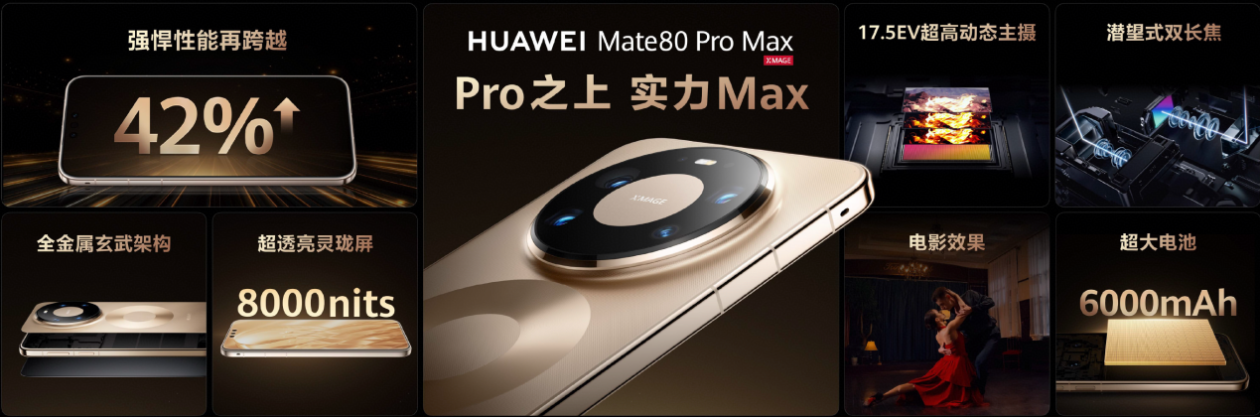
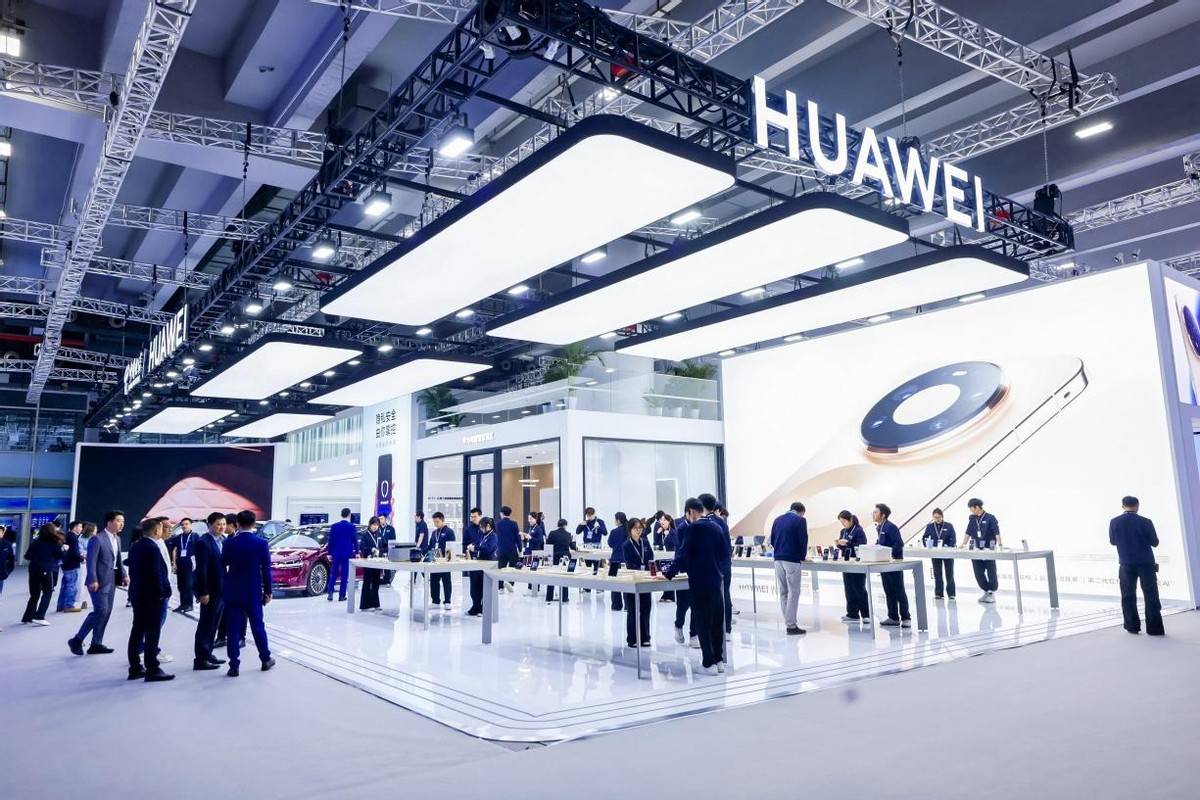
Core Insights - Huawei held a product launch event on November 25, 2025, showcasing multiple flagship products including the HUAWEI Mate 80 series, HUAWEI Mate X7 foldable phone, and various smart devices, emphasizing innovation in smart office, audio-visual entertainment, and smart home scenarios [1][13] Product Highlights - The HUAWEI Mate 80 series features four industry-first technologies: ultra-transparent Linglong display, outdoor exploration mode, emergency communication without a network, and the second-generation Hongfeng imaging system. The Mate 80 Pro Max shows a 42% performance improvement over its predecessor [3] - The HUAWEI Mate X7 foldable phone incorporates a "time-space door" lens module design and boasts a 42% performance increase compared to the Mate X6, with a starting price of 12,999 yuan [6] - The HUAWEI WATCH ULTIMATE DESIGN is priced at 24,999 yuan and features a handcrafted design with 18K gold, while the HUAWEI WATCH Ultimate 2 supports underwater communication and is priced at 6,499 yuan [8] - In the laptop and tablet segment, the HUAWEI MateBook Fold and MateBook Pro are priced at 26,999 yuan and 8,999 yuan respectively, both supporting HarmonyOS 6 [10] - The HUAWEI FreeBuds Pro 5, the first wireless earphones supporting Star Flash audio technology, is priced at 1,499 yuan, while the HUAWEI X3 Pro router starts at 1,299 yuan [11] Market Strategy - The launch event covered a wide range of products including smartphones, wearables, laptops, tablets, audio devices, routers, and smart screens, indicating Huawei's strategy to enhance the all-scenario smart living experience through software-hardware synergy and ecosystem integration [13]