
Meta Orion

Search documents
苹果 AI 眼镜深度爆料汇总:重量低至 40g,2026 发布
3 6 Ke· 2025-12-12 03:32
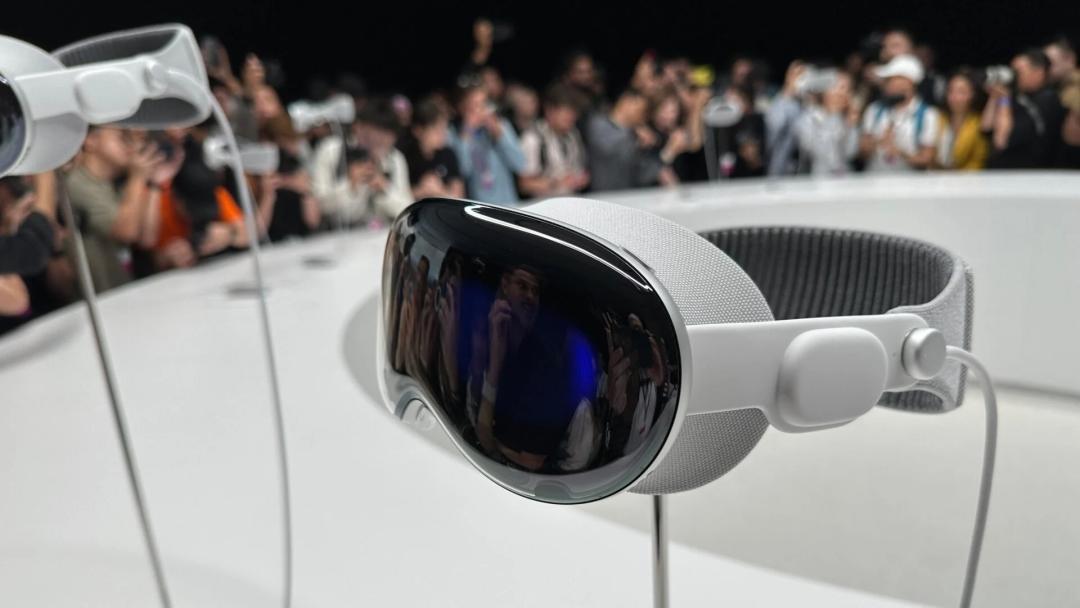
就在最近,有关苹果可穿戴设备「下一章」的消息陆陆续续传出。不同于 Vision Pro 的厚重,这款被外界称为Apple AI Glasses(或 Apple Glass)的新 品,可能会彻底改变我们对「智能眼镜」的刻板印象。如果按照供应链和分析师的预测,我们最早可能在 2025 年底听到它的官方预告,并在 2026 年或 2027 年正式与大家见面。 今年 Vision Pro M5 发售的时候,大家的新鲜劲儿维持了多久? 无论实际体验如何,作为目前「空间计算」领域硬件性能断档领先的存在,Vision Pro 系列还是用两代硬件产品,成功完成了苹果在 XR 领域秀肌肉的任 务。 Apple Vision Pro 是目前业内算力最强的 XR 设备|图片来源:Apple 但同时也留下了一个显而易见的遗憾:它太重了,重到无法成为我们日常生活的一部分。只要一说起苹果的穿戴设备,人们依然更愿意戴上 AirPods,而 不是把一台 iPad 绑在脸上。 近日,根据 9to5Mac 等多家外媒的报道,苹果内部代号为「Project Atlas」的项目已经悄然启动,这标志着苹果对智能眼镜赛道的探索已经从「构想」进 入了「实 ...


AR四小龙,‘危’机交织进行时
Xi Niu Cai Jing· 2025-11-18 09:59
Core Insights - The consumer-grade AR market is evolving with significant investments and technological advancements, indicating a shift from pessimism to optimism in the industry [1][13] - Major tech companies like Meta, Google, and Apple are heavily investing in AR technologies, preparing for a market surge [5][6] - The integration of AI and AR is seen as a key driver for the next generation of consumer electronics, with large language models (LLMs) enhancing product capabilities [2][3][4] Investment Landscape - JBD has secured substantial funding, marking a significant milestone in the AR sector [1] - A South China company has also received the largest single financing deal in the industry this year, highlighting growing investor interest [1] - The competition among the "Four Little Dragons" of Chinese AR companies is intensifying as they navigate the challenges and opportunities presented by AI and AR convergence [5][7] Technological Advancements - The development of optical modules, sensors, and algorithms is crucial for the advancement of consumer-grade AR, but challenges remain in achieving satisfactory performance [2][4] - Innovations such as the BirdBath and optical waveguide solutions are being explored, although they are still in early stages and face market acceptance issues [2][7] - The potential for AI to enhance AR experiences is significant, with advancements in multimodal understanding and real-time processing capabilities [3][4][11] Market Dynamics - The consumer-grade AR market is characterized as an early-stage, niche market, with companies needing to demonstrate unique value propositions to attract users [2][10] - The competitive landscape is marked by a mix of established tech giants and emerging startups, each vying for market share and technological leadership [5][6][9] - The industry's future may hinge on the ability to create compelling software ecosystems that complement hardware offerings, shifting the focus from pure hardware development to integrated solutions [11][12]

AR四小龙,「危」机交织进行时
3 6 Ke· 2025-11-17 00:36
Core Insights - The consumer-grade AR market is evolving from pessimism to optimism, with significant investments being made in companies like JBD and others in the industry [1] - The integration of AI and AR technologies is seen as a key driver for the future of consumer-grade AR devices, with large language models (LLMs) enhancing product capabilities and user experiences [5][6] - Major tech companies like Meta, Google, and Apple are heavily investing in AR technologies, indicating a competitive landscape that could lead to significant advancements in the market [7][9] Investment Landscape - JBD has secured substantial financing, indicating strong investor confidence in the potential of micro LED and OLED technologies for AR applications [1][14] - The AR market is characterized by a mix of established players and emerging startups, with the latter often struggling to find sustainable business models [10][11] - The competition among the "four dragons" of Chinese consumer-grade AR highlights the challenges and opportunities within the sector, as they experiment with different hardware solutions [7][12] Technological Advancements - The development of high-transparency, everyday wearable AR glasses is viewed as a promising direction for the application of LLMs, enhancing user interaction with the environment [5][6] - Innovations in optical modules and display technologies, such as the BirdBath and waveguide solutions, are critical for advancing consumer-grade AR [3][12] - The potential for AI-driven enhancements in AR devices could simplify the complexity and cost associated with traditional AR functionalities [6][20] Market Dynamics - The consumer-grade AR market is compared to the early smartphone era, suggesting a period of rapid growth and innovation ahead [20] - The interplay between hardware and software is crucial, with a shift towards creating integrated systems that leverage both to enhance user experience [16][19] - The competitive landscape is marked by significant investments in R&D and strategic partnerships, as companies aim to establish a foothold in the emerging AR market [7][9][10]
最强AI智能眼镜,Meta宁可亏本也要亮剑
新财富· 2025-09-29 08:03
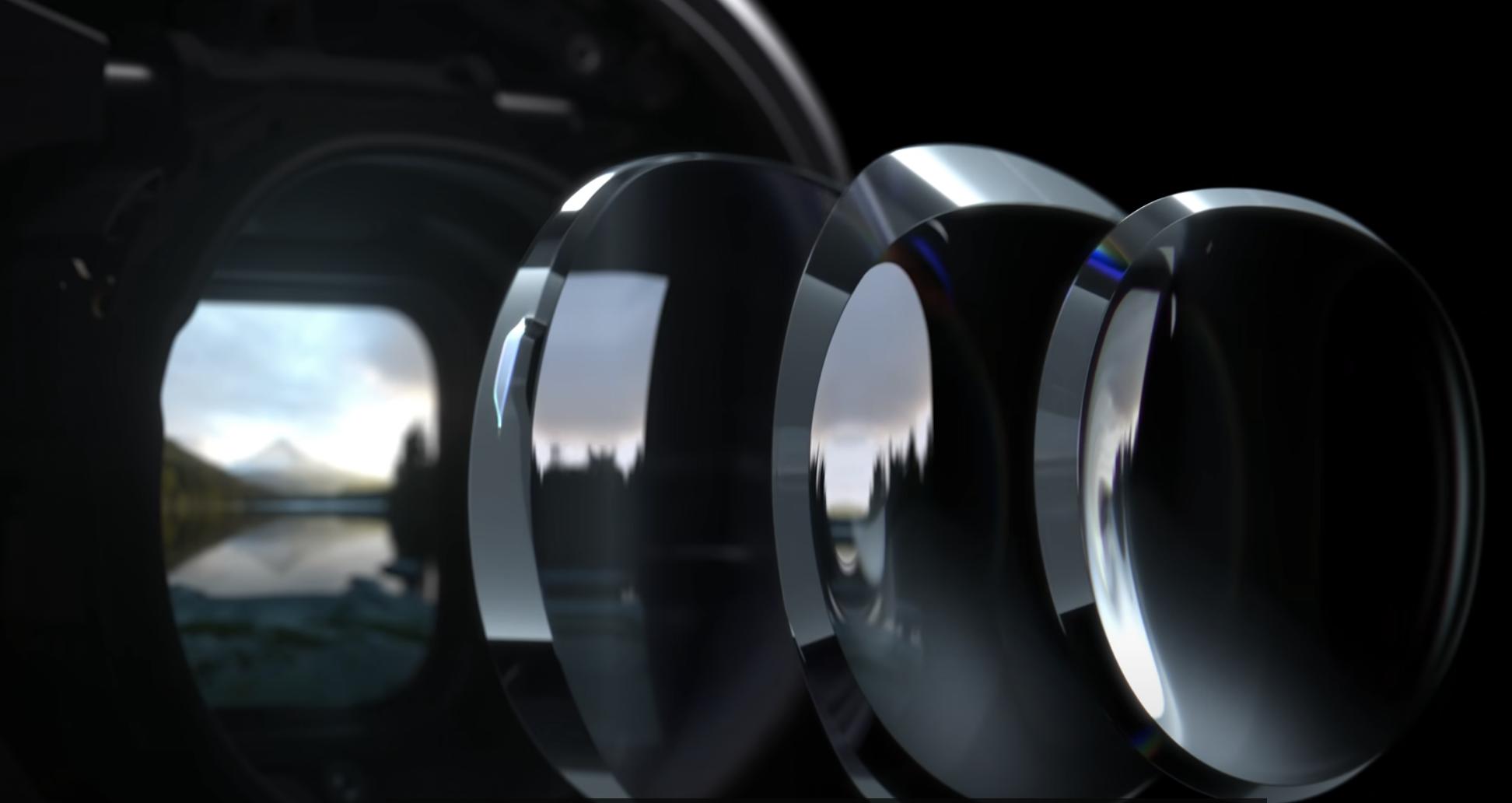
Core Insights - The article discusses the launch of Meta's latest AI smart glasses, the Meta Ray-Ban Display, which aims to enhance user interaction and reduce smartphone dependency [2][4][5]. Product Overview - Meta Ray-Ban Display features a 600x600 pixel display with a brightness of up to 5000 nits and a 20° field of view, integrating AI and computational capabilities directly into the glasses [6][8]. - The glasses weigh 69g, which is heavier than the previous model, but the user experience is reportedly impressive, allowing for direct interaction with a visual UI [9][12]. User Interaction - The glasses support various functions such as voice and video calls, photo capturing, messaging, music playback, and real-time subtitles, enhancing the overall user experience [10][12]. - The integration of a myoelectric control ring allows users to interact with the glasses discreetly, addressing social norms around public device usage [15][19]. Design Philosophy - Meta emphasizes a design philosophy that prioritizes practicality and user integration into daily life, aiming to make the glasses feel like a natural extension of the user [22][26]. Market Strategy - Meta is reportedly selling the Ray-Ban Display at a price below manufacturing costs to capture market share, with a BOM cost exceeding $800 [30]. - The software ecosystem is tightly integrated with Meta's first-party applications, aiming for a closed-loop system that enhances user retention [30]. Competitive Landscape - The launch of Meta Ray-Ban Display comes amid increasing competition, particularly from Google's Android XR smart glasses, which could challenge Meta's market position [31][32].
捏捏手指,将会是未来交互的主要形式
Hu Xiu· 2025-08-11 02:53
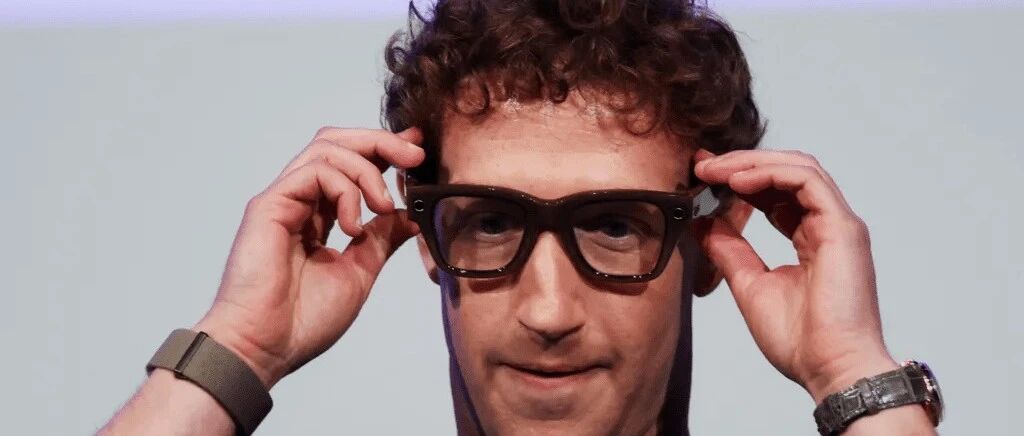
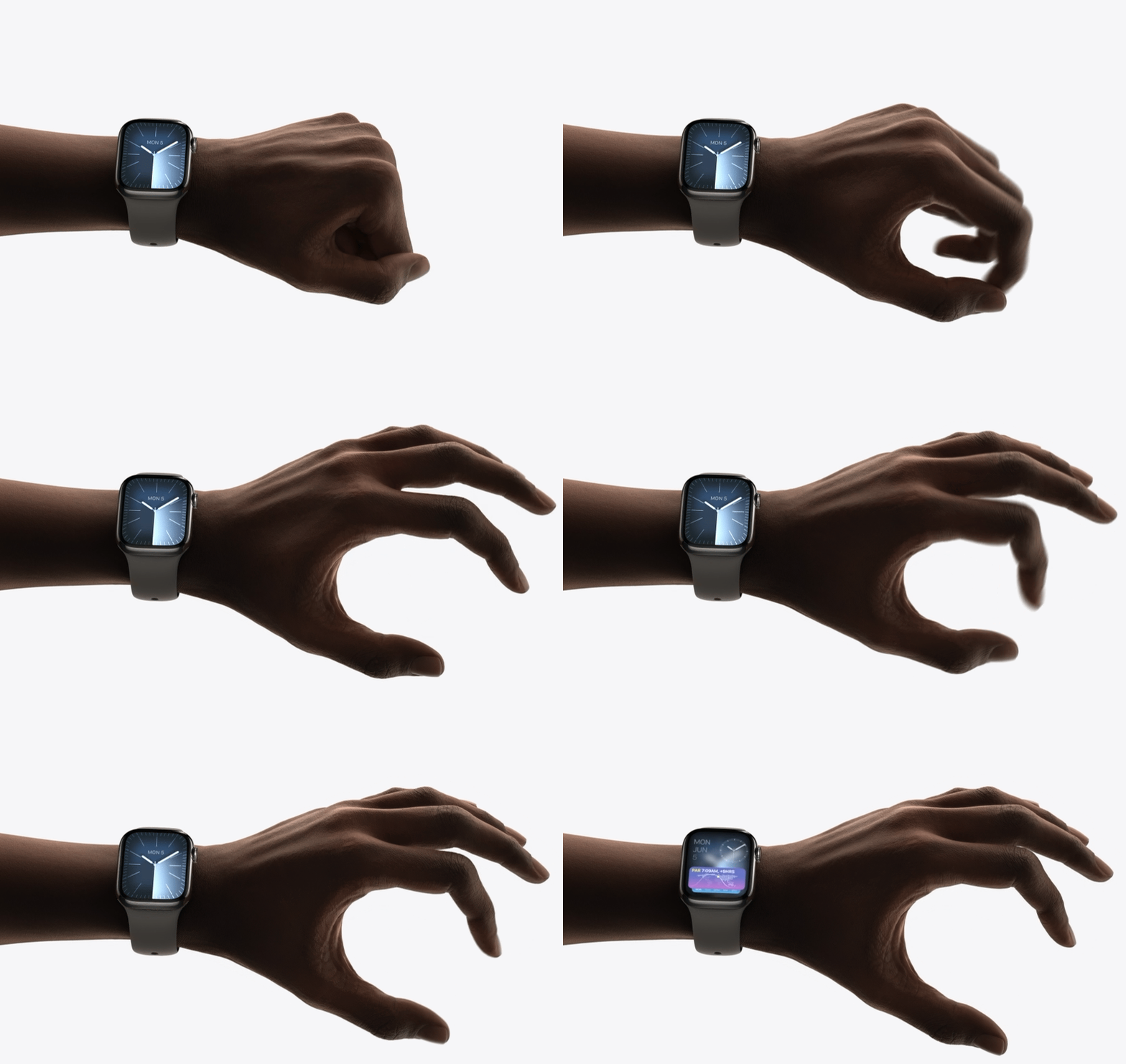
Group 1 - The article discusses Apple's innovative gesture control technology, particularly through the Apple Watch and Vision Pro, highlighting the seamless interaction between devices [1][4][11] - Apple Watch's gesture recognition technology is compared to Meta's research on smart rings and potential "mind-reading" capabilities, showcasing the competitive landscape in XR technology [19][21][27] - The integration of gesture controls across Apple's product line, including AirPods and iPhones, is seen as a way to lower the learning curve for users transitioning to XR devices [14][17][30] Group 2 - The article outlines the potential for Apple to create a modular AR system similar to Meta's Orion, where the Apple Watch serves as a gesture input device and the iPhone acts as a computing hub [35][38][50] - It suggests that Apple's strategy of leveraging existing devices like the iPhone and Apple Watch for XR interactions could help establish a foothold in the XR market [51][57] - The discussion includes the evolution of interaction methods from touch-based to body-centric gestures, emphasizing the importance of intuitive controls in the future of technology [55][56]
AI眼镜万亿赛道悄然启动,天岳先进(688234.SH)迎来重大新机遇
Xin Lang Cai Jing· 2025-08-07 05:17
Group 1 - Meta CEO Mark Zuckerberg envisions "personal superintelligence" as a partner rather than a tool, aiming to redefine AI with AI glasses as the main computing device, potentially creating a trillion-dollar market [1] - AI glasses are expected to revolutionize the market, similar to how e-commerce transformed the internet, with companies like Tianyue Advanced becoming key suppliers in the global supply chain [2] - The core technology for AI glasses remains debated, with silicon carbide (SiC) optical waveguides emerging as the ideal choice due to their high refractive index and lightweight properties [3] Group 2 - The commercialization of SiC waveguides is anticipated to accelerate as market demand grows, with projections indicating over 60 million units shipped by 2030 [4] - The cost of SiC optical components is a significant barrier to widespread adoption, as they account for over 40% of the total cost of AR glasses [5] - The cost of SiC waveguides is expected to decrease significantly, with current costs around $1000 per piece, driven by improvements in manufacturing processes [6] Group 3 - Collaborations between companies like Tianyue Advanced and Sunny Optical aim to enhance the production of SiC waveguides, which will help reduce costs and increase supply capacity [7] - The market for SiC waveguides is projected to grow exponentially, with estimates suggesting a market size of 30 billion yuan in the AR sector by 2030 [8] - Tianyue Advanced is leading the industry in producing 12-inch SiC wafers, which will further lower costs and support the mass production of AR glasses [9]

【对谈"硅谷精神之父"凯文凯利】问了凯文·凯利17个问题,我终于悟了!
老徐抓AI趋势· 2025-08-07 01:05
Group 1: Education - In the AI era, it is crucial to focus on experiential learning rather than traditional academic pressure for children, as many future job roles may not yet exist [6][7] - Parents are advised to cultivate foundational skills in children, such as curiosity, critical thinking, self-motivation, and learning ability, rather than merely accumulating knowledge [6][7] Group 2: Young Adults' Career Choices - Young adults should aim to be "unique" rather than just "better" than their peers, as the future will favor those who can solve problems in innovative ways [7] - The job market will increasingly reward specialization and differentiation over standardization, making niche expertise more valuable [7] Group 3: Artificial General Intelligence (AGI) - The realization of AGI is deemed very difficult and unlikely to occur in the near future, with AI expected to remain specialized rather than universal [8][9] - Concerns about AI replacing human jobs are mitigated by the understanding that AI will not achieve comprehensive superiority across all fields [8][9] Group 4: Medical Advancements - The primary bottleneck in drug development is clinical trials, not the discovery of new drugs, indicating that AI's role in speeding up medical breakthroughs may be limited [11][12] - The future of gene editing and brain-machine interfaces is expected to initially benefit the wealthy, but technology will eventually become more accessible to the general population [12][13] Group 5: Autonomous Driving and Robotics - Progress in autonomous driving and robotics is anticipated to be slower than public expectations, with significant uncertainty regarding timelines for widespread adoption [14][15] - Continuous observation of technological advancements is recommended rather than making premature investments [14][15] Group 6: China's AI Opportunities - China is positioned favorably in the AI landscape due to its vast data resources, high talent density, and robust infrastructure in fields like healthcare and genetic sequencing [18] - The only significant shortcoming identified is in chip technology, but this is viewed as a temporary issue that can be resolved over time [18] Group 7: Future Methodology - The emphasis is on adapting to future changes rather than attempting to predict them, with a focus on continuous observation and timely decision-making [19][25] - The ability to respond to rapid changes and maintain curiosity and learning agility is highlighted as essential for success in the evolving landscape [25]

深度解构 | 谷歌与XREAL联手背后:中国AR企业如何改写全球XR游戏规则?
Huan Qiu Wang· 2025-05-26 08:42
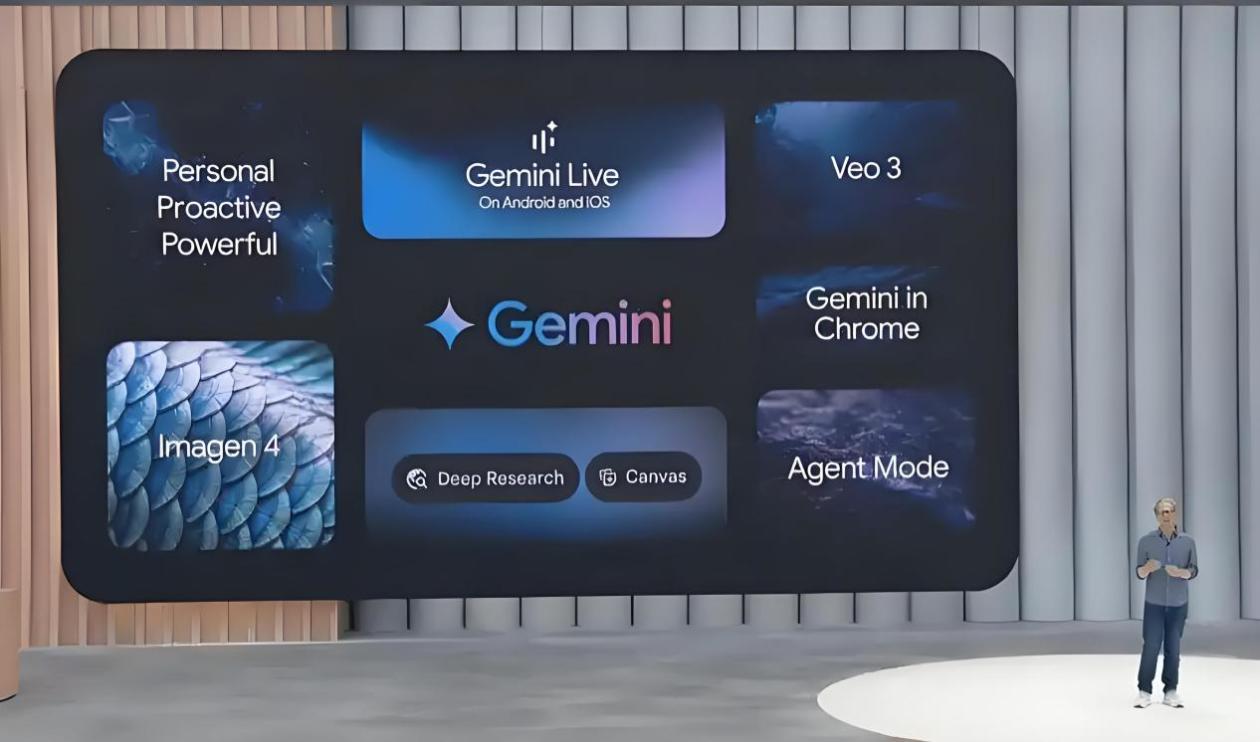
Core Insights - The core theme of the Google I/O developer conference is AI, showcasing how it reshapes productivity, creativity, and daily experiences, while a strategic topic of spatial computing emerges [1] - The official launch of the Android XR platform signifies Google's critical move in the next-generation human-computer interaction battlefield, with the introduction of Project Aura AR glasses in collaboration with Chinese startup XREAL [3][5] - The global tech industry is undergoing a transformative change comparable to the rise of smartphones, with major products like Apple's VisionPro and Meta's Orion marking the opening of a trillion-dollar spatial computing market [3] Company Developments - Google aims to break hardware manufacturers' ecological barriers through the standardization of the Android XR platform, transitioning AR devices from niche products to mainstream consumer goods [3][5] - The partnership with XREAL reflects a strategic choice, as XREAL's technology path and industry representation align with Google's vision for the AR market [5][6] - XREAL's Project Aura utilizes an optical see-through (OST) solution, offering lower latency and a more natural virtual-physical integration experience, which is seen as the ultimate form of consumer-grade AR [6] Technological Innovations - XREAL's advancements in optical module development and proprietary chip design, including the X1 spatial computing chip, enhance performance and reduce power consumption, establishing a competitive edge in the AR market [9][10] - The integration of Gemini AI into AR devices signifies a shift from simple display terminals to intelligent partners capable of real-time environment perception and content generation [6][12] - The collaboration between XREAL's X1 chip and Google's Gemini AI creates a new computing architecture that combines edge computing with cloud support, aligning with global trends in data privacy and reducing reliance on single cloud service providers [12] Industry Dynamics - The announcement of Project Aura represents a significant moment for the domestic AR industry, highlighting a global competition for technological standards [11] - XREAL's role in establishing key standards within the Android XR platform indicates a shift from being a participant to a standard-setter in the XR industry [11] - The Chinese XR industry is encouraged to pursue a three-dimensional development path focusing on core technology, application scenarios, and ecological cooperation to enhance competitiveness [13][14]

晚点独家丨AI 眼镜之战,数笔新融资进行时
晚点LatePost· 2024-12-13 13:05
"现在的 AI 眼镜,还不是真的 AI 眼镜" 文丨张家豪 编辑丨程曼祺 我们获悉,AI 眼镜领域正在进行数笔新融资,其中已经进入交易后期的有主打 AR 游戏场景的 Viture(行者无疆)和目前产品形态主要为 AI 和 AR 结合 的 Even Realities(逸文科技),两家公司的最新估值均超过 1 亿美元。 据了解,美团联合创始人王慧文也在近期投资了 Viture,这家成立于 2021 年的公司的老股东还有蓝驰创投、BAI 资本和真知创投等。 Viture Pro 可连接游戏机、作为游戏大屏使用,主攻游戏用户。 Viture 创始人姜公略曾在微软亚洲研究院、Google 和 Rokid 工作,Viture 在今年 8 月曾表示,其累计销售额已破两亿元人民币。 "在欧美市场,Viture 是少有的占住了游戏眼镜消费者心智的品牌。" 一位 AI 投资人评价。 Even Realities 则由坚果投影前首席产品官王骁逸于 2023 年成立,今年 9 月前后已获红杉中国投资。 Even Realities G1,它没有扬声器也没有摄像头,镜片有一块单色显示屏幕,用于显示翻译、导航和通知提示信息。 大卖的 ...