
PLA

Search documents
恒鑫生活扩产PLA、PHA可降解制品项目,万华化学加码生物基材料布局
Huaan Securities· 2026-03-25 07:50
报告日期: 2026-03-24 [T行ab业le_周Su观m点mary] 行业指数与沪深 300 走势比较 目前生命科学基础前沿研究持续活跃,生物技术革命浪潮席卷全 球并加速融入经济社会发展,为人类应对生命健康、气候变化、资源 能源安全、粮食安全等重大挑战提供了崭新的解决方案。国家发改委 印发《"十四五"生物经济发展规划》,生物经济万亿赛道呼之欲出。 [Table_Stoc合kNa成me生Rpt物Typ周e] 报 行业周报 恒鑫生活扩产 PLA、PHA 可降解制品项目,万华化学加码生物基材料布局 行业评级: 增持 1. 中东冲突导致能源设施受损,国际 油 价 、 化 工 品 价 格 持 续 走 高 2026-03-23 2.卫星化学及烯烃行业周度动态跟踪 2026-03-23 周度动态跟踪 2026-03-18 资料来源:同花顺 iFind,华安证券研究所 3.【华安化工】卫星化学及烯烃行业 中外团队构建新平台实现细胞精准分化与比例调控 分析师:王强峰 执业证书号:S0010522110002 电话:13621792701 合成生物学指数是华安证券研究所根据上市公司公告等汇总整 理由 60 家业务涉及合成生 ...

好文推荐:生物基材料行业增长27.9%却藏隐忧,PLA与PHA如何打破发展瓶颈?
synbio新材料· 2026-03-05 07:23
Core Insights - The biobased materials manufacturing industry is projected to grow by 27.9% by 2025, with biobased chemical fiber production expected to increase by 19.5% [2] - PLA and PHA are identified as key solutions for replacing traditional petroleum-based plastics, playing a crucial role in global green transformation [2] Group 1: PLA Insights - Global PLA production capacity has surpassed 3 million tons per year, with China leading at 1.2 million tons per year [3] - Major Chinese companies like Anhui Fengyuan and Jindan Technology are rapidly expanding their capacities [3] - However, 80% of the technology for producing lactide is dependent on the US company NatureWorks, and the cost of core production equipment has increased by 220% [3] Group 2: PHA Insights - PHA is overcoming scale limitations through technological innovations, with Tsinghua University's Yichang PHA production base set to produce 10,000 tons per year, expanding to 30,000 tons [4] - The production cost of PHA is expected to drop by 40% to 30,000 yuan per ton due to advancements in extreme halophilic bacteria technology [4] - Despite these advancements, PHA faces challenges such as low actual production (less than 50,000 tons) compared to planned capacity (over 500,000 tons) [5] Group 3: Industry Challenges - The industry is facing issues with "pseudo-degradation" plastics, with only 7.3% marine degradation rate for PBAT, highlighting the need for stricter standards [5] - The cost of biobased materials follows a "10x rule," where costs can escalate significantly from lab to industrial scale, impacting production viability [6] - Supply chain bottlenecks exist, with domestic lactide self-sufficiency below 30% and reliance on foreign patents for core bacterial strains [7] Group 4: Pathways to Resolution - The focus on "non-grain" and "high-value" targets for PHA could reshape market dynamics, with applications in medical sutures and high-end packaging [8] - Collaborative models are emerging, such as Anhui Fengyuan's integrated supply chain reducing raw material costs by 40% [10] - Policy innovations are needed to shift from short-term subsidies to sustainable mechanisms that foster innovation and market growth [11] Group 5: Future Projections - By 2035, PLA is expected to become a major alternative to traditional plastics, potentially capturing 50% of the market in packaging and textiles [12] - PHA is likely to split into two application tracks: low-end markets utilizing waste materials and high-end markets in medical applications [12]


未知机构:消费级3D打印40页行业深度AI时代个性化物理实现核心入口26年有望迎来i-20260228
未知机构· 2026-02-28 02:55
Summary of the Conference Call on Consumer 3D Printing Industry Industry Overview - The consumer 3D printing industry is positioned as a key entry point for AI and physical world integration, with a significant market expansion driven by the transition from industrial to consumer products. The global market size is projected to achieve a CAGR of 28.6% from 2020 to 2024, reaching $4.1 billion by 2024 [1][1]. Key Insights - The industry is experiencing an acceleration phase, comparable to the iPhone's evolution, with the launch of products like the拓竹X1 in 2022 marking a pivotal moment. The introduction of multi-color printing models such as the拓竹H2C/H2D and Snapmaker U1 is expected to lead to a second acceleration phase by 2026 [1][1]. - Current challenges in adapting industrial-grade products for consumer use are being addressed through: 1. **Technological Accessibility**: Utilizing AI modeling and closed-loop control to overcome process challenges, with breakthroughs in efficiency through multi-color printing and modular systems [2][2]. 2. **Cost Reduction**: Bringing prices down to household appliance levels [2][2]. 3. **Ecosystem Growth**: Implementing a DTC (Direct-to-Consumer) model combined with community-driven operations to enhance market reach [2][2]. Notable Companies - **创想三维 (Chuangxiang Sanwei)**: Recognized as a global leader in the ecosystem, with plans to complete its Hong Kong listing by February 14, 2026, and expected to go public in Q2 2026 [3][3]. - **拓竹科技 (Tuozhu Technology)**: Identified as a benchmark enterprise in the industry, with potential for secondary market entry. The demand for consumables is expected to grow due to accelerated equipment usage, with PLA being the preferred material. However, the limitations of pure PLA highlight the importance of modification technology as a core competitive barrier [4][4]. - **家联科技 (Jialian Technology)**: Engaged in the拓竹 supply chain for consumables, with a production base in Thailand expected to reach full capacity by the end of 2025. The company holds over 220 patents in PLA modification, addressing traditional PLA limitations and meeting quality requirements of key clients [6][6]. - **汇纳科技 (Huinat Technology)**: Partnering with拓竹科技 to establish the largest 3D printing factory globally, with plans to deploy 15,000拓竹 3D printers by Q1 2026 [6][6]. Additional Insights - The leading equipment brands are accelerating industry consolidation, indicating a trend towards focusing on suppliers of consumables that integrate with top-tier equipment brands [5][5]. - The service aspect of the industry encompasses a full range of support from scanning, modeling, equipment operation, parameter adjustment, to ODM/OEM production, catering to both B2B and C2C markets [6][6].
登顶美国亚马逊畅销榜,3D打印材料商三绿科技挂牌、IPO齐推进
Sou Hu Cai Jing· 2026-02-25 14:31
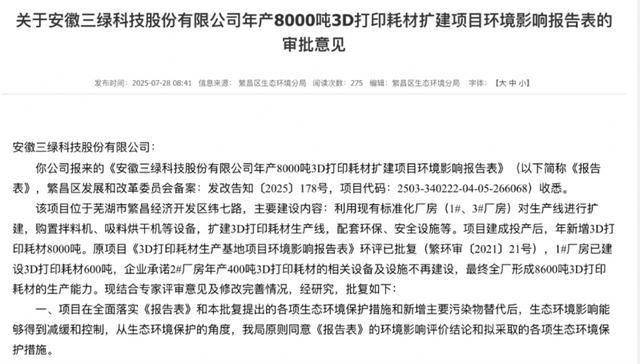
Group 1 - The company Anhui Sanlv Technology Co., Ltd. has entered the IPO guidance phase by signing a counseling agreement with Dongfang Securities and completing the filing with the Anhui Securities Regulatory Bureau [1][2] - The company operates in the rubber and plastic products industry, focusing on the development of 3D printing materials and related equipment [2][4] - As of the end of 2024, the company had 115 employees and held 102 patents, indicating a strong focus on innovation and intellectual property [4] Group 2 - The company plans to expand its production line to add 8,000 tons of 3D printing materials annually, which will enhance its production capacity [2] - The company has a registered capital of 65.3722 million yuan and is currently applying for listing on the National Equities Exchange and Quotations [2][4] - The major shareholders include Jiang Kun, who holds 48.69% of the shares, and other family members, indicating a family-controlled structure [4][5] Group 3 - The company reported significant revenue growth, with total revenues of 468 million yuan in 2023 and projected revenues of 763 million yuan in 2024 [10] - The net profit for 2023 was approximately 43.91 million yuan, increasing to about 61.29 million yuan in 2024, reflecting a positive financial trend [10] - The asset-liability ratio improved from 59.48% in 2023 to 46.56% in mid-2025, indicating better financial health [10][11] Group 4 - The company primarily sells its products through online platforms, with B2C sales accounting for 80.23% of total revenue in the first half of 2025 [13][14] - The FDM consumables segment has shown strong sales performance, contributing 84.12% of total revenue in the first half of 2025 [15][16] - The company has established a comprehensive sales system that includes major e-commerce platforms like Amazon and eBay, enhancing its market reach [13] Group 5 - The company has undergone A-round financing in 2022, with investments from state-owned enterprises and venture capital firms, indicating strong backing [6][8] - The company has faced inquiries from the National Equities Exchange regarding its sales model and operational performance, which may impact its IPO process [20][22] - The company has a significant amount of inventory, valued at approximately 85.73 million yuan at the end of 2025, which is crucial for meeting market demand [19]
10亿元合成生物制造产业基金成立!投资领域含生物能源(生物乙醇、生物柴油等)、生物材料(PLA、PHA、PDO等)
synbio新材料· 2026-02-24 06:00
Core Viewpoint - Watson Bio announced the establishment of the Yunnan Chuangwo Biological Industry Investment Fund in collaboration with several partners, focusing on synthetic biology and biotechnology sectors [2][5]. Group 1: Fund Details - The target scale of the fund is 1 billion RMB, with Watson Bio contributing 450 million RMB as a limited partner [3]. - The partners and their contributions are as follows: - Guotou Chuangyi Industrial Fund Management Co., Ltd.: 1 million RMB (0.10%) - Central Enterprise Rural Industry Investment Fund Co., Ltd.: 299 million RMB (29.90%) - Yunnan Watson Biotechnology Co., Ltd.: 450 million RMB (45.00%) - Yuxi State-owned Capital Operation Co., Ltd.: 250 million RMB (25.00%) [4]. - The capital will be contributed in three phases: 300 million RMB for the first phase, 300 million RMB for the second phase, and 400 million RMB for the third phase [4]. Group 2: Investment Focus - The fund's core investment direction focuses on synthetic biology, biological manufacturing, and related biotechnology industries [5]. - Specific investment areas include but are not limited to: - Synthetic biology (enzyme preparations, amino acids, probiotics) - Life and health (plant extracts, recombinant collagen, sweeteners, protein drugs) - Biological agriculture (feed protein, micro-ecological preparations, animal vaccines, biological nitrogen fixation) - Bioenergy (bioethanol, biodiesel) - Biomaterials (PLA, PHA, PDO) - Technology platform enterprises (strain development, AI protein design) - High-throughput equipment (microfluidic devices, gene sequencing equipment) [5].


纸浆模塑行业专题报告:下游需求高景气,中国企业引领全球扩张-国泰海通
Sou Hu Cai Jing· 2026-02-16 06:57
Core Viewpoint - The pulp molding industry is experiencing high demand growth, with Chinese companies leading global expansion due to advantages in capacity, technology, and cost, resulting in a favorable growth outlook for the industry, which is rated as "overweight" [1][4]. Demand Side - The U.S. is the largest overseas market for Chinese pulp molding products, accounting for 41.3% of export value in 2024, with significant growth in imports since 2020 driven by policy, product advantages, and supply-side upgrades [10][11]. - U.S. plastic restrictions are clear and strictly enforced, accelerating the transition to alternatives like pulp molding, which offers lower degradation conditions, lower costs, and broader temperature applicability compared to alternatives like PLA and PBAT [12][16]. - The penetration rate of pulp molding in global markets remains low at 5.14% by 2025, with significant growth potential in food delivery and emerging sectors like electronics and agriculture [2][10]. Supply Side - The production process for pulp molding is continuously innovating, with advancements like semi-dry pressing and direct pressing technologies reducing energy consumption and enhancing product quality [30][31]. - China's production capacity is projected to account for 56.8% of global capacity by the first three quarters of 2025, with a year-on-year production increase of 25%, while U.S. companies are exiting the market due to high costs and poor management [2][10]. Product Performance - Pulp molding products have lower degradation difficulty and better performance compared to other alternatives, with natural plant fibers decomposing within approximately three months, while synthetic materials like PLA require specific conditions for degradation [18][19]. - Pulp molding products are generally more cost-competitive than PLA and PBAT, with higher profit margins for manufacturers due to lower raw material costs [19][21]. Consumer Preferences - There is a growing consumer preference for pulp molding products in the U.S., driven by increased environmental awareness, with many consumers willing to pay a premium for sustainable packaging options [25][28].


华泰证券:1月化工行业整体价差环比扩大,26年有望迎景气回暖
Sou Hu Cai Jing· 2026-02-11 00:11
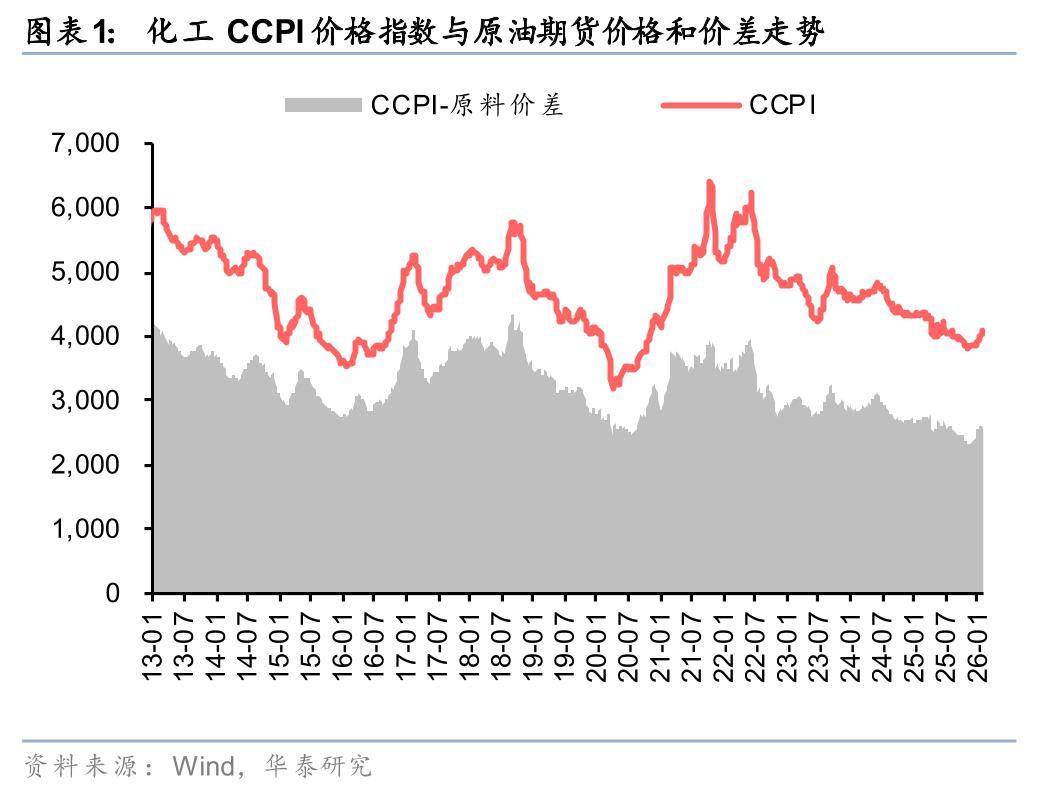
Group 1 - The overall price spread in the chemical industry expanded in January, with the CCPI-raw material price spread reaching 2631, which is in the 15th percentile since 2012, up from 2500 at the end of 2025, driven by geopolitical conflicts affecting oil prices and rising resource prices [1][6] - The industry is expected to see a recovery in 2026, supported by improved profitability in bulk chemicals as supply-side adjustments accelerate under the "anti-involution" policy, and demand growth from emerging markets in Asia, Africa, and Latin America [1][4] Group 2 - The January PMI was reported at 49.3, indicating a slowdown in capital expenditure growth in the chemical industry, which has been declining since June 2025, suggesting a potential supply-side turning point [2][18] - The demand for chemical products is shifting from real estate to consumer goods, infrastructure, and emerging technologies, with domestic chemical products benefiting from global cost advantages [2][9] Group 3 - Oil prices have been supported by expectations of lithium battery storage growth, rising crude oil prices, and winter heating demand, leading to price increases in certain chemical products [3][35] - However, some products experienced price declines due to supplier price adjustments, maintenance recoveries, and reduced acceptance of high prices by downstream consumers [3][35] Group 4 - The chemical industry is approaching a turning point in capital expenditure, with significant declines since June 2025, and the "anti-involution" policy expected to facilitate supply-side adjustments [4][18] - The recovery in demand and exports, particularly to Asia and Africa, is anticipated to support the gradual recovery of bulk chemicals [4][34] Group 5 - The January oil price increase was influenced by geopolitical tensions in Venezuela and Iran, with WTI and Brent crude prices rising by 13.57% and 16.17% respectively compared to the end of December [21][6] - The outlook for oil prices suggests a potential bottoming out and recovery in 2026, driven by demand recovery and global inventory replenishment [21][34] Group 6 - The chemical industry is expected to benefit from high dividend assets as capital expenditure declines, with companies likely to increase their willingness and ability to distribute dividends [34][34] - The phosphate resource sector is projected to maintain high profitability for at least three years, attracting investor interest [34][34]

1月行业价差改善或助力盈利景气回暖
HTSC· 2026-02-09 11:56
Investment Rating - The report maintains an "Overweight" rating for the oil and gas sector and the basic chemicals sector [5]. Core Insights - The overall price spread in the industry improved in January, indicating a potential recovery in profitability for 2026, with the CCPI-raw material price spread reaching 2631, up from 2500 at the end of 2025 [1][9]. - The demand for chemical products is shifting from real estate to consumer goods, infrastructure, and emerging technologies, with significant growth potential driven by global economic trends [2][11]. - The capital expenditure growth in the chemical industry has been declining since June 2025, suggesting a supply-side adjustment is approaching, which may lead to improved profitability in the sector [2][16]. Summary by Sections Price Trends - In January, oil prices rose due to geopolitical tensions and strong global crude oil replenishment demand, leading to a slight improvement in the price spread of most chemical products [9][21]. - Major price increases were observed in products like lithium carbonate and butadiene, while some products like methyltrichlorosilane saw price declines due to supply adjustments [3][33]. Supply and Demand Dynamics - The January PMI was reported at 49.3, indicating a continued bottoming out in the real estate sector, while consumer goods and major infrastructure showed positive growth [2][11]. - The chemical industry is expected to see a recovery in demand, supported by the exit of high-energy-consuming facilities in Europe and North America, and economic growth in Asia, Africa, and Latin America [2][11][14]. Investment Strategy - The report suggests focusing on sectors with potential recovery, such as oil and gas, basic chemicals, and companies leveraging synthetic biology for cost reduction [32]. - Specific stock recommendations include China Petroleum & Chemical Corporation, Baofeng Energy, and Yun Tianhua, among others, highlighting their potential for growth and profitability [7][32]. Monthly Performance Review - In January, the basic chemical index rose by 12.72%, with significant gains in sub-sectors like dye chemicals and petrochemical raw materials [34][36]. - The report notes that the chemical industry is experiencing a recovery phase, with various sub-sectors showing positive price movements and improved market conditions [34][36].



刚刚!苏州3D打印公司完成Pre-IPO轮融资,投前估值30亿元
Sou Hu Cai Jing· 2026-01-26 05:51
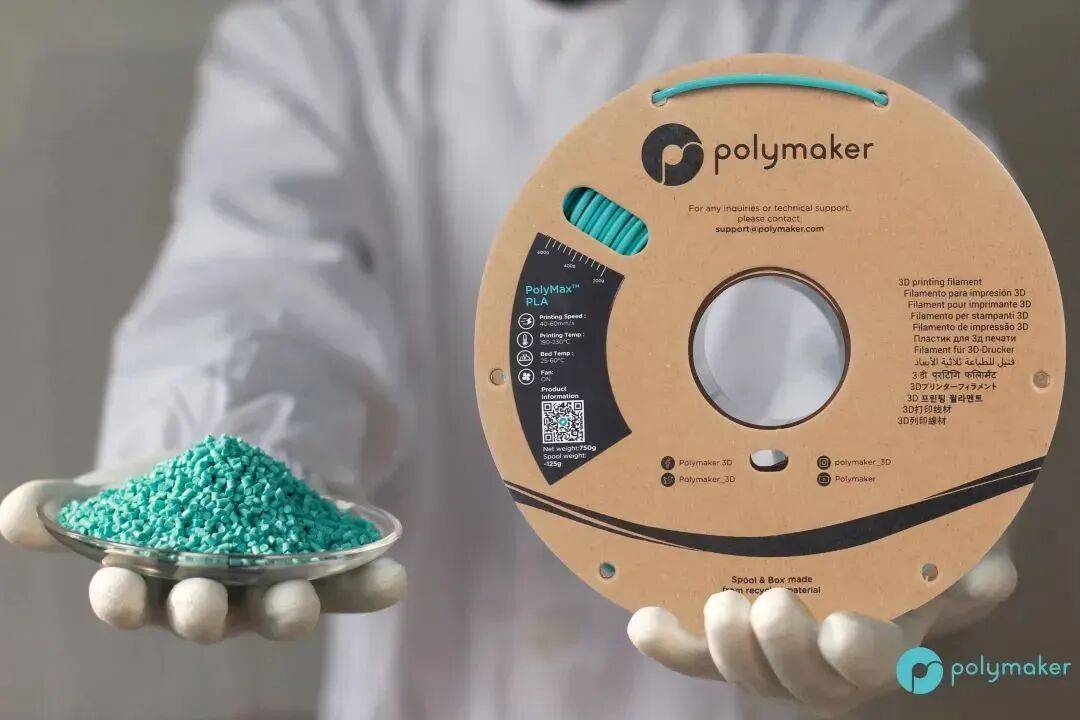
Group 1 - The core viewpoint of the article highlights that Suzhou Jufu Technology Co., Ltd. has completed a Pre-IPO financing round led by Fudan Science and Technology, with a pre-financing valuation of approximately 3 billion yuan. The funds will be used for global capacity and supply chain layout, product R&D, and expansion into new markets and applications [2][11]. Group 2 - Jufu Technology, established in 2012 and headquartered in Changshu, Jiangsu, focuses on the research and production of FDM/FFF 3D printing materials, accumulating technical and product advantages in this niche [3][6]. - The company’s brand Polymaker has developed a comprehensive product system covering consumer, professional, and production-grade 3D printing materials, including PLA, PETG, ABS/ASA, and nylon (PA), while also extending into high-performance and functional materials [4][11]. Group 3 - Jufu Technology has completed a total of eight financing rounds since its inception, with the latest round bringing it closer to an IPO, having filed for IPO guidance with the Jiangsu Securities Regulatory Bureau [7][11]. - The company has received significant support from leading investment institutions, with IDG Capital participating in its D and E financing rounds, each exceeding 100 million yuan [9][11]. Group 4 - The founding team of Jufu Technology has a strong "Fudan gene," with all four founders being graduates of Fudan University, which may have influenced Fudan Science and Technology's decision to lead the latest financing round [12][14]. - The company’s name, "Jufu Technology," reflects the intention to "gather the strength of Fudan people," enhancing collaboration and execution efficiency in technology and global expansion [14]. Group 5 - The 3D printing industry is entering a critical phase of accelerated development, with Jufu Technology positioned to become a leading player, potentially paving the way for other companies like Yijia Additive, Chuangxiang Sanwei, and Xianlin Sanwei to pursue IPOs by 2026 [16].
华西证券:3D打印行业产品升级&价格下降 看好行业需求加速扩张
Zhi Tong Cai Jing· 2026-01-22 01:47
Group 1 - The core viewpoint of the report is that the consumer-grade 3D printing market is experiencing rapid growth due to advancements in AI technology, automation, and domestic material substitution, leading to product upgrades and price reductions that stimulate market demand [1][2][3] Group 2 - The consumer-grade 3D printing technology primarily includes Fused Deposition Modeling (FDM) and stereolithography, with FDM being the mainstream technology, holding approximately 77% market share due to its simplicity and low cost [1] - The global consumer-grade 3D printing market is projected to grow significantly, with a CAGR of 20% for market size and 10% for shipment volume from 2020 to 2024, reaching a market space of hundreds of billions [2] - Domestic manufacturers are increasingly dominating the global market, holding over 90% market share, with a highly concentrated competitive landscape where the top five companies account for nearly 80% of the market [2] - The global market for 3D printing materials is expected to grow at a CAGR of 49.53% from 2020 to 2024, significantly outpacing the equipment sector, with domestic production of PLA materials expected to reduce import dependency [2] - AI technology is enhancing product capabilities, with improved hardware and software integration in devices leading to better printing stability and ease of use, while the modification of PLA materials remains a dominant trend [3] - The price of 3D printing equipment and materials has decreased to acceptable levels for end consumers, with payback periods for small businesses reduced to around two months [3] - Various companies are actively investing in the 3D printing ecosystem, which is expected to further catalyze industry demand growth [3]
