Xiaomi YU7

Search documents
No cap: Nearly 70% of Gen Z would consider Chinese cars like BYD and Geely, study finds
Yahoo Finance· 2026-03-02 20:13
Group 1 - A significant 69% of Gen Z car shoppers are more likely to consider Chinese brands, compared to only 38% of all participants in the survey [1][2] - The study indicates a sharp divide in consumer sentiment towards Chinese auto brands, with younger, EV-oriented shoppers showing openness while older buyers remain resistant [2] - The average price of a new vehicle in the US is around $50,000, while Chinese EVs like BYD's Dolphin Surf are priced significantly lower at approximately $25,000, appealing to younger buyers [4] Group 2 - US automakers have lobbied for heavy tariffs on Chinese vehicles, currently at 100%, due to concerns over pricing competition [5] - A dealer sentiment survey found that 58% of dealers believe Chinese pricing will undercut other automakers, compared to 51% of general consumers [6] - Brand awareness of Chinese automakers is low, with only 35% of the general population aware of BYD, and only 25% of dealers familiar with the brand [7] Group 3 - Consumer consideration for Chinese brands increases to 76% when paired with an established US brand, indicating the importance of partnerships [8] - Reports suggest Ford was considering a joint venture with Xiaomi to build EVs in the US, although both companies have denied this [9]
Tesla Falters in China Again: How to Play TSLA Stock as Xiaomi Outsells
Yahoo Finance· 2026-02-18 16:32
Core Insights - Electric-vehicle (EV) stocks, particularly Tesla (TSLA), have faced significant pressure since late 2023, with Tesla's core auto business encountering challenges, especially in China [1][4] Sales Performance - In January 2026, Xiaomi's YU7 SUV sold 37,869 units in China, surpassing Tesla's Model Y, which sold 16,845 units, marking a shift in the competitive landscape [2][3] - The YU7's success has led to Tesla's Model Y dropping from the top position to 7th place among new-energy vehicles in China, indicating intensifying competition [2][3] Market Dynamics - Tesla experienced its first annual sales decline in China in 2025, raising concerns about its growth potential as local brands like BYD and Xiaomi gain market share [2][3] - The shift in market dynamics is causing investors to question Tesla's revenue and margin sustainability, particularly since 25% of its sales come from China [3] Stock Market Reaction - TSLA's stock reaction has been muted due to broader market concerns, but the news of Xiaomi outselling Tesla has deepened doubts about Tesla's auto outlook and growth expectations for 2026 [4] - The competitive pressure is forcing Tesla to potentially compete on price, which could negatively impact its future performance [4] Company Challenges - TSLA has faced a turbulent year, with stock prices peaking near $498 in December 2025 before declining due to execution shortfalls and delivery declines [5] - High-profile controversies surrounding CEO Elon Musk have further compounded the challenges faced by the company [5]

雷军晒本人AI图拜年:继续拜年 小米同学们用AI做了一张拜年图
Sou Hu Cai Jing· 2026-02-18 10:22
Group 1 - The core message from Xiaomi's founder Lei Jun is a New Year greeting and promotion for the Xiaomi YU7 vehicle, encouraging customers to make purchases during the holiday season [1][5][7] - Xiaomi announced that its stores will remain open during the Spring Festival, with a limited number of Xiaomi YU7 vehicles available for immediate purchase, allowing customers to lock in orders and potentially take delivery the same day [3] - Special financing options are available for customers who place orders before February 28, including a 7-year low-interest plan starting with a down payment of 99,900 yuan and monthly payments as low as 1,931 yuan, or a 3-year zero-interest plan starting with a down payment of 74,900 yuan and monthly payments as low as 4,961 yuan [3]


Why Is Magna International Stock Gaining On Friday? - Magna International (NYSE:MGA)
Benzinga· 2026-02-13 19:43
Core View - The company reported strong fourth-quarter earnings but lowered its sales forecast for the upcoming fiscal year, indicating mixed performance expectations going forward [1][5]. Quarterly Metrics - The company achieved fourth-quarter adjusted earnings per share of $2.18, surpassing the analyst consensus estimate of $1.79 [2]. - Quarterly sales reached $10.84 billion, reflecting a 2% year-over-year increase and exceeding the expected $10.495 billion [2]. - Revenue growth occurred despite a 1% decline in global light vehicle production [2]. Sales and Production Insights - Increased sales were attributed to higher production on ongoing programs and the launch of new models, including the Ford Expedition and Lincoln Navigator, Xiaomi YU7, and Jetour Zongheng G700 [3]. - Reported U.S. dollar sales benefited from a net strengthening of foreign currencies, contributing an additional $355 million [3]. - Net customer recoveries helped offset higher tariff costs incurred during the year [3]. Financial Performance - Adjusted EBIT rose 18% to $814 million, with the adjusted EBIT margin expanding by 100 basis points to 7.5% [4]. - The company generated cash from operations of $1.98 billion, with free cash flow amounting to $1.35 billion during the quarter [4]. Dividend and Outlook - A fourth-quarter dividend of $0.495 per common share was declared, representing a 2% increase [5]. - The company forecasts fiscal 2026 adjusted earnings between $6.25 and $7.25 per share, exceeding analysts' estimate of $5.99 [5]. - The sales outlook for fiscal 2026 was lowered to a range of $41.9 billion to $43.5 billion, down from a previous forecast of $48.8 billion to $51.2 billion, with analysts expecting $42.141 billion [5]. Margin and Cash Flow Projections - The company projects an adjusted EBIT margin of 6% to 6.6% for the upcoming fiscal year [6]. - Anticipated strong free cash flow is expected to be utilized for share repurchases under the current buyback authorization [6]. Stock Performance - At the time of publication, Magna International shares increased by 20.56% to $69.70, reaching a new 52-week high [7].

Magna International Q4 Earnings Call Highlights
Yahoo Finance· 2026-02-13 17:33
Core Insights - Magna International reported a fourth-quarter sales increase of 2% year-over-year to $10.8 billion, with adjusted EBIT margin expanding by 100 basis points to 7.5% and adjusted EBIT rising 18% to $814 million [3][4][7] - The company anticipates modest sales growth of near flat to 3.5% in 2026, with adjusted EBIT margins projected between 6.0% and 6.6%, reflecting operational excellence and cost management initiatives [6][15] Financial Performance - Fourth-quarter sales were positively impacted by foreign exchange translation, new program launches, and customer recoveries for tariffs, despite lower engineering revenue and complete vehicle sales [2][4] - For the full year 2025, Magna reported approximately $42 billion in sales, with adjusted EBIT margin increasing by 20 basis points to 5.6% and adjusted EBIT rising 2% to $2.4 billion [8][9] Operational Efficiency - Operational excellence initiatives contributed approximately 200 basis points of margin improvement from 2023 to 2026, with expectations for continued gains [5][18] - The company generated $3.6 billion in operating cash flow and $1.9 billion in free cash flow for 2025, supported by disciplined capital spending and efficiency improvements [9][10] Segment Performance - In the fourth quarter, three out of four segments reported higher sales year-over-year, with seating experiencing an 8% increase, while complete vehicle sales declined by 10% due to expected lower engineering revenue [11][12] - Power and vision margins faced pressure from discrete items and unfavorable mix, but management expects considerable margin expansion in this segment by 2026 [13][15] 2026 Outlook - Magna's guidance for 2026 includes adjusted EPS of $6.25 to $7.25, with free cash flow expected to be between $1.6 billion and $1.8 billion [16][17] - The company plans to maintain capital returns through dividend increases and share buybacks, with a $0.01 increase in the quarterly dividend marking the 16th consecutive year of increases [17][19] Market Position - Magna aims for growth of 1% to 4% excluding complete vehicles, driven by advancements in body exteriors and structures, while complete vehicles and seating are expected to decline due to program changes [22] - The company has not lost any incumbent seating programs to competitors and is managing input costs effectively through customer program structures [22]
Magna(MGA) - 2025 Q4 - Earnings Call Transcript
2026-02-13 14:02
Financial Data and Key Metrics Changes - In Q4 2025, sales increased by 2% to $10.8 billion, with adjusted EBIT margin expanding by 100 basis points to 7.5% [8][12] - For the full year, sales were $42 billion, slightly down due to softer volumes in North America and Europe, while adjusted EBIT margin rose by 20 basis points to 5.6% [9][12] - Adjusted EPS for Q4 rose by 29% to $2.18, and for the full year, it increased by 6% to $5.73 [8][9] - Free cash flow for the full year reached $1.9 billion, an increase of $849 million [9][18] Business Line Data and Key Metrics Changes - Three of the four segments posted higher sales year-over-year, with seating seeing an 8% increase, while complete vehicles were down 10% [16] - Body exteriors and structures, and seating segments posted strong increases in adjusted EBIT margin year-over-year [16][17] - Power and vision margins were negatively impacted by discrete items, but operational improvements are expected to drive margin expansion in 2026 [17][61] Market Data and Key Metrics Changes - Global light vehicle production was down 1% overall in Q4, with North America and China declining, while Europe saw an increase [13] - Magna's sales growth is expected to be near flat to up 3.5% in 2026, driven by new program launches and foreign currency translation benefits [21][22] Company Strategy and Development Direction - The company is focused on operational excellence initiatives, which contributed to margin expansion and are expected to continue delivering benefits in 2026 [10][27] - A disciplined approach to capital spending is emphasized, with plans to repurchase approximately 22 million shares under the NCIB [7][24] - The company aims to maintain strong free cash flow and EPS growth while reducing leverage [7][24] Management's Comments on Operating Environment and Future Outlook - Management expressed confidence in executing their capital allocation strategy and driving EPS growth alongside strong free cash flow [7][28] - The outlook for 2026 includes expectations for adjusted EBIT margin expansion of 40-100 basis points and free cash flow of $1.6 billion to $1.8 billion [7][22] Other Important Information - The company achieved significant operational milestones in 2025, including securing 90% of its 2028 business and receiving 151 customer awards for quality and performance [9][10] - The company has been recognized as one of the world's most ethical companies and most admired companies [11] Q&A Session Summary Question: Guidance for outgrowth ex complete vehicles of 1%-4% - Management attributed the outgrowth to operational excellence activities and new programs with favorable economic terms [31][34] Question: Operational excellence and commercial recoveries - Management indicated that operational excellence is a continuing journey with visibility on margin improvements, while commercial recoveries are expected to be neutral year-over-year [36][39] Question: Seating segment outlook and cost actions - Management confirmed that no incumbent seating programs have been lost, and the seating segment remains core and profitable despite some program roll-offs [44][46] Question: Free cash flow sustainability - Management expects free cash flow in the range of $1.6 billion to $1.8 billion to be sustainable, supported by disciplined CapEx [49] Question: Ford recall and warranty hit - Management clarified that one recall matter has been resolved, while another is ongoing, impacting margins in the power and vision segment [52][59] Question: Growth in power and vision segment - Management highlighted that growth is driven by new launches and operational improvements, with expectations for margin expansion in 2026 [61][62]
Xiaomi's electric SUV tops China sales in January, sells twice as many as Tesla's Model Y
CNBC· 2026-02-13 02:25
Core Insights - Xiaomi's electric car venture has overtaken Tesla in China for January sales, with the YU7 SUV selling 37,869 units compared to Tesla's 16,845 Model Y vehicles [1] - The Model Y, previously the best-selling model in December, dropped to 20th place in January, and among new energy vehicles, it fell from first to seventh [1] Group 1: Sales Performance - The Xiaomi YU7 SUV ranked first in China by sales in January, achieving sales of 37,869 units [1] - Tesla's Model Y saw a significant decline in sales, with only 16,845 units sold, marking a drop from its previous top position [1] Group 2: Market Positioning - Xiaomi launched the YU7 at a starting price 10,000 yuan ($1,450) lower than the Model Y in China, indicating a competitive pricing strategy [3] - The company claims that the YU7 outperforms Tesla's Model Y in key metrics, such as driving range on a single battery charge [3] Group 3: Product Launch Timeline - The YU7, Xiaomi's second electric car model, was introduced approximately six months ago in the summer of 2025 [2]
12月终端销量榜 | 购置税免税到期,新能源终端零售创历史新高
数说新能源· 2026-01-16 09:32
Overall Situation - In December 2025, China's passenger car terminal sales reached 2.278 million units, a month-on-month increase of 13.6% [1] - New energy passenger car sales totaled 1.334 million units in November 2025, with a month-on-month growth of 9.0% [1] - Breakdown of new energy vehicle sales: pure electric vehicles sold 781,000 units (up 0.9%), plug-in hybrids sold 412,000 units (up 23%), and range-extended vehicles sold 142,000 units (up 24.6%) [1] - The penetration rate of new energy vehicles in the passenger car market reached 57.4% in December, slightly down from 60.1% in the previous month [1] - Total new energy passenger car sales for 2025 are projected at 12.338 million units, a 15% increase from 10.744 million units in 2024 [1] - The annual penetration rate for new energy vehicles in 2025 is expected to be 53.4%, marking the first time it exceeds 50% [1] Automotive Market Overview - The expiration of the vehicle purchase tax exemption has led to outstanding performance in new energy terminal retail, achieving a historical high [3] - Despite the expected year-end buying spree due to the tax exemption, many provinces have exhausted their budgets for trade-in policies, creating a counteracting effect on purchase incentives [3] Brand Rankings - The top-selling pure electric models in December 2025 include Tesla Model Y (500,000 units), Star Wish (400,000 units), and Xiaomi YU7 (390,000 units) [6][7] - The top-selling plug-in hybrid models include BYD Qin PLUS (360,000 units), Titanium 7 (310,000 units), and BYD Song Pro (170,000 units) [8][9] - The top-selling range-extended models include Aion M7 (123,000 units), Ideal L6 (93,000 units), and Aion M8 (82,000 units) [10]


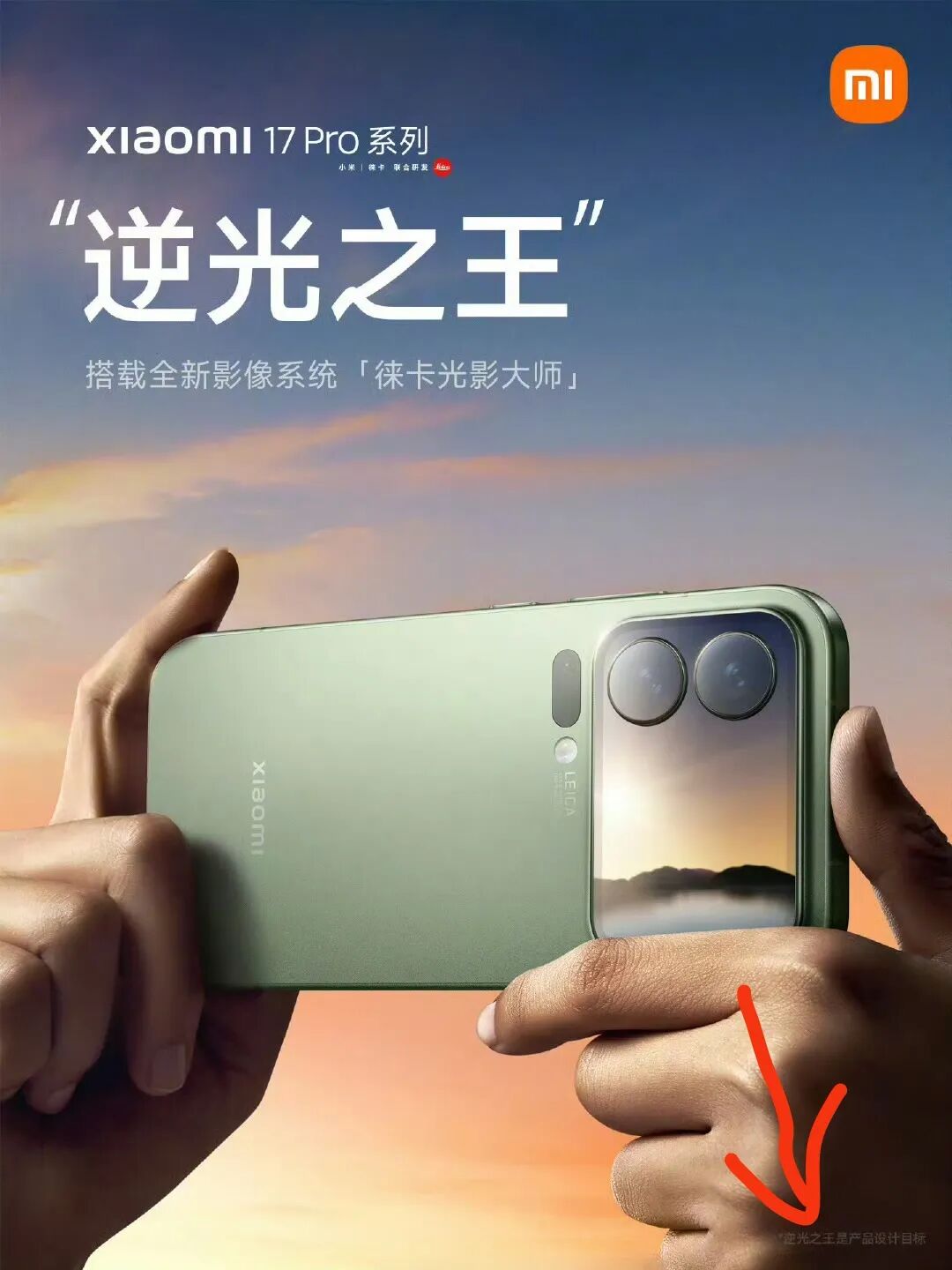
雷军说话算话,小米正抛弃“小字”宣传
3 6 Ke· 2026-01-08 23:15
Core Viewpoint - Xiaomi acknowledges the criticism regarding the "small text" in its promotional materials and commits to clearer communication in future advertisements to avoid misunderstandings [1][4]. Group 1: Background and Context - The "small text" controversy primarily arose in September 2025, with over 30 promotional posters featuring such text [5][28]. - Xiaomi's public relations manager, Xu Jieyun, stated that the "small text" was included for compliance with advertising laws, and the company is open to feedback [1][4]. Group 2: Changes in Promotional Materials - A comparison of promotional posters from September 2025 and December 2025 to January 2026 shows a significant reduction in the use of "small text," with only 13 instances noted in the latter period [29][65]. - The "small text" in December 2025 posters was larger and clearer, indicating an improvement in readability compared to the September 2025 materials [43][65]. Group 3: Specific Examples - In September 2025, multiple promotional posters included "small text" that provided additional information, such as sales data sources and promotional details [7][10][13]. - By December 2025, several promotional materials, including those for car purchases and training programs, either eliminated "small text" or made it more legible [31][35][41].
大摩重磅机器人年鉴(六):自动驾驶正处于爆发前夜,中国已取得领先
Hua Er Jie Jian Wen· 2025-12-24 07:32
Core Insights - The global automotive industry is at a significant turning point, with autonomous driving technology poised for explosive growth, transitioning from traditional driving models [1] - China is leading the global race in autonomous driving, holding approximately 60% of the L2+ autonomous vehicle market share, driven by its success in electric vehicles and data collection capabilities [1][5][8] Group 1: Market Dynamics - The competition in the U.S. market is intensifying, particularly between Waymo and Tesla, with Waymo rapidly expanding its operations to major cities and Tesla focusing on a low-cost, vision-based approach [2][11] - The report compares the current sensor technology debate to the historical "War of the Currents," suggesting that different technological paths may coexist in the long term [2][18] Group 2: Future Projections - Morgan Stanley predicts a significant increase in the adoption of autonomous vehicles, estimating 2.2 million robotaxis by 2030, 245 million by 2040, and 722 million by 2050 [2][23] - The report emphasizes that autonomous driving will serve as the "ultimate accelerator" for the electric vehicle industry, fundamentally transforming transportation and economic models [2] Group 3: Technological Advancements - The concept of "data probes" is highlighted, indicating that electric vehicles act as mobile data collectors, enhancing AI algorithms through continuous data collection and improvement [8] - The report notes that the cost advantages of Chinese manufacturers, such as Xiaomi, demonstrate their competitive edge in the autonomous driving race [5] Group 4: Competitive Landscape - In the U.S., two distinct paths for autonomous driving technology are emerging: Waymo's sensor redundancy approach and Tesla's sensor parsimony strategy, each with its own advantages and challenges [11][16] - The report mentions various emerging companies globally, such as Wayve in the UK and WeRide in China, which are accelerating the development of autonomous driving technologies [26]