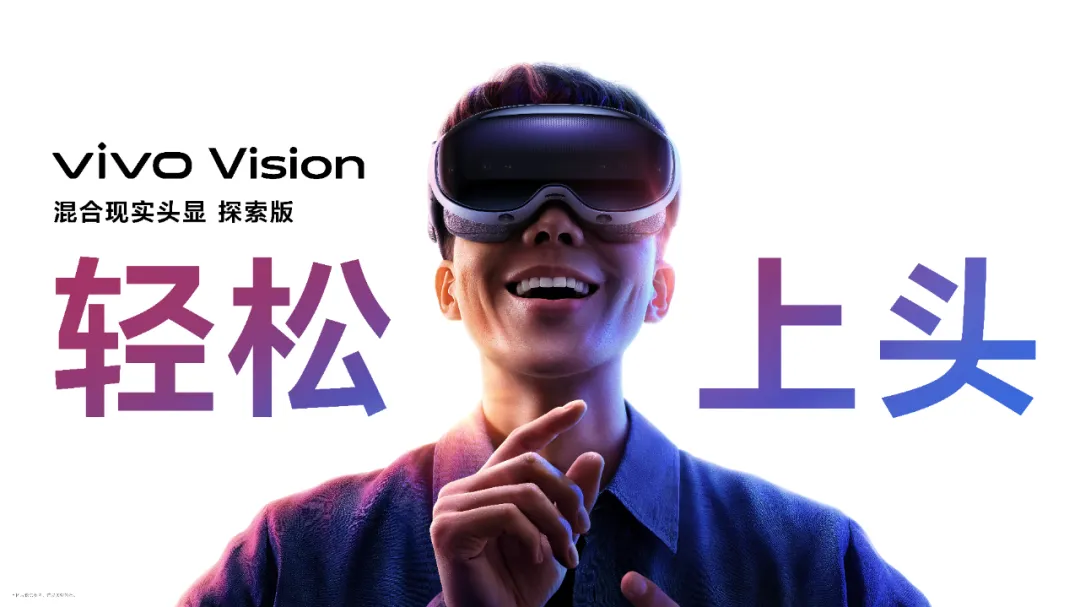
vivo Vision混合现实头显探索版

Search documents
手机厂商穿越周期的另一种活法
虎嗅APP· 2026-02-06 10:18
Core Viewpoint - The mobile phone industry is facing challenges such as rising component costs and prolonged replacement cycles, but these challenges also present opportunities for companies to innovate and grow [2][12]. Group 1: Market Performance - In 2025, vivo achieved a shipment volume of 105.3 million units, marking a 4% year-on-year growth and capturing 8% of the global market share, making it the only Chinese brand among the top five to experience positive growth [2][12]. - Vivo ranked first in China with an activation volume of 46.357 million units [2]. Group 2: User-Centric Approach - Vivo's CEO, Shen Wei, emphasized the importance of a "user-oriented" methodology, which was mentioned 38 times in his recent New Year address, indicating its central role in the company's strategy [6][10]. - The company has implemented a system where department heads analyze Net Promoter Score (NPS) data to address user feedback, ensuring a tighter feedback loop between users and decision-makers [7][11]. Group 3: Product Innovation - The success of the X series is attributed to its alignment with user needs, particularly in the imaging technology sector, leading to the launch of popular models like the X300 series [9][11]. - Vivo has developed products tailored to specific user groups, such as the Y300 series for delivery personnel and features for visually and hearing-impaired users [9][10]. Group 4: Strategic Philosophy - Shen Wei discussed the dialectical relationship between "choosing not to do" and "moving forward," reflecting an evolution in vivo's operational philosophy that balances core values with innovation [13][14]. - The company maintains its commitment to quality, avoiding hidden compromises even amid rising costs, and focuses on core competencies like imaging technology and system performance [13][14]. Group 5: Future Vision - Vivo aims to transition into an ecological technology platform, having already launched products like the vivo Vision mixed reality headset and established a robotics lab [15][17]. - The company's growth trajectory illustrates a shift from a leading mobile phone manufacturer to a broader technology ecosystem, underpinned by a consistent user-oriented philosophy [17][20].

研判2025!全球及中国MR头显行业发展历程、发展现状、出货量、竞争格局及未来发展趋势分析:联接数字与现实,MR头显引领下一代计算平台革命[图]
Chan Ye Xin Xi Wang· 2026-01-12 01:13
Core Insights - The MR headset is emerging as the next-generation computing platform that connects the physical and digital worlds, driven by AI empowerment, supply chain optimization, and ecosystem development by major players [1][10] - Global VR (including MR) headset shipments are expected to reach 9.6 million units in 2024, with a market size exceeding $72.4 billion, supported by both B2B productivity scenarios and B2C entertainment scenarios [1][12] - The Chinese MR market is projected to grow to 4.859 billion yuan in 2024, driven by the demand from Generation Z and independent innovation, with an expected surge to 41.381 billion yuan by 2028, reflecting a compound annual growth rate of over 50% [1][12] Industry Overview - MR (Mixed Reality) headsets integrate optical display, spatial positioning, and multi-modal sensing to achieve deep integration and real-time interaction between virtual content and the real environment, distinguishing it from VR and AR [2][3] - The core functions of MR headsets include real-time seamless integration of virtual and physical environments, supporting multi-modal natural interaction methods such as gesture and eye tracking [3][4] Market Dynamics - The global MR headset market is characterized by a concentrated oligopoly, with Meta, Sony, and Apple holding nearly 90% of the market share, where Meta dominates with a 73% share [13] - In China, the MR headset market is led by domestic giants Huawei and PICO, which together account for over 60% of the market, focusing on different segments such as enterprise and consumer markets [13] Development Trends - The Chinese MR headset industry is expected to advance along three main lines: technological iteration focusing on lightweight and precise interaction, ecological collaboration for a full-link synergy, and expansion of application scenarios [15][16] - Future technological advancements will prioritize user experience, with a focus on reducing device weight and enhancing interaction precision, while domestic supply chains will achieve breakthroughs in core components [15][16] - The market will see a parallel development of B2B high-value applications and B2C consumer scenarios, with manufacturers adopting differentiated positioning to drive market expansion [17]

2025 年度全球XR行业十大重磅事件
Xin Lang Cai Jing· 2025-12-31 16:03
Core Insights - 2025 is identified as a milestone year for the XR industry, marking significant advancements in technology and product development [1][3][33] - The year is characterized by a chemical reaction between "spatial computing" and "AI glasses," leading to transformative changes in the industry [3][35] Group 1: Major Events in XR Industry - Rokid's AI glasses gained significant media attention in February 2025, with over 1 billion views on Douyin, enhancing brand visibility and attracting investors [6][36][38] - The launch of RayNeo X3 Pro AR glasses in May 2025 showcased advanced Micro-LED technology, achieving a 50% improvement in light efficiency and peak brightness of 6000 nits [7][39][41] - Google re-entered the XR space in 2025, unveiling the Android XR ecosystem and collaborating with Samsung and XREAL on new XR devices [9][42][46] Group 2: Product Launches and Innovations - Xiaomi introduced its first AI shooting glasses in June 2025, featuring a 12MP camera and various color options, marking a significant entry of traditional smartphone manufacturers into the AI glasses market [10][46][48] - Meta invested $3.5 billion in EssilorLuxottica in July 2025, acquiring nearly 3% of the company, and has plans to increase its stake [11][49][50] - Vivo launched its first MR spatial computing device, Vivo Vision, in August 2025, emphasizing its role in the development of robotics and human-computer interaction [12][52] Group 3: Technological Advancements - Meta Ray-Ban Display was released in September 2025, featuring a display optical scheme with a resolution of 600x600 pixels and peak brightness of 5000 nits [13][52][53] - Apple launched the M5 chip version of Apple Vision Pro in October 2025, enhancing processing power by nearly 50% and supporting a 120Hz refresh rate [14][56][58] - ByteDance announced plans for a new high-end MR headset to be released in 2026, focusing on self-developed chips to address latency and distortion issues [15][60] Group 4: New Entrants and Market Dynamics - Alibaba entered the AI glasses market in November 2025 with the launch of Quark AI glasses, integrating various AI functionalities and marking its strategic move into the physical world [16][61][63]





2025 VDC游戏生态分会场:聚力共生,构筑游戏长效增长体系
Jiang Nan Shi Bao· 2025-10-11 07:05
Core Insights - The vivo Developer Conference (VDC) held in Shenzhen focused on enhancing platform services and user experiences for game developers and players, emphasizing the theme "Together, We Move Forward" [1] Game Ecosystem Value Creation - The Chinese gaming market is shifting towards long-term operations and high-quality content due to a plateau in user growth and revenue [2] - vivo aims to bridge developers and players, providing operational support tailored to different game life cycles, from launch to long-term promotion [2] - The company is increasing its promotion of high-quality mini-games, leveraging OS scenarios to achieve millions of daily new exposures [2] User Experience Optimization - vivo is enhancing user experience through hardware advancements, such as the iQOO gaming phone and the new vivo Vision mixed reality headset [3] - The company is focused on user-driven platform functionality improvements and collaborative offline activities with developers to create engaging gaming centers [3] Channel Value and Lifecycle Services - vivo's high-end models are driving growth in high-value gaming consumers, supported by refined channel services to attract these users [4] - The company has upgraded its self-developed traffic algorithm to optimize resource allocation and improve user acquisition [4] - Strategies for user retention include various recall tactics and enhanced exposure for previously uninstalled games [4] Case Study: "Douluo Dalu: Soul Hunting World" - vivo collaborated with 37 Mobile to implement a phased and precise operational strategy for the game, focusing on user acquisition and retention [5] - The partnership involved extensive resource integration and promotional efforts to maximize user conversion during the game's launch [5][6] Engaging Young Players - vivo is focusing on young players, who desire quick access to high-quality gaming experiences and diverse participation [7] - The company is innovating product forms to cover the entire user journey, from discovery to social interaction [7] Mini-Game Market Strategy - vivo is leveraging a multi-faceted approach to develop successful mini-games, including significant daily exposure and user conversion strategies [8] - The platform is enhancing monetization through diverse advertising formats and user incentives [8] Comprehensive Game Ecosystem Strategy - vivo is implementing a holistic strategy for in-app purchases and monetization, focusing on user engagement and retention [9] - Future plans include enhancing marketing capabilities through resource and creative strategies to build a closed-loop ecosystem for user growth [10]
三十年,vivo和它的“良币时代”
吴晓波频道· 2025-09-25 00:29
Core Viewpoint - The article discusses the evolution and future prospects of vivo, a Chinese smartphone brand, highlighting its journey from a small team to a global technology enterprise, and its strategic focus on long-term technological development and innovation [5][6][7]. Group 1: Historical Context - In 1995, vivo was founded in Dongguan, China, during a time when the country was experiencing significant industrial growth and a resurgence of national brands [3][10]. - The company started with a small team of seven and has grown to over 13,000 R&D personnel, serving more than 500 million users globally [6][10]. - By 2024, vivo had filed over 56,000 patents and received more than 21,000 patents globally, marking its significant contribution to the technology sector [6]. Group 2: Challenges and Growth - In 2011, vivo faced major challenges transitioning from feature phones to smartphones, incurring significant losses but ultimately emerging stronger by focusing on differentiation and user experience [17][21]. - The launch of the vivo X1, the world's first smartphone with a Hi-Fi chip, marked a turning point, leading to substantial market success and helping the company to overcome its initial difficulties [18][21]. Group 3: Strategic Direction - Vivo's strategy emphasizes the importance of long-term technological capabilities over short-term gains, focusing on user needs and unique offerings that competitors cannot easily replicate [30][32]. - The company has established partnerships with leading technology firms to enhance its capabilities in areas such as imaging and chip development, ensuring a competitive edge in the market [30][42]. Group 4: Future Outlook - Vivo is expanding into new areas such as mixed reality (MR) and robotics, with plans to develop products that integrate AI and enhance user experiences in home environments [35][37]. - The company's approach is characterized by a commitment to gradual innovation and collaboration with ecosystem partners, aiming to create a sustainable and mutually beneficial business environment [48][50].

vivo发布首款头显 成国内首家“手机+MR”布局厂商
Zhong Guo Chan Ye Jing Ji Xin Xi Wang· 2025-08-27 06:26
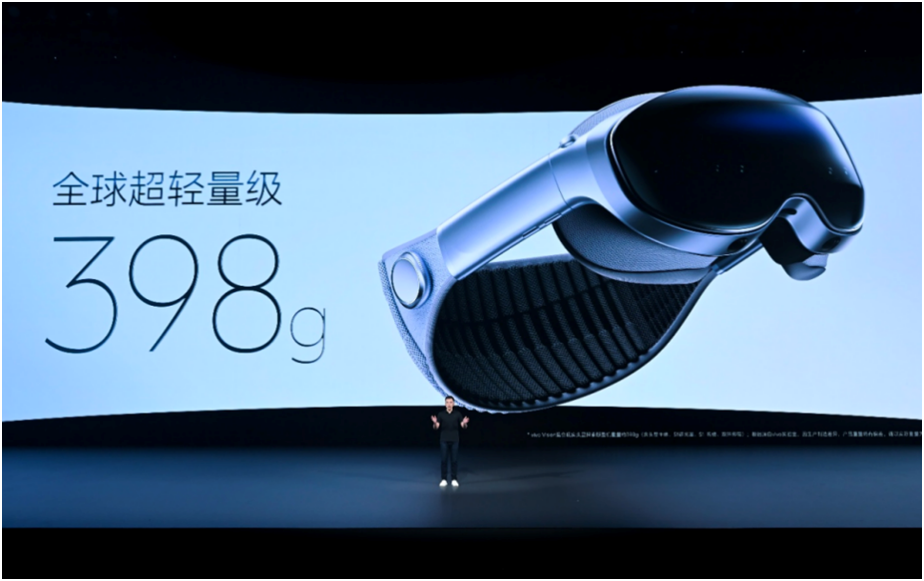
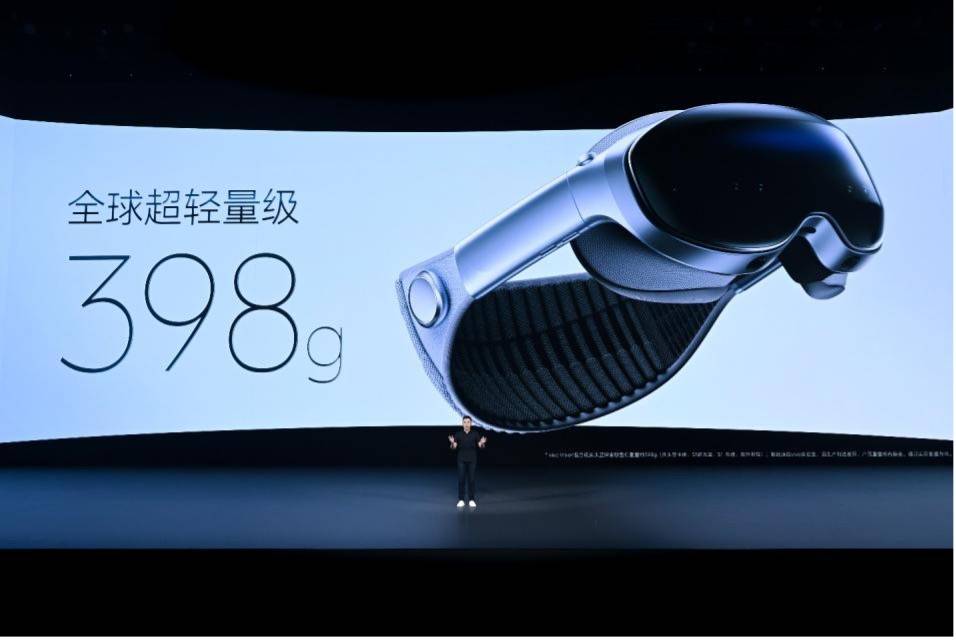
Core Viewpoint - Vivo has launched the Vivo Vision mixed reality headset, becoming the first Chinese technology company to integrate both mobile and mixed reality (MR) technologies, creating a comprehensive ecosystem for content creation and user experience [1] Group 1: Product Features - The Vivo Vision headset weighs only 398g, significantly lighter than the industry average of 600-700g, and its dimensions are 26% smaller than the industry average [2] - It features a new OriginOS Vision system that allows for high-precision eye tracking and gesture recognition, enhancing user interaction [2] - The headset utilizes a Micro-OLED screen with dual 8K resolution and 94% DCI-P3 color gamut coverage, ensuring high color accuracy and consistency [3] Group 2: Technological Advancements - The device is powered by Qualcomm's second-generation Snapdragon XR2+ platform, which offers 2.5 times the GPU performance and 8 times the AI performance compared to its predecessor [3] - Vivo has focused on building an ecosystem that integrates various content types, including movies, games, and live sports events, to enhance user experience [3] Group 3: Strategic Initiatives - Starting August 22, the Vivo Vision headset will be available for experience in select cities across China, with 13 authorized experience stores [4] - Vivo is upgrading its imaging strategy to better meet diverse user needs, focusing on integrating imaging capabilities across various scenarios [4][5] - The company has entered a new phase of global imaging strategic cooperation with Zeiss, aiming to innovate in mobile imaging technology [6] Group 4: Future Directions - Vivo plans to continue its user-oriented approach and commitment to technological innovation, aiming for long-term growth and sustainability [7]
vivo握住未来“先机”
Guan Cha Zhe Wang· 2025-08-22 11:07
Core Insights - The article highlights the rise of China's mobile phone industry, particularly focusing on vivo's journey as a leader in the sector, showcasing its resilience and user-centric approach [1][4][19] - vivo's recent launch of the vivo Vision mixed reality (MR) headset marks a significant technological advancement, addressing previous challenges in MR technology and positioning the company for future growth [1][4][12] Industry Overview - The global technology industry is on the brink of a new transformation, with companies that can seize the "first-mover advantage" likely to lead the next era [1] - The MR market is projected to grow significantly, with estimates suggesting a market size of $72.4 billion in 2024, reaching $290.8 billion by 2028, indicating a multi-fold increase [7] Company Strategy - vivo's entry into the MR space reflects a long-term commitment to innovation and strategic thinking, as the company has consistently focused on user needs and market demands [4][5][8] - The company aims to leverage its extensive experience in hardware manufacturing and content ecosystem development to create a competitive edge in the MR market [11][12] Technological Advancements - The vivo Vision headset addresses key pain points in MR technology, such as weight and comfort, by utilizing advanced materials and design techniques, resulting in a weight reduction to 398 grams [11][12] - The headset is designed to enhance user experience across various scenarios, including entertainment, productivity, and gaming, thereby expanding its market appeal [12] Future Outlook - vivo envisions the MR technology as a bridge connecting the physical and digital worlds, with plans to integrate it into future household robots, enhancing their perception and decision-making capabilities [15][17] - The company emphasizes a collaborative approach with industry partners to build a robust ecosystem that supports the growth of MR and robotics, aiming for mutual benefits and shared success [20]
不抢风口,vivo为何押注MR?
Hu Xiu· 2025-08-22 10:33
Core Insights - The technology industry is shifting focus towards large models and humanoid robots, with AI glasses and toys becoming new hotspots for investors and media [1] - Mixed Reality (MR) is still evolving and has not yet reached its true potential, with companies like Apple exploring new paradigms through products like Vision Pro [2][5] - Vivo has taken a different approach by launching the Vivo Vision mixed reality headset, showcasing its long-term commitment to spatial computing despite the current market's low enthusiasm for MR [3][11] Industry Trends - The MR industry has experienced fluctuations that align with Gartner's hype cycle, moving from high expectations to a trough of disillusionment, and is now on the path to recovery [5][6] - The rise of AI models has shifted industry attention towards lighter and cheaper devices, leading some to believe that MR is no longer relevant [6][7] - Key technologies supporting MR, such as chips and display components, are maturing rapidly, which could lead to a resurgence in MR adoption [7][8] Vivo's Strategy - Vivo's commitment to MR is part of a broader technological strategy aimed at addressing user needs and leveraging its capabilities [4][8] - The Vivo Vision headset is not just a concept but a culmination of years of systematic investment in MR technology [11][19] - Vivo aims to build a comprehensive smart home ecosystem, with MR serving as a critical component for future household robots and AI integration [20][24] Product Features - The Vivo Vision headset weighs 398g and offers a more comfortable user experience compared to competitors like Apple's Vision Pro, which weighs over 600g [13][14] - It features advanced Micro-OLED screens with dual 8K resolution and a high pixel density (PPD) of 38, surpassing both Vision Pro and Quest 2 [15] - The headset supports multimodal interactions, including eye tracking and gesture recognition, with a low system latency of 13ms [16] Future Outlook - Vivo's Vision headset represents a significant milestone in the company's transition to the spatial computing era and is part of a long-term strategy for the next decade [22][25] - The development of MR technology is seen as a pathway to enhance personal devices' interaction capabilities, moving towards a new ecosystem that connects users, spaces, and AI [23][26]
不抢风口,vivo为何押注MR?
虎嗅APP· 2025-08-22 10:29
Core Viewpoint - The article discusses the evolving landscape of the Mixed Reality (MR) industry, highlighting that despite the current focus on AI and lightweight devices, MR technology is still progressing and has not reached its peak potential. Companies like vivo are making significant investments in MR technology, indicating a long-term strategic vision for the future of spatial computing [2][9][20]. Group 1: Industry Trends - The MR industry has experienced fluctuations that align with Gartner's hype cycle, moving from high expectations to a trough of disillusionment, and is now on the path to recovery as key technologies mature [7][8]. - The introduction of Apple's Vision Pro has reignited interest in MR, but its high cost and cumbersome design have limited its market penetration [8][9]. - The rise of AI and lightweight devices has shifted industry focus, with IDC predicting a 26% year-on-year growth in global smart headset shipments by 2025, driven by smart glasses and AI [8][9]. Group 2: vivo's Strategic Position - vivo has chosen to invest in MR technology rather than following the trend towards AI glasses, anticipating a rapid growth phase for MR in the consumer market [9][11]. - The launch of vivo Vision, a high-quality MR headset, represents a culmination of years of research and development, showcasing vivo's commitment to spatial computing [11][13]. - vivo's Vision headset weighs 398g and features advanced Micro-OLED screens with dual 8K resolution, outperforming competitors in terms of display clarity and user comfort [13][14]. Group 3: Technological Advancements - vivo Vision incorporates multi-modal interaction capabilities, including eye tracking and gesture recognition, creating a seamless user experience without external devices [14][21]. - The headset's low latency of 13ms enhances user comfort and reduces motion sickness, addressing common issues faced by MR users [14][21]. - The technology developed for vivo Vision is not only applicable to MR but also lays the groundwork for future home robotics, enabling better interaction with the physical environment [21][22]. Group 4: Long-term Vision - vivo's investment in MR is part of a broader strategy to integrate spatial computing with AI and robotics, aiming to create a comprehensive smart home ecosystem [20][22]. - The company views MR as a critical step towards developing future technologies that connect users, spaces, and devices, with a focus on enhancing user interaction and experience [20][23]. - The launch of vivo Vision marks the beginning of a new era for the company, as it seeks to redefine personal technology beyond traditional smartphones [20][23].
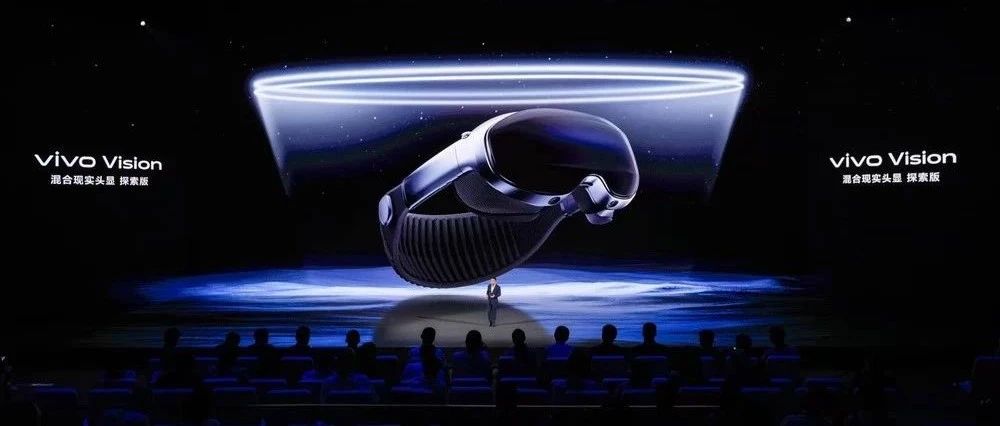
vivo发布vivo Vision混合现实头显探索版:重量仅398g
Huan Qiu Wang· 2025-08-22 03:25
Core Insights - Vivo has launched the Vivo Vision mixed reality headset, marking its 30th anniversary, showcasing its technological innovations in imaging, sensors, and display to address engineering challenges in MR devices [1][3] - The company emphasizes its commitment to user-centric values and aims to integrate mixed reality into daily life, enhancing convenience and accessibility for a broader audience [3] Product Features - The Vivo Vision headset weighs only 398g and has dimensions reduced by 26% compared to industry averages, designed for ergonomic comfort with pressure points not exceeding 6.628 kPa [3] - It features a new OriginOS Vision system that allows for natural interaction through high-precision eye tracking and gesture recognition, enhancing user experience [4] - The headset utilizes Micro-OLED screens with dual 8K resolution and 94% DCI-P3 color gamut coverage, ensuring high color accuracy and visual fidelity [5] Ecosystem and Content - Vivo aims to create a rich ecosystem around the Vivo Vision headset, offering immersive experiences in video, gaming, and office applications, including a mobile cinema experience and live sports viewing [6] - The headset will be available for user experience trials starting August 22, covering major cities in China [6] Imaging Strategy - Vivo has upgraded its imaging strategy to enhance user experience across various scenarios, focusing on safety, health, and cross-device experiences [7] - The company collaborates with Zeiss to innovate in mobile imaging technology, aiming to meet consumer demands and enhance image quality [7] Video Capabilities - The Vivo Vision headset supports advanced video features, including 4K slow motion and AI-enhanced beauty modes, catering to diverse creative needs [8] - The company recently announced the winners of its photography competition, showcasing the global engagement and creativity of its user base [8]