
Di Yi Cai Jing

Search documents
AI浪潮下的生产力革新:第一财经科创未来行邀您共探价值重构路径
Di Yi Cai Jing· 2026-01-27 13:58
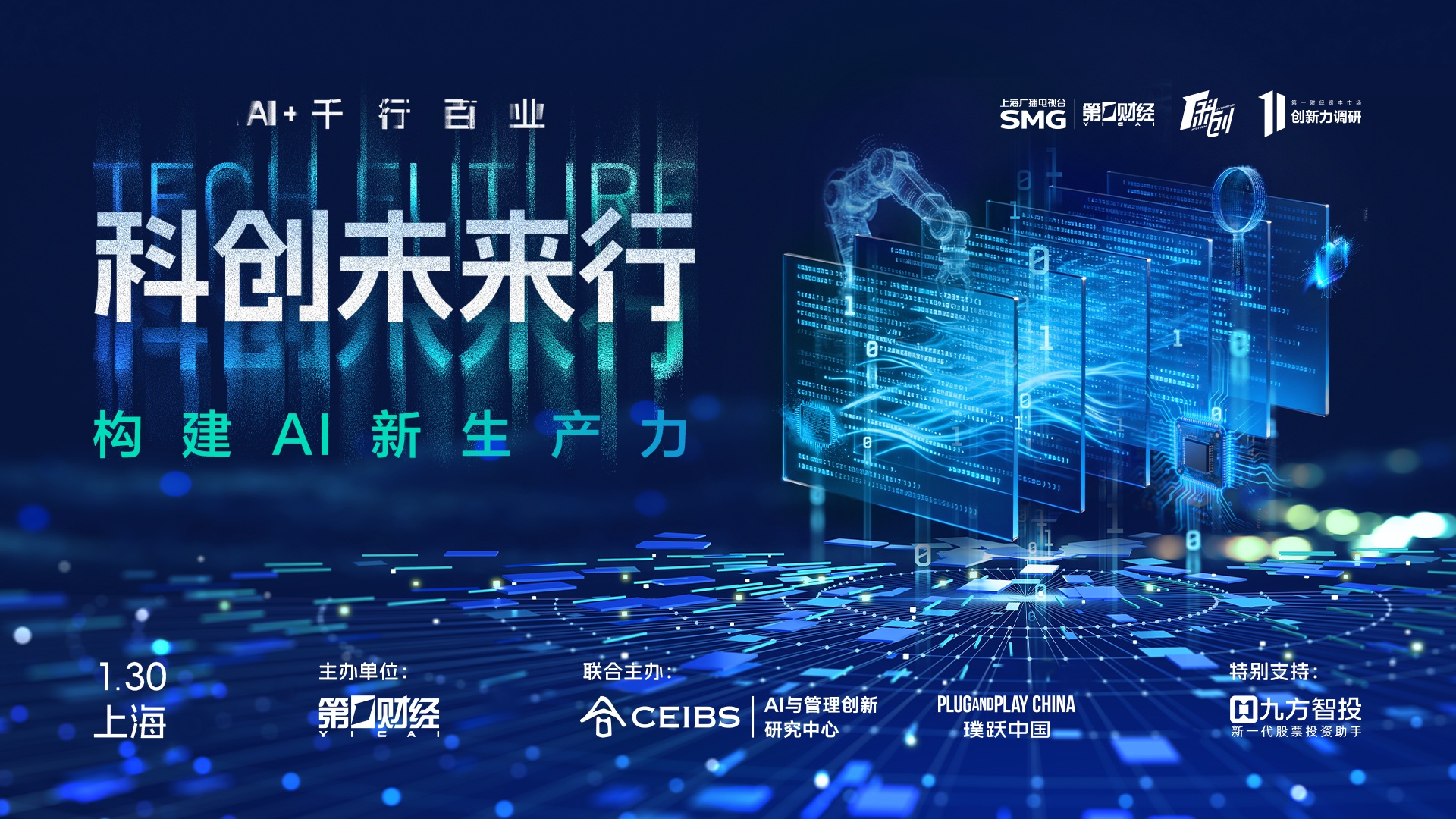
1月30日,齐聚上海,聚焦生成式时代商业革命的底层逻辑。 兼顾理论高度和实战应用,此次沙龙还将邀请行业专家,结合企业级AI应用的真实案例,拆解数字化底座搭建与AI潜能释放的核心方法论,进行AI落地的 实战经验分享。 两场头脑风暴探索AI赋能路径 沙龙将设置两场专题圆桌论坛,分别聚焦AI时代生产力重构、智能体与搜索优化对企业的增长赋能等话题,邀请上市公司负责人、独角兽企业创始人、顶 级投行专家及行业分析师在现场展开头脑风暴,探索AI技术赋能企业的多重路径。 在日新月异的AI时代,数字化浪潮加速产业迭代步伐,生成式大模型全面重塑商业逻辑。这场变革不仅颠覆着行业生产力格局,更深刻改写着企业的组织 形态与价值构成,一场由AI驱动的生产力跃迁正在悄然发生。 第一财经"科创未来行"2026年度AI产业主题沙龙正式启动,活动将于1月30日,在璞跃中国长三角区域创新中心举行。此次沙龙由第一财经联合中欧国际工 商学院AI与管理创新研究中心、璞跃中国(Plug and Play China)共同主办,九方智投特别支持,聚焦AI技术落地与商业创新,搭建技术与产业的深度对话 桥梁,共同探索AI商业价值逻辑的底层密码。 四大维度解构A ...

1个月内3家光伏企业被“追债”上亿元 原因何在
Di Yi Cai Jing· 2026-01-27 13:49
随着光伏行业从拼装机,进入拼技术、成本与现金流的淘汰赛,昔日扎堆签约的扩产项目开始遭遇履约 考验。 *ST沐邦(603398.SH)日前公告,1月23日,梧州市人民政府下发行政决定书,责令公司在收到决定书 之日10日内,向广西梧州高新技术产业开发区管理委员会和粤桂合作特别试验区梧州管委会财政金融局 退回共5.1亿元的项目财政补助及建设扶持款,并支付5100万元违约金。 *ST沐邦与梧州市政府的纠葛可追溯到2022年7月。当时,双方签署项目投资合同书,拟投资52亿元在 广西梧州高新技术产业开发区内建设年产能10吉瓦(GW)的光伏电池生产基地。次年12月,梧州市人 民政府向*ST沐邦及其子公司分别拨付了2.7亿元财政补助款和2.4亿元项目建设扶持款。不过由于项目 实际建设屡屡滞后、长期未能投产,梧州市政府于2025年7月下发事先告知书,责令*ST沐邦退及子公 司退还5.1亿元资金并承担违约责任。 无独有偶,"光伏组件第一股"亿晶光电(600537.SH)去年12月末公告,其滁州光伏项目因建设落地滞 后,项目合作方全椒县对公司发出听证通知,拟解除相关投资协议、追回1.4亿元出资款。 1月5日,棒杰股份(002634 ...


中国尚无尼帕病毒输入性病例,尼帕病毒沸水加热15分钟可灭活
Di Yi Cai Jing· 2026-01-27 13:42
【#中国尚无尼帕病毒输入性病例#,#尼帕病毒沸水加热15分钟可灭活#】近日,尼帕病毒在印度西孟加 拉邦出现局部暴发的疫情备受媒体和公众的关注。对于该病毒的流行状态,一位疾控系统的专家表 示:"中国目前尚无输入病例。" 虽然尼帕病毒每次溢出病例数不多,但仍对全球公共卫生构成了严峻挑战,其核心难点在于极高的病死 率以及可能出现复发性或迟发性脑炎等长期神经系统后遗症,这都给人类带来了极大的威胁。 此外,"从目前已有的流行病学研究数据看,孟加拉国的尼帕病毒的基本再生数(R₀)约为0.33。对一 个病毒来讲,如果所有溢出的病毒株的R₀值均小于1,且在人体内不发生变异,那么每次溢出事件只会 产生少量病例。"一位病毒学专家表示。 尼帕病毒在自然环境中的存活率也决定了其传播性。根据2024年刊发在《MedScience》的一篇研究论文 《尼帕病毒:流行病学、发病机制、治疗和预防》,尼帕病毒在果汁或芒果中可存活长达3天,在22℃ 下保存的人工椰枣汁(13.0%蔗糖和0.2%牛血清白蛋白水溶液,pH7.0)中至少可存活7天。另外,尼帕 病毒在果蝠尿液中的半衰期为18小时。尼帕病毒相对稳定,在70℃下可存活1小时(仅病毒浓度降 低 ...
1个月内3家光伏企业被“追债”上亿元,原因何在
Di Yi Cai Jing· 2026-01-27 13:39
2023年下半年起,光伏产能过剩问题凸显,业内减产、控产呼声不断。 随着光伏行业从拼装机,进入拼技术、成本与现金流的淘汰赛,昔日扎堆签约的扩产项目开始遭遇履约 考验。 *ST沐邦(603398.SH)日前公告,1月23日,梧州市人民政府下发行政决定书,责令公司在收到决定书 之日10日内,向广西梧州高新技术产业开发区管理委员会和粤桂合作特别试验区梧州管委会财政金融局 退回共5.1亿元的项目财政补助及建设扶持款,并支付5100万元违约金。 "地方政府对光伏产业的支持主要体现在财政补贴、税收优惠、融资便利、土地保障和产业引导五大维 度。"南开大学金融发展研究院院长田利辉在接受第一财经记者采访时表示,这些政策在产业培育期发 挥了"孵化器"作用,推动中国光伏快速实现规模化生产与技术迭代。 不过,部分地方在快速推进项目时,却忽视了行业产能过热和企业自身风险问题。 *ST沐邦与梧州市政府的纠葛可追溯到2022年7月。当时,双方签署项目投资合同书,拟投资52亿元在 广西梧州高新技术产业开发区内建设年产能10吉瓦(GW)的光伏电池生产基地。次年12月,梧州市人 民政府向*ST沐邦及其子公司分别拨付了2.7亿元财政补助款和2.4 ...
陆金所控股关联交易风波后续:补充调查结果出炉,正推进内控整改
Di Yi Cai Jing· 2026-01-27 13:32
针对上述问题,陆控在公告中披露了整改措施:陆控前联席首席执行官和前首席财务官(均已离职)主 要负责设计和实施补偿性交易。对于在相关交易中负有责任或起到支持作用的人员,陆控正在考虑适当 的人员管理措施。此外,陆控已委任德勤作为独立内部监控顾问,对公司内部监控系统进行审查并提供 整改建议,以完善内部控制。 陆控在公告中表示,补充调查结果已提供给继任审计师安永进行2022年至2024年财报审计。纽交所已批 准其过往财报发布延期至2026年4月30日。"公司正在编制尚待刊发的财务业绩。公司正在积极推进相关 工作,包括配合审计、落实内部监控整改措施等,并将根据上市规则的要求适时就复牌进展作出进一步 公告。"陆控表示。 根据补充调查结果,在2017年至2023年期间,陆控向第三方深圳德诚投资发展有限公司(下称"德诚投 资")提供了总计38.4亿元贷款。这些贷款的部分资金被德诚投资用于收购某些风险或风险理财产品的 底层资产,目的是用于补偿通过陆控平台购买相关亏损金融产品的零售投资者。 调查团队发现,上述用于补偿交易的贷款交易会计处理未反映上述贷款交易的经济实质,即德诚投资作 为通道方代陆控承接相关风险资产或风险理财产品的底 ...
AI进化速递丨阿里发布千问旗舰推理模型Qwen3-Max-Thinking
Di Yi Cai Jing· 2026-01-27 13:22
Group 1 - Alibaba officially launched the Qwen3-Max-Thinking flagship reasoning model [1] - Kimi announced the release and open-sourcing of the Kimi K2.5 model [1] - MiniMax M2.1 × Clawdbot aims to create an open-source AI assistant to build a super-intelligent workflow [1] Group 2 - Microsoft introduced the next-generation AI chip, Maia 200 [1] - NVIDIA released the AI "Earth-2" system, designed to enhance weather forecasting accuracy [1]



万科两笔中票展期方案获通过,4成本金靠大股东继续输血
Di Yi Cai Jing· 2026-01-27 13:19
历经多轮博弈,万科旗下寻求展期的两笔中票的展期方案终于获得通过。 今年7月底之前到期的债券合计超百亿。 此外,不久前通过的"21万科02"展期方案也需在1月30日兑付超4亿元首付。这也意味着,万科将在未来 一周内支付约28.7亿元。 这笔款项对如今的万科来说不是个小数目。大股东深铁再次伸出了援手。1月27日晚,万科同步公告 称,深铁将向其提供不超过23.6亿元借款,利率为2.34%,用于偿还万科在公开市场发行的债券本金与 利息。 如此,在深铁的支持下,万科又渡过了眼前的展期难关。不过,这只是万科接下来"闯关"的起始。 第三方机构普睿数智研究中心统计,目前万科共有15笔债券处于存续期,余额合计约296亿元;除上述 已给出展期方案的3笔、共68亿元之外,2026年7月30日之前到期的债券还有7笔,合计约112.6亿元。 而万科自身的经营目前仍面临着阶段性压力。据万科2025年三季报显示,其前三季度净亏损280.2亿 元;另据克而瑞统计,2025年万科合约销售1339亿元,同比下滑45.6%。上述机构认为,销售持续下跌 的情况下,回款很难支撑后续到期债务所需。 1月27日晚,"22万科MTN004"、"22万科MT ...

AI进化速递丨DeepSeek发布DeepSeek-OCR 2模型
Di Yi Cai Jing· 2026-01-27 13:15
Core Insights - The article highlights significant advancements in AI technology with the release of new models and chips by various companies, indicating a competitive landscape in the AI sector. Group 1: AI Model Releases - DeepSeek has launched the DeepSeek-OCR 2 model, enhancing optical character recognition capabilities [1] - Alibaba has officially released its flagship reasoning model, Qwen3-Max-Thinking, marking a significant step in AI development [1] - Kimi announced the release and open-sourcing of the Kimi K2.5 model, contributing to the open-source AI community [1] - MiniMax introduced the MiniMax M2.1 × Clawdbot, aimed at creating an open-source AI assistant to build superintelligent workflows [1] Group 2: AI Hardware Developments - Microsoft has unveiled the next-generation AI chip, Maia 200, which is expected to improve AI processing capabilities [1] - NVIDIA has released the AI "Earth-2" system, designed to enhance the accuracy of weather forecasting [1]

赛微电子:预计2025年净利润14.14亿元-15.04亿元,同比扭亏为盈
Di Yi Cai Jing· 2026-01-27 13:13
Core Viewpoint - The company expects a net profit attributable to shareholders of 1.414 billion to 1.504 billion yuan in 2025, a significant turnaround from a loss of 170 million yuan in the previous year, primarily due to substantial non-recurring gains from the sale of its stake in Swedish Silex in July 2025 [1] Financial Performance - The projected net profit for 2025 represents a year-on-year improvement, indicating a recovery from the previous year's loss [1] - The anticipated profit is influenced by the recognition of long-term equity investment gains and the positive impact from the acquisition of Zhancheng Technology [1]

“金标大众”考虑生产增程车
Di Yi Cai Jing· 2026-01-27 13:12
近年来,中国新能源汽车市场快速发展,目前渗透率已超过50%。而合资品牌在这一领域发展较为缓 慢,普遍未能推出爆款产品,这也导致依靠燃油车业务发展的合资车企市场份额不断萎缩。合资车企在 电动车领域的技术能力、产品力和品牌认知尚未形成,近两年推出的新能源产品难以贴合中国用户对智 能座舱、高阶智驾的强需求,同时转型包袱较重,难以应对快速变化的市场需求。 汤廷万表示,中国市场推出新电动车的频率和价格竞争超出预期。 "大众安徽一开始的策略是生产纯电车型,但策略永远要跟市场形势、变化相对应去调整,现在市场上 对增程需求较大。不过,目前只考虑纯电和增程两种动力形式。"大众汽车(安徽)数字化销售服务有 限公司CEO汤廷万(Stefan Timmermann)对第一财经记者表示。 大众安徽是大众汽车在华第三家子公司,旗下产品为"金标大众"系列,目前在售产品为与众06;今年 是"金标大众"的产品大年,将推出三款全新车型和与众06改款车,新车包括首款纯电智能轿车与众07、 纯电全尺寸SUV与众08和一款全新B级纯电轿车。汤廷万表示,与众08定位为B级SUV,将在4月上市, 与众07和改款与众06于5月上市,全新B级纯电轿车将于四季 ...