
Ren Min Ri Bao

Search documents
以基层治理现代化助力更高水平平安中国建设
Ren Min Ri Bao· 2026-02-02 03:20
(作者:孙静;作者单位:中国人民公安大学治安学院) 健全法治保障。面对社会治理领域形势任务的发展变化,始终坚持依法治理,运用法治思维和法治方式 预防风险、化解矛盾、维护社会稳定,才能为基层治理提供更坚实的保障。深入研究新形势下基层治理 的规律特点,完善基层治理政策法规,推动社会治理领域的法律制度体系更加系统完备、科学规范、运 行有效。健全覆盖城乡的公共法律服务体系,努力为群众提供多层次、宽领域、高品质的法律服务,充 分运用调解、仲裁、行政裁决、行政复议、诉讼、法律监督等法律手段,在法治轨道上实现定分止争。 积极开展法治宣传教育,采用网上网下等多种形式实时普法、精准普法,让普法供给不断满足群众的法 治需求,促进群众形成办事依法、遇事找法、解决问题用法、化解矛盾靠法的良好意识和习惯。 加强科技赋能。科技是增强基层治理效能的强大引擎,能够提高基层治理质量和效率,更好满足人民群 众对安全、公平、正义等的需求,提升人民在社会发展进步中的获得感、幸福感、安全感。聚焦群众所 急所需所盼,加强线上线下一体化平台建设,在保障安全的前提下推动信息互联互通、数据资源共享共 用,使科学技术更好地赋能社会治理。充分利用云计算、大数据等 ...
阅读有“法” 书香致远(解码·提升公共文化服务水平)
Ren Min Ri Bao· 2026-02-02 03:20
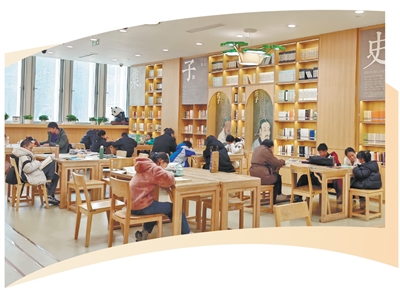
四川省图书馆青少年研学中心,读者在认真阅读。 人民日报记者 宋豪新 摄 "新疆数字农家书屋"阅读平台小程序界面。 资料图片 河南省郑州市郑东新区如意湖畔的郑品书舍内,读者在看书。 徐宗福 摄 最是书香能致远,读书是最基本的文化建设。2月1日起,《全民阅读促进条例》正式施行,开展多年的 全民阅读活动进入新阶段。让阅读空间成为"家门口的风景"、推动"纸读"与"屏读"互补共进、加大全民 阅读推广力度……各地在全民阅读优质内容供给、阅读质量提升、阅读服务保障等方面有哪些新探索? 记者进行了探访。 ——编 者 四川、重庆推动公共图书馆互联互通 一卡通用,两地好书随心借 人民日报记者 宋豪新 一本书,从四川省图书馆的"大本营"出发,被一名读者归还至四川广安市图书馆。下一名读者"接力"将 它带上了开往重庆的高铁。现在,这本书正躺在重庆南岸区图书馆的书架上,等待下一名有缘的读者。 这本书的借阅轨迹,成为一张生动的"川渝阅读一体化实体地图"。 川渝两地读者通过"川渝阅读一卡通"服务,凭身份证或社保卡,就能在200余家县级及以上公共图书 馆"一卡通用、通借通还"。从5000多万册的浩瀚纸本,到贯通古今的数字馆藏,图书资源品类多、 ...

公共美育需久久为功(艺坛走笔)
Ren Min Ri Bao· 2026-02-02 03:20
从社会学维度审视,爆款展览所缔造的流量神话,或许更应该被视作一面映照时代的镜子。镜中折射 的,既有大众的文化渴求、科技赋能的广阔空间,亦有"艺术+商业"的逻辑渗透。美术馆作为文化传播 的重要载体,其责任在于以优质内容为桥、以丰富活动为引,将走马观花的"游客"沉淀为静心品读 的"观众",让原本浅尝辄止的好奇心被直抵心灵的艺术感染力充分点燃。在这个追求速度与效率的时 代,我们真正匮乏的,往往是一种久久为功的"慢"的定力。唯有掌握好快与慢的平衡之道,方可于快节 奏的现代生活中抓住展览与观众、与时代连接的最佳时机,于静处重建判断的尺度、开启美的深度觉 知。(应金飞) 近期,在浙江美术馆同期开展的"面容与印迹:维姆·文德斯与罗伯特·博西西奥影像绘画双人展"和"山林 气象——金农特展",借助多元渠道形成线上线下传播热潮,成为跨年期间的文化热点事件。这一现 象,引发公众对时代审美趋势与生命价值内涵的进一步关注与思考,也促使行业内部进行更为理性的审 视:展览如何从短期热度走向深度沉淀? 《人民日报》(2026年02月01日08版) 从传播规律来看,一些展览之所以能成为爆款,关键因素是搭建起了公众与艺术沟通的桥梁。能够"长 红 ...
高价值专利助力培育新质生产力(新春走基层)
Ren Min Ri Bao· 2026-02-02 03:19
开栏的话 今年是中国共产党成立105周年,是"十五五"开局之年。新的一年,新的奋斗,新的进发。"一起为梦想 奋斗、为幸福打拼,把宏伟愿景变成美好现实"的殷殷期望催人奋进。 人民日报今起开设"新春走基层"专栏,编辑记者践行"四力",奔赴基层一线采访,看山河壮丽、大地丰 饶的大国气象,听心有所悦、业有所成的百姓故事,展现中国式现代化的壮美华章。 临近春节,在消费品以旧换新政策带动下,各地商场的手机店吸引了大量客流,新品销售火热。 湖北武汉楚河汉街一家手机店里,消费者张先生正在体验折叠屏手机,"既方便携带,还能'尝鲜'新功 能。" 门店工作人员介绍,随着折叠屏等创新形态逐步进入主流手机市场,再加上人工智能语音助手等功能上 新,消费者购机热情高涨。2025年,我国手机市场规模突破万亿元。折叠屏手机市场出货量超过1000万 台,同比增长9.2%。 "折叠屏手机融合材料科学、先进制造和软件生态创新,我们在该领域持续研发超过8年,累计获得超过 3500件相关专利。今年,我们还将推出新一代产品。"OPPO首席知识产权官冯英介绍,截至2025年底, OPPO全球专利申请量超过11.8万件,全球专利授权数量超过6.6万件。其中, ...
细节摊在阳光下 公务接待更规范(在现场·作风建设新观察)
Ren Min Ri Bao· 2026-02-02 03:19
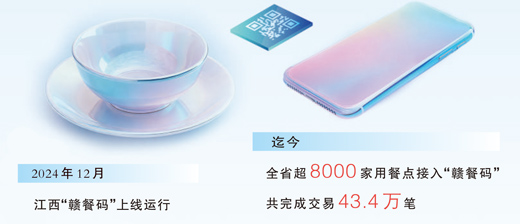
作风建设永远在路上,全面从严治党永远在路上。在二十届中央纪委五次全会上,习近平总书记强 调,"以更高标准、更实举措推进全面从严治党,更加坚决有力地贯彻落实党中央重大决策部署,更加 科学有效地把权力关进制度笼子,更加清醒坚定地推进反腐败斗争"。 "十五五"开局之年,各地坚持巩固拓展深入贯彻中央八项规定精神学习教育成果,推进作风建设常态化 长效化。具体实践中,有哪些新探索、新成效?请随记者探访作风建设一线,进行近距离观察。 ——编 者 一餐一饭见作风。从中央八项规定,到《党政机关国内公务接待管理规定》,再到新修订的《党政机关 厉行节约反对浪费条例》,一系列制度规定相继出台,立规矩、明责任、纠偏差,不断推进公务接待规 范化,严管舌尖上的浪费与腐败。 上午9点左右,郑玉明的手机响了。 "郑经理,我是妮娜。中午我们这边有趟公务接待,9个人,都是科级及以下,麻烦您安排一下。"电话 那头,传来赣州市章贡区城市管理局干部孔妮娜的声音。 江西赣州市通过推行"公务消费网络监管系统"和"赣餐码",在公务接待环节加强登记、备案,进一步提 高透明化、规范化程度。1月中旬,赣州宾馆营销经理郑玉明,就经历了一场公务接待的前后过程。 【镜头 ...
逐梦前行,自成炬火(中国道路中国梦)
Ren Min Ri Bao· 2026-02-02 03:19
那是汇涓滴而成江河的"你",也是聚微光而成星海的"我"。亿万颗心想在一起、干在一起,创造了今日 的中国奇迹。 二〇二六年新年贺词中,习近平主席殷切寄语:"大家拼搏进取、耕耘奉献,铸就了欣欣向荣的中国。 我向每一位辛勤付出的奋斗者致敬!" 过去一年,"中国道路中国梦"栏目收到来自天南海北的上千封投稿。通过这些饱含深情的文字,我们抵 达一个个令人动容的奋斗现场,见证一段段激情燃烧的拼搏人生。我们倾听、我们感动,只因那些热烈 的文字,照见鲜活而滚烫的生命。 翻开"青春为中国式现代化挺膺担当"的篇章,从时代沃土中拔节生长的昂扬气息扑面而来。新时代的青 年,拥有无限的可能性与创造力,更加豪迈地挺进宏阔的时间历史、开拓崭新的历史时间。 ——青春何为?是去基层、去一线的毅然选择。不推责、不躺平,选择走"难而正确的路",把赤诚写在 大地上。 看一双鞋的变化。脱下小白鞋、换上黄胶鞋,刚毕业的选调生曾云凤走遍村里每一条小路,也走进村民 心里。当大家对她的称呼由"领导"转为"曾妹儿",一种超越书本的成长悄然完成。 逐梦的征程,总有人扛起时代的重量,实干笃行,自成炬火。 看"一颗钉"的坚守。从辽宁舰到山东舰,军士长张忠杰把自己"钉" ...
以法治之力让彩礼归“礼”(人民时评)
Ren Min Ri Bao· 2026-02-02 03:19
岁末年初,正是喜结良缘的高峰时段,彩礼话题也受到关注。说到高额彩礼及其衍生出的社会问题,一 名网友的留言令人感慨:多少刻骨铭心的爱情,跨越了山海相隔,挺过了雨雪风霜,最终却倒在了高额 彩礼前。如何治理高额彩礼,是关乎群众幸福生活的民生大事,也是一个重要的治理命题。 高额彩礼如何界定?婚约解除后,彩礼应当如何处理?彩礼是否必须和嫁妆价值对等?这些曾困扰不少 家庭的问题,如今有了更为清晰的法治解答。近年来,最高人民法院接连发布三批涉彩礼纠纷典型案 例,通过具体生动的司法裁判,展现彩礼中蕴含的事理法理情理。 习近平总书记强调,"善于运用法治思维和法治方式解决涉及群众切身利益的矛盾和问题"。高额彩礼问 题成因复杂,交织着传统习俗、地域差别等现实因素,一刀切或硬碰硬难奏效。 法治的引领不仅体现在具体个案的裁判,也在于彰显鲜明的价值导向,维护公序良俗、守护幸福生活。 比如,对于未办理结婚登记但共同生活时间较长且已孕育子女,一方请求返还彩礼的,人民法院不予支 持。将共同生活时间的长短、是否生育子女、彩礼的用途作为核心考量因素,表明法律不鼓励以婚姻为 名索取高额财物,也不支持将彩礼视为一种可以随意撤销的"投资",体现了对妇女 ...
从“完整社区”建设看长远眼光(评论员观察)
Ren Min Ri Bao· 2026-02-02 03:19
便利度、舒适度因何而提升?买菜不方便,就统筹增设便捷菜店;没地方充电,就协调新建汽车充电设 施;公共活动空间匮乏,就盘活存量、改造闲置场地。不少地方既坚持"缺什么补什么",也放眼长远、 注重可持续,让服务和资源延伸到居民家门口,推动更多单一社区向完整社区转变。从中,能感悟何 为"长远眼光"。 什么是完整社区?"能遛娃健身,也能看书购物""公园、超市、医院等一应俱全""步行15分钟就能解决 大部分日常所需"……不同的人,或许会给出不同的答案,但社区服务设施的便利度、生活环境的舒适 度不断提升,是共同的评判标准。 长远眼光,意味着实事求是、因地制宜,避免齐步走、一刀切;也意味着保持历史耐心,脚踏实地、稳 扎稳打,杜绝只要面子、不顾里子;还意味着要善于用发展视角来思考问题、解决问题 长远眼光,意味着实事求是、因地制宜,避免齐步走、一刀切。 江苏南通南川园社区,近七成居民楼为2000年之前建成,设施配套不足、公共活动空间匮乏,怎么办? 当地没有照搬照抄别地现成经验,而是通过"设计师进社区""居民议事堂""板凳会议"等形式,让居民参 与社区建设策划,从痛点中找解题思路,补齐社区建设短板。正是因为尊重实际、问需于民,改造 ...
推动投资止跌回稳(经济新方位·对话·奋进2026)
Ren Min Ri Bao· 2026-02-02 03:19
李亚飞(黑龙江省哈尔滨市人民政府副秘书长、市发展和改革委员会主任) 王 洋(湖北省武汉市发展和改革委员会主任) 秦春辉(宁夏回族自治区中卫市发展和改革委员会副主任) 投什么 投资是经济社会发展的重要引擎,是经济增长的重要推动力。中央经济工作会议提出,推动投资止跌回 稳,有效激发民间投资活力。 当前稳投资工作面临哪些压力挑战?怎样才能立足实际找准把稳投资方向?各地在推动投资见成效有长 效方面积累了哪些好做法?本版邀请来自东北地区、中部地区、西部地区三座城市的发展改革委有关负 责人开展对话,请他们从一线工作的角度,谈一谈对当前投资热点问题的见解和看法。 ——编 者 【对话人】 立足资源禀赋,找准把稳投资方向 问:您所在城市有哪些特色优势产业?近年来的投资重点是什么? 李亚飞:哈尔滨是东北老工业基地的代表性城市,航空航天、高端装备、绿色食品、特色文旅等都是我 们有较强竞争力的产业。 冰雪旅游是这些年的重点投资方向之一,冰雪大世界四季冰雪项目总投资达23.5亿元,配套设施品质和 服务功能均实现了较大提升。 王洋:武汉是中部地区的中心城市,光电子信息产业"独树一帜"。新能源与智能网联汽车加快发展,生 物医药、北斗等领域 ...
从一个家电卖场看国补新账
Ren Min Ri Bao· 2026-02-02 03:08
"从国家政策出台到市场落地,政府和企业都在背后做了大量的准备。"代磊说。这家京东MALL,成为 国家提振消费政策落地最前线的观察哨之一。 这是2026年国补新政落地的第一天。2025年12月31日中午,商务部等5部门发布《关于做好2026年家电 以旧换新、数码和智能产品购新补贴工作的通知》(以下简称《通知》)。当天晚间,重庆市商务委员 会的实施细则便紧随其后出台,重庆成为全国率先落地国补实施细则的城市之一。 这本国补新账,不仅算得快,更算得精准。 有增有减,政策精准发力 2026年1月1日上午9点半,重庆京东MALL杨家坪店的收银台前,云闪付系统界面准时跳出国补结算选 项,店长代磊看着首位消费者顺利用新领取的补贴券购走一台iQOO15手机,长舒一口气。 梳理2026年的国补政策,变化显而易见。 从品类看,去年的国补政策涉及12个品类,今年家电板块则聚焦到了6个:电视机、冰箱、热水器、电 脑、洗衣机、空调。 这种精准直接体现在能效门槛的提升上。2025年的补贴范围曾纳入二级能效产品,2026年则划出了一道 硬杠杠:仅补贴一级能效或水效标准的产品。这意味着,国家财政资金将更集中地流向绿色低碳产品。 "补贴标准也从 ...