Zhong Guo Qing Nian Bao

Search documents
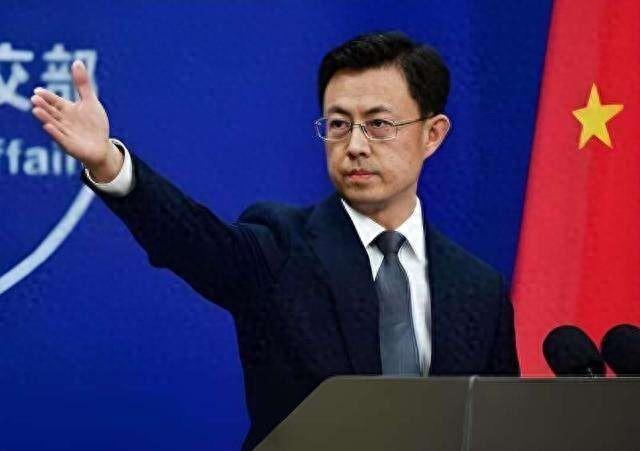
中方回应美财长涉中美贸易协定言论:愿同美方一道拉长合作清单
Zhong Guo Qing Nian Bao· 2025-10-31 08:45
Core Points - The U.S. Treasury Secretary indicated that a U.S.-China trade agreement could be signed as early as next week, which aligns with China's expectations for trade relations [1][3] - Chinese Foreign Ministry spokesperson emphasized the mutual benefits of U.S.-China economic relations, stating that trade should serve as a stabilizing force rather than a point of conflict [3] Group 1 - The meeting between the U.S. and Chinese leaders in Busan included discussions on economic and trade relations, with an agreement to enhance cooperation in these areas [1][3] - China is committed to implementing the important consensus reached by the two heads of state, focusing on equality, respect, and mutual benefit through dialogue and consultation [3] - The Chinese government has expressed willingness to adjust countermeasures in response to U.S. tariffs on Chinese imports, indicating a potential shift in trade policy [3]

元首外交打开亚太合作“新窗口”
Zhong Guo Qing Nian Bao· 2025-10-31 01:16
Group 1 - The APEC summit in Gyeongju is significant as it marks the first face-to-face meeting between the Chinese and U.S. leaders since Trump's return to the White House, highlighting the importance of major power diplomacy in the Asia-Pacific region [1][8] - The summit is expected to address pressing issues such as trade wars and geopolitical tensions that have disrupted international economic order, emphasizing the need for consensus among APEC members to maintain the organization's role in regional economic cooperation [2][4] - The theme of the summit, "Building a Sustainable Future: Connectivity, Innovation, Prosperity," aligns with the APEC Putrajaya Vision 2040, focusing on trade liberalization, digital innovation, and sustainable growth [4][6] Group 2 - China is set to take over as the host of APEC in 2026, reflecting its growing influence and responsibility in promoting regional cooperation, with expectations for more "Chinese proposals" to drive APEC's agenda [3][6] - The summit will feature discussions on new topics such as artificial intelligence governance and demographic changes, aiming to explore effective paths for sustainable development in the Asia-Pacific region [4][6] - The APEC summit serves as a high-level multilateral diplomatic platform, where leaders will engage in discussions that could influence global economic and political dynamics, particularly in the context of supply chain resilience and digital economy governance [7][8]
允许“做自己”:城市对年轻人的宝贵包容
Zhong Guo Qing Nian Bao· 2025-10-31 00:29
Core Insights - The article discusses the experiences of young professionals in Shanghai, highlighting the challenges of cultural integration and the impact of living costs on their decisions to stay in the city [1][2][4]. Group 1: Cultural Integration - Language barriers, particularly the use of local dialects, can create feelings of exclusion among newcomers, as illustrated by the experience of a northern intern in a Shanghai bank [1]. - The work environment and mentorship styles can also affect integration, with some individuals feeling overwhelmed by traditional practices [1]. - A sense of belonging can develop over time, especially when the workplace adopts a more inclusive communication style [1]. Group 2: Living Costs - The high cost of living in Shanghai is a significant concern for young professionals, with one intern reporting a monthly rent of 4,000 yuan and daily expenses that leave little disposable income [2]. - Government policies aimed at reducing living costs, such as subsidized housing for young talent, can alleviate financial pressures and make the city more attractive [3]. Group 3: City Atmosphere and Opportunities - Shanghai is perceived as a city that offers numerous opportunities for personal and professional growth, characterized by its inclusivity and vibrant cultural scene [4]. - The city's atmosphere allows individuals to express themselves freely without fear of judgment, which is appealing to young professionals exploring their identities [4]. - The presence of supportive infrastructure and a diverse urban environment is crucial for retaining talent in the city [4]. Group 4: Personal Choices and Future Considerations - Young professionals often weigh their options carefully, considering factors such as job satisfaction and personal interests when deciding whether to stay in Shanghai or move to other cities [5]. - The temporary nature of housing arrangements, such as youth apartments, provides a buffer for individuals to stabilize their finances and make informed decisions about their future [5]. - The experiences of individuals highlight the balance between personal aspirations and external influences, such as family and job opportunities, in shaping their career paths [5].
小小棒垒球 挥出新天地
Zhong Guo Qing Nian Bao· 2025-10-30 23:08
Core Points - The 2025 Cross-Strait and Hong Kong-Macau University Softball Cultural Exchange Event took place in Pingtan, Fujian, showcasing the growing popularity of softball among youth in these regions [1][4][10] - The event featured nearly 200 students from 10 teams, emphasizing teamwork and friendship through sports [1][4] - The China Softball Association is focusing on promoting slow-pitch softball in universities, with nearly 380 teams currently registered, indicating significant growth potential [5][8][10] Group 1: Event Overview - The event was held from October 24 to 27, 2025, in Pingtan, the closest point on the mainland to Taiwan [1] - It included a national slow-pitch softball championship with around 30 teams participating, highlighting the expansion of slow-pitch softball in Chinese universities [4][10] - The event served as a platform for cultural exchange and friendship among students from different regions [1][4] Group 2: Development of Softball in China - The China Softball Association has been promoting slow-pitch softball in universities since 2009, with a focus on making the sport more accessible [5][6] - The association has established a three-tier coaching management system and an amateur athlete certification system to encourage participation [6][9] - As of now, over 5,000 teams have emerged in primary and secondary schools, while university teams are expected to grow from 380 to over 500 or even 1,000 in the future [8][10] Group 3: Impact on Youth - Participation in softball helps students develop resilience and teamwork skills, which positively impacts their academic performance [9][10] - The sport is seen as a means to foster deeper connections and cultural exchanges between youth from the mainland and Taiwan [11][39] - The growing interest in softball is contributing to the overall development of sports culture in China, with increasing facilities and participation rates [10][15] Group 4: Pingtan's Role in Sports Tourism - Pingtan is leveraging sports to enhance its tourism appeal, aiming to become a vibrant destination for international sports events [14][15] - The region has hosted over 250 major sports events in the past five years, contributing to its recognition as a top sports tourism destination in China [15][18] - Future plans include elevating the quality of events and expanding the sports tourism industry, focusing on outdoor and marine sports [18][19]

国考打破“35岁上限”,推动全社会告别“以龄取人”
Zhong Guo Qing Nian Bao· 2025-10-30 22:51
Core Points - The announcement of the 2026 National Examination has raised the age limit for applicants, allowing those under 38 years old and recent master's and doctoral graduates under 43 years old to apply, marking a significant change after over 30 years of a strict age limit of 35 years [1][2] - This adjustment reflects the changing demographics and educational landscape in China, addressing the needs of an aging population and the increasing years of education [1][2] - The change has sparked widespread discussion, highlighting societal expectations to break the "age ceiling" that has been prevalent in various industries, contributing to age anxiety among workers [1][2] Industry Insights - According to the "China Human Capital Report 2024," the average age of the labor force in China reached 39.72 years in 2022, indicating that workers aged 35 and above are a crucial part of the labor structure [2] - The report emphasizes the importance of supporting employment and value realization for individuals aged 35 and above, as they are often in a critical stage of career development [2] - The National Examination's policy change is seen as a potential catalyst for loosening age restrictions in local recruitment and hiring practices, promoting a shift in societal perceptions regarding age [2][3] Policy Implications - The "Opinions on Implementing Employment Priority Strategy to Promote High-Quality Full Employment" issued in September 2024 highlights the need to eliminate unreasonable restrictions and discrimination based on age, marking a significant step towards addressing age discrimination in employment [3][4] - To effectively translate anti-age discrimination policies into workplace realities, a collaborative approach is necessary, including establishing complaint mechanisms and shifting hiring practices from age-based to ability-based criteria [4] - The emphasis on lifelong learning for workers is crucial, as enhancing professional skills can help mitigate age-related anxieties and promote a more inclusive work environment [4]
营造创新生态 让年轻人有盼头、有干劲
Zhong Guo Qing Nian Bao· 2025-10-30 22:44
Core Viewpoint - The recent proposal by the Central Committee emphasizes the importance of developing a globally influential education, science, and talent center, highlighting the need for a competitive open innovation ecosystem to support young scientific talent in innovation and entrepreneurship [1] Group 1: Challenges Faced by Young Talent - Young talent development is constrained by traditional hierarchies in some fields, limiting their access to project leadership and resources despite innovative ideas [2] - Institutional pressures in research units push young scientists towards short-term results, hindering long-term, high-risk foundational research [2] - Real-life issues such as housing, marriage, and children's education create additional pressures for young talent in urban environments, affecting their ability to integrate and contribute effectively [2] Group 2: Recommendations for Improvement - Institutional innovation is crucial to dismantle outdated hierarchies, advocating for a talent evaluation system based on innovation capability and contribution rather than seniority [2] - Optimizing the research ecosystem is essential to foster an environment that encourages exploration and tolerates failure, including longer evaluation periods for foundational research [3] - Addressing practical concerns through housing support, educational access for children, and healthcare can help retain talent and allow them to focus on their work [3] Group 3: Building an Open Innovation Ecosystem - Creating platforms for global collaboration is vital for young talent, including participation in international conferences and joint research projects [4] - Improving the business environment by streamlining innovation and entrepreneurship approval processes and establishing incubation bases can facilitate the transformation of innovative ideas into productive outcomes [4] - The proposal outlines a clear direction for talent development, emphasizing the need for institutional innovation, quality services, and an open ecosystem to unleash the creative potential of young talent [4]

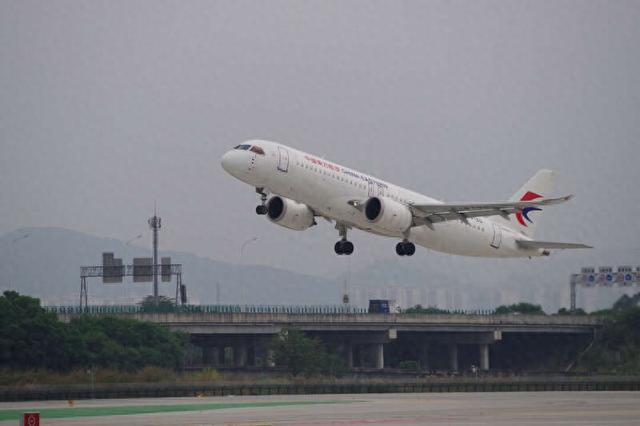
广州白云国际机场T3启用,首个航班由国产大飞机C919执飞
Zhong Guo Qing Nian Bao· 2025-10-30 13:33
Core Points - The Guangzhou Baiyun International Airport T3 terminal has officially opened, marking the operational launch of the airport's fifth runway, making it the first airport in China to operate five commercial runways simultaneously [1][3] - The T3 terminal and new runway are part of a larger expansion project that took five years to complete, with a total investment of 53.77 billion yuan [3][5] - The airport can now accommodate an annual passenger throughput of 120 million and a cargo throughput of 3.8 million tons, with a terminal capacity of 140 million passengers and 6 million tons of cargo, ranking among the top globally [5][10] Infrastructure and Design - The T3 terminal features a design theme based on "flowers," reflecting Guangzhou's cultural characteristics and serving as a landmark for the city [7] - The integrated transportation center at T3 is designed for seamless air, road, and rail transfers, with a total of 6 platforms and 14 lines, enhancing the efficiency of air-rail connections [8] Airline Operations - Eastern Airlines has transitioned all domestic flights to the T3 terminal, implementing various operational optimizations and a more intelligent check-in system to enhance passenger experience [10]


科技环保双在线,十五运会制服科技感十足
Zhong Guo Qing Nian Bao· 2025-10-30 10:40
Group 1 - The core viewpoint of the article highlights the technological innovations and design elements incorporated into the sports uniforms for the 15th National Games, sponsored by Anta Group [1][8] - Anta Group has independently established a specialized equipment team of over 30 experts in design and technology, ensuring professional support for the event [5][8] - The uniforms feature a blend of colors and designs that reflect the regional characteristics of Guangdong, Hong Kong, and Macau, with specific meanings attributed to each color [3][5] Group 2 - The total number of participants covered by Anta's sponsorship exceeds 70,000, with over 600,000 pieces of equipment provided [8] - The uniforms and shoes utilize advanced technologies such as Anta's PG7 cushioning technology and environmentally friendly materials, aligning with carbon neutrality policies [5][8] - Accessories are designed with practicality and sustainability in mind, using traceable materials and innovative features like moisture-wicking capabilities [5][8]


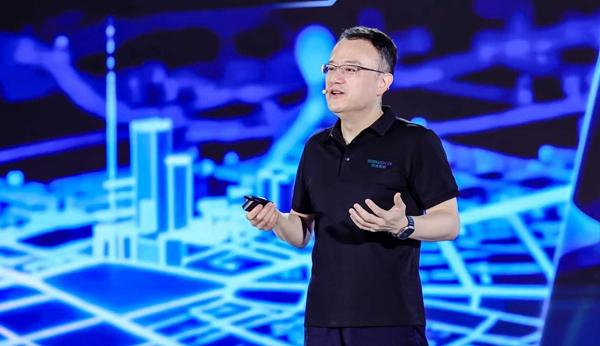
四维图新CEO程鹏:汽车智能化转型需要更多“AI人”
Zhong Guo Qing Nian Bao· 2025-10-30 03:00
Core Insights - The CEO of the company, Cheng Peng, emphasized that AI is a significant driver of industry transformation, predicting a shift in production efficiency and relationships over the next decade [2][3] - The company announced a brand strategy upgrade to SEEWAY.AI, marking its evolution from a mapping company to a comprehensive automotive solutions provider [2][6] Company Strategy - The company aims to become a global, cost-effective, and intelligent solution provider, transitioning from "map makers" to "automotive experts" and now to "AI experts" [2][6] - An internal "efficiency revolution" has been initiated, with 100% pass rate for employee AI training and 30% of R&D code being AI-generated [3] Industry Trends - The automotive industry is expected to see a shift from "high-end options" to "standard features" in intelligent driving within three years, with costs for such features significantly reduced [4] - The company predicts that the next 3-5 years will see AI enter a phase of autonomous innovation, fundamentally changing production processes [3] Technological Advancements - The company has achieved significant milestones in intelligent driving solutions, with 5.85 million new intelligent driving solutions acquired in collaboration with partners, covering over 100 vehicle models [5] - The cost of intelligent driving features has dropped from 5000 yuan to around 1000 yuan due to technological innovations [4] Global Expansion - The company is positioned to support the globalization of Chinese automotive exports, particularly in the electric vehicle sector, which is expected to grow due to higher levels of intelligence and user-friendly features [5] - Data compliance is highlighted as crucial for global expansion, with the company providing data services across 160 countries [5] Product Development - The company has achieved significant production milestones in the chip sector, with both SoC and MCU chip shipments exceeding 100 million units [6] - The full-stack product matrix presented at the conference underscores the company's commitment to advancing in the intelligent automotive sector [6]

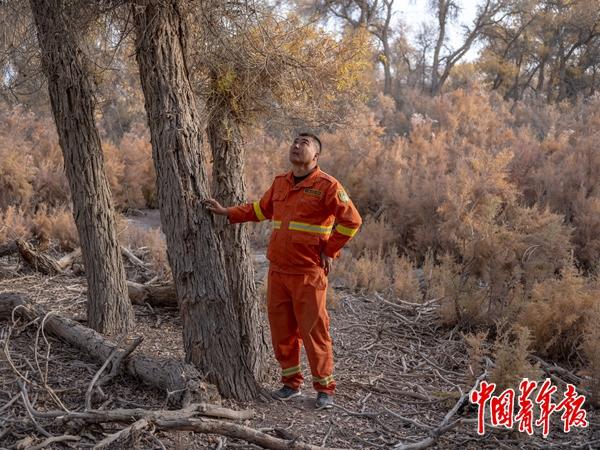
守望绿洲
Zhong Guo Qing Nian Bao· 2025-10-30 02:12
Core Insights - The ecological restoration efforts in the Aksu region of Xinjiang have significantly transformed the landscape, with over 1.2 million acres of forest planted and a forest coverage rate exceeding 70% in the Keke Ya ecological project area [2][10] - The local economy is benefiting from these ecological improvements, with the emergence of an "ecology+" model that integrates ecological restoration with economic development, such as eco-tourism and agricultural production [10][11] Ecological Restoration - The Keke Ya area has seen a dramatic change from barren land to a lush forest, showcasing 30 years of ecological governance efforts in the Aksu region [2] - The region's annual rainfall was historically low at around 60mm, while evaporation reached 2600mm, leading to severe desertification and sandstorms that affected local communities [4] - The restoration projects include cross-regional water diversion to address water scarcity and the use of treated wastewater for irrigation, which has improved agricultural productivity [6][10] Economic Development - The ecological improvements have led to increased employment opportunities, with local residents transitioning from traditional roles to jobs in industries such as textiles and agriculture [4][11] - The apple cultivation area in Aksu has reached 510,000 acres, contributing to the local economy and providing jobs [10] - The integration of ecological restoration with economic activities has created a model where communities, businesses, and the government all benefit, exemplified by the development of eco-tourism and sustainable agricultural practices [10][11] Community Impact - Local residents have reported improved living conditions and economic stability due to the ecological restoration efforts, with stories of individuals transitioning from household roles to gainful employment in factories [4][11] - The reduction in sandstorms and improved soil conditions have led to higher crop yields and better agricultural practices, enhancing food security for local communities [11][12]