Zhong Guo Qing Nian Bao

Search documents
挑战,从人工智能最前沿发起
Zhong Guo Qing Nian Bao· 2025-11-03 02:20
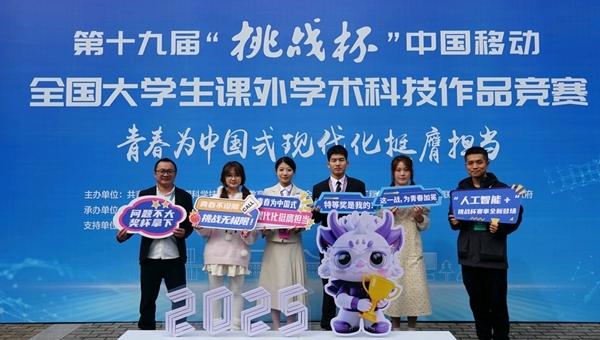
Group 1 - The 19th "Challenge Cup" National College Student Extracurricular Academic Science and Technology Works Competition was held at Nanjing University, focusing on the "Artificial Intelligence +" special competition, attracting over 18,000 teams and approximately 180,000 students [2][6] - The competition aims to align with national strategies and address core technology challenges, with a special emphasis on artificial intelligence applications across various industries [2][6] - The event showcases innovative projects that leverage AI technology to solve real-world problems, highlighting the growing interest and engagement of students in AI research and applications [3][7] Group 2 - Projects presented include a visual model lightweighting solution for AI deployment on edge devices, successfully validated in real-world applications [4] - Another project combines AI with Chinese mythology education, creating an intelligent assistant to enhance cultural education for youth [5] - A project from Southeast University utilized causal AI to analyze traffic congestion, achieving a 96.3% accuracy in identifying congestion causes and reducing error by 18.3% [7] Group 3 - The competition featured diverse applications of AI, including a robotic system for underwater ship inspections that significantly reduces time and risk compared to traditional methods [8][9] - A project from Guangzhou University developed an intelligent waste collection system using AI to improve efficiency and accuracy in environmental cleanup [9] - The "AI + " special competition encourages collaboration between students and industry, allowing participants to engage with cutting-edge technology and real-world challenges [9][10] Group 4 - The competition also highlighted advancements in robotics, with teams developing humanoid robots capable of navigating complex environments and performing tasks with high accuracy [10][11] - Agricultural applications were represented by a project that uses AI for cattle management, improving efficiency and accuracy in livestock monitoring [12] - Another project focused on real-time monitoring of marine phytoplankton using AI, aiming to enhance ecological research and environmental protection efforts [13]

我国在智能育种装备与工程化应用上取得关键突破
Zhong Guo Qing Nian Bao· 2025-11-03 02:20
Core Insights - The launch of the all-chain robot breeder "Xiao Hai" and the "Hai Ba Facility" rapid wheat breeding commercialization service platform marks a significant breakthrough in China's intelligent breeding equipment and engineering applications [1][2] Group 1: Technological Innovations - The intelligent breeding team at the Hefei Institute of Material Science proposed the "biological breeding engineering" concept in 2022 to address low breeding efficiency and long cycles in the industry [1] - The "Hai Ba Facility" aims to drive mechanization, automation, digitalization, intelligence, and standardization throughout the breeding process through technological equipment [1] Group 2: Key Features of "Xiao Hai" - "Xiao Hai" covers critical aspects of the breeding chain, including germplasm creation, identification, and stability, serving as a miniature version of the "Hai Ba Facility" for technology testing and concept validation [2] - The core advantages of "Xiao Hai" include three acceleration capabilities: - In germplasm innovation, it utilizes energy-carrying ion mutation breeding technology empowered by AI, increasing gene resource discovery efficiency by over 10 times [2] - In germplasm identification, it focuses on creating a platform for adversity screening under extreme conditions, enabling precise intelligent control of crop environments [2] - In germplasm stability, it establishes a rapid breeding system for multiple crops and varieties within a year [2]
人形机器人火炬手亮相,5G-A网络技术护航十五运会火炬传递
Zhong Guo Qing Nian Bao· 2025-11-02 15:21
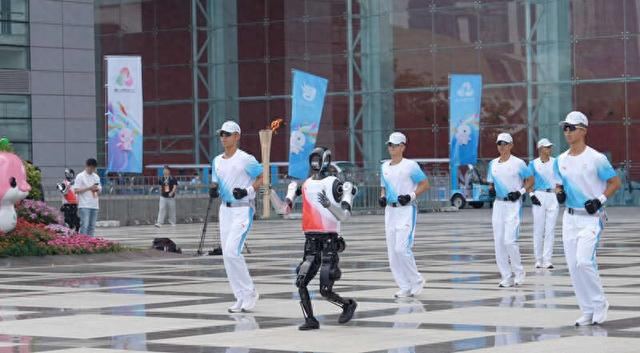
Group 1 - The 15th National Games torch relay took place simultaneously in four cities: Hong Kong, Macau, Guangzhou, and Shenzhen, with a total of 200 torchbearers [1] - The "0th torchbearer" in Shenzhen was the world's first 5G-A humanoid robot named "Kua Fu," which independently completed the torch relay without the need for remote control [1][3] - The robot held a torch weighing 1.6 kilograms and utilized a stable 5G-A connection and a new motion control algorithm to perform the relay smoothly [1] Group 2 - China Mobile Guangdong Company provided communication support for the torch relay event, marking the industry's first application of a 5G-A humanoid robot for this purpose [3][5] - The 5G-A network's wide coverage, high speed, and deterministic capabilities ensured real-time video transmission and control commands during the robot's dynamic movements [3] - Collaborations with partners such as China Mobile Research Institute, Leju, Huawei, and Beijing General Artificial Intelligence Research Institute facilitated the integration of 5G-A technology with robotic applications [3]


故宫角楼银杏黄
Zhong Guo Qing Nian Bao· 2025-11-02 05:16
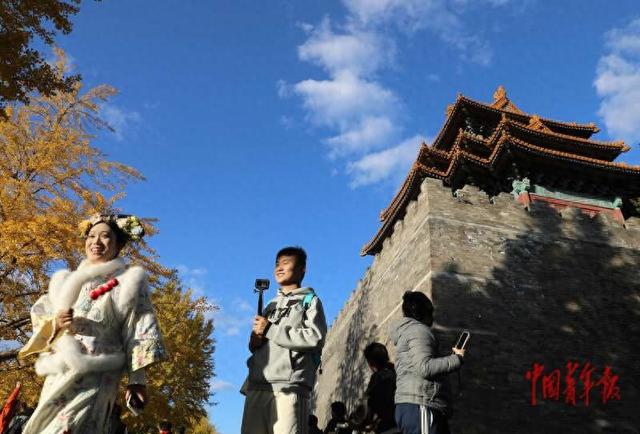
Core Viewpoint - The article highlights the popularity of the ginkgo trees at the southwest corner of the Forbidden City in Beijing during autumn, attracting many visitors, especially young people, for photography opportunities [2][4][12]. Summary by Sections - **Historical Significance**: The ginkgo trees were planted during the Yongle period of the Ming Dynasty, with the oldest tree being nearly 600 years old. They are valued not only for their aesthetic appeal but also as "living fossils" that represent an important part of Chinese civilization [2][4]. - **Social Media Influence**: The rise of social media has led to increased attention on the ginkgo trees, particularly from late October to early November, making them a trending topic online [2]. - **Visitor Engagement**: Many visitors, including those in traditional costumes, are seen taking photos against the backdrop of the golden ginkgo leaves, indicating a blend of cultural appreciation and modern social media engagement [6][10][20].
江苏:青春经济激荡城市活力
Zhong Guo Qing Nian Bao· 2025-11-01 23:12
Core Insights - The transformation of traditional commercial spaces into youth-oriented cultural hubs is driving the "youth economy" in Jiangsu, enhancing community engagement and economic vitality [1][5][10] - The integration of various resources and services tailored to youth needs is fostering a supportive environment for young entrepreneurs and creatives [2][8][10] Group 1: Youth Engagement and Cultural Integration - The "Night School" initiative in Nanjing is a platform for youth to engage with traditional arts, exemplified by the cloud brocade shop run by inheritor Wu Ying, which connects history with modern youth culture [1] - Jiangsu's youth organizations are focusing on creating a comprehensive service chain that includes learning, employment, housing, friendship, and lifestyle, thereby enhancing the influence and effectiveness of these organizations among young people [2][10] Group 2: Economic Impact and Community Development - The "Youth Season" initiative in Yangzhou has successfully attracted young consumers through exclusive discounts, benefiting local businesses and enhancing the appeal of youth development-oriented commercial districts [3] - The overall sales in youth-oriented commercial areas, such as those operated by China Resources, reached over 4 billion yuan, marking a 15.3% increase year-on-year, with youth consumption accounting for 55% of total sales [6] Group 3: Innovative Urban Spaces - Jiangsu has developed 95 youth development-oriented commercial districts, including various types such as cultural and leisure districts, which are designed to meet the diverse needs of young people [3] - The integration of technology and community services in areas like the High-speed Rail New City is creating a supportive ecosystem for young professionals, enhancing their living and working conditions [8] Group 4: Support for Young Entrepreneurs - Initiatives like the "Youth Growth Station" in Yixing are providing targeted training and platforms for young entrepreneurs, facilitating the fusion of traditional crafts with modern trends [8] - The establishment of community-driven projects, such as the "Youth Host" salons, is fostering collaboration among young business owners and artists, enhancing the cultural fabric of the community [6][9]
全球青年企业家汇聚安吉 共绘合作创新未来
Zhong Guo Qing Nian Bao· 2025-11-01 04:25
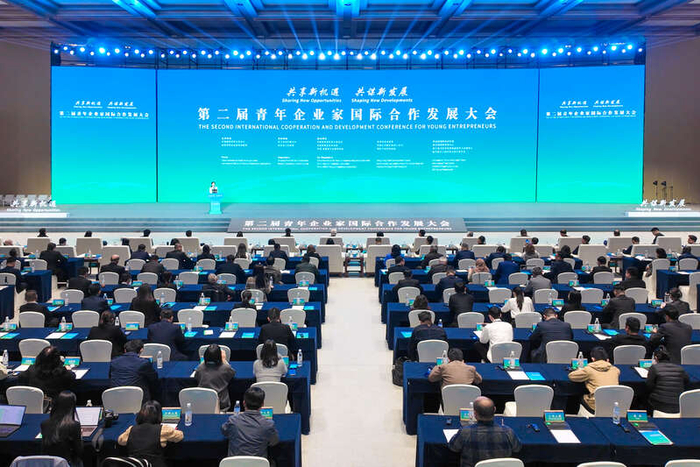
Core Insights - The Second Youth Entrepreneurs International Cooperation Development Conference took place from October 27 to 31 in Anji, Zhejiang, gathering over 260 business leaders and young entrepreneurs from nearly 40 countries to discuss "sharing new opportunities and seeking new development" [6][12] - The conference highlighted the role of youth in addressing global challenges such as climate change and sustainable development, showcasing innovations in fields like artificial intelligence and green technology [6][9] Group 1: Youth Innovation and Global Challenges - Young entrepreneurs are actively participating in global innovation ecosystems, leveraging their openness to technology to address complex issues [7] - A real case from Nigeria illustrated how AI is enhancing financial inclusion for individuals without credit histories, demonstrating the potential of technology to solve significant societal problems [7] - AI is being utilized to promote sustainable consumption by optimizing carbon footprints and smart grids, indicating a shift towards environmentally friendly practices [7][8] Group 2: Global Cooperation and China's Role - China is building a robust global cooperation network, extending its influence beyond developing countries to a broader international community [10] - The conference served as a platform for knowledge exchange, enabling young entrepreneurs to learn from advanced experiences and resources [10][11] - The digital divide and unequal access to technology are identified as critical barriers to sustainable development, emphasizing the need for collaborative platforms to bridge these gaps [10][11] Group 3: Practical Insights and Future Directions - Participants visited innovation landmarks in China to understand advancements in green technology and digital governance, reinforcing the idea that collaboration is essential for overcoming global challenges [11][12] - The "International Youth Entrepreneurs Innovation Cooperation (Anji) Declaration" was launched to provide a framework for global youth entrepreneurship and cooperation [12] - The conference underscored that youth are not just future inheritors but active shapers of the present, advocating for a more inclusive and sustainable world [12]
“语林织梦”:让特殊孩子触摸教育的“微光”
Zhong Guo Qing Nian Bao· 2025-11-01 01:05
Core Viewpoint - The article highlights the efforts of the "Yulin Weaving Dreams" volunteer service team from Xi'an University of Electronic Science and Technology in supporting special education in rural areas, particularly in Pucheng County, Shaanxi Province, emphasizing the importance of tailored educational support for children with disabilities [1][2]. Group 1: Volunteer Activities - The "Yulin Weaving Dreams" team has been active since 2018, focusing on volunteer services in local communities and schools, and has established a long-term relationship with Pucheng Special Education School since 2022 [1][2]. - The team has accompanied over 1,000 special education children, providing personalized courses based on 139 assessment reports from the school [2]. - The team employs three main methods: educational support, psychological companionship, and home teaching, delivering resources such as electric rehabilitation machines, running machines, picture books, and educational toys [2]. Group 2: Impact on Children - The team has witnessed significant positive changes in children, such as increased willingness to interact and express emotions, showcasing the transformative power of education [3]. - Feedback from teachers and parents indicates that children have become more outgoing and engaged, which is crucial for their social integration [3]. Group 3: Volunteer Development - Participation in the volunteer program has led to personal growth for the university students, with some expressing a desire to pursue careers in special education after their experiences [3]. - The team has received recognition for their efforts, winning first prize at the second Rural Revitalization Volunteer Service Skills Competition [3]. Group 4: Future Plans - The team plans to continue focusing on the special education sector and aims to standardize their volunteer service system [4].
牡丹江师范学院原创音乐剧演绎《永不磨灭的信念》
Zhong Guo Qing Nian Bao· 2025-10-31 23:01
Core Viewpoint - The performance by students at Mudanjiang Normal University aims to preserve and promote the spirit of the Northeast Anti-Japanese United Army through music and dance, reflecting on how youth can carry the weight of historical memories in peacetime [1][2]. Group 1: Historical Context - Mudanjiang, a city with deep ties to the Northeast Anti-Japanese United Army, serves as a backdrop for the performance, which commemorates the sacrifices made by the "Eight Women Who Drowned" during the war [1][2]. - The story of the eight female warriors, who chose to drown rather than be captured, is a significant part of local history and serves as a symbol of resistance [1]. Group 2: Educational Approach - The university emphasizes the importance of passing down this rich red history to the younger generation, using engaging methods that resonate with youth [2]. - The performance is designed to be an educational experience, with over 1,500 new students attending, making it a significant part of their orientation [9][10]. Group 3: Performance Details - The musical, which took years to develop, consists of five acts and runs for approximately 90 minutes, telling the fictionalized story of characters Zhao Hanqing and Danmei, who represent the struggles of the Northeast Anti-Japanese United Army [4][5]. - The creative team opted for fictional characters to allow for a broader narrative that could resonate with students, emphasizing the collective experience of ordinary soldiers [5]. Group 4: Student Involvement - Nearly 100 student actors participated in the performance, with significant dedication shown by individuals like Sun Yuqi, who immersed himself in his role despite its minor nature [6][9]. - The lead actor, Pei Yiyang, reflected on the emotional depth of his character, gaining a deeper understanding of the spirit of the Northeast Anti-Japanese United Army through his role [8][9]. Group 5: Impact on Audience - Audience members reported feeling a renewed sense of patriotism and connection to the historical narrative after watching the performance, indicating its effectiveness in bringing history to life [10]. - The university plans to extend the reach of the musical beyond the campus, aiming to create a "mobile classroom" for the ongoing transmission of red culture [10].

好好睡觉:跨越2700公里的温暖
Zhong Guo Qing Nian Bao· 2025-10-31 23:01
Core Points - The "Good Sleep" project initiated by State Grid Hangzhou Power Supply Company aims to provide a comfortable napping environment for students, delivering essential supplies to schools in various regions since its launch in 2022 [1][2] - The project has benefited 11 primary schools and 3,684 students across Anhui and Zhejiang, with specific focus on schools in Baiyu County, which faces harsh winter conditions [1][3] - Recent donations included 70 micro-wishes, 80 sets of bedding, 120 sets of clothing, and a heating system for the "Electricity Love Classroom," showcasing the commitment of volunteers to improve the living conditions of students [2][3] Summary by Sections Project Overview - "Good Sleep" is a volunteer service project aimed at enhancing the napping conditions for students, particularly in remote areas [1] - The initiative has provided essential items such as napping mats and lamps to improve students' rest [1] Impact on Baiyu County - Baiyu County, located at an average altitude of 3,500 meters, experiences winter temperatures as low as -20 degrees Celsius, making the need for warm bedding and clothing critical [1] - The project has already supplied sleep-related materials to four primary schools, benefiting 914 students [1] Volunteer Contributions - Volunteers from the project have actively engaged with students, providing not only material support but also interactive educational activities [2] - The total value of the donated materials and heating systems amounts to 240,000 yuan, reflecting the project's significant impact on the local community [3]
多项配置亮眼,星耀6入局电混家轿市场
Zhong Guo Qing Nian Bao· 2025-10-31 09:49
Core Insights - Geely Galaxy has launched its new generation electric hybrid family sedan, the Xingyao 6, with a price range from 68,800 to 99,800 yuan, aiming to enhance its competitiveness in the increasingly fierce family car market [2][3] - The Xingyao 6 features a new generation Raytheon AI hybrid 2.0 system, achieving a thermal efficiency of 47.26% and a fuel consumption of 2.8L/100km under CLTC conditions, with a comprehensive range of 1,700 kilometers [2][3] Pricing and Market Positioning - The Xingyao 6 is positioned with a starting price of 68,800 yuan, showcasing strong price competitiveness in the family sedan segment [2] - The vehicle is available in seven variants, covering two pure electric range options of 60km and 125km [2] Technical Specifications - The Xingyao 6 is equipped with a high-strength steel cage body, with high-strength steel accounting for 71.6% of its structure [3] - The vehicle's Shen Shield battery safety system has passed rigorous tests, including an 8-pin puncture test and a 2-meter drop test [3] Safety Features - The Xingyao 6 has demonstrated safety redundancy under extreme conditions, completing multiple challenging safety tests, including a 16% speed increase in frontal collision tests [3] Intelligent Features - The vehicle includes the Galaxy Flyme Auto intelligent cockpit, featuring a 7nm "Dragon Eagle 1" chip and a 14.6-inch 2K central control screen, along with an AI voice assistant capable of continuous dialogue [3] - The Qianli Haohan H3 driver assistance system is equipped with three millimeter-wave radars and eleven high-definition cameras, supporting urban and highway navigation functions [3] Strategic Implications - The launch of the Xingyao 6 signifies Geely Galaxy's strategic entry into the A-class sedan market, reflecting the brand's commitment to "technological equality" by making high-end features accessible below the 100,000 yuan price point [3]