Qian Zhan Wang

Search documents
前瞻全球产业早报:现金买黄金钻石超10万元需上报
Qian Zhan Wang· 2025-07-03 11:47
Group 1 - The first "Soochow Super" event impact report has been released, highlighting the economic influence of sports events in stimulating urban consumption [2] - A survey conducted by the National Bureau of Statistics in Jiangsu Province involved 3,189 residents, showing increased public attention and reputation for the Jiangsu urban football league [2] Group 2 - The Hong Kong government announced the preliminary implementation phase of the "Guangdong Cars Southbound" plan, set to start in November with a daily quota of 100 vehicles allowed to enter Hong Kong [3] - The plan aims to enhance cross-border transportation and economic interaction between Hong Kong and Guangdong [3] Group 3 - Starting August 1, cash transactions exceeding 100,000 RMB for gold and diamonds must be reported to the Anti-Money Laundering Monitoring and Analysis Center [4] - This regulation is part of a broader effort to combat money laundering and terrorist financing in the precious metals and gemstones sector [4] Group 4 - Chongqing has introduced the first national standard for "no-dine-in delivery" services, aiming to enhance food safety and service quality in the delivery sector [5] - The standard will be implemented starting July 1, 2025, focusing on the entire service chain of no-dine-in delivery [5] Group 5 - Shenzhen Romoss Technology Co., Ltd. announced a change in its legal representative and is currently undergoing internal restructuring to prepare for new product launches [6] - The company, established in March 2012, has a registered capital of 6 million RMB [6] Group 6 - China National Offshore Oil Corporation (CNOOC) completed the first refueling of a domestic methanol dual-fuel container ship using green methanol derived from urban waste [7] - This marks a significant step in promoting sustainable fuel alternatives in the shipping industry [7] Group 7 - The first AI delivery vehicle in China, equipped with an "AI brain," was launched in Wuhan, featuring advanced functions such as identity recognition and route optimization [8] - This innovation represents a significant advancement in the logistics and delivery sector [8] Group 8 - Yushun Technology has applied for over 160 patents, primarily in the field of robotics, including humanoid and foot robots [9] - The company's first store opened in Zhengzhou, indicating its growth and innovation in the robotics industry [9] Group 9 - GAC Group announced that its first model developed in collaboration with Huawei is expected to be launched in 2026, targeting the high-end market [10] - The partnership aims to leverage both companies' strengths in technology and product development [10] Group 10 - A new global technology literature data platform, created by Chinese institutions, has been launched, featuring nearly 90 million high-quality scientific literature metadata [11] - This platform aims to break the Western monopoly in the field and is fully owned by Chinese entities [11] Group 11 - Tesla plans to introduce more affordable models by 2025 to enhance the accessibility of electric vehicles [13] - This initiative comes amid declining sales and aims to accelerate the adoption of electric vehicles [14] Group 12 - France has launched a plan to promote the integration of AI in businesses, targeting 100% of large enterprises and 80% of SMEs by 2030 [15] - The government will support this initiative through training and promotional activities [15] Group 13 - SoftBank's acquisition of Ampere Computing is under deeper scrutiny by the FTC, indicating potential regulatory challenges ahead [16] - This acquisition is part of SoftBank's strategy to strengthen its position in the semiconductor industry [16]


2025年中国医疗美容用户画像分析:男性医美需求激增,出境医美趋热
Qian Zhan Wang· 2025-07-03 08:54
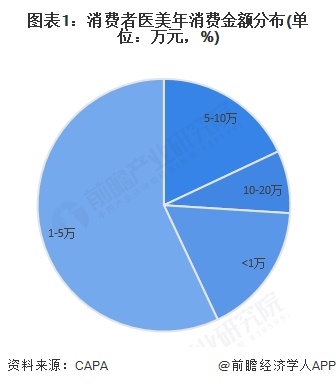
Group 1 - The majority of consumers in the medical beauty market spend between 10,000 to 50,000 yuan annually, indicating a diverse range of services from basic skincare to moderately complex cosmetic procedures [1] - First-tier cities dominate the medical beauty consumption market, accounting for approximately 69% of total spending, driven by concentrated medical resources and advanced consumer capabilities [3] - The average age of consumers in the medical beauty sector is around 35 years, with over 72% of high-end consumers aged 30 and above, reflecting a mature and stable consumption mindset [5][7] Group 2 - There is a notable increase in male consumers seeking medical beauty services, with 43% planning to increase their spending in this area, highlighting a shift in self-image management among men [7][8] - The demand for outbound medical beauty services is rising, particularly in Japan and South Korea, with about 31% of middle to high-income consumers planning to seek these services abroad in 2024 [10]





干出“神药”!中国最神秘的省份,被严重低估
Qian Zhan Wang· 2025-07-03 08:26
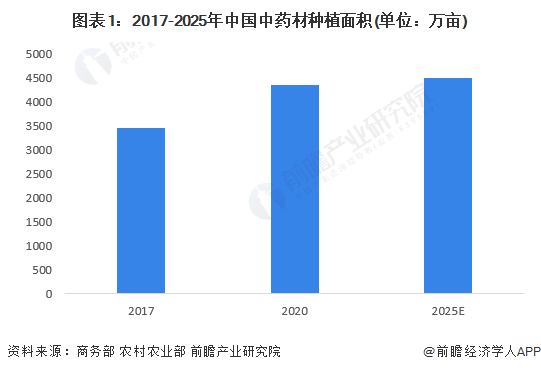
Core Insights - Yunnan province is recognized as a "hidden champion" in the development of traditional Chinese medicine (TCM), with a significant increase in medicinal herb cultivation and production [2][4] - The province has the largest area of medicinal herb cultivation in China, reaching 10.92 million acres and producing 1.7 million tons, with a total industry value exceeding 180 billion yuan [2][4] - Yunnan's unique geographical and climatic conditions contribute to its rich biodiversity, making it a global ecological treasure trove for medicinal plants [5][6] Industry Overview - Yunnan is home to over 8,875 types of medicinal resources, accounting for more than half of the national total, and 70% of over 5,000 types of Chinese patent medicines rely on Yunnan's raw materials [4][5] - The province's medicinal herb industry is transitioning from a resource-based model to an industrial engine, driven by historical significance and modern advancements [4][6] Market Dynamics - The medicinal herb industry in Yunnan is evolving towards deep processing, forming a complete industrial chain from cultivation to sales [15][18] - The introduction of GAP (Good Agricultural Practices) and technology such as gene editing is enhancing the quality and yield of medicinal herbs, moving from traditional farming to precision agriculture [17][18] Product Innovation - The emergence of products like Matsutake mushroom seasoning reflects a shift towards health-conscious consumer trends and the transformation of seasonal products into year-round offerings [9][14] - The Matsutake mushroom, which thrives in Yunnan's pristine environment, has significant health benefits and is increasingly being processed into various products to meet market demand [8][14] Strategic Positioning - Yunnan's geographical location as a gateway to South Asia and Southeast Asia enhances its strategic importance, especially with initiatives like the Belt and Road Initiative and RCEP [22][23] - The 9th China-South Asia Expo showcased Yunnan's medicinal herb resources, aiming to attract domestic and international investment for high-quality development in the TCM industry [22][23] Future Outlook - With the dual opportunities presented by the "Healthy China" strategy and the global interest in TCM, Yunnan has the potential to establish itself as a global hub for the TCM industry, setting a "Yunnan Standard" in the health consumption landscape [23]
矿用机器人产业招商清单:中信重工、中铁重工、郑煤机等最新投资动向
Qian Zhan Wang· 2025-07-03 07:39
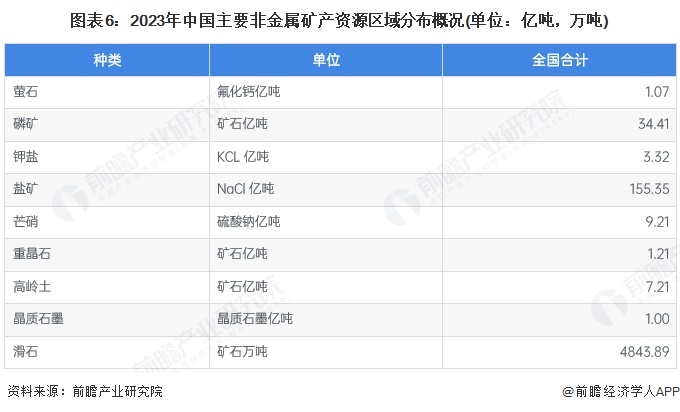
Core Insights - The coal mining industry is characterized by high safety risks, with a significant number of accidents and fatalities, making safety a top priority [1] - The development of mining robots is crucial for improving operational efficiency, safety management, and the overall quality of mining operations in China [1][6] - The Chinese mining robot industry has seen the emergence of influential companies, indicating a growing market and technological advancement [6][10] Industry Overview - As of the end of 2023, China has identified 173 types of mineral resources, including 13 energy minerals, 59 metal minerals, and 95 non-metal minerals [1] - The mining robot sector is part of a complete industrial chain similar to the broader robotics industry, encompassing core components, supporting parts, and software systems [3] - Local governments are actively attracting investment in mining robot enterprises, which is strategically significant for upgrading local industrial structures and transitioning from traditional mining to high-end intelligent manufacturing [6] Key Companies - CITIC Heavy Industries Co., Ltd. is a leading player in the mining robot sector, established in 2008 with a registered capital of 457,955.34 million RMB [10][11] - Other notable companies in the mining robot industry include China Railway Construction Heavy Industry Group, Zhengzhou Coal Mining Machinery Group, and Shanxi Dade Measurement and Control Technology Co., Ltd., among others [6][9] Technological Advancements - The future of mining robots will focus on enhancing chip technology, machine learning, neural networks, and digital twin technology to improve operational capabilities [12][13] - Key technological directions include the development of explosion-proof electric control mechanical arms and advanced safety features for mining power supplies [13] - The integration of augmented reality (AR) and virtual reality (VR) technologies will enhance simulation and training processes in mining operations [13] Market Trends - The mining industry is rapidly evolving towards smart mining and intelligent construction, driven by green mining and environmental policies [17][18] - The trend indicates a concentration of mining operations towards larger, more efficient entities, with increased investments in smart hardware and software [17] - The mining robot industry is expected to play a pivotal role in the high-quality development of the coal industry in China [18]

2025年中国食用油行业龙头企业分析:益海嘉里行业龙头地位巩固【组图】
Qian Zhan Wang· 2025-07-03 04:13
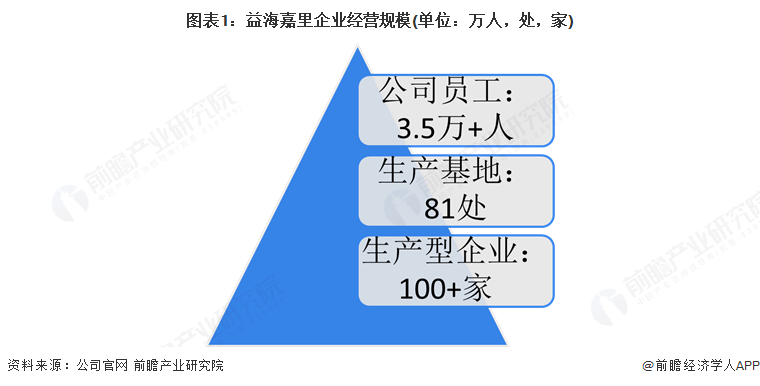
Core Insights - Yihai Kerry is a major player in China's agricultural and food processing industry, with a vast operational scale and a comprehensive product layout [1][3] - The company's recent performance shows improvement, with a revenue of 59.079 billion yuan in Q1 2025, marking a 3.15% year-on-year increase, and a net profit of 0.981 billion yuan, up 11.23% [3] - Yihai Kerry focuses heavily on the edible oil business, with a significant presence in the domestic market, generating 97.23% of its revenue from domestic operations [9][12] Company Overview - Yihai Kerry has over 35,000 employees and operates 81 production bases across China, engaging in various sectors including oilseed crushing, oil refining, and food ingredient production [1] - The company has established a wide marketing network covering retail, catering, and food industrial channels, offering a diverse range of products [6] Financial Performance - In 2024, Yihai Kerry's kitchen food business generated 145.423 billion yuan, accounting for 60.88% of total revenue, while feed raw materials and oil technology contributed 91.639 billion yuan, or 38.36% [6] - The company reported a total revenue of 2322.54 billion yuan from domestic operations in 2024, with only 2.77% coming from overseas [9] Market Position - Yihai Kerry holds a significant market share in the domestic edible oil market, with a share of 37.7% in 2024, although this is a slight decrease from 39.3% in 2019 due to the rise of local brands [12]
中国高端市场不再“崇洋”!蔚来李斌:以前做车能卖20万就感觉突破天花板,现在ET9能卖80万【附新能源汽车行业市场分析】
Qian Zhan Wang· 2025-07-03 03:42
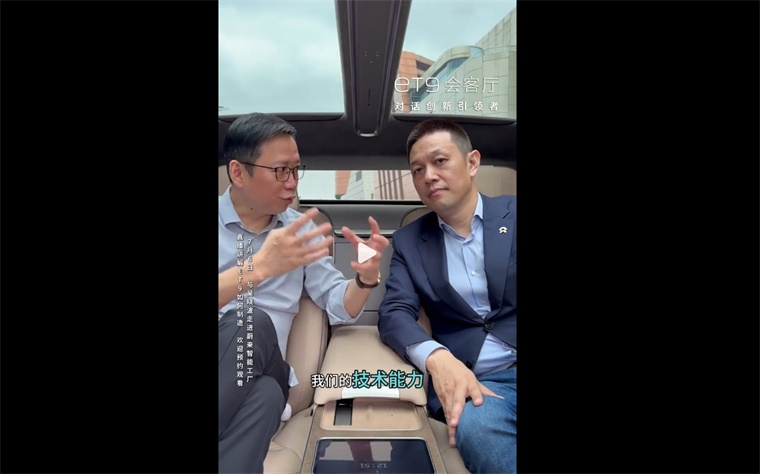
Core Insights - The conversation between NIO's CEO Li Bin and renowned financial writer Wu Xiaobo highlights the significant changes in the Chinese automotive market over the past decade, particularly in the acceptance of high-end domestic brands like the NIO ET9 [1][3] Group 1: NIO ET9 and Technological Advancements - The NIO ET9 is positioned as a high-end vehicle, priced at 808,000 to 818,000 yuan, reflecting a shift in consumer willingness to pay for domestic brands [1] - The ET9 features the world's first automotive-grade 5nm intelligent driving chip, with NIO achieving mass production three months ahead of international competitor NVIDIA [3] - Chinese companies have transitioned from "catching up" to "keeping pace" and even "leading" in high-end chip, battery technology, and intelligent driving systems [3] Group 2: Growth of China's New Energy Vehicle (NEV) Market - Since 2014, policies such as tax exemptions and subsidies have significantly boosted market demand for NEVs, leading to a rapid increase in production and sales [5] - In 2023, China's NEV production reached 9.587 million units, marking a year-on-year growth of 35.8% [5] - From 2012 to 2023, NEV sales in China surged from 12,800 units to 9.495 million units, demonstrating exponential growth [6] Group 3: Market Dynamics and Future Outlook - The market penetration of NEVs has reached a level comparable to traditional gasoline vehicles, indicating a maturing phase in the automotive industry [9] - The overall Chinese automotive market is entering a relatively stable development stage after several years of rapid growth [9]

【行业深度】洞察2025:中国功率半导体行业竞争格局及市场份额(附竞争梯队、市场集中度、企业竞争力分析等)
Qian Zhan Wang· 2025-07-03 03:11
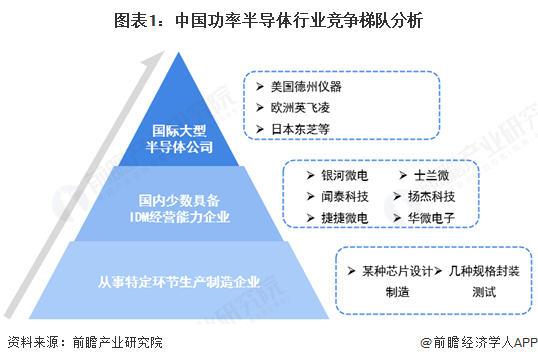
Core Insights - The Chinese power semiconductor market exhibits a pyramid structure, with international large semiconductor companies in the first tier, domestic leading companies with IDM capabilities in the second tier, and specialized manufacturing companies in the third tier [1][6]. Market Share - In 2024, the market share of domestic companies in the Chinese power semiconductor industry shows that Wentai Technology exceeds 10%, Silan Micro exceeds 5%, and Huazhong Micro, Yangjie Technology, and Zhenhua Technology exceed 3%. Companies like Sinda Semiconductor, Jiejie Microelectronics, Huami Electronics, and Xinjie Energy have market shares above 1%, while others are below 1% [5]. Market Concentration - The concentration ratios for the Chinese power semiconductor industry in 2024 are CR3 at 25%, CR5 at 31.3%, and CR10 at 37.5%, indicating a competitive market with many participants. Although leading companies hold significant shares, the advantages are not pronounced, allowing opportunities for smaller firms [6]. Strategic Layout - Key companies like Times Electric and BYD Semiconductor have effectively implemented integrated strategies, particularly in the rail transit and automotive sectors, enhancing their influence in the supply chain. Sinda Semiconductor focuses on upstream raw materials, investing 229 million yuan in a silicon carbide module project. Huazhong Micro's acquisition of Runxin Microelectronics in 2022 bolsters its capabilities in GaN power devices [10][11]. Competitive Landscape - Analyzing the competitive state through Porter's Five Forces model reveals that the upstream supply capability is limited with high customization, giving suppliers strong bargaining power. The demand for power semiconductors is substantial, but buyers have weak bargaining power. The industry is attractive for potential entrants, though high barriers exist in terms of capital, technology, and talent. The threat from substitutes is low, and competition among existing players is moderate [14].
AR眼镜产业招商清单:雷鸟创新、太若科技、灵伴科技等最新投资动向【附关键企业名录】
Qian Zhan Wang· 2025-07-02 12:58
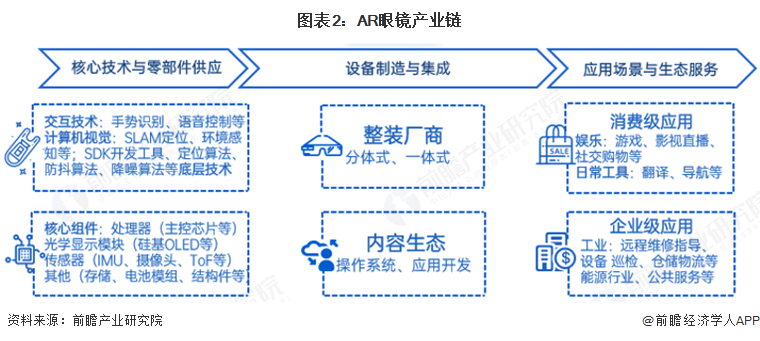
Core Insights - The AR glasses industry in China is experiencing rapid growth, with a complete ecosystem formed, including upstream technology development, midstream manufacturing, and downstream applications across various sectors [1][4][9] - The global AR glasses shipment is projected to reach 1.8 million units by 2027, with China's market expected to see significant growth, potentially reaching 5 million units by 2030 [3][24] - Major tech companies are increasingly investing in AR technology, positioning AR glasses as the next generation of personal computing devices following smartphones [4][16] Industry Overview - The AR glasses industry began with the launch of Google Glass in 2012, which opened the public's awareness of augmented reality technology despite initial market challenges [1] - China's AR glasses market is characterized by a dominance of startup companies, with the top four firms (XREAL, Thunderbird Innovation, Rokid, and INMO) holding over 80% of the market share [9][21] - The industry is supported by local government initiatives to attract businesses and create a competitive ecosystem, as seen in regions like Shanghai and Pudong New District [4][8] Company Highlights - Thunderbird Innovation, established in December 2021, is a leading player in the AR glasses market, known for its self-developed optical solutions and the launch of the world's first dual-eye full-color MicroLED waveguide AR glasses [11][14] - Rokid, another significant player, has demonstrated the potential of AR devices in government settings, showcasing its Rokid glasses during a government conference [1][9] - The competitive advantage of Chinese companies lies in their ability to meet local demand, with products tailored for specific industries such as manufacturing and tourism [8][9] Market Dynamics - The consumer segment for AR glasses is primarily driven by entertainment, with 43.4% of users purchasing for gaming and immersive experiences [19] - The overall AR market is still predominantly B2B, with enterprise solutions accounting for 80% of the market, while consumer applications are expected to grow significantly in the coming years [21][24] - The AR glasses market is projected to see a compound annual growth rate (CAGR) of 37.7% from 2023 to 2027, indicating strong future growth potential [24]
重磅!2025年中国及31省市生猪养殖行业政策汇总及解读(全)
Qian Zhan Wang· 2025-07-02 09:33
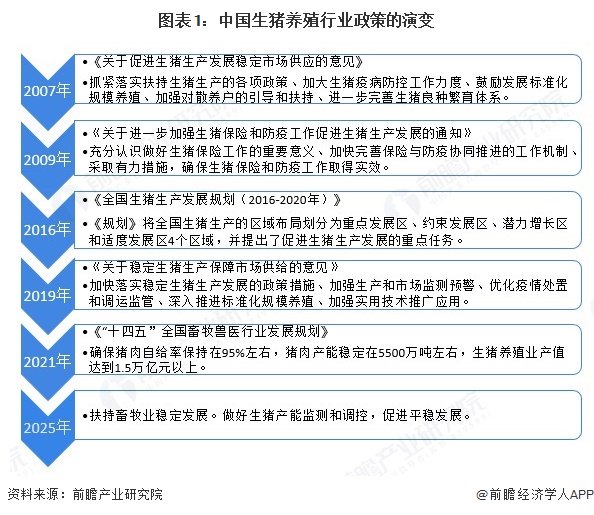
Core Insights - The article discusses the evolution and current state of policies regarding the pig farming industry in China, emphasizing the importance of standardized large-scale farming to ensure stable production and supply of pork [1][4][19]. Policy Development Timeline - In 2007, the State Council issued guidelines to promote pig production and stabilize market supply, encouraging standardized large-scale farming and support for smallholders [1]. - The 2016 National Pig Production Development Plan categorized regions into key development, restricted development, potential growth, and moderate development areas, outlining key tasks for pig production [1]. - In 2019, guidelines were issued to optimize epidemic response and promote standardized large-scale farming [1]. - The "14th Five-Year" plan set a target for pork self-sufficiency at around 95% and stable production capacity at approximately 55 million tons [1]. - The 2025 policy aims to support stable development in the livestock sector and improve monitoring and regulation of pig production capacity [1]. National Policy Summary - The article outlines various national policies that have been implemented to support the healthy and orderly development of the pig farming industry, reflecting the growing demand for meat as living standards rise [4][5]. Key Policies and Their Implications - The 2025 policy emphasizes the need for stable development in livestock, monitoring production capacity, and supporting the beef and dairy industries [5]. - The 2024 plan focuses on establishing pig production capacity control bases and implementing a long-term strategy for breeding sows and fattening pigs [5]. - The 2023 directive reinforces the responsibility of provinces to ensure stable pig production and emphasizes the importance of monitoring breeding sow capacity [5]. - The 2022 policy aims to stabilize pig production and prevent drastic fluctuations in supply [5]. - The 2021 plan promotes the establishment of a long-term mechanism for the stable and orderly development of the pig industry [5]. Regional Policy Overview - The article provides a summary of policies from various provinces, highlighting efforts to regulate feed production, enhance environmental protection, and support local pig breeds [21][22]. - Specific measures include financial support for large-scale pig farms, environmental assessments for new projects, and initiatives to promote local pig breeds [22]. Development Goals - The article categorizes the national pig farming industry into three zones: production areas, sales areas, and balanced production-consumption areas, each with tailored strategies to enhance production and ensure self-sufficiency [25].



2025年中国建筑节能行业技术现状 建筑维护结构和风平衡管理是主要技术路线【组图】
Qian Zhan Wang· 2025-07-02 07:47
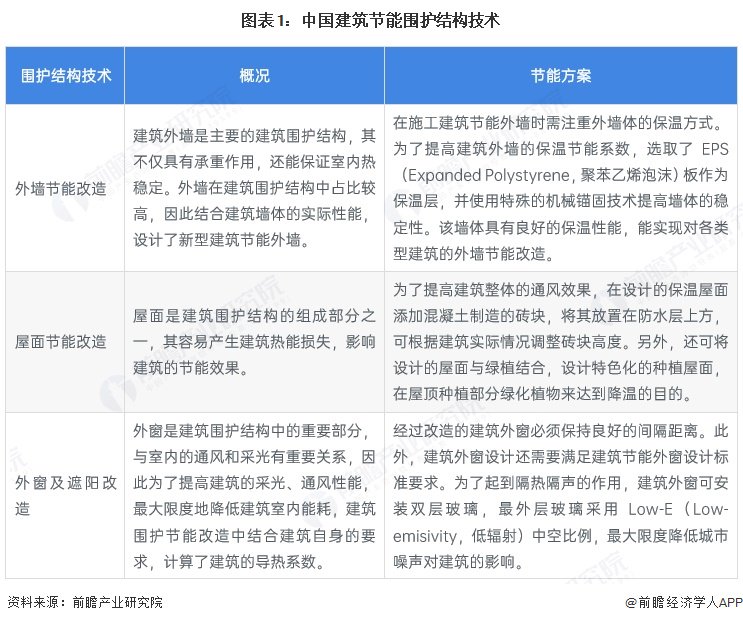
Core Viewpoint - The article discusses the advancements and trends in China's building energy-saving technologies, focusing on the insulation of external walls, roofs, and windows, which can reduce energy consumption by over 30% and help meet national energy-saving standards [1][2]. Group 1: Building Energy-Saving Technologies - The building energy-saving technology emphasizes three main areas: external wall insulation, roof modifications, and window upgrades [1]. - External wall energy-saving modifications utilize materials like EPS (Expanded Polystyrene) boards to enhance insulation performance [2]. - Roof energy-saving improvements include the addition of concrete blocks for ventilation and the integration of green roofs to lower temperatures [2]. - Upgraded windows feature low-emissivity (Low-E) glass and double glazing to improve thermal insulation and reduce indoor energy consumption [2]. Group 2: Patent Applications and Trends - As of May 2025, China has filed 9,069 patent applications related to building energy-saving technologies, with a peak of 1,397 applications in 2023 [7]. - Leading patent applicants in the building energy-saving sector include Chengde Green Building with 143 patents, China Building with 124, and Zhuobao Technology with 121 [9]. - The most popular patent category is E04B (buildings), accounting for 24.1% of applications, followed by F24F (air conditioning and ventilation) at 9.7% [10][12]. Group 3: Airflow Management in Public Buildings - Effective airflow management is crucial for the energy-efficient operation of public buildings, focusing on indoor and outdoor air movement [4][5]. - Various ventilation modes are employed based on seasonal conditions, such as natural ventilation in transitional seasons and mechanical ventilation in winter [5]. - Airflow management strategies primarily target building airtightness and the design of HVAC systems [5].