
Xin Hua Ri Bao

Search documents
连云港徐圩港口控股集团:减费让利,助企发展
Xin Hua Ri Bao· 2026-02-09 01:59
Core Insights - The green coal transportation system of Lianyungang Xuwei Port Holding Group supports enterprise development by providing a closed coal transportation bridge that reduces transportation costs and coal loss, achieving a "one-stop" transport from dock to factory [1] - Starting from October 1, 2024, the company will lower the coal transportation system fee by an average of 4.33 yuan per ton, which is expected to save over 27 million yuan for enterprises in the park throughout 2025 [1] - The company focuses on efficient management and asset operation to drive dual integration of "efficiency increase" and "quality improvement," injecting strong momentum into regional industrial chain upgrades [1] Operational Efficiency - The group has implemented a professional management model of "large production + large maintenance" to achieve centralized scheduling of labor resources, resulting in a reduction of labor costs by approximately 3.73 million yuan annually [1] - The company promotes the efficient conversion of idle resources into economic benefits through various initiatives, including stone supply, multi-modal transport center operations, and industrial product supermarket招商 [2] - The integration of "port + trade + supply chain" has expanded the scale of coal port trade integration business, generating approximately 11.41 million yuan in derived income from terminal loading and bridge transportation [2] Asset Management - The group has released the value of existing assets by integrating functions and expanding resources, including a new land leasing project for a port pool [2] - The company has successfully included the expansion of the second and fourth port pool access channels into national planning and received special funding support [2] - Future plans include deepening cost management, accelerating asset value release, and improving the mechanism guarantee system to transition port operations from "scale expansion" to "quality and efficiency" [2]

聚力打造全球最大最强的船舶产业集聚区靖江船舶“舰队”抱团远航
Xin Hua Ri Bao· 2026-02-09 00:17
省工信厅副厅长、省国防科工办主任李锋表示,省工信厅将持续助力支持靖江造船成为规模更大、 特色更强、竞争力更优的区域特色优势产业,希望靖江坚定信心、因地制宜、做强特色,早日建成全球 最大、最强、最好的船舶产业集聚区,为江苏建成世界级船舶海工产业集群作出更大贡献。 靖江市委书记申强表示,靖江造船要更好地发挥产业联盟的作用和价值,架好供需对接的桥梁,搭 好联合攻关的平台,当好产业协同的纽带,推动船舶总装企业需求与配套企业供给精准匹配,并整合产 学研、海内外等创新资源,实现"卡脖子"环节自主可控,助推企业抱团参与国际竞争、共拓海外市场。 "中国造船第一县"靖江市近日举行船舶产业发展联盟揭牌仪式,相关企业当场签署3个产业链合作 项目协议,决定进一步整合集聚船舶海工装备产业优势资源,提升产业链配套能力,加快打造自主可 控、高效协同的现代化产业体系。这个联盟由靖江船舶产业链各环节重点企业共同发起,旨在全面强化 产业链上下游及跨领域合作,助力靖江高技术船舶产业链群发展。 作为全国规模最大、配套最完善的民营造船基地,靖江船舶产业从上世纪70年代起步,现已聚集 200余家船舶制造及相关配套企业,上千个配套品种实现本地协同供应,国 ...
我省春节前后连续开展“春暖人心/春风送岗·就在江苏”系列促就业活动
Xin Hua Ri Bao· 2026-02-09 00:15
2月8日上午,张家港市体育馆,2026年"春暖人心·就在江苏"专场活动现场,当地政府为留岗过年 的非苏州籍人员送出价值100万元的文体旅新春消费券,每人500元的慰问补贴,还为返乡过年大学生送 上1万多个优质岗位,将持续一个多月的省、市、县三级联动开展的春暖人心促就业活动推向高潮。 江苏是就业大省、用工大省。为了让外来劳动者安心留苏,江苏很多地方政府以家的温暖邀请外来 人员家属家人"反向团圆",在江苏过年。 镇江以市委、市政府的名义邀请春节假期连续生产经营企业在岗外来从业人员的家属来当地过团圆 年,并送上每户最高1400元的交通、住宿现金补贴,以及价值近2000元的餐饮、购物、出行等消费优惠 权益。南通市人社部门向春节留岗的外来建设者及其家人送出礼包——在南通参保,春节期间在连续生 产经营的规上工业、服务业企业正常上班的外来员工,如父母、配偶、子女2月14日至23日来南通团 聚,可享受最高800元的交通补贴和最高600元的住宿补贴。江阴市推出"邀亲来澄过大年"活动,引导全 市企业开展节日慰问活动,通过"亲情红包"、集体过大年、年味文娱活动等,邀请外地员工家属来 澄"全家福"式过年,打造"一人就业、全家团聚"的 ...

今年全省审计工作聚焦五大重点任务
Xin Hua Ri Bao· 2026-02-09 00:15
Group 1 - The Jiangsu Provincial Audit Office is focusing on deepening research-based audits to enhance the province's economic responsibilities and establish a robust audit framework [1] - The audit office is prioritizing the implementation of national major decision-making deployments, integrating audits into project initiation, fund allocation, and effectiveness monitoring to stimulate domestic demand and market vitality [1] - Special audits are being conducted on significant projects such as the development of the marine economy and the operation of the China-Europe (Asia) freight train, contributing to major regional strategies and the Belt and Road Initiative [1] Group 2 - The audit office is enhancing audits in key areas such as fiscal management, state-owned enterprises, and higher education to promote effective fiscal policies and deepen tax system reforms [1] - Audits are being conducted on agricultural funding, medical insurance funds, and urban renewal projects to ensure the implementation of policies that benefit the public [2] - The audit office is focusing on technology innovation and information construction audits to support high-level technological self-reliance and address emerging risks in areas like network security [2] Group 3 - The audit office is reinforcing the supervision of power by deepening economic responsibility audits for provincial leaders and natural resource asset audits to combat issues like "image projects" and "involution competition" [2] - The audits aim to ensure proper financial management and accountability, playing a crucial role in promoting high-quality development [2]
2026年江苏省政府工作报告
Xin Hua Ri Bao· 2026-02-09 00:10
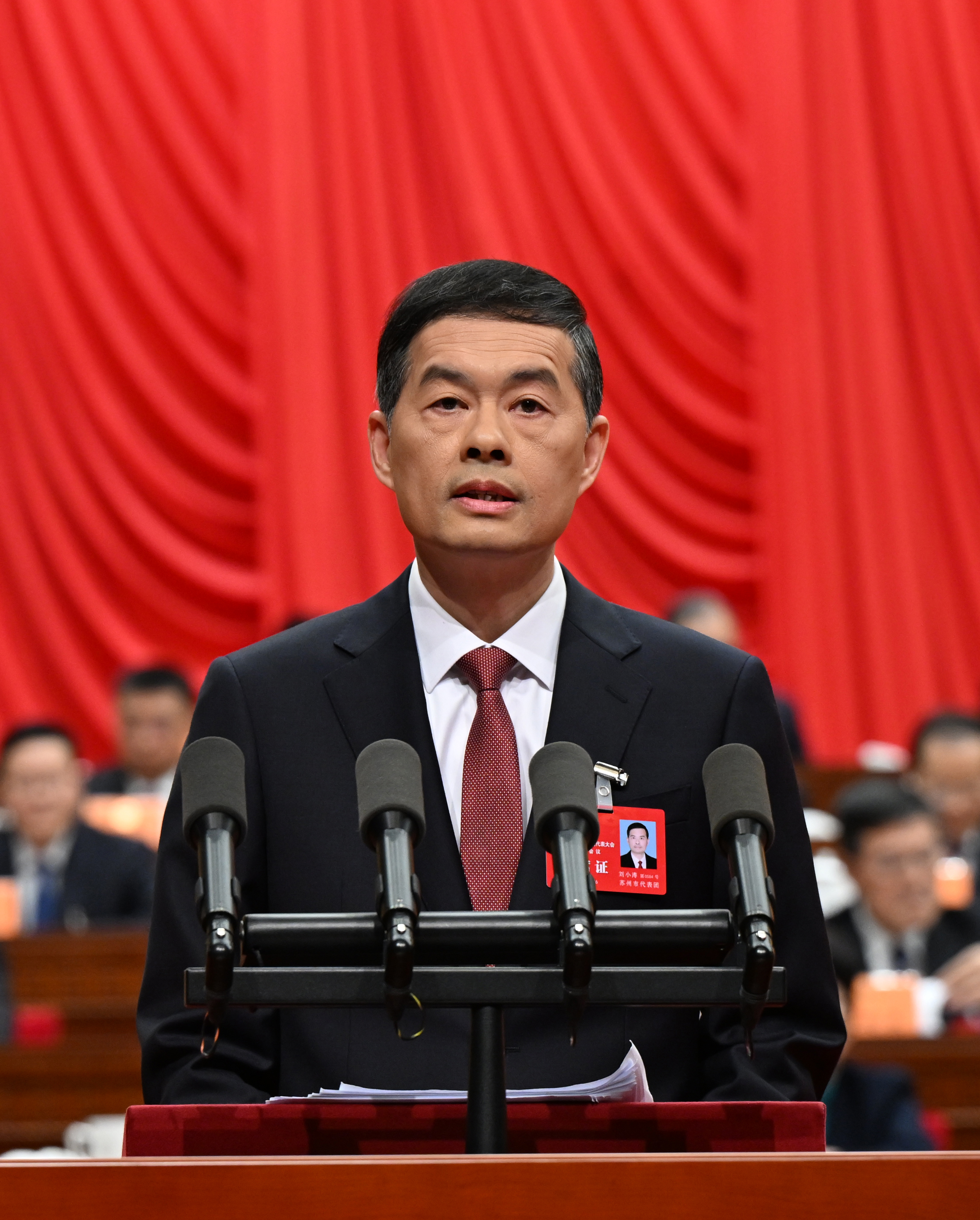
政府工作报告 ——2026年2月3日在江苏省第十四届人民代表大会第五次会议上 省长 刘小涛 省长刘小涛代表省人民政府向大会作政府工作报告。朱江 摄 各位代表: 现在,我代表江苏省人民政府向大会报告工作,请予审议,并请各位政协委员提出意见。 一、"十四五"时期和2025年工作回顾 "十四五"时期是江苏发展历程中极不平凡的五年。让全省人民备受鼓舞的是,习近平总书记两次亲临江苏考察、三次参加全国人代会江苏代表团审议, 赋予我们"四个走在前"、"四个新"、"4+1"、"四个着力点"等重大任务,为江苏现代化建设指明了前进方向。全省上下坚持以习近平新时代中国特色社会主 义思想为指导,认真学习贯彻习近平总书记重要讲话、重要指示批示精神,全面贯彻党的二十大和二十届历次全会精神,深入落实党中央、国务院决策部 署,在省委领导下,在省人大及其常委会、省政协监督支持下,牢记嘱托、感恩奋进,有效应对世纪疫情和重大风险挑战,坚决扛好经济大省挑大梁责任, 推动高质量发展继续走在前列,胜利完成"十四五"主要目标任务,"经济强"的基础更加巩固、"百姓富"的成果更加丰硕、"环境美"的底色更加厚重、"社会文 明程度高"的标识更加鲜明,中国式现代化 ...

刘小涛在连云港调研时强调做强优势产业壮大县域经济 努力推动高质量可持续发展
Xin Hua Ri Bao· 2026-02-09 00:10
Group 1 - The provincial government emphasizes the importance of implementing Xi Jinping's important speech on Jiangsu's work and the resolutions from the provincial party congress and economic work meeting to promote high-quality and sustainable development [1] - The China East Sea Crystal City is highlighted as the world's largest crystal trading market, with a focus on enhancing brand building, research and development, and product value to meet consumer demands [1] - The development of county-level characteristic industries is seen as a means to boost local economies and promote common prosperity, with an emphasis on innovation and entrepreneurship [1] Group 2 - The promotion of a circular economy and sustainable development is emphasized, particularly in the context of the recycling plastic industry [2] - The need for comprehensive green transformation in agriculture is highlighted, with a focus on integrating technology and quality into marine aquaculture and fisheries [2] - The importance of ensuring the operational stability of grassroots medical institutions and improving access to healthcare for the community is stressed [2]
2026年“情暖江苏”春节慈善慰问活动在宁启动
Xin Hua Ri Bao· 2026-02-09 00:10
2月8日,省民政厅、省慈善总会在南京启动"情暖江苏"春节慈善慰问活动。副省长陈忠伟、省慈善 总会会长李小敏出席活动并参观梅园新村社区小红梅慈善空间。 2026年"情暖江苏"春节慈善慰问活动既聚焦低保、低保边缘、特困等困难家庭,也关注因遭遇急难 情况陷入临时困境的家庭。在今年的"情暖江苏"活动中,省慈善总会募集资金520万元,各级慈善会配 套投入慰问款物近亿元。活动启动前,各级慈善会深入开展摸底调查,制定详细慰问方案和预算,部分 地区除直接发放款物外,还将组织开展走访探望、温馨年夜饭等活动,让更多困难群众温暖过节。启动 仪式上,爱心单位通鼎集团、亨通集团向省慈善总会捐赠善款。 作为江苏慈善知名品牌,"情暖江苏"项目已连续开展20年,累计募集款物19.3亿元,累计救助困难 家庭400多万户,充分发挥慈善在社会救助中的重要作用。 ...
无水陆港里,徐州制造“破浪出海”
Xin Hua Ri Bao· 2026-02-08 22:06
春节临近,物流运输进入高峰期,团队人手吃紧——一名现场调度驰援新沂,张良临时顶位,他和3名 同事连日来早8点到岗,最晚忙至凌晨,只为保障货车即来即走、货物快速装箱、班列到港即装。 交谈间,记者跟随他来到调度室。"现在徐连两地加强陆海联动,中心引入集装箱智能信息管理系统, 实现连云港港口空箱前置和信息联通。"张良紧盯屏幕,集装箱管理系统实时跳动的数据,清楚标记每 个集装箱的位置和空重箱状态。 春节前夕,徐州淮海国际港务区一片繁忙景象。不靠海的徐州,正以淮海国际陆港为枢纽,让一批批工 程机械"搭乘"集装箱销往海外。腊月十六,记者走进这座"无水陆港",探寻徐州制造扬帆海外的物流密 码。 张良在淮海国际陆港工作多年,见证了集结中心发展。"去年,中心堆场面积扩建到2.1万平方米,是原 来的近3倍,为服务功能拓展提供保障。"他感慨道,"现在,我们不仅做堆存、提箱、还箱等基础业 务,还拓展了拆拼箱、租售箱、冷链等服务,就像'物流超市'一样,能满足企业多种需求。" 清晨8点,寒意未消的集装箱集结中心内,高耸的正面吊伸展长臂,精准吊装满载货物的集装箱。货运 车辆往来穿梭,机械嗡鸣与对讲机的调度指令交织,奏响一曲热火朝天的新春奋 ...
江苏再添4家甲级旅游民宿
Xin Hua Ri Bao· 2026-02-08 22:06
此次入选的4家甲级民宿各有特色。龙隐江南民宿位于宜兴市,主打隐逸意境,除了内部的园林之趣, 民宿周边紧邻龙池山自行车公园,可徒步或骑行漫游周边的茶山竹海。位于溧阳市竹箦镇姜下村的隐居 乡里.小飞鹅精品民宿临鹅湖而筑,远处是茶山与竹海,近处是篱笆小院,共有2处院落、9间客房。颐 和湖畔民宿坐落于盐城市大洋湾生态旅游景区核心区域,宅院为纪念清代著名戏曲家孔尚任而复建,造 景深谙《桃花扇》中赏心亭以及水阁舫意趣,遵循古典园林章法。花筑奢明园民宿位于苏州市吴江区同 里镇,院落中植有一株树龄逾百年的玉兰树,融入传统园林的造景艺术,堪称一座"可以入住的苏式园 林"。 本报讯(记者付奇)记者2月8日从省文旅厅获悉,在文旅部最新发布的2025年全国甲级、乙级旅游民宿名 单中,江苏再添4家甲级旅游民宿、4家乙级旅游民宿。至此,全省已有全国等级旅游民宿114家,数量 位居全国第一,其中甲级15家、乙级11家、丙级88家。 ...
靖江船舶“舰队”抱团远航
Xin Hua Ri Bao· 2026-02-08 22:06
"船舶产业的发展,从来不是孤军奋战的征程,而是同舟共济的远航。"江苏新时代造船有限公司总经理 刘海金说。在此背景下,靖江牵头成立船舶产业发展联盟恰逢其时,标志着靖江造船正大步迈向更加紧 密、协同、融合的"舰队式"发展新阶段。 靖江市委书记申强表示,靖江造船要更好地发挥产业联盟的作用和价值,架好供需对接的桥梁,搭好联 合攻关的平台,当好产业协同的纽带,推动船舶总装企业需求与配套企业供给精准匹配,并整合产学 研、海内外等创新资源,实现"卡脖子"环节自主可控,助推企业抱团参与国际竞争、共拓海外市场。 省工信厅副厅长、省国防科工办主任李锋表示,省工信厅将持续助力支持靖江造船成为规模更大、特色 更强、竞争力更优的区域特色优势产业,希望靖江坚定信心、因地制宜、做强特色,早日建成全球最 大、最强、最好的船舶产业集聚区,为江苏建成世界级船舶海工产业集群作出更大贡献。 本报讯(顾介铸靖宣)"中国造船第一县"靖江市近日举行船舶产业发展联盟揭牌仪式,相关企业当场签署 3个产业链合作项目协议,决定进一步整合集聚船舶海工装备产业优势资源,提升产业链配套能力,加 快打造自主可控、高效协同的现代化产业体系。这个联盟由靖江船舶产业链各环节重 ...